

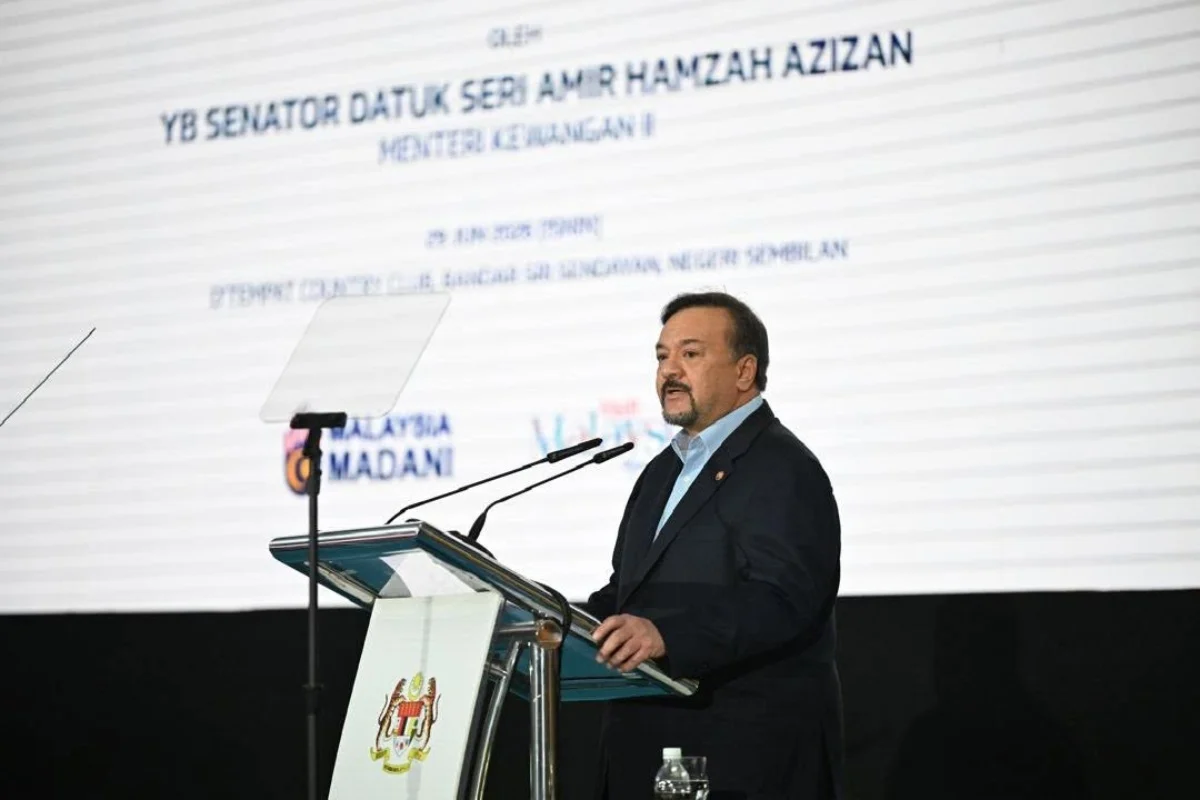
Following Finance Minister II Datuk Seri Amir Hamzah Azizan’s prior announcement, the government has revealed that its new MediAsas basic medical insurance and takaful pilot programme is set to begin in the Klang Valley by the end of this month, with monthly premiums expected to start from around RM60. As you may also recall, the initiative was first unveiled earlier this year as part of plans to introduce an affordable Base Medical and Health Insurance and Takaful (MHIT) scheme in 2027.
In a joint statement, the Ministry of Finance (MOF) and Ministry of Health (MOH) said the MediAsas scheme will be offered as a standalone medical insurance and takaful product with two options: Teras (the standard plan) and Fleksi (provides additional benefits). Both plans will offer medical coverage for individuals up to the age of 85, with premiums determined based on the latest medical claims experience and healthcare cost inflation.
It should be noted that the government said indicative monthly premiums are expected to range from around RM60 to RM550 for individuals enrolling up to the age of 70. Regardless, the final pricing will be confirmed before the nationwide rollout in January 2027, following the completion of the pilot programme.
Six Insurers Joining Pilot Programme
The pilot will run from end-July until October 2026 and involve six insurers and takaful operators, together with selected hospitals in the Klang Valley. The participating companies are:
- AIA Bhd
- Allianz Life Insurance Malaysia Bhd
- Great Eastern Life Assurance (Malaysia) Bhd
- Prudential BSN Takaful Bhd
- Etiqa Family Takaful Bhd
- Syarikat Takaful Malaysia Keluarga Bhd
According to the government, the pilot will evaluate operational readiness, including systems integration, customer experience and operational processes in a controlled environment. Feedback collected during the trial will be used to refine the programme before it is expanded nationwide.

Part Of The Govt’s Healthcare Reform
The Base MHIT initiative forms part of the government’s RESET strategy, which is being undertaken together with Bank Negara Malaysia to address rising medical inflation and improve the long-term sustainability of Malaysia’s healthcare system. The strategy focuses on value-based healthcare by improving patient outcomes, encouraging cost-effective treatment and expanding access to quality healthcare services.
Finance Minister II Datuk Seri Amir Hamzah Azizan said MediAsas will provide a strong foundation for longer-term healthcare financing reforms. He added that its eligibility criteria and product design are intended to keep coverage affordable over time while expanding access to medical protection for more Malaysians.

Meanwhile, Health Minister Datuk Seri Dr Dzulkefly Ahmad described the initiative as an important step towards ensuring Malaysians have access to quality and affordable healthcare. He also said ongoing cost-containment measures, including the phased implementation of the Diagnosis-Related Groups (DRG) system in private hospitals, are expected to support more sustainable healthcare costs while placing greater emphasis on value-based care.
The government also confirmed that an independent governance board will be established to oversee the programme once it is fully implemented. More updates are expected after the pilot concludes ahead of the nationwide rollout in January 2027.

Malaysia Digital Health Certification Network
Alongside the MediAsas update, the government announced progress on several initiatives aimed at improving Malaysia’s healthcare ecosystem. These include efforts to enhance digital health records, modernise healthcare regulations and improve transparency in private hospital billing.
One of the key developments is the establishment of the Malaysia Digital Health Certification Network (MDHCN), a national trust framework that enables secure interoperability between public and private healthcare providers under the “One Person, One Record” principle. Through the framework, patients will be able to securely access and share their medical records across different healthcare providers while ensuring the information remains portable, protected and accessible.
Private hospitals participating in the MediAsas network will also be expected to join the MDHCN framework. The government said this will help improve continuity of care while reducing duplicated diagnostic procedures.

Other Supporting Healthcare Initiatives
Separately, the government has completed a review of licensing and registration processes under the Private Healthcare Facilities and Services Act 1998 (Act 586). The review identified opportunities to streamline regulatory procedures, reduce administrative burdens and modernise licensing through digitalisation, subject to the necessary approvals.
The government is also facilitating discussions between the Association of Private Hospitals Malaysia, insurers, takaful operators and regulators to improve how private hospital bills are presented. The working group aims to develop a common framework for categorising and presenting hospital charges by August 2026, with the goal of improving pricing transparency and helping consumers make more informed healthcare decisions.
(Source: MOF / The Edge Malaysia)
