
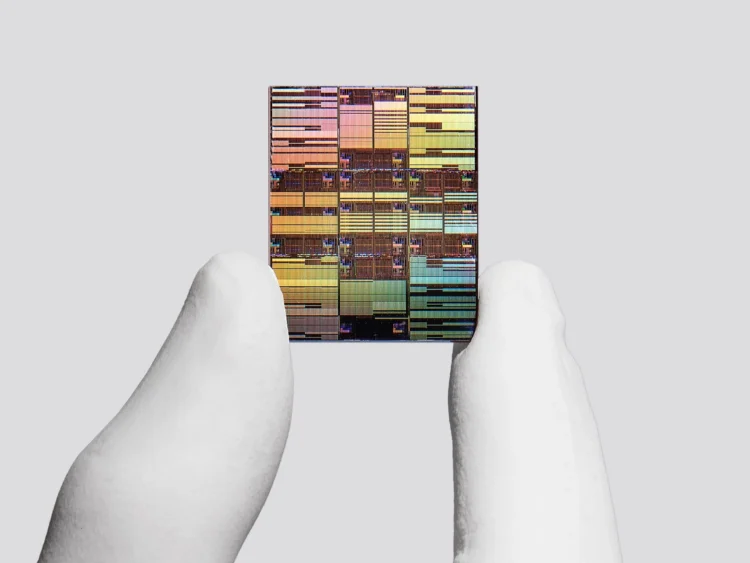
IBM has come out of the shadows with the claim that it has created the world’s first sub 1nm chip. To be precise, the new transistor measures in at 7 Angstrom (7A) or 0.7nm.
For context, the smallest chip architecture prior to IBM’s breakthrough was Intel’s 18A, which is currently being used in its Panther Lake architecture.
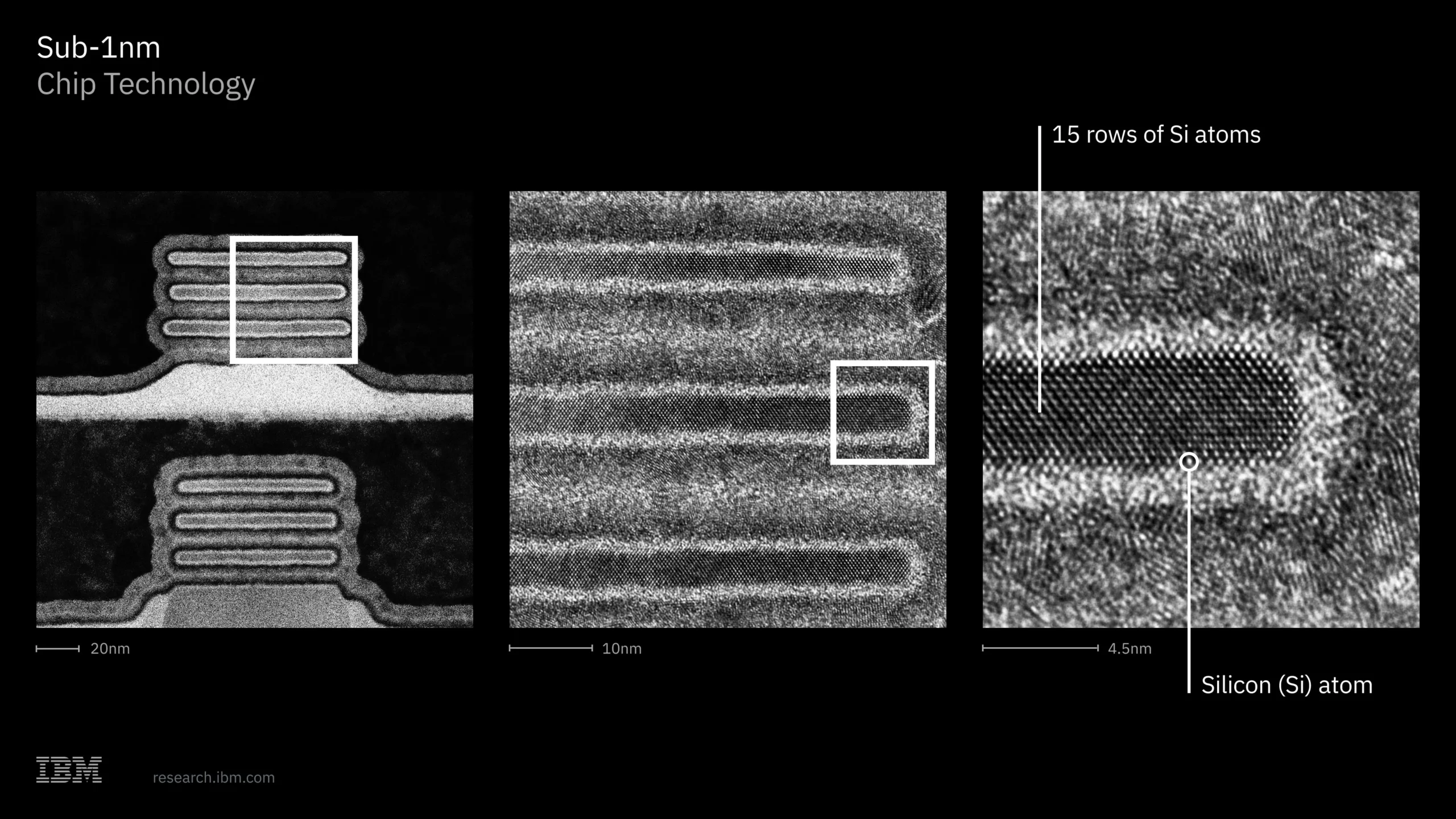
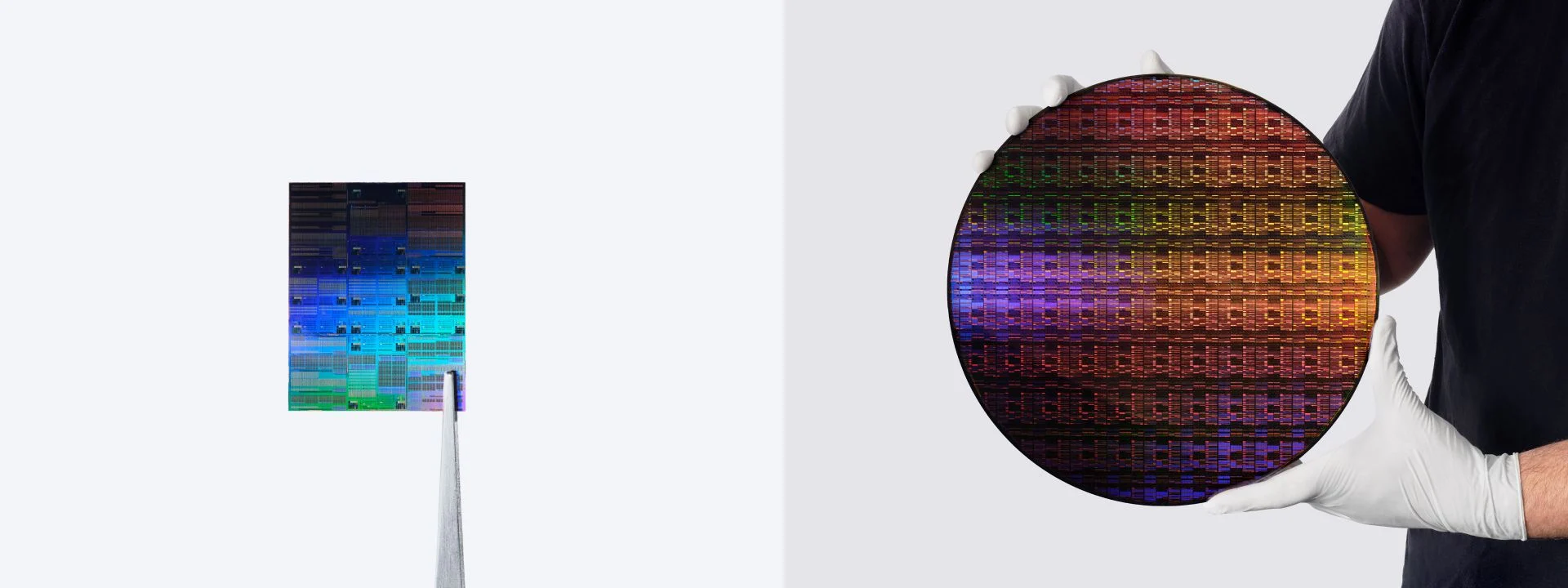
In this case, IBM claims that its new “nanostack” architecture boasts twice the density of its 2nm design, with close to 100 billion transistors crammed into a space that is smaller than the average human fingernail. IBM translates that as “up to 50% more performance, or 70% greater energy efficiency” than its previous chip design.
“To produce this chip, IBM researchers developed an entirely new transistor architecture, called “nanostack,” the industry’s first known three-dimensional, nanosheet-based design. Nanostack represents a major advance beyond nanosheet technology, the industry’s current leading-edge architecture, invented by IBM. The nanostack design vertically stacks and staggers transistors, taking advantage of 3D sequential integration to pack more transistors onto a chip. The design also unlocks the use of different material combinations within each stacked layer, optimizing performance and power efficiency of each transistor independent of the other.
IBM’s nanostack architecture was experimentally validated through ultra-thin dielectric bonding in CMOS integration, demonstration of dual-channel engineering capability, and functional CMOS inverter operation with expected switching performance. Together, these results confirm the nanostack technology can be physically built and supports real computation.”
As for when IBM plans on releasing its sub 1nm chip, it estimates that it’ll be around five years before it will enter mass production. This year, the company’s partner, Rapidus, said that it is planning to start producing 2nm chips only by the second half of 2027, meaning that we’ve still got some ways to go. Also, given the nature of IBM’s clientele, it’s unlikely that the general consumer will be seeing it being used in consumer goods.
