

Cyber scams are increasing day by day, and many Malaysians seem to be highly aware of it this year. Yet, most still do not take precautions in protecting their data, or are simply unaware of what to do when faced with it. This observation is brought to attention by a research conducted by bolttech, a global insurtech with a mission to build the world’s leading, technology-enabled ecosystem for protection and insurance.
In collaboration with Blackbox Research, a reputable research agency regarding cyber studies across Asia, bolttech has conducted a survey across 11 Asia-Pacific markets. The said survey is conducted to understand cyber safety and gain a comprehensive view of regional patterns.
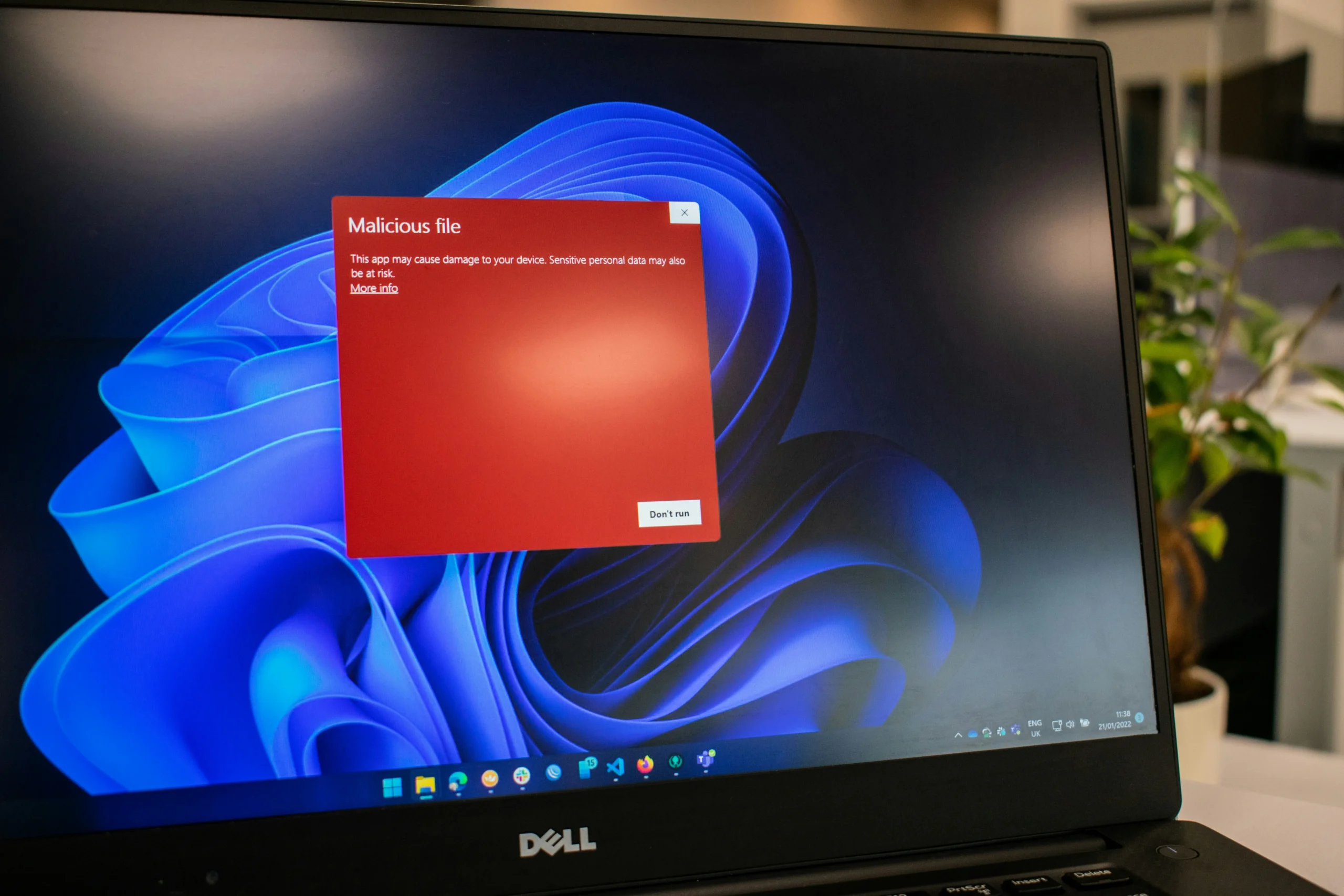
Drawing from bolttech’s Asia-Pacific Cyber Safety Landscape 2026 report, it states that Malaysians appear more alert to cyber risks. Yet, they remain vulnerable to scams across multiple digital channels compared to its neighbours in Asia-Pacific.
Adding on to that, 69% of Malaysians expect someone in their household to become victims of cybercrime while 42% of them have already experienced it.
Strong Awareness, Discrepancies In Behaviour
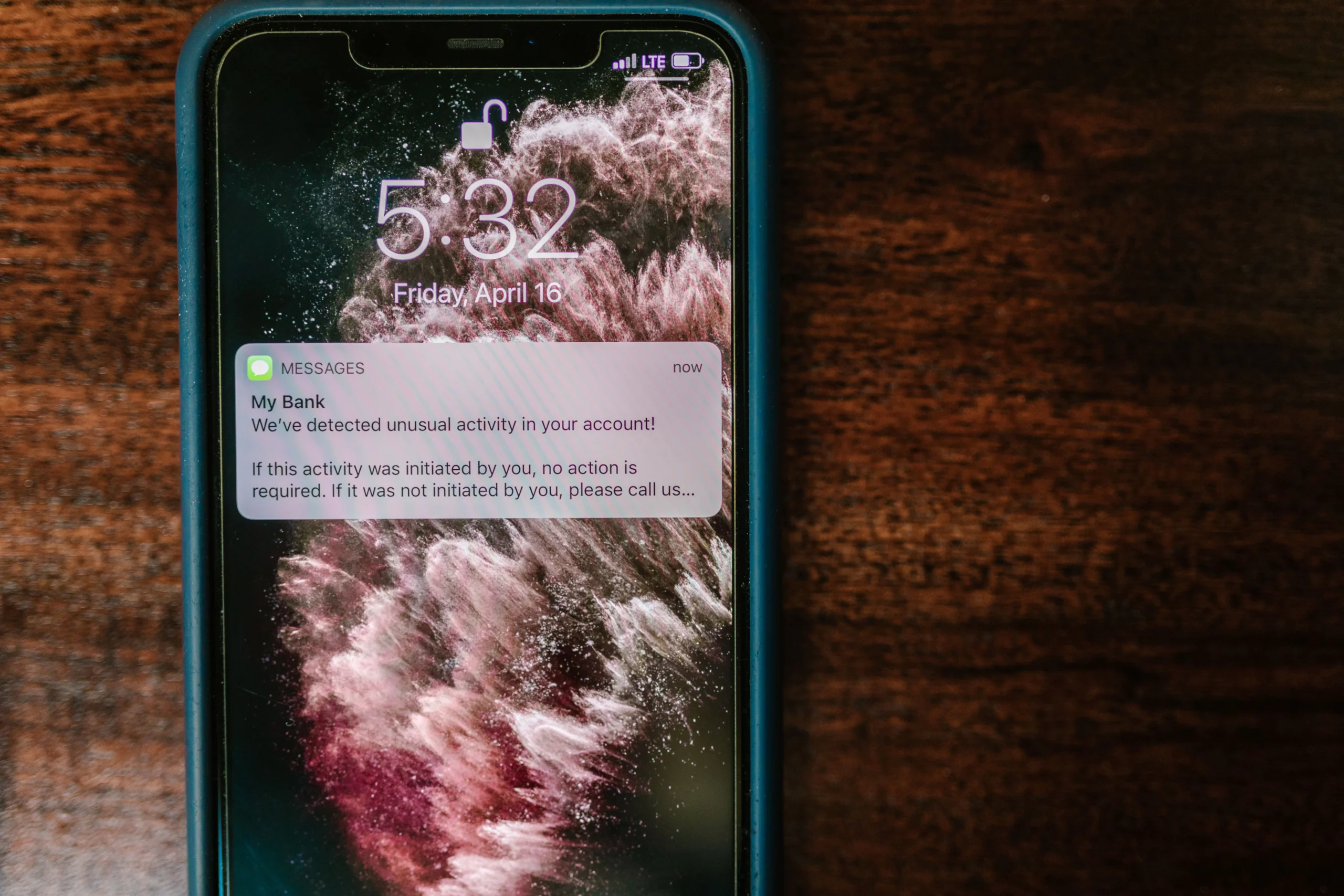
While 88% of Malaysians rate their online safety habits as good, only 49% of them actually consistently practise strong cyber awareness. While this highlights a clear discrepancy in behaviour, Malaysia is still on the right track, outperforming its peers Singapore (47%), Thailand (43%) and Indonesia (44%) and the regional average (44%).
Regardless of these habits, Malaysia’s perception gap (39%) is still slightly higher than Singapore (36%) but lower than Indonesia (50%), leaving much room for improvement. This is because 70% of Malaysian consumers tend to reuse passwords across accounts, showing that convenient features can also lead to a compromise in cybersecurity.
AI Increases Concerns Regarding Scam Activity

Furthermore, concerns regarding AI aiding in scams are especially prevalent in Malaysia. Studies have shown that 95% of respondents believe that AI increases the difficulty in detecting scams, making them more dangerous in the long run. This stands as one of the highest readings in the region, with only Thailand possessing a higher figure of 96%.
This concern is based on the growing hyper-realism of deepfakes, impersonation scams, cloned voices and fraudulent messages that can bypass traditional warning signs.
David Black, Founder and CEO, Blackbox Research, Singapore, states that “scams have become an inescapable friction in the regional digital economy.” He continues on to say that despite the vast majority facing these threats, there is still a stark disconnect between public anxiety and personal action.
Better Scam Prevention In Households
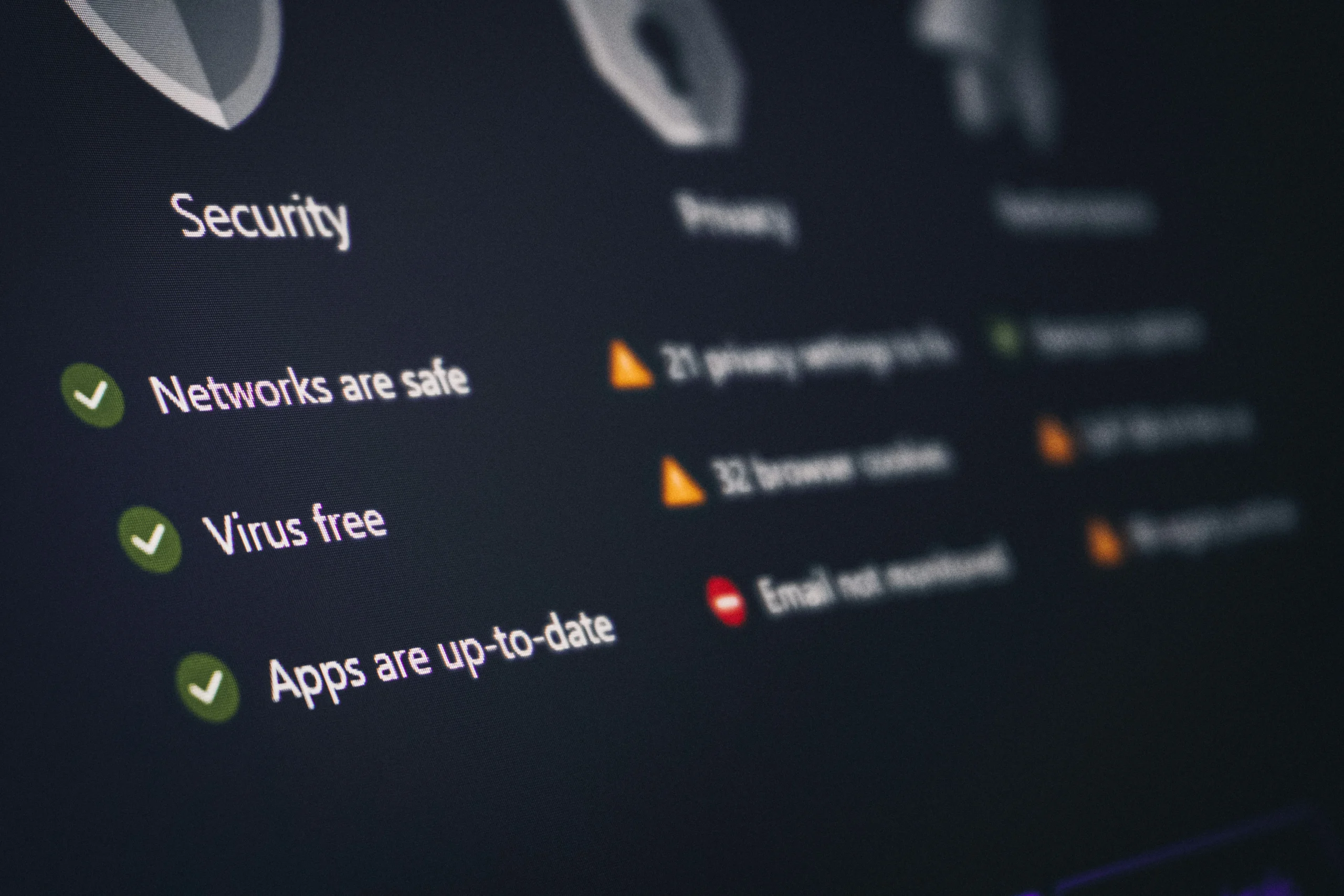
Nearly 64% of individuals doubt that seniors in their home know how to handle scams. 38% say the same for teenagers.
However, even at an individual level, only 25% are fully confident in knowing what to do if they get hacked or scammed themselves. This lack of confidence is due to low trust in institutions to handle cyber risks. With one in four Malaysians stating their distrust towards governments and organisations.
Moreover, this study found that 70% of Malaysians are willing to pay for cyber protection services, with strongest interest in practical tools such as alerts, monitoring, financial loss
protection and 24/7 support. For those interested, bolttech offers support and protection as prevention to scams as well as keeping your data safe from cyber risks.
(Source: bolttech [1])
