
The Sony WF-1000XM6, despite its namesake, represents the brand’s fifth generation premium TWS earbuds. As with all of its previous flagships, it’s bringing its “A” game to the table with these new ear canal stuffers.
So, with a new look and design, the most obvious question is: how does it perform?
What Am I Looking At?

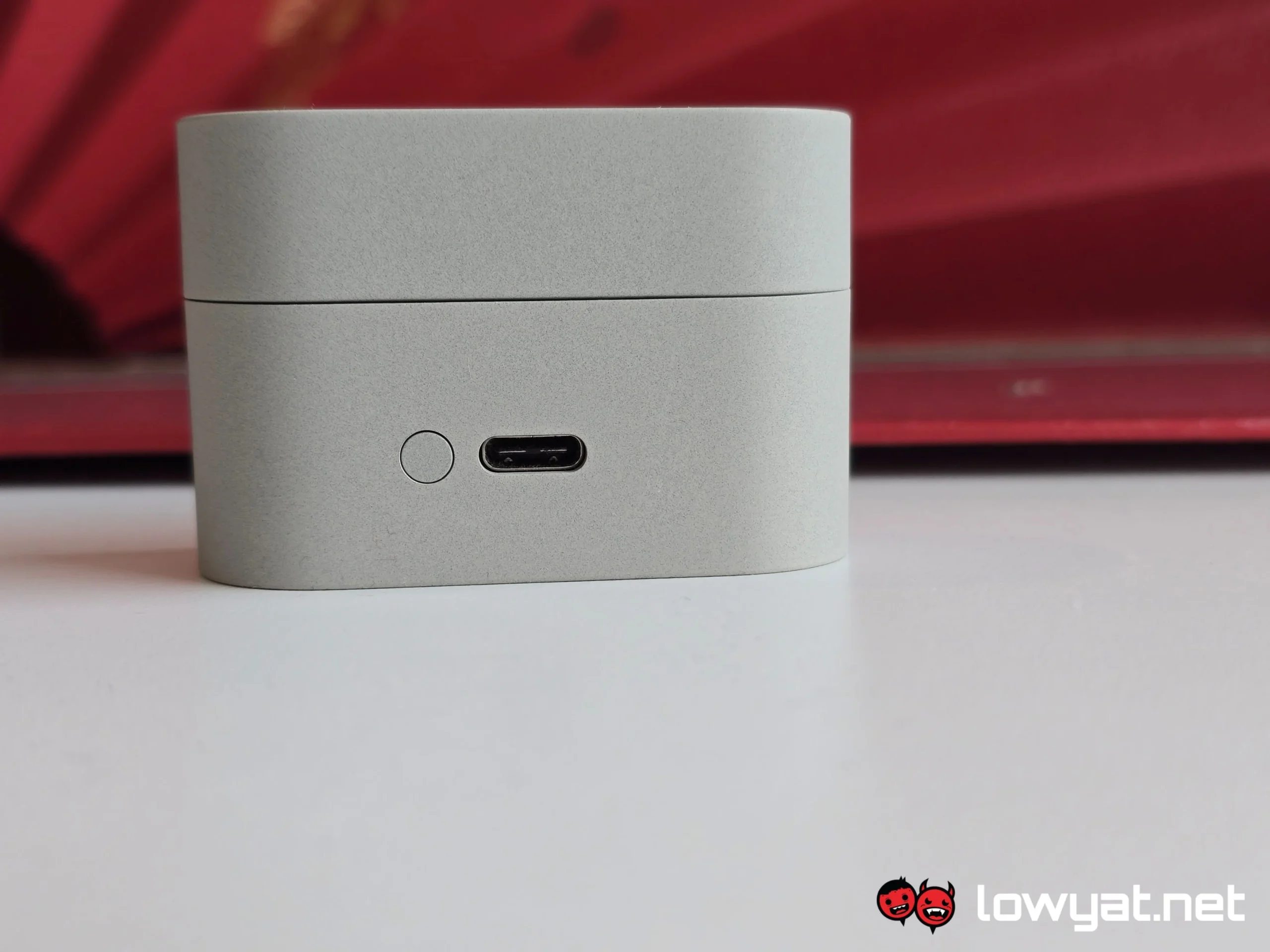
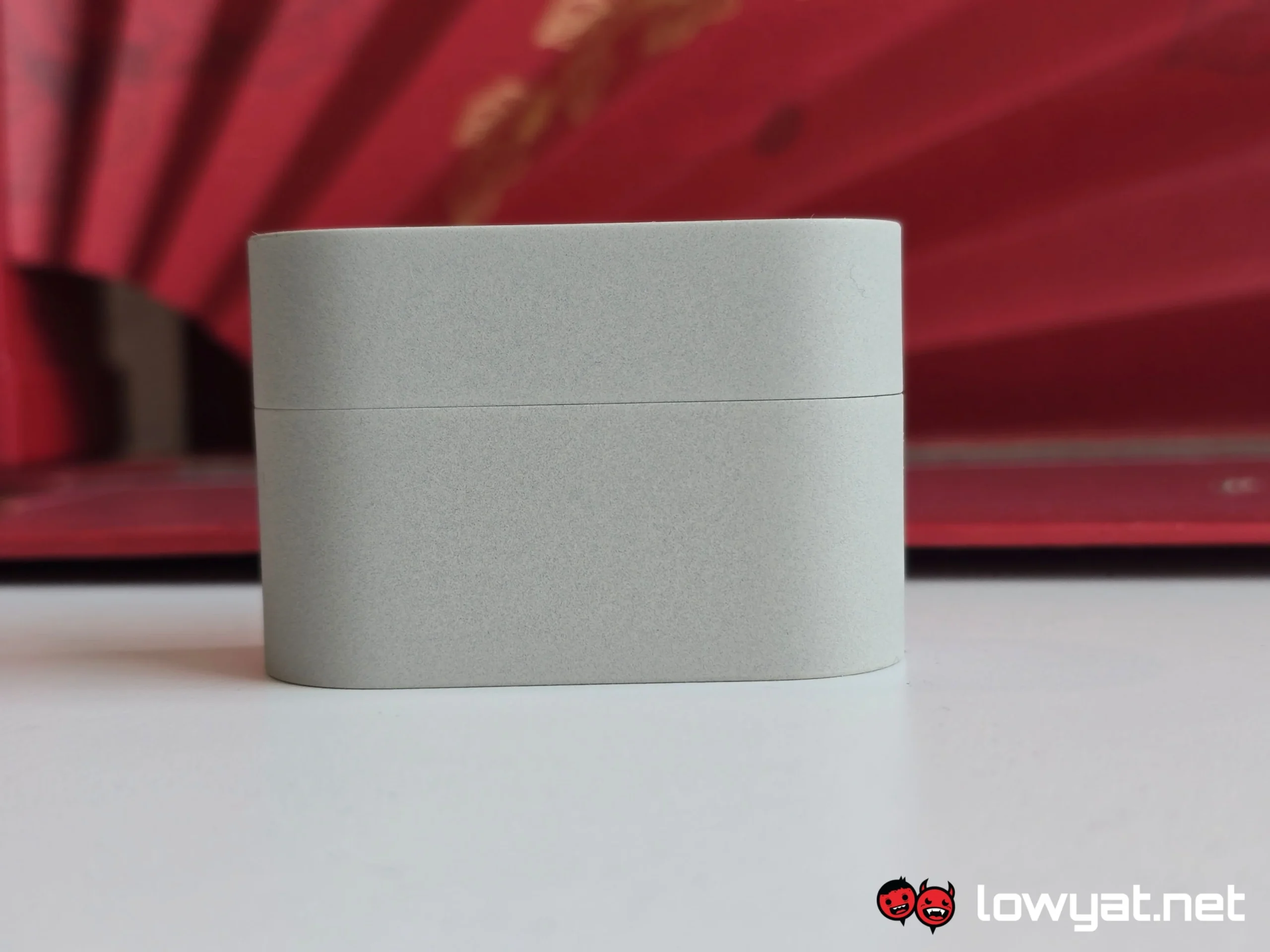
Compared to 2023’s WF-1000XM5, the WF-1000MX6 look really far out of left field. Gone is the small angular, concentric-shaped casing. This time around, Sony is going for what I can only describe as a geometrically symmetrical box. It’s still rounded around the sides, giving it a pill-shape of sorts, but its edges are now sharper and very pronounced, allowing it to dig into your hands whenever you hold it firmly.
You get the USB-C charging port in the back, as usual, along with the pairing button right next to it. For colour options, you’ve got two choices: Black and Platinum Silver, the latter being the option of my review unit.

Internally, the charging cradle houses the WF-1000XM6 earbuds, which again, have had their design completely revamped from the ground up. The rear looks more bean-shaped, allowing for better grip and handling, and there’s a little indent that further adds to that grip. The eartips are still memory foam-based, rather than silicone-based; given how brittle the eartips of the XM4 and XM5 were, I foresee myself replacing these eartips on a fairly regular basis.
What’s Good About It?

I’m just going to dive straight into the performance here. Just like its predecessors, the WF-1000XM6 places a greater emphasis on the delivery of the mids and highs. This generation, that experience feels a little more full-bodied, with my control tracks feeling and sounding warmer and more open.
That sound signature really opens up Tears In Heaven by Eric Clapton, allowing each pluck of the legend’s guitar. Vocals get a boost too, and in Caislean Oir by Clannad, you can really hear the haunting tones emanating from the artist’s voice, the same also applicable with Strange Fruit by Nina Simone.


Sound staging definitely sounds better compared to the WF-1000XM5. Listening to the 1996 live performance of Hotel California by The Eagles, it sounds open enough that you can separate the moment the percussion steps in and their exact position on the stage.
Sony’s ANC is still world-class, and I’m not just saying that. Compared to headphones from other brands, none of them come close to the amount of noise that Sony’s WF and WH series products are able to suppress and drown out. This is, and has always been, one of the company’s key selling points, and it’s no different with the WF-1000XM6.
What’s The Catch?

Despite the…larger profile compared to its predecessor, the WF-1000XM6 are still susceptible to accidental taps, leading to the ANC either being disabled or enabled, or me pausing a track of an album I was already immersed in.
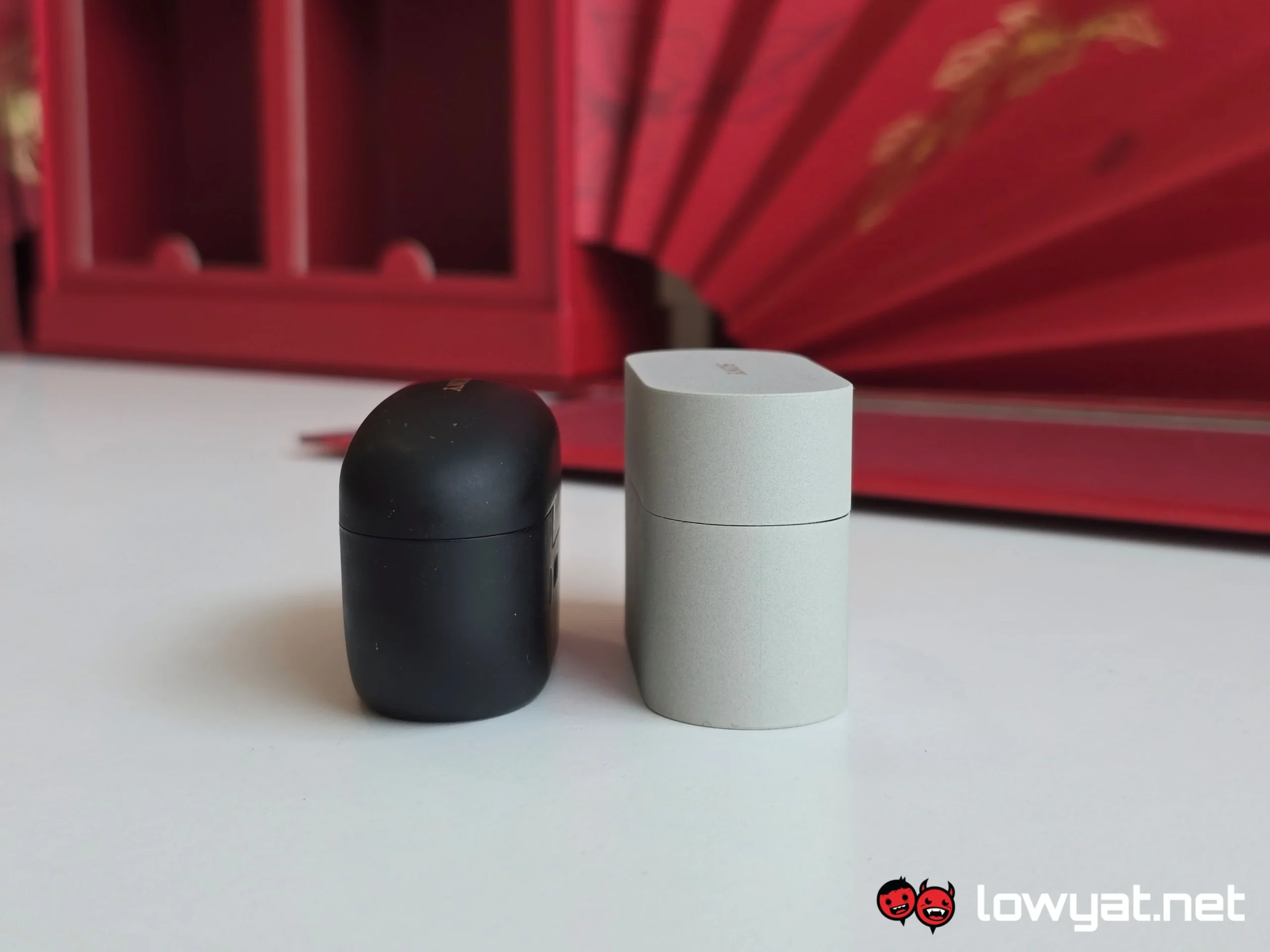
There’s also the size of the charging cradle. The new design means that it is considerably larger – it’s an ironic scenario for me, because I remember when Sony made the decision to shrink the form factor with the WF-1000XM4 – taking up more space, be it in my pocket or my pouch
With regards to audio, Sony’s default sound signature means that the lows don’t feel as full, or rather, they don’t rattle the back of my skull as much as I would like it to. For example,the oomph of the tuba in Feeling Good by Nina Simone feels flat, while the underlying rumble of the drums in Shrike by Hozier doesn’t travel as far.
Should I Buy It?

The Sony WF-1000XM6 retails for RM1,599, but if you head on over to the brand’s official product page, the earbuds are currently on sale at RM1,399. That, by the way, is the same price the WF-1000XM5 retailed for.
Despite the “full-bodied” in my title, and compared to the TWS earbuds from other brands, the sound signature of the WF-1000XM6 feels a little flat for my taste, but that’s just my personal preference. At the end of the day, these are still great sounding earbuds, and if you aren’t already on the Sony WF series bandwagon, you can jump on with this.
Photography by John Law.