

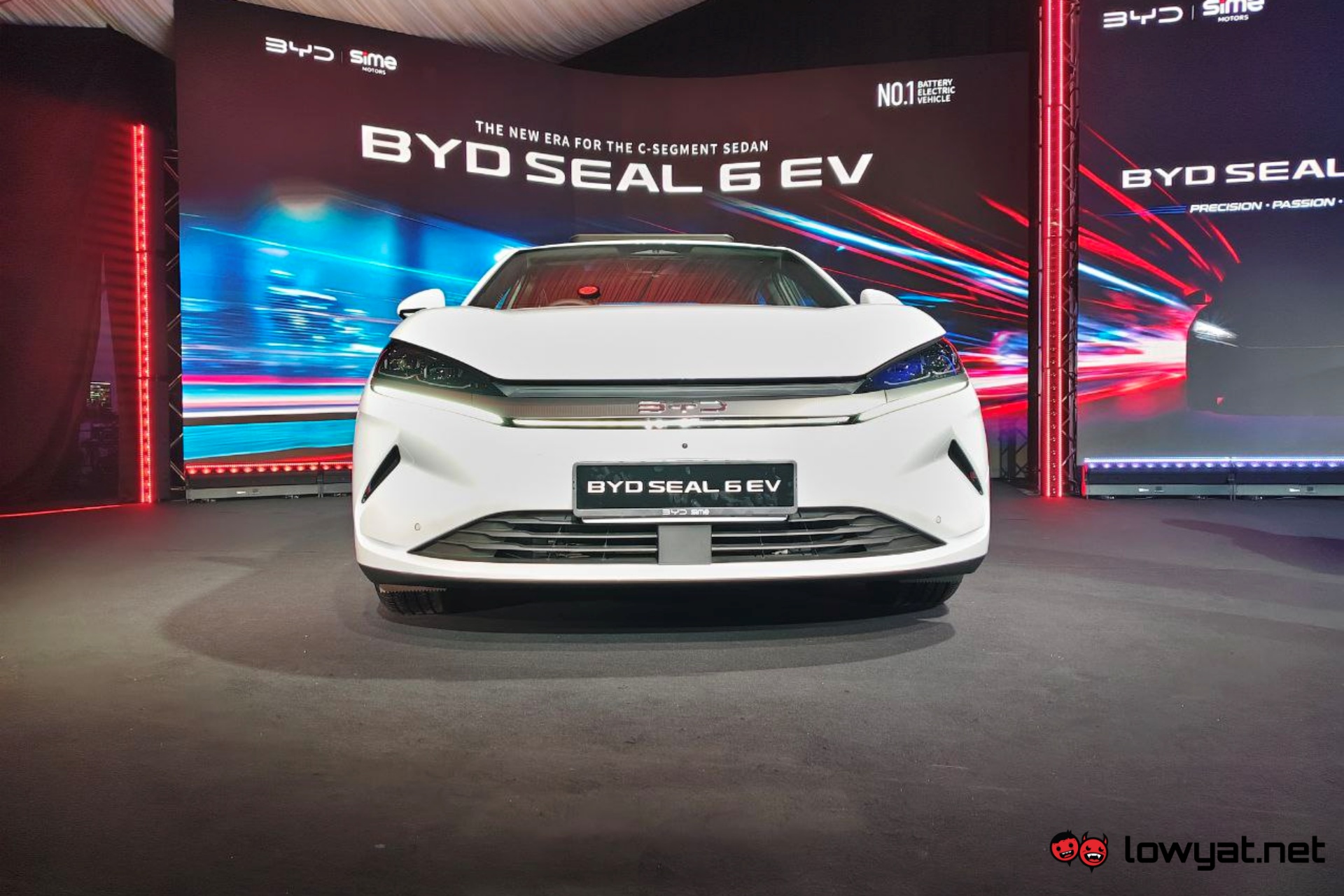
BYD is reportedly re-evaluating its plans to establish a completely knocked down (CKD) assembly facility in Tanjong Malim, according to a recent report by The Edge Malaysia. At the centre of the issue are conditions set by the Ministry of Investment, Trade and Industry (MITI), which require the company to export up to 80% of vehicles assembled locally, while ensuring that 20% of the remaining units sold domestically are priced above RM200,000. The publication reports that these terms were not agreeable to BYD.
MITI Minister Johari Abdul Ghani told The Edge that such requirements are necessary to safeguard Malaysia’s domestic automotive sector. He added that the industry supports an ecosystem employing roughly 700,000 people, making it critical for the government to maintain protective measures.
Protecting Local Automakers
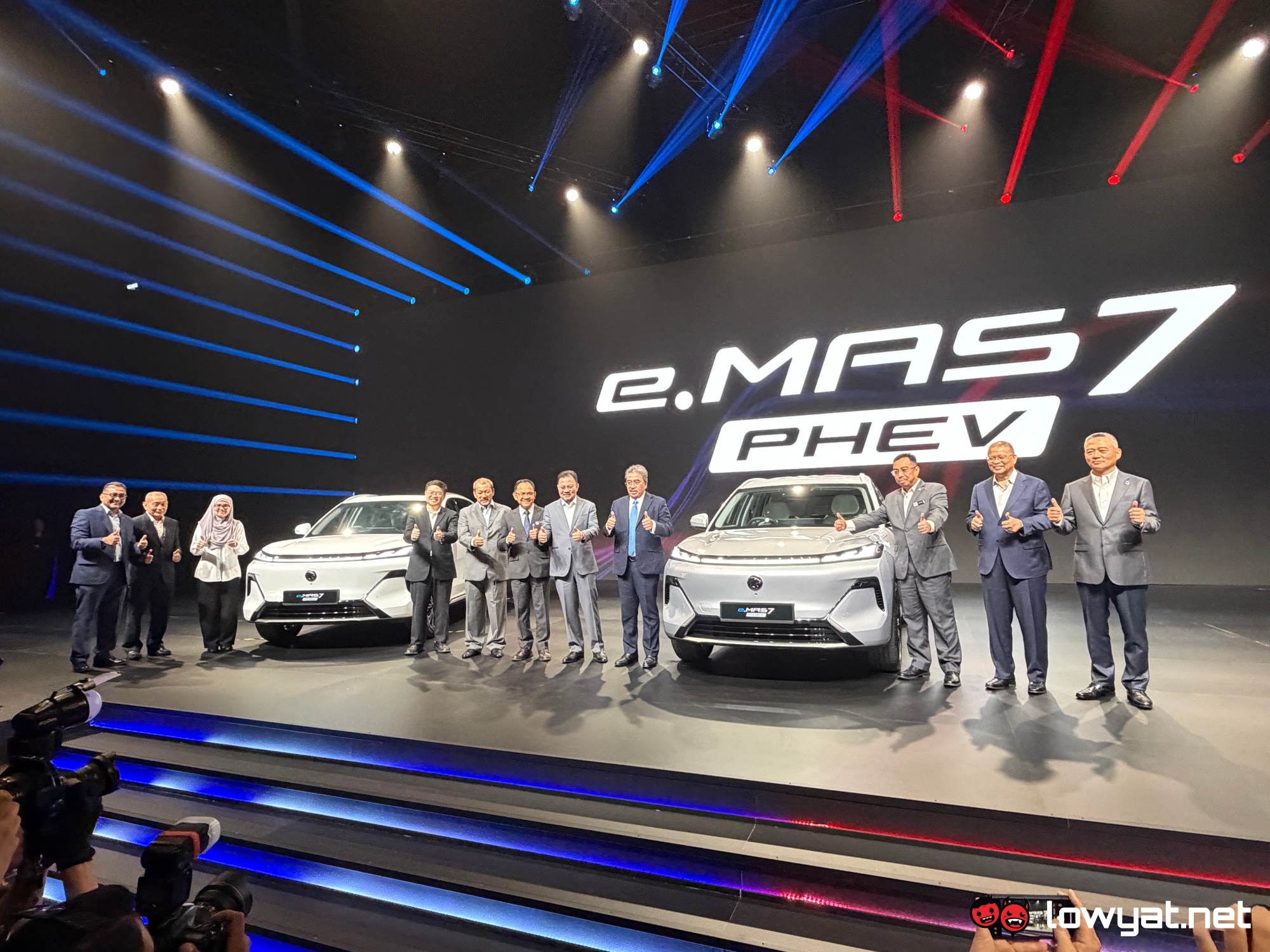
The government’s stance also reflects the strong presence of national carmakers Proton and Perodua, both of which are actively developing their own EV offerings. Johari noted that both companies maintain around 50% local content in their vehicles and collectively form the backbone of Malaysia’s automotive supply chain. The Edge adds that Proton sold approximately 150,000 vehicles annually, while Perodua recorded about 350,000 units per year.
Industry data from the publication indicates that Perodua led the market in 2025 with 359,904 units sold, followed by Proton at 157,976 units, representing increases of 0.5% and 3.3% respectively. Together, the two brands accounted for a combined 63.2% market share, with Perodua alone holding nearly 44% and Proton 19.4%.
Market Growth And Policy Shifts
Malaysia’s automotive sector reached a record total industry volume of 820,752 units last year, marking four consecutive years of growth, according to figures cited by The Edge. However, the Malaysia Automotive Association (MAA) is projecting a slowdown, with total sales expected to dip by 3.75% to 790,000 units in 2026.
Furthermore, it is said that the EV landscape is undergoing a shift following the expiration of tax incentives for fully imported EVs. Since January 2026, completely built-up (CBU) EVs are now subject to a 30% import duty, 10% excise duty, and 10% sales tax, effectively ending the duty-free period that previously encouraged EV adoption.
This policy change could influence the plans of other Chinese EV brands such as MG Motor, Zeekr, and XPeng. These are reportedly looking to begin local assembly operations in Malaysia as early as 2026. Meanwhile, Johari confirmed that Chery Automobile’s previously announced RM2.2 billion investment to build a 200-acre assembly plant in Hulu Selangor will proceed as planned, noting that the agreement had already been finalised.
(Source: The Edge Malaysia, via Lowyat.NET forum / Paultan.org)
