

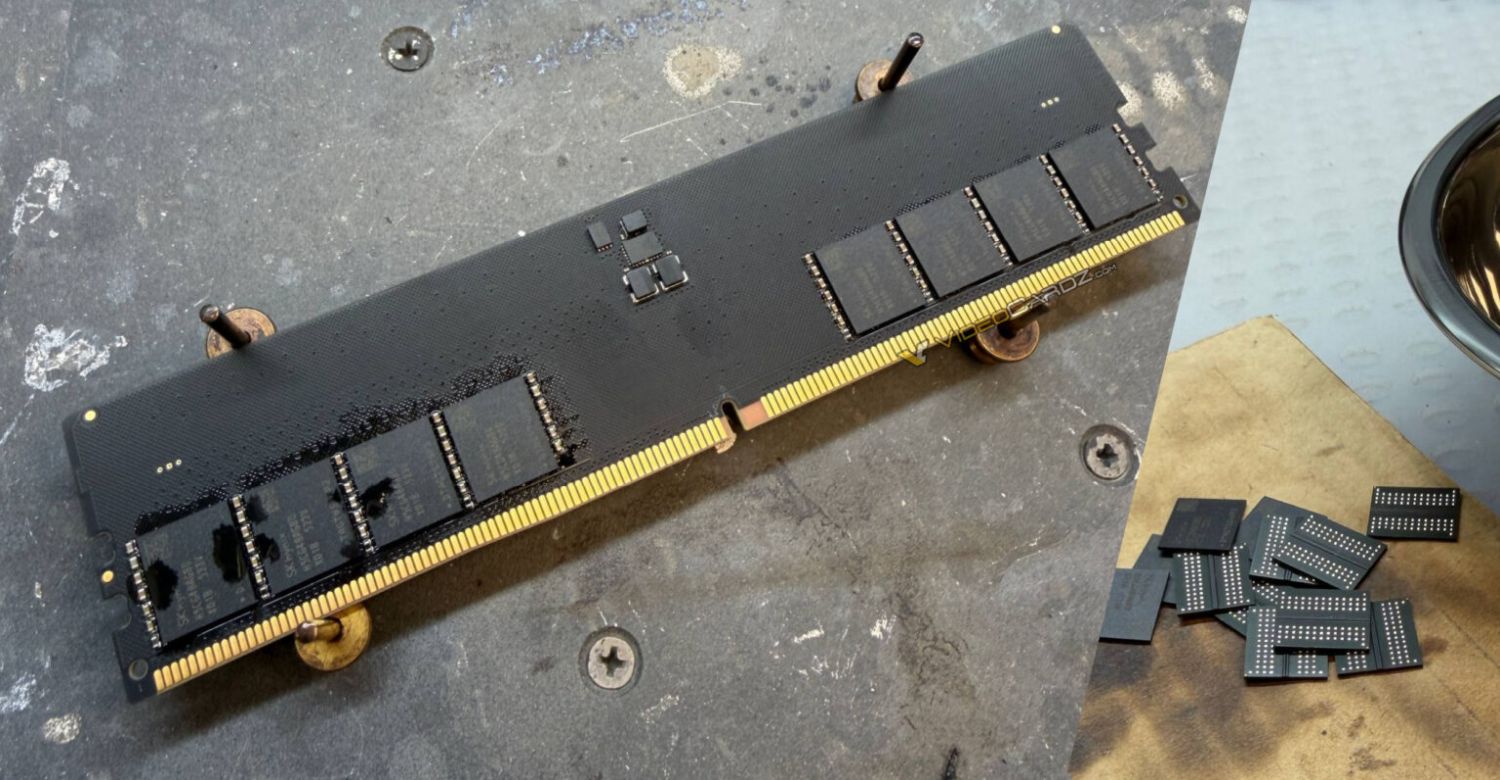
Several weeks ago, A Russian modder decided to take matters, with regard to skyrocketing memory prices and the corresponding chip shortage, into their own hands, and make their own DDR5 memory stick. Apparently, they were successful and in turn, saved themselves a very expensive component bill.
VIK-on shared with Videocardz that their 32GB DDR5 memory kit was essentially Frakenstein-ed with donor chips originating from two 16GB SO-DIMM modules that cost 8,000 Rubles (~RM412) each. The PCB for the kit costs 50 Yuan (~RM29), and a basic heatsink costs another 415 Rubles (~RM21). Oh, and the chips run at a frequency of 6,400MT/s, which is faster than average.
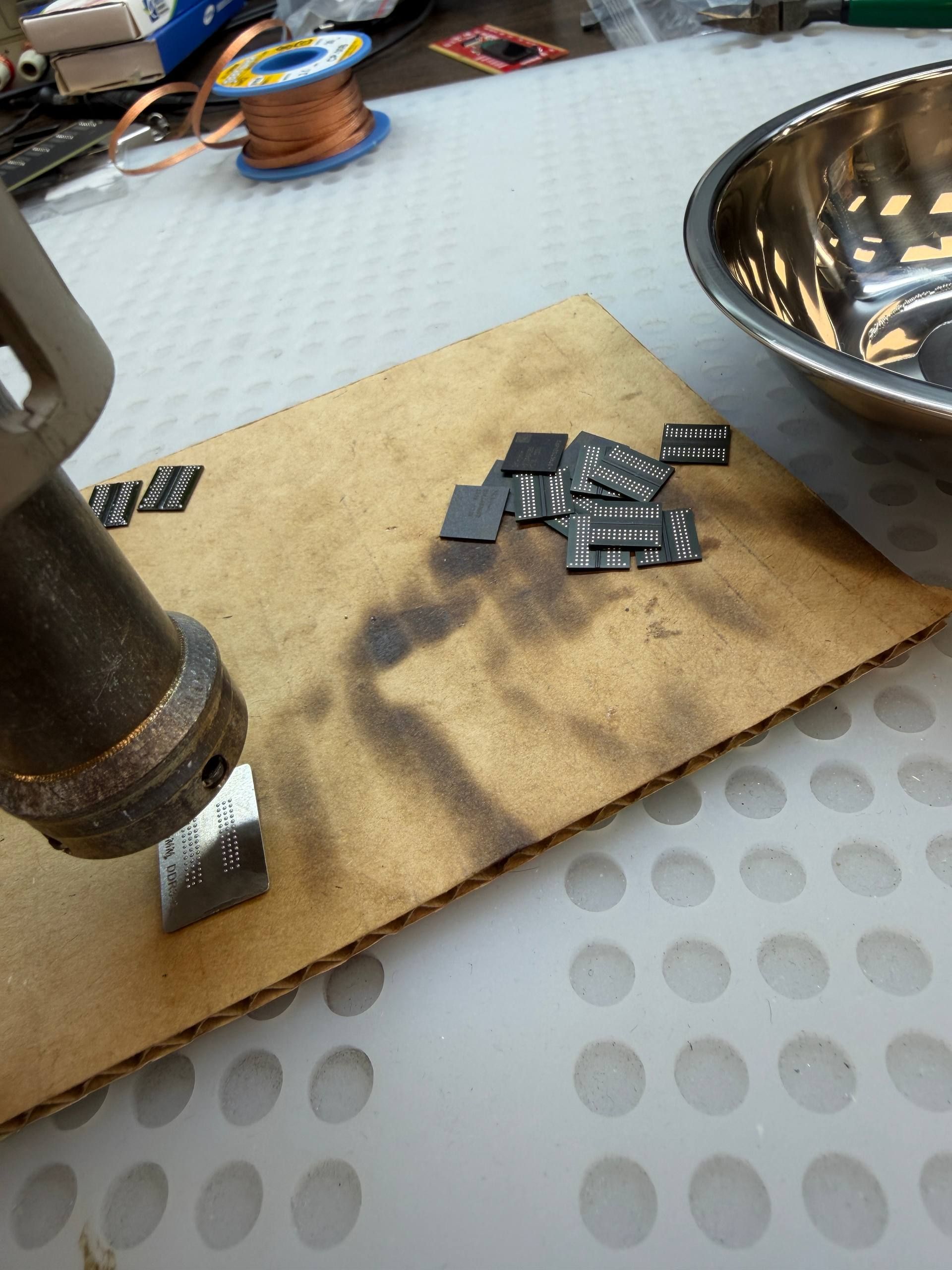
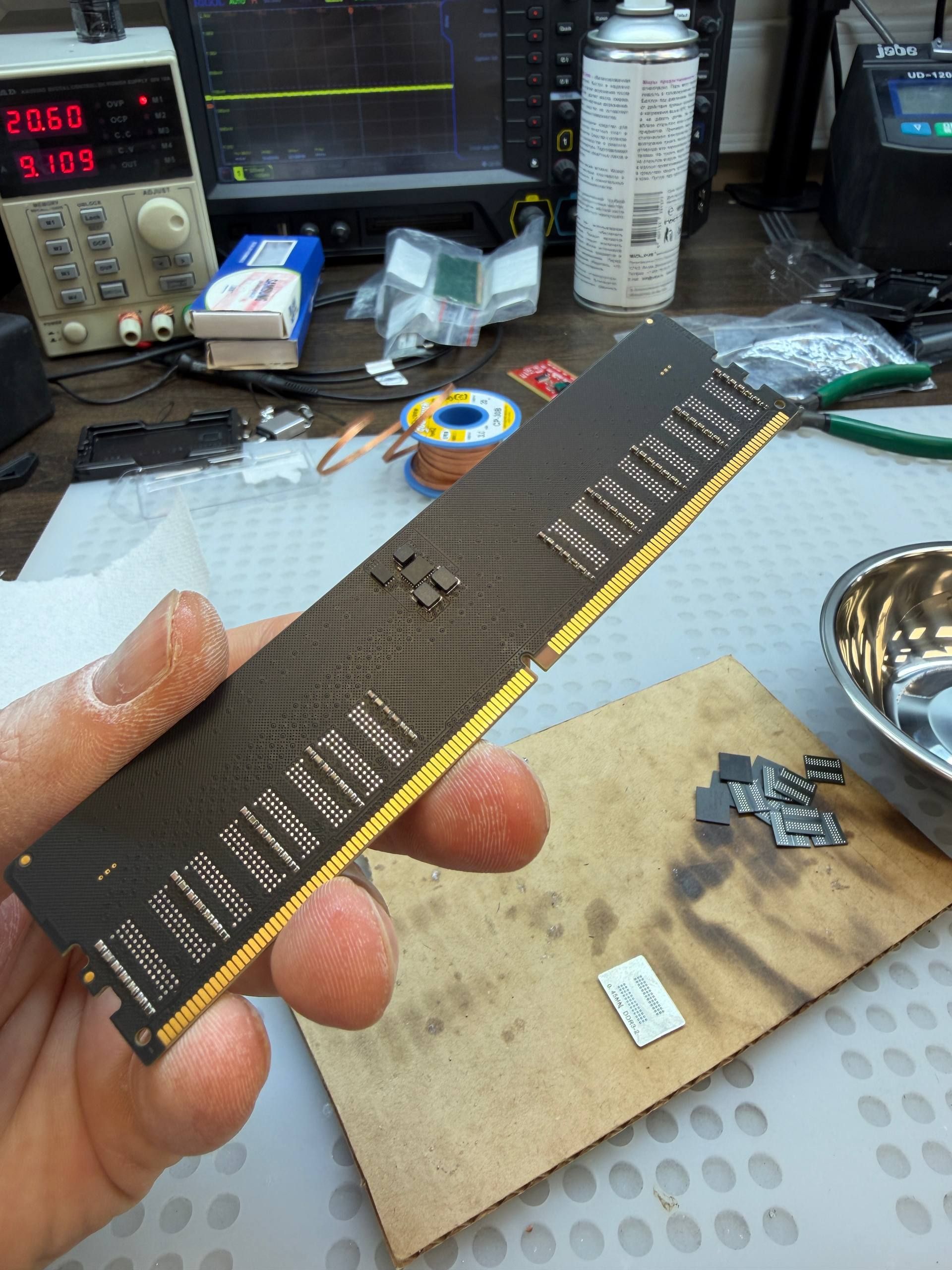
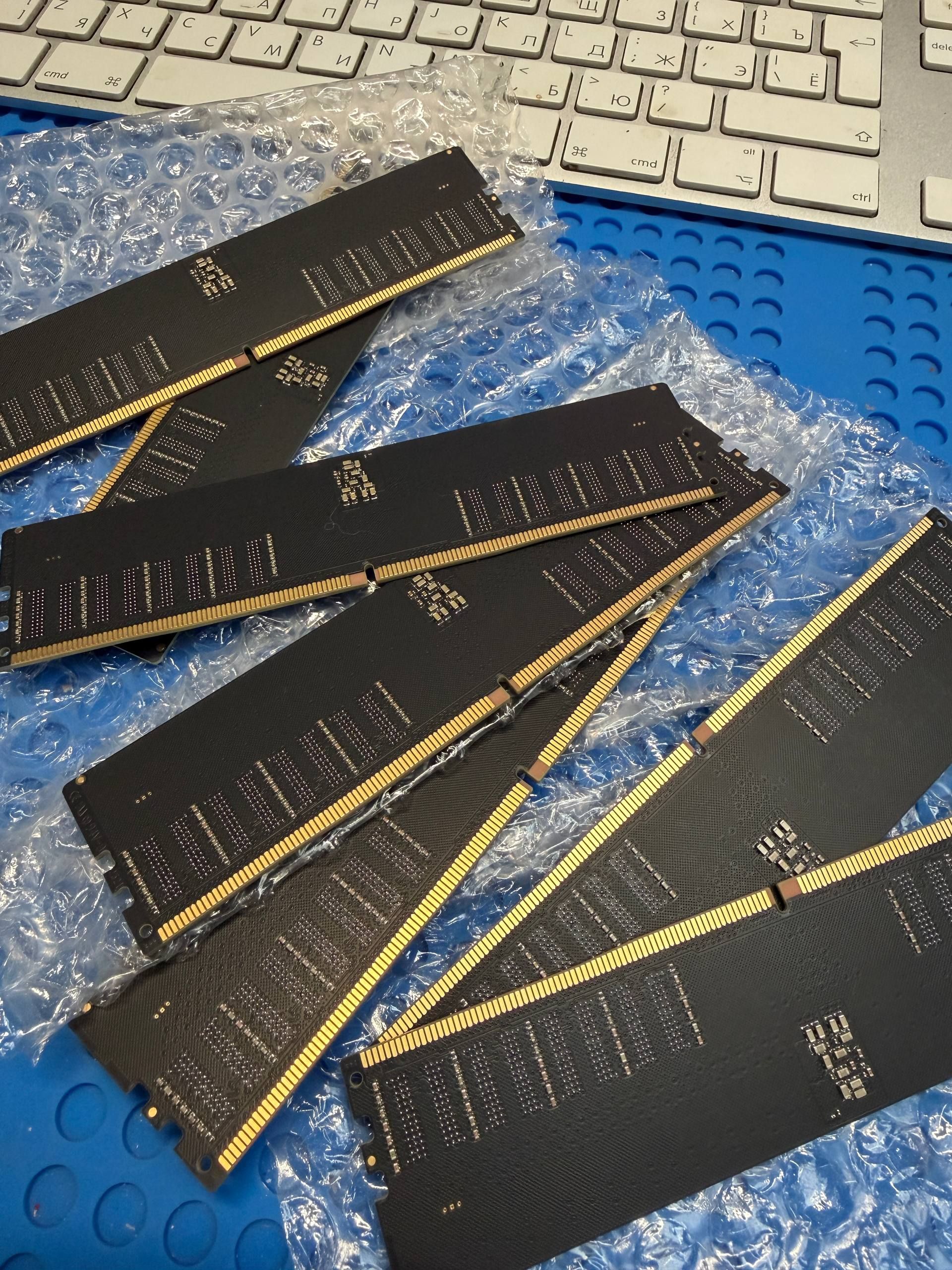
What makes VIK-on’s DIY DDR5 RAM stick even more interesting is the special firmware that they used to flash the module. The firmware was from ADATA and upon flashing it, the 32GB stick was able to enable an XMP profile of DDR5-6400 CL32 right off the bat.
Desperate Times, Desperate Cause
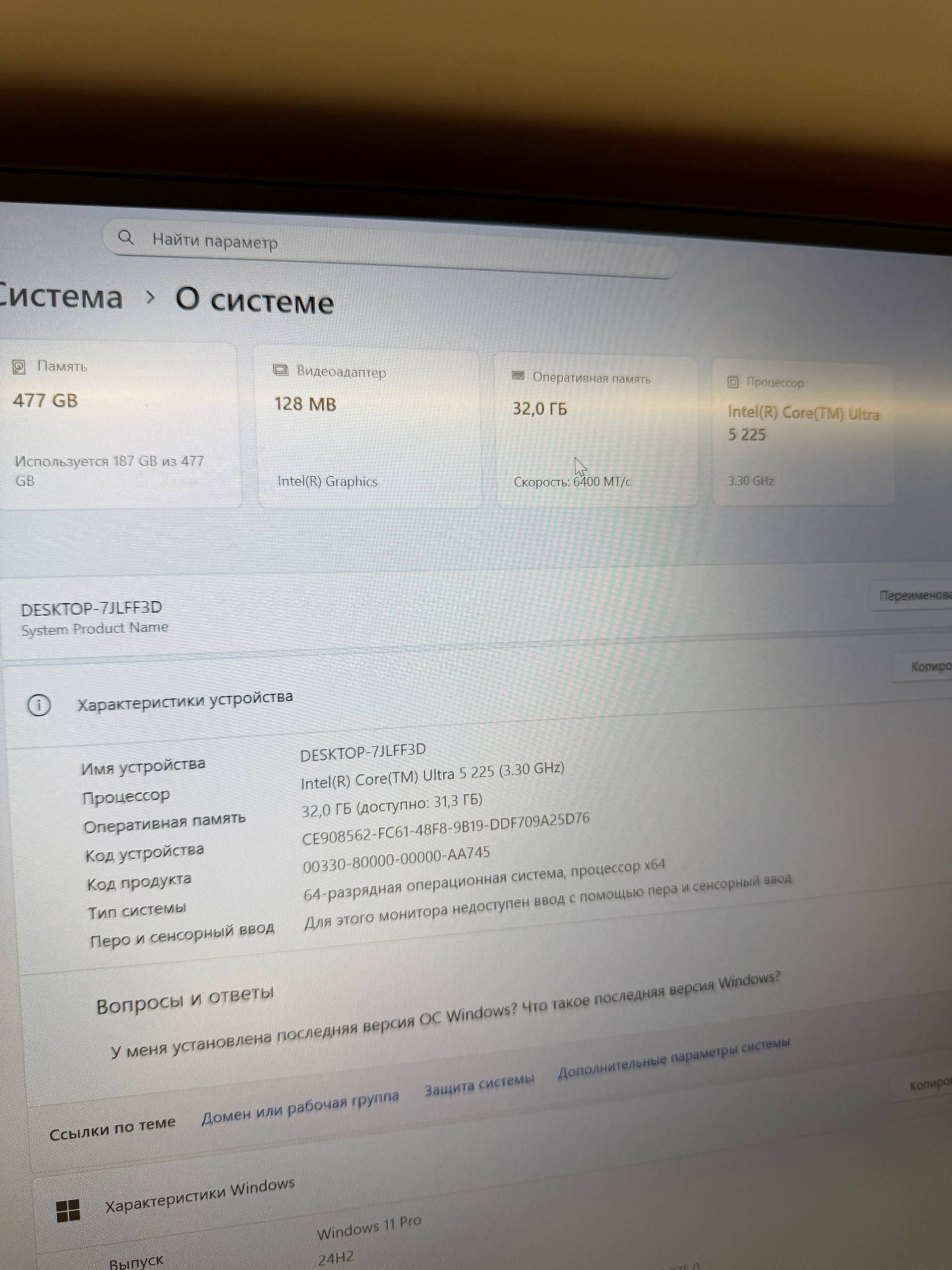
When you tally up the cost of their scavenging, VIK-on spent an average of RM452 for a 32GB stick of DDR5 RAM, capable of running at 6,400MT/s and with a CL32 timing. For. One. Stick.
Currently, the price for a 32GB DDR5 memory kit (2x 16GB) of the same speed and CL timings, costs RM2,300 on average, with the cheapest option we’ve found being RM1,500. Basically, that’s about RM1,150 per stick.
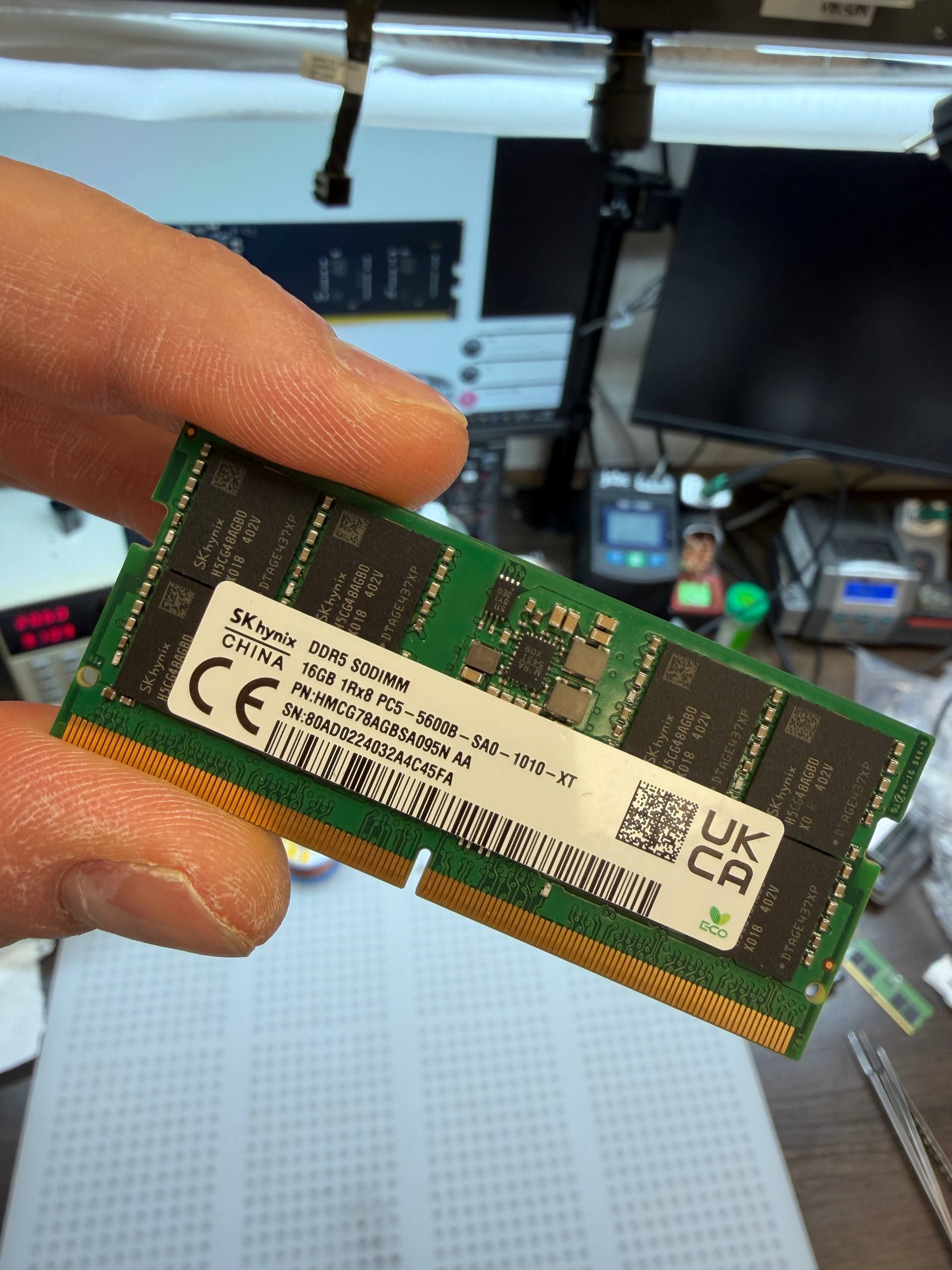
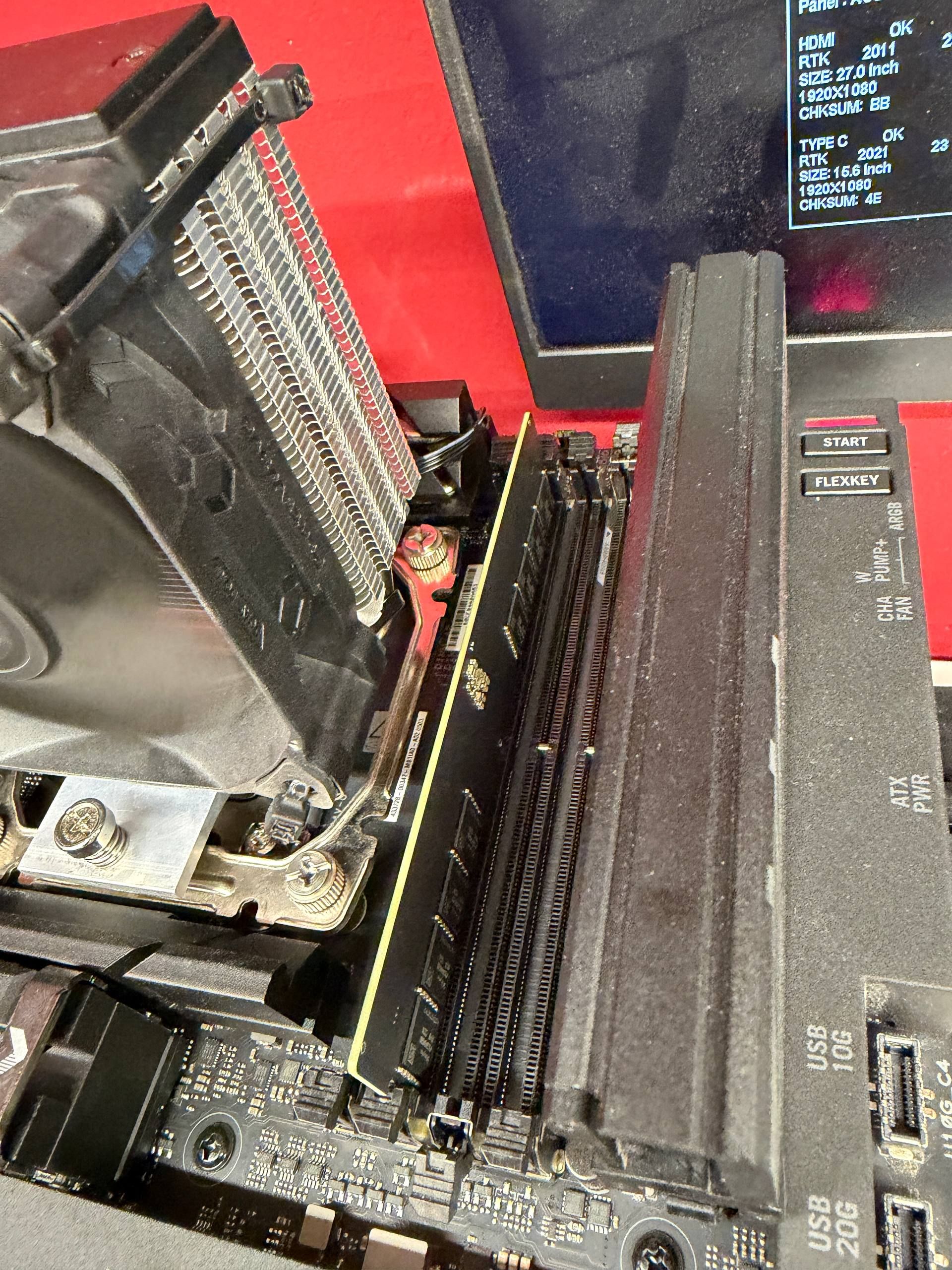
At the time of writing, VIK-on has yet to share the full benchmarks of his newly soldered DDR5 memory stick, but they have said it is stable while playing games so far. They also say that they intend to create more modules and will be shooting a video of their performance of it, so we can’t wait for that.
For that matter, VIK-on’s case is just one of many “janky” solutions that are being used by DIY PC enthusiasts. Hardware Canucks floated the idea of using laptop memory adapters as a workaround to the memory kit scarcity, but that solution is far from ideal, as you’d still need to source out laptop memory kits, which are equally as expensive and even more scarce than desktop RAM kits.
(Source: Videocardz)
