

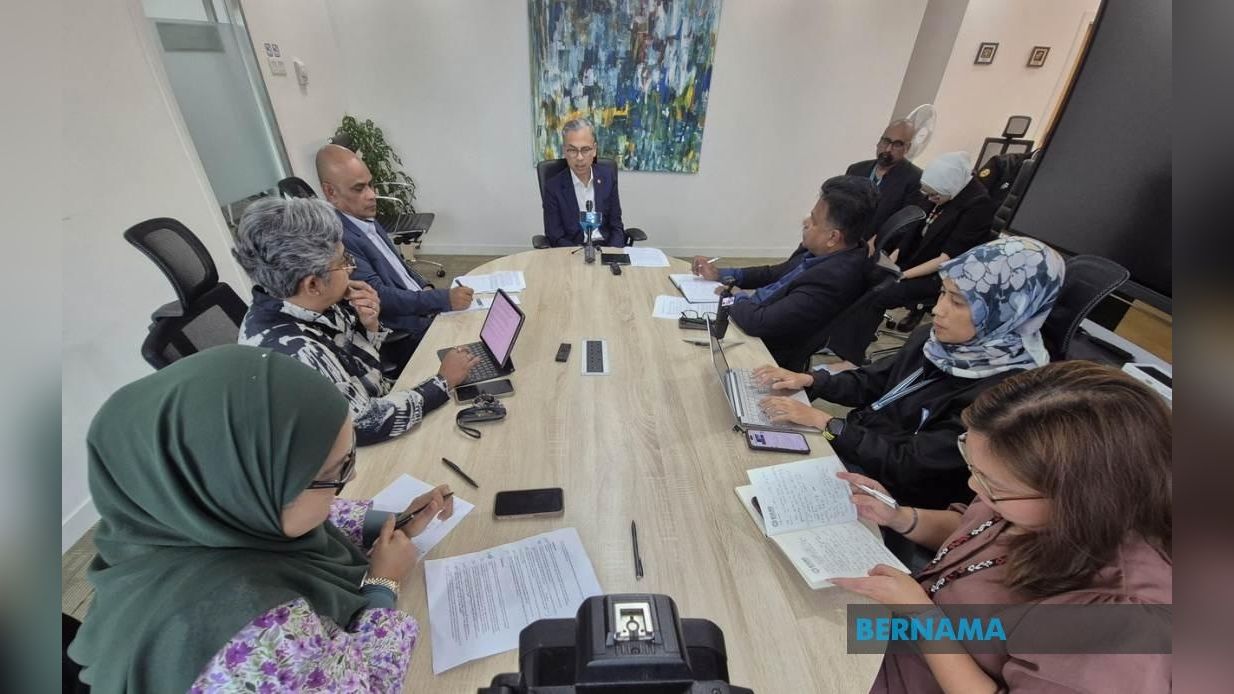
In a bid to further protect children online, the government plans to roll out a regulatory sandbox programme for social media starting on 1 January, 2026. This sandbox aims to strengthen child protection and enhance consumer safety online before authorities implement full-scale enforcement.
Communications Minister Datuk Fahmi Fadzil said the programme will allow authorities and platform providers to evaluate existing technical capabilities and test regulatory mechanisms in a controlled environment before wider implementation. The initiative will involve the Malaysian Communications and Multimedia Commission (MCMC) and selected social media platforms.
Furthermore, the sandbox process will allow regulators to evaluate a policy’s effectiveness, potential risks, and overall impact, while giving the industry room to adjust technical and operational capabilities to meet legal requirements. “Our approach isn’t about simply giving orders,” said Fahmi. “We invite all platforms into a space known in the technology world as a ‘sandbox’, so government objectives align with the platforms’ capabilities and tools.”
The Communications Minister said that the trial programme will run for several months so that authorities can ensure the measures are effective and resistant to manipulation. When commenting on Australia’s decision to ban social media use for those under 16, Fahmi said that Malaysia does not plan on adopting that solution, instead preferring a method that is better suited to the local context.

Fahmi also noted that Malaysia prefers the platform-proposed age verification system over Australia’s age assurance approach because it is easier to implement and enforce while protecting users’ privacy. He said, “I received a letter from the Facebook Regional Director, and in that letter he stated very openly and officially that Facebook is prepared to help with user verification using government-issued documents,” and clarified that the MCMC will likely adopt this approach.
Circling back to the regulatory sandbox, the Communications Minister noted that the system gives both the government and the platforms time and space to assess its effectiveness and address any weaknesses before a public rollout. The Communications Minister emphasised that if one approach proves unfeasible, the government will consider alternative options and ensure it can effectively manage any issues once implemented. Fahmi stressed that Malaysia will adapt its policies and implementation to fit the local context, even as it draws lessons from countries like Australia and Denmark.
(Source: Bernama)
