
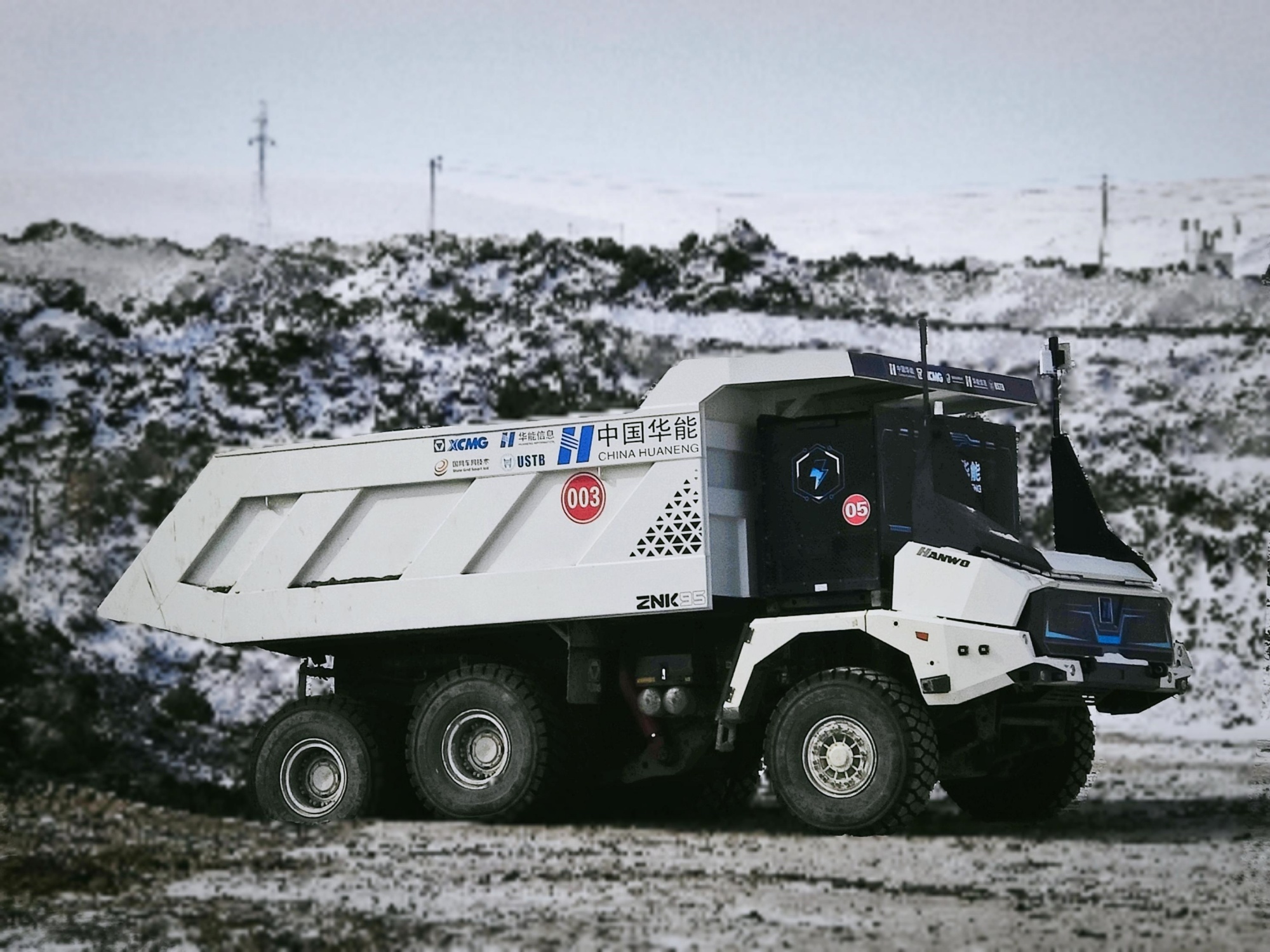
China has completed successful tests of its domestically developed 5G-powered unmanned mining trucks at the Huoshaoyun lead-zinc site, showcasing an advanced autonomous transport system designed to operate in one of the harshest environments on the planet. While the mine’s elevation presents extraordinary challenges, the real breakthrough lies in the technology powering these heavy-duty machines.
The vehicles used in the trials are Huaneng Ruichi autonomous electric mining trucks, China’s first cabin-less truck series. Despite their streamlined structure, the trucks carry a payload of up to 90 tonnes and remain operational even in severe cold, enduring temperatures as low as –40°C. They also deliver up to 120% of the overall efficiency of a manually driven equivalent, a performance level enabled by advanced perception hardware, smart routing systems and real-time data coordination.
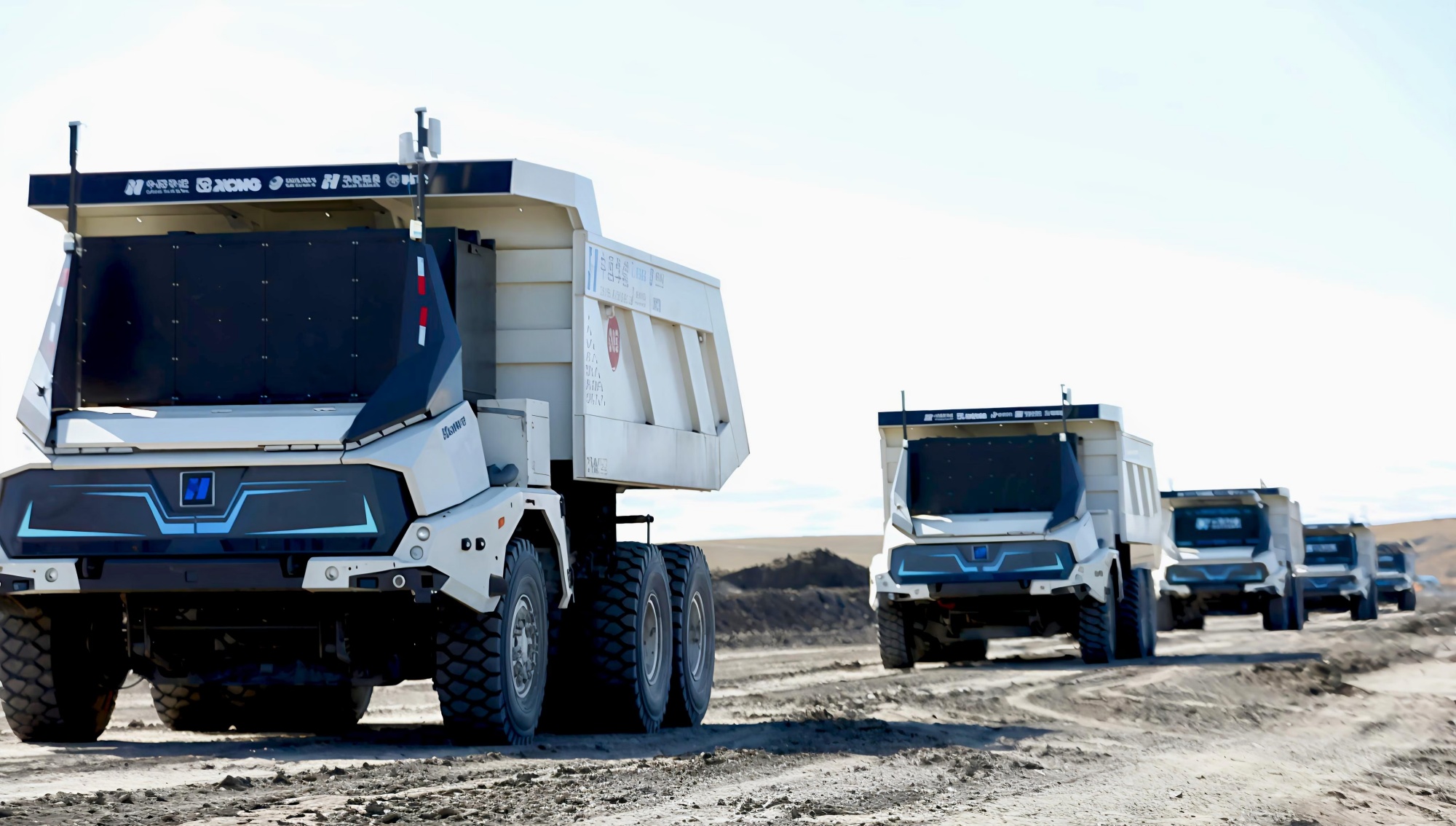
These trucks integrate multi-sensor fusion, real-time obstacle detection and 5G-enabled cloud-network coordination, allowing them to navigate steep, uneven terrain with precision. Huawei Cloud’s Commercial Vehicle Autonomous Driving Cloud Service (CVADCS) plays a key role here by providing crowdsourced, continuously updated mapping data. This allows the trucks to optimise routes dynamically, reduce downtime and maintain consistent productivity even under rapidly changing environmental conditions.
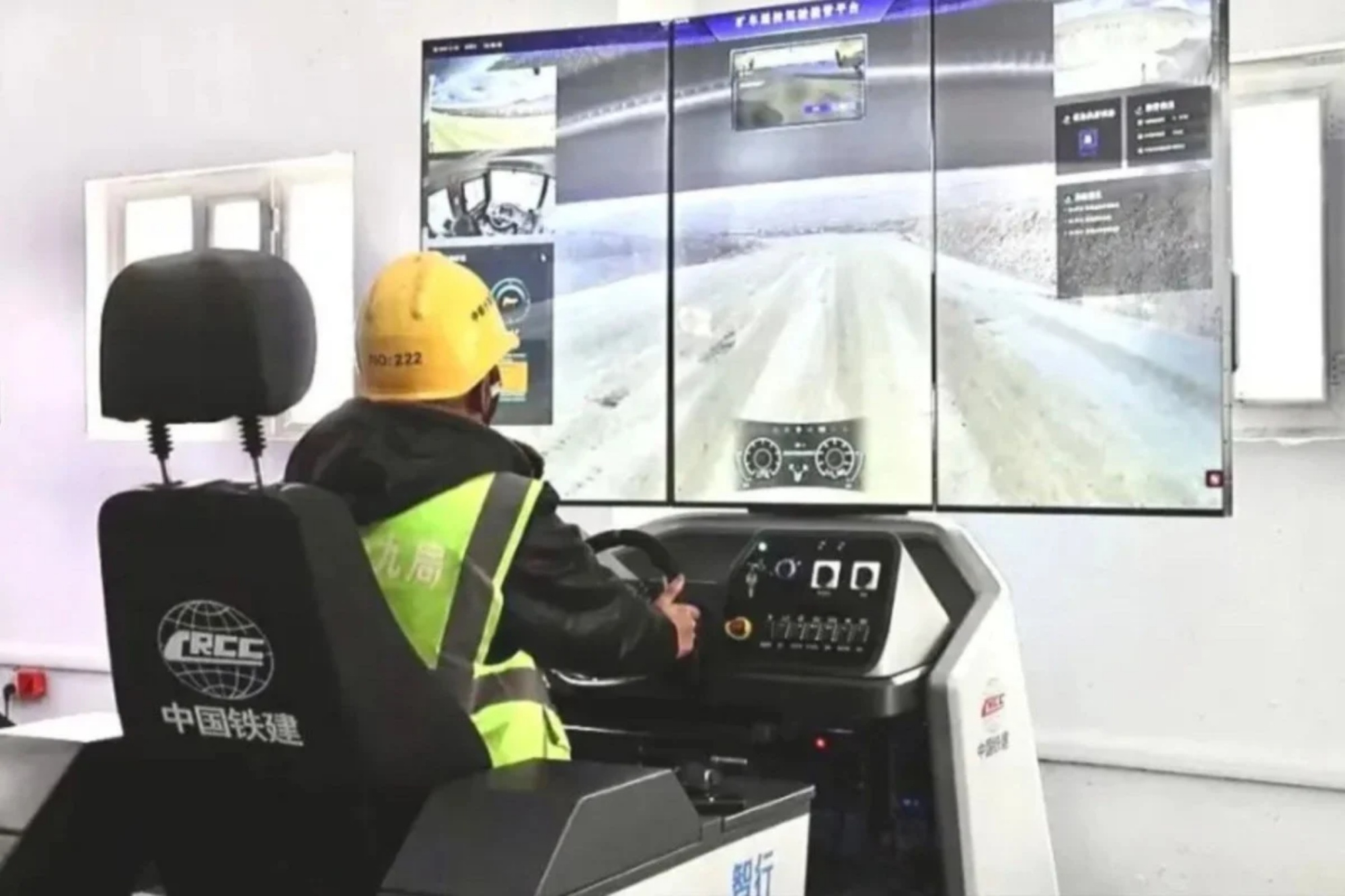
Although the fleet is built for full autonomy, a human safety layer still exists. Remote operators located thousands of kilometres away can instantly take over through simulation cockpits offering 360-degree visuals and precise control of steering, braking and loading systems. This setup ensures that operators can handle emergencies or unexpected surface changes safely without needing staff on-site. Prior to this, a fleet of 100 units began operations at the Yimin open-pit mine in Inner Mongolia earlier this year.
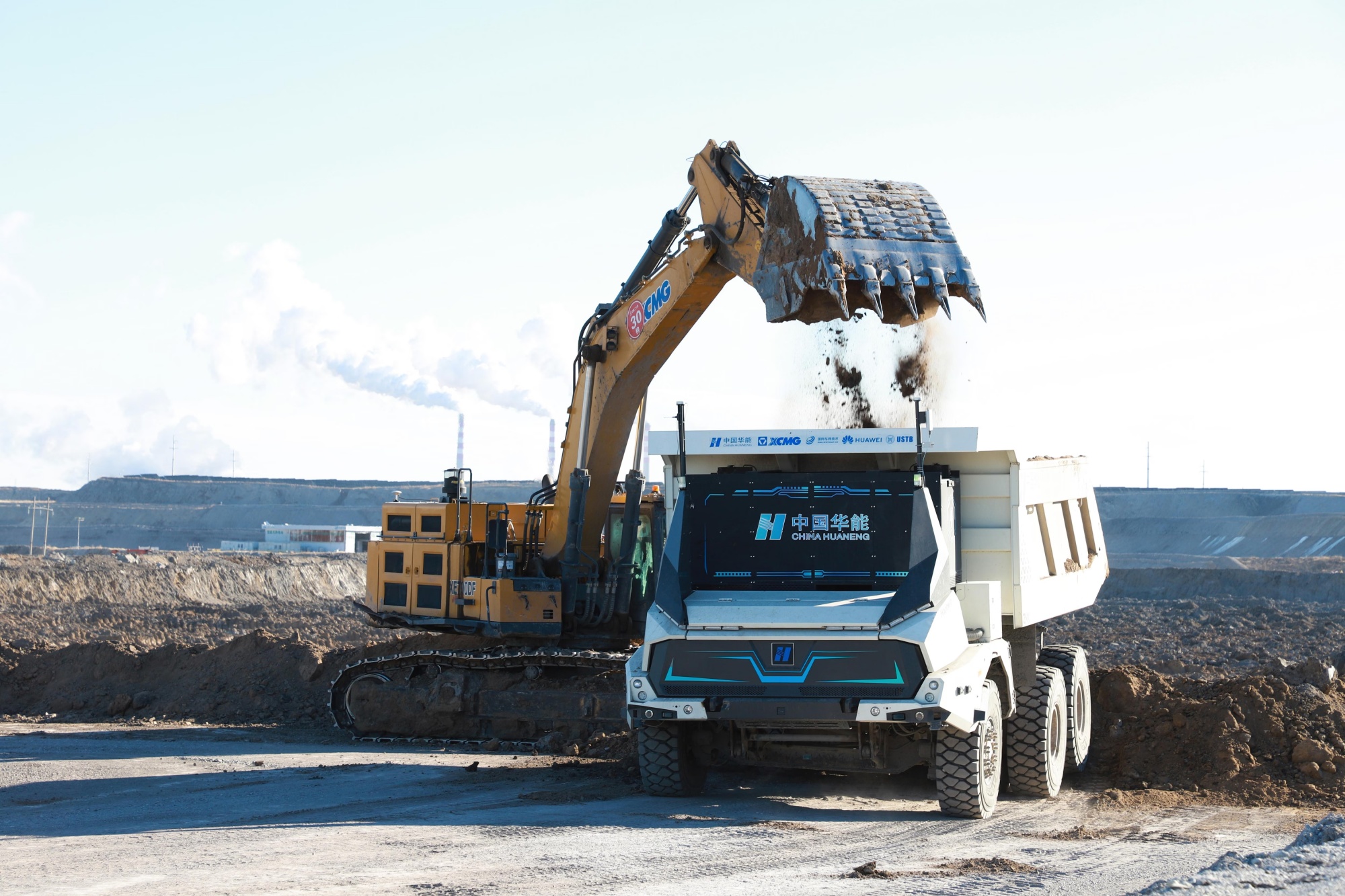
The long-term goal for this project is a fully autonomous “loading–transport–dumping” workflow. Excavators are also expected to join the same remote-operation network next, forming a complete, round-the-clock mining ecosystem. According to Chinese state media, this marks a major step forward in intelligent-mining development, particularly for sites where traditional labour is unsafe or impractical.
