
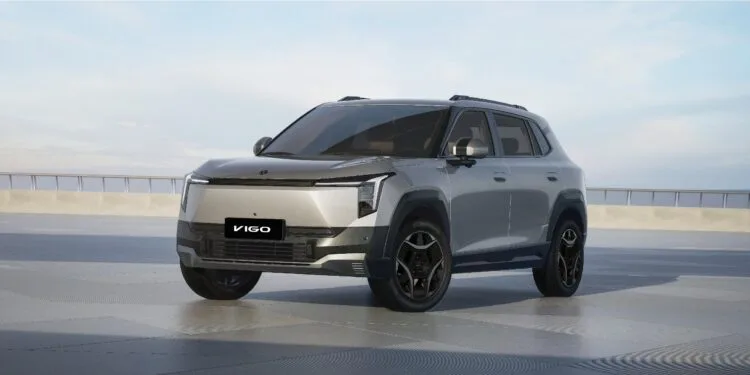
Dongfeng Motor Corporation’s electric vehicle (EV) franchise in Malaysia has attracted three potential bidders for its distribution and import rights from next year, according to a report by The Edge Malaysia. The parties are Sunway Bhd, Singapore-based Volt Auto Pte Ltd and Central Auto Distributors Bhd (CADB).
CADB is reportedly pursuing the franchise through an arrangement involving companies under the Berjaya group and Naza Corp Sdn Bhd. Another potential bidder is online used car platform Carro, although this could not be independently confirmed at the time of publication.
“The three — Sunway, VAM (Volt Auto Malaysia Sdn Bhd, which is wholly owned by Volt Auto) and CADB with the Berjaya and Naza groups — have thrown their hats into the ring,” a source says, adding, “Carro could be a potential bidder according to industry players.” All three bidders reportedly have existing business ties with Dongfeng, one of China’s four largest state-owned carmakers.
For those unfamiliar with the history of the companies, CADB held the Dongfeng EV franchise in Malaysia from 2024, before Dongfeng brought in Volt Auto, its exclusive authorised distributor in Singapore, earlier this year to work with CADB on distributing its EVs locally. CADB remains the approved permit (AP) holder for Dongfeng cars in Malaysia. Meanwhile, Sunway Bhd has been distributing Dongfeng commercial trucks in the country since 2021.
Volt Auto Faces Import Duty Issues

VAM is understood to have received operational assistance from Carro after around 400 Dongfeng vehicles it imported this year were held at Malaysian ports over unpaid import and excise duties, according to sources cited by The Edge Malaysia. A source said the vehicles started piling up at the port in March, with the outstanding duties estimated at RM15,000 per car.
Imported completely built-up (CBU) vehicles from China are subject to a 5% import duty and 10% excise duty. These duties and taxes must be paid to the Royal Malaysian Customs Department before the vehicles can clear customs and be registered. Tax exemptions for CBU EVs ended in 2025.
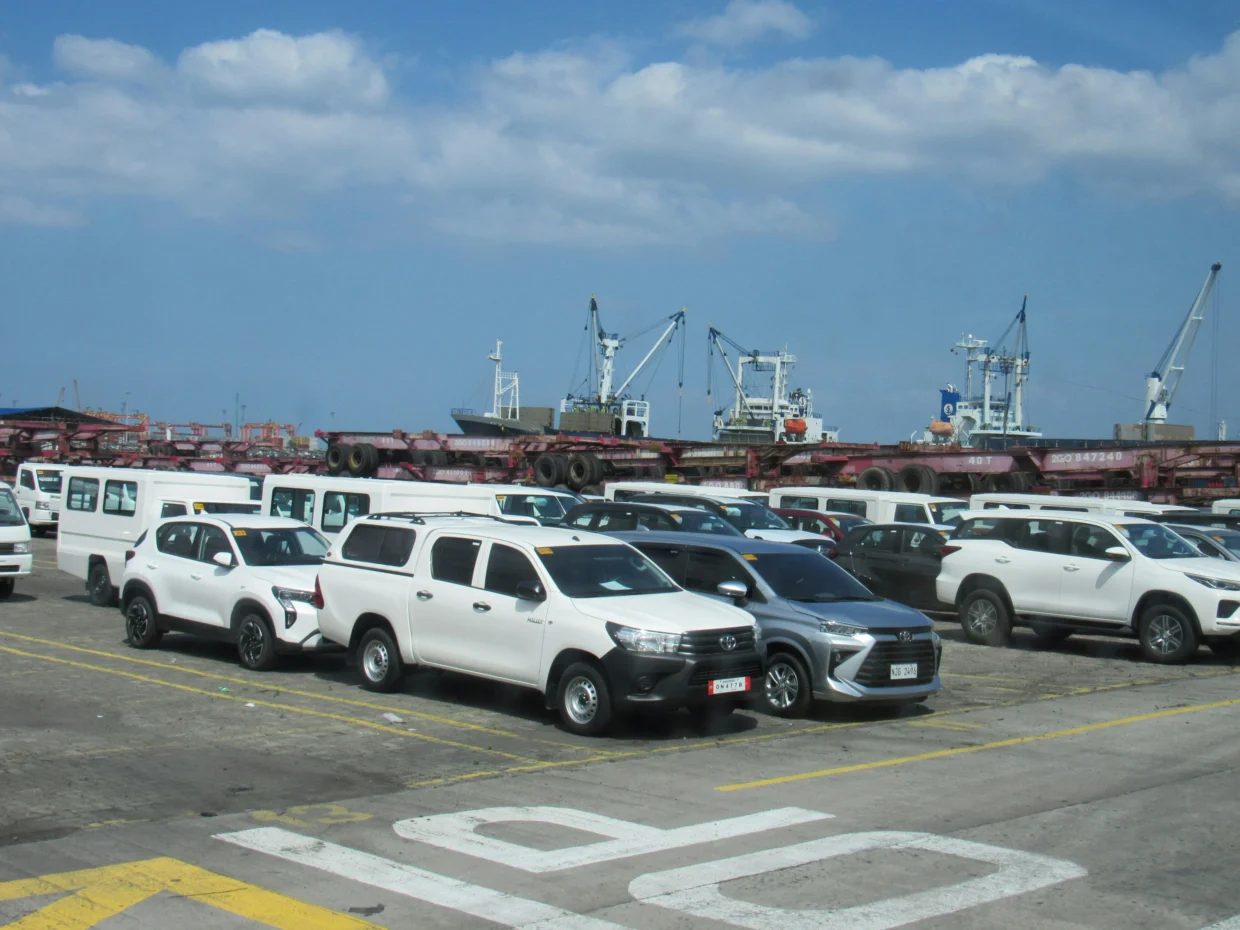
Based on the estimated RM15,000 in duties per vehicle, the total for all 400 units could reach around RM6 million. This excludes sales tax, storage-related penalties and other charges imposed by port operators and logistics providers. A separate source said 250 of the vehicles had since been cleared, leaving another 150 still held at the port.
Data from the Companies Commission of Malaysia (SSM) shows that VAM was incorporated in September last year with a share capital of RM5 million. Its financial statements were not available for review.
“It’s not common for cars to be stuck in a port like this … actually it is unheard of,” an industry player said. “You need to get the cars out of the port to generate revenue. If you don’t do that, you have nothing to sell.” Around 400 Dongfeng vehicles were sold in Malaysia last year, mostly through CADB, according to sources.
Local Assembly Could Decide Dongfeng’s Malaysian Franchise

Malaysia’s stricter rules on imported CBU EVs could make local assembly a deciding factor in the race for Dongfeng’s Malaysian franchise. Beyond selling the cars, prospective distributors may also need to show they can get local production up and running.
“The question is no longer just who can sell the cars, but who can get a completely knocked down (CKD) plant up and running. That will be a key factor in this round of bidding,” a source familiar with the matter tells The Edge on the basis of anonymity due to the subject’s sensitivity.

Pekema, an association representing bumiputera-owned businesses in the vehicle trade, was established in 1981. Its website lists 411 member companies, many of which are involved in importing foreign vehicles.
Volt Auto was founded in Singapore by entrepreneur Soh Ming, who was 28 at the time of the report. The company serves as Dongfeng’s authorised distributor in the city-state. Soh first entered the automotive business in 2021 with Icon Cars, a social media-driven car dealership he sold in 2023 before establishing Volt Auto.
(Image: Protean Electric)
In its report, The Edge Malaysia said Soh did not respond to its questions. CADB, meanwhile, declined to comment on the import issue or its reported involvement in the bidding. Sources familiar with the company said its senior management team had travelled to China the previous week to pursue the distributorship.
CADB was incorporated in May 2005. For the financial year ended Dec 31, 2025, it reported a loss after tax of RM6.97 million on revenue of RM12.34 million. Its total assets stood at RM18.08 million, while total liabilities amounted to RM24.83 million at the end of the year.
The local assembly question comes as Malaysia’s revised requirements for imported CBU EVs take effect. Since July this year, imported CBU EVs have been required to meet a minimum cost, insurance and freight (CIF) value of RM200,000 and a minimum power output of 180kW (245hp).
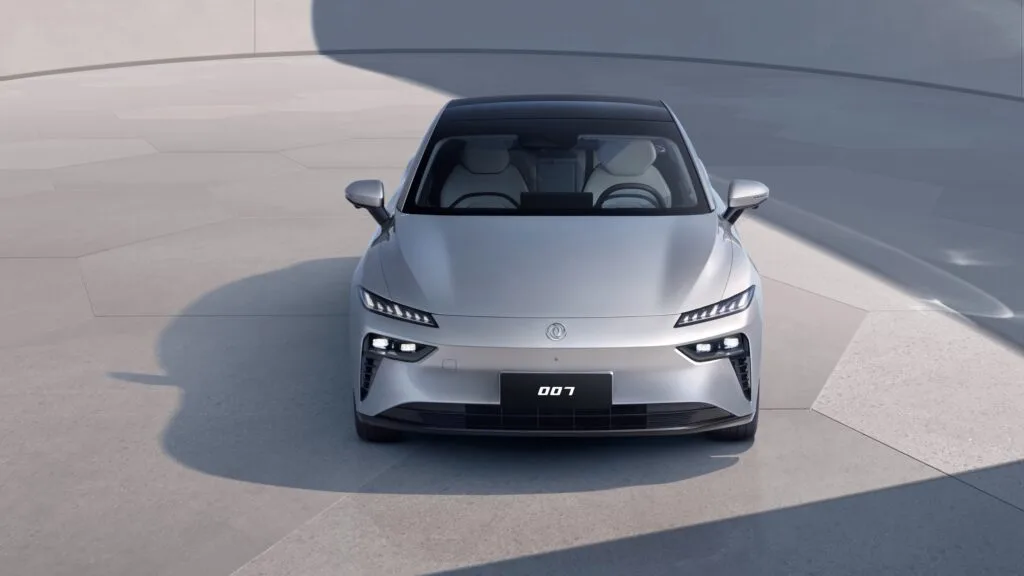
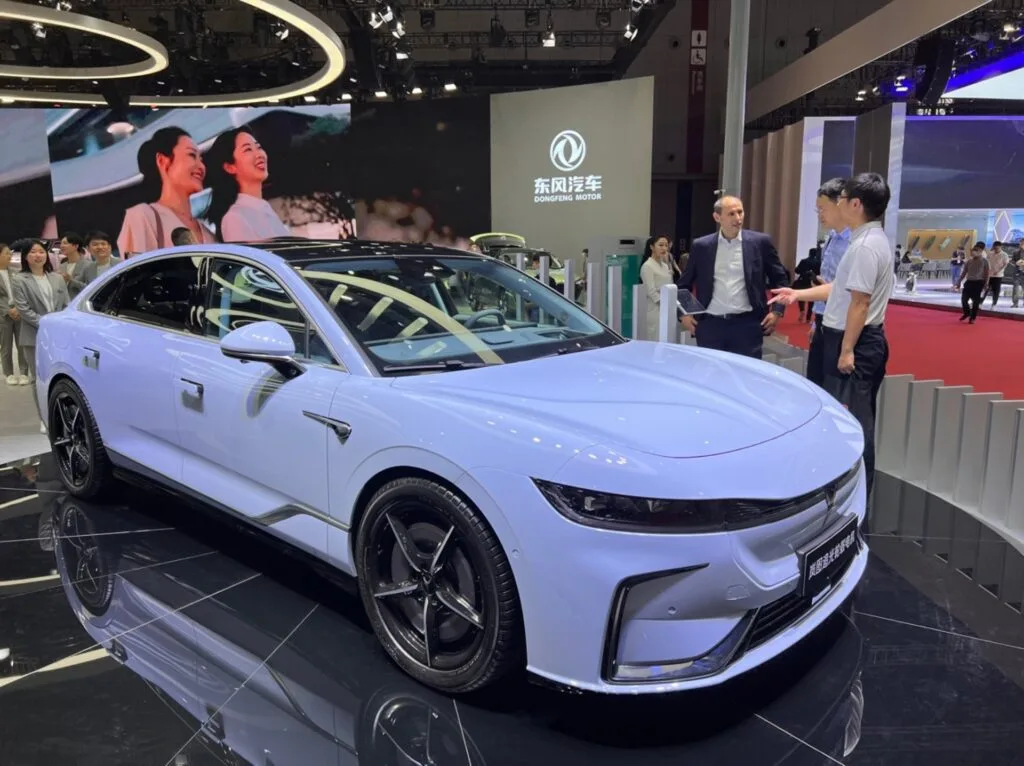
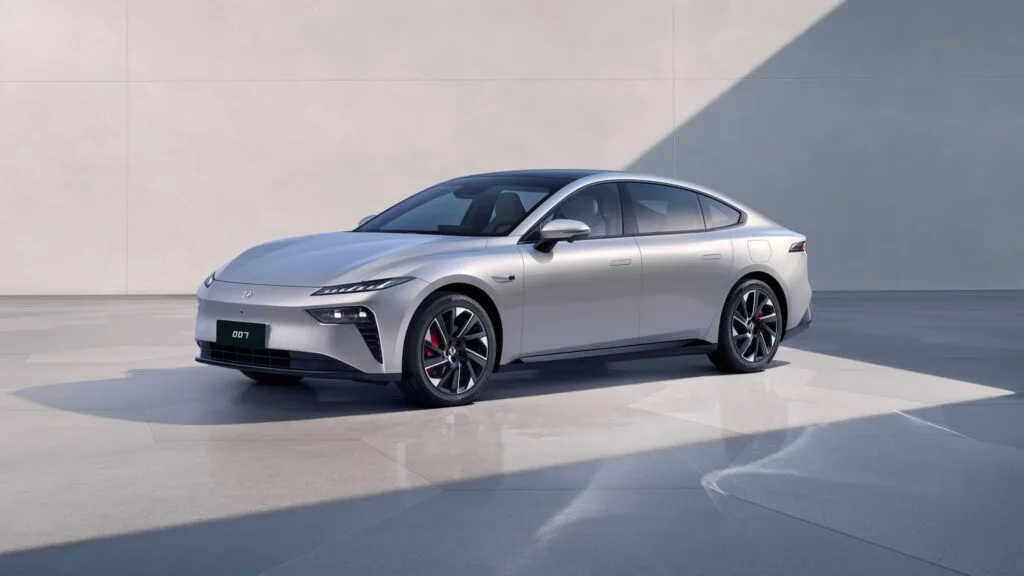
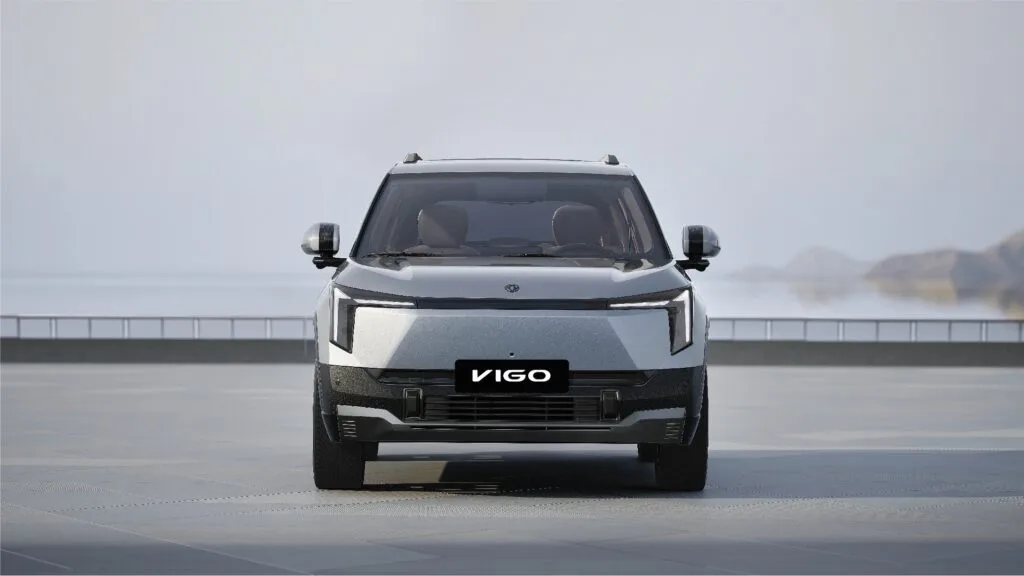
Dongfeng currently sells three EV models in Malaysia: the Box urban EV, the 007 sedan and the Vigo SUV. With prices ranging from around RM100,000 to RM200,000, the lineup targets buyers looking for more affordable EVs. However, the minimum CIF value requirement could complicate the importation of models positioned at this price point.
Volt Auto is reportedly planning to assemble Dongfeng EVs locally, with Soh previously indicating that CKD operations could begin sometime between 2026 and the first quarter of 2027. However, further details of the plan have yet to be made public.
CADB is also looking at local assembly, with the Berjaya group potentially playing a role in its plans. Berjaya Assets Bhd operates a plant in Tampoi, Johor, that already assembles vehicles under a CKD arrangement for Chinese EV brand Chery. According to a source, CADB hopes to use the facility as part of its bid for the full Dongfeng franchise, including importation and distribution.
Ultimately, the competition may come down to which bidder can offer Dongfeng a workable local assembly plan while continuing to serve Malaysia’s more affordable EV market.
(Source: The Edge Malaysia)
