
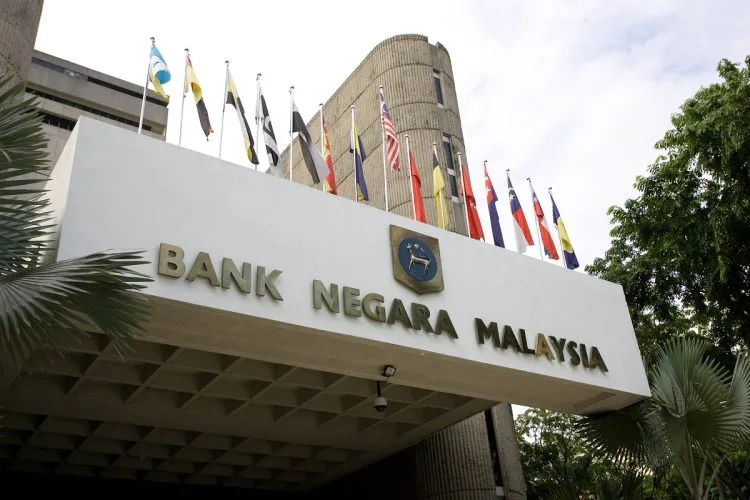
Malaysia’s banking industry and Payments Network Malaysia (PayNet) are working towards introducing industry-wide fraud alert capabilities. According to Bank Negara Malaysia (BNM), pilot testing involving selected banks is targeted for the first half (1H) of 2027.
BNM governor Datuk Seri Abdul Rasheed Ghaffour said the system will be able to warn banks and customers of potential risks before a transaction is completed. These alerts are intended to prompt customers to pause, think and verify a transaction before proceeding.

Fraud Alerts Could Add Friction For Customers
Speaking during his opening remarks at the International Conference on Financial Crime & Counter Terrorism Financing (IFCTF) 2026 today, Abdul Rasheed acknowledged that the new system could introduce additional interference for customers. This could also result in complaints, particularly if legitimate transactions are delayed or interrupted.
However, he said such measures are necessary to strike an appropriate balance between convenience and protecting customers from fraud, particularly those considered to be at higher risk. The planned system would also allow banks to make use of information gathered across the wider financial network rather than relying solely on their own data.

PayNet Flagged More Than 1,600 Suspicious Accounts
Abdul Rasheed revealed that PayNet has flagged more than 1,600 suspicious accounts, many of which were subsequently assessed as posing new related risks. He said this demonstrates the potential of network-level intelligence in identifying threats that may otherwise remain invisible to individual financial institutions. By sharing information across the network, banks can also identify patterns and risks that may not be apparent when examining transactions or accounts in isolation.

BNM Strengthens Fraud And Technology Risk Management
BNM has also strengthened its technology risk management and fraud prevention framework as financial institutions face increasingly sophisticated cyber threats and digital crimes. Abdul Rasheed said the revised risk management methodology policy document strengthens financial institutions’ resilience against technology-related risks, cyber risks and rapidly evolving digital crimes.
Looking ahead, Abdul Rasheed said the industry should move beyond direct information exchanges towards more structured partnerships that span different countries and make greater use of technology. He said public-private and private-private partnerships, underpinned by trust, sound governance and secure information-sharing mechanisms, could play a significant role in advancing intelligence-led efforts against financial crime.
(Source: Bernama, via The Star)
