
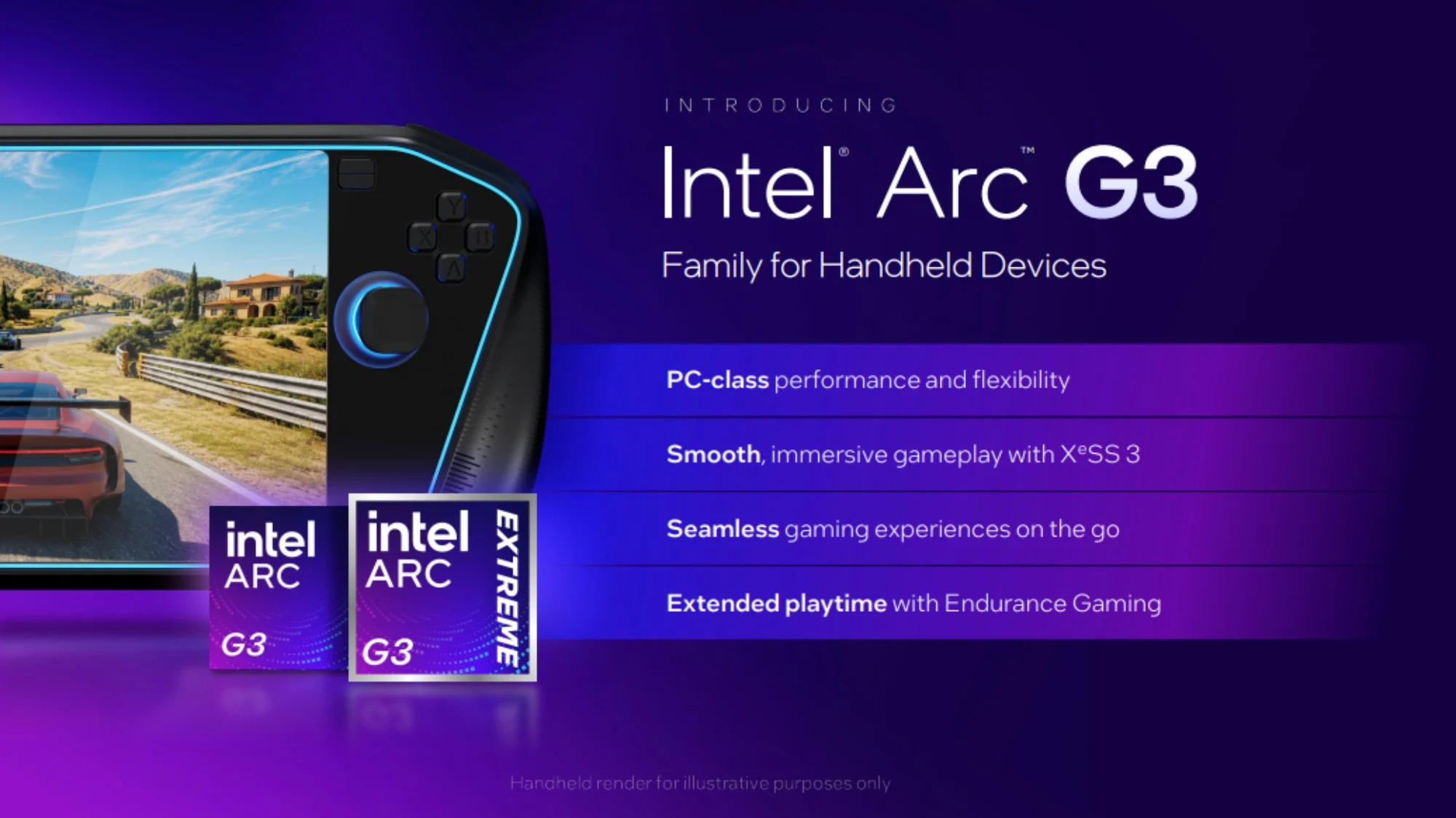
After much rumours and leaks, Intel has officially introduced its Arc G-Series processors ahead of Computex 2026, the new lineup of chips designed specifically for next-generation gaming handhelds. Built on the same Panther Lake architecture as the company’s Intel Core Ultra Series 3 processors, the new family aims to deliver a balance of gaming performance and power efficiency for portable gaming devices running Windows 11.
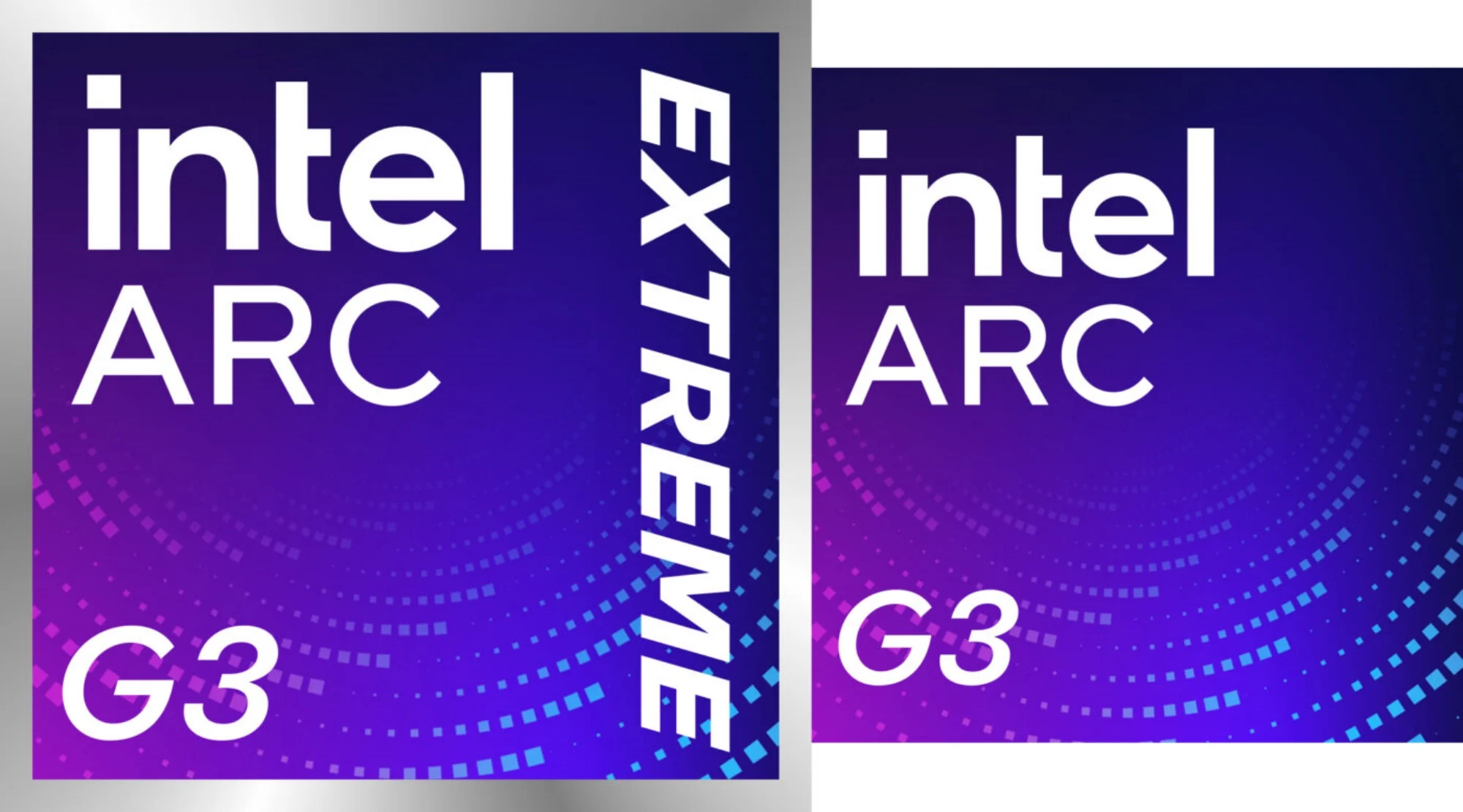
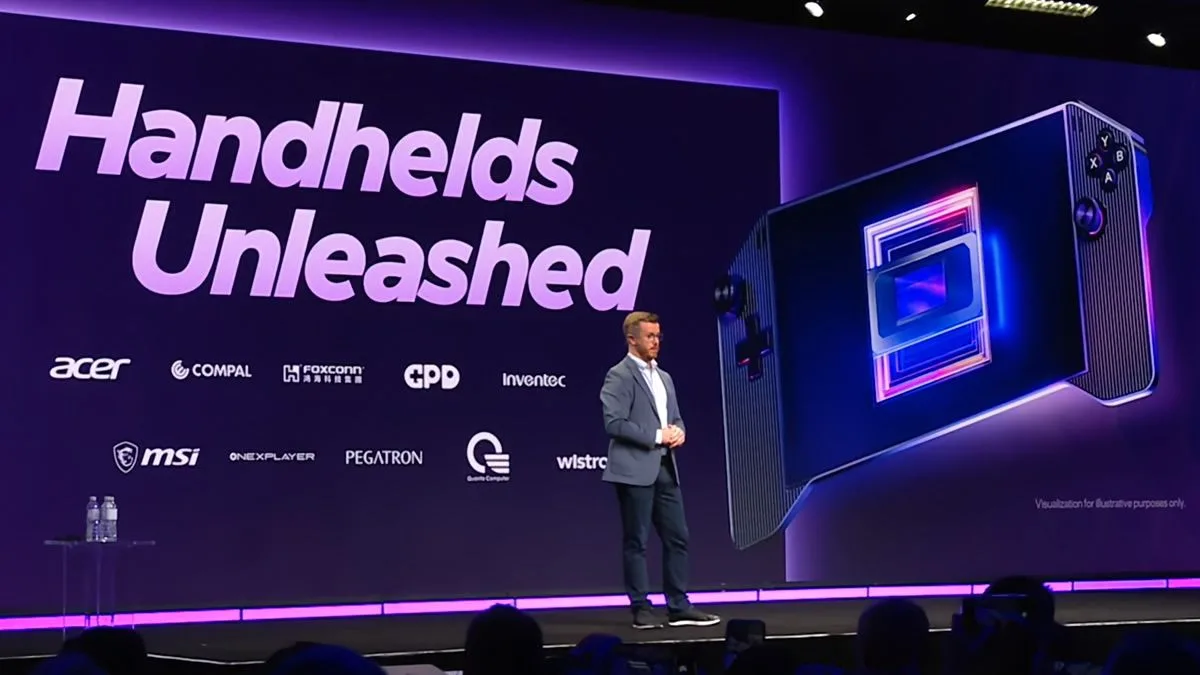
The initial lineup consists of the Intel Arc G3 and Arc G3 Extreme processors, both of which are expected to appear in upcoming handhelds from partners such as Acer, MSI, and OneXPlayer. Intel specifically named devices including the Acer Predator Atlas 8, MSI Claw 8 EX AI+, and future OneXPlayer models as early adopters of the platform.
Built Specifically For Gaming Handhelds
Intel says the Arc G-Series processors were developed specifically with handheld gaming in mind, including optimised core counts, power management, and software features tailored for portable devices. The chips reportedly feature two Performance cores, eight Efficiency cores, and four Low-Power Efficiency cores, all built on Intel’s new 18A process node.
The company is also placing considerable focus on improving the Windows handheld gaming experience. One of the headline features is support for Windows 11’s full-screen Xbox mode, which offers a controller-friendly interface designed to feel more like a traditional gaming console. This should reduce the need to navigate the standard Windows desktop interface, which has often been criticised for being cumbersome on handheld gaming PCs.
Xe3 Graphics And XeSS 3
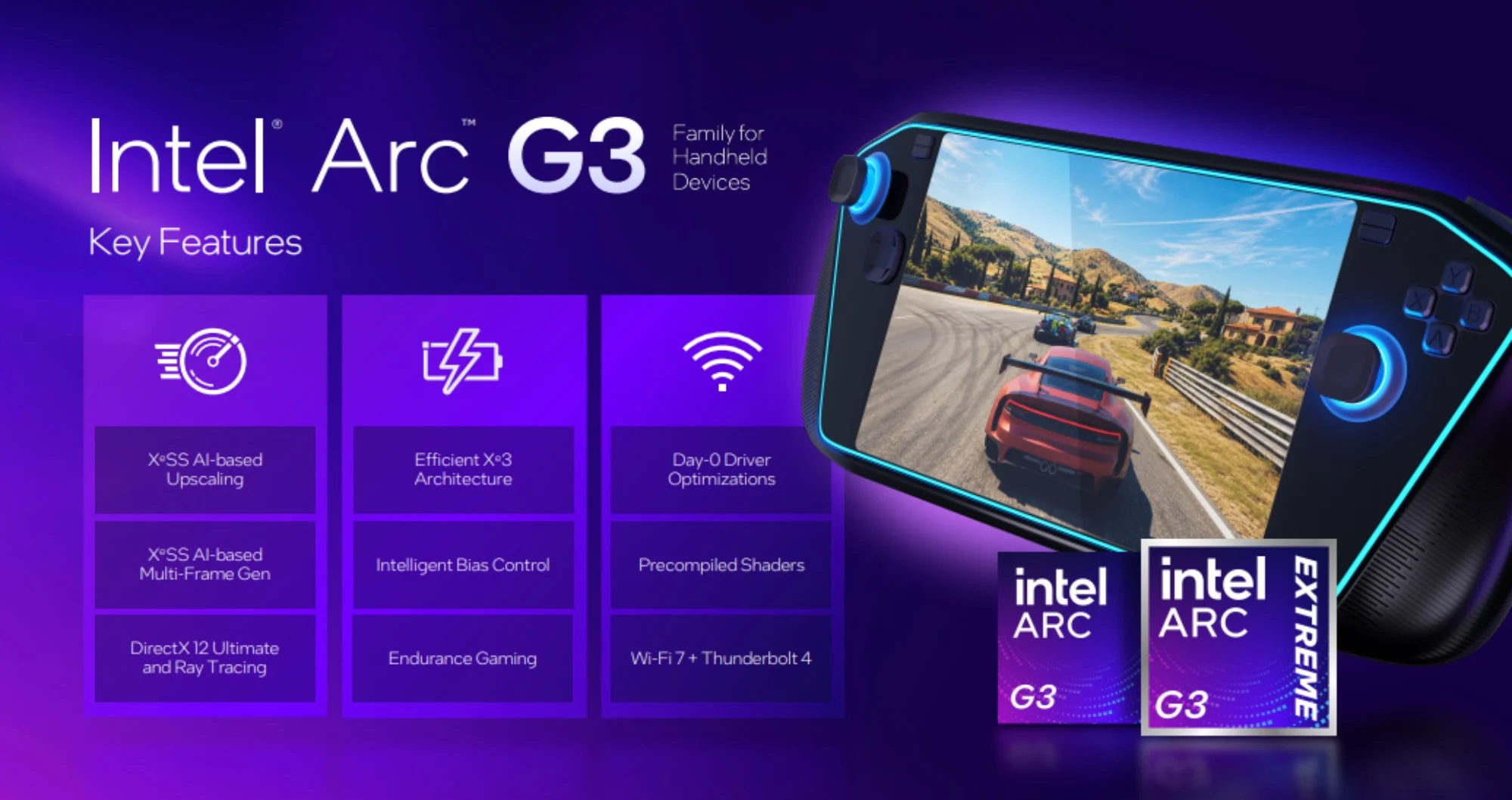
The main highlight of the new chips is Intel’s latest Xe3 graphics architecture, featuring up to Intel Arc B390 integrated graphics. This enables support for advanced gaming technologies such as real-time ray tracing and Intel XeSS 3, the company’s AI-assisted graphics enhancement suite.
According to Intel, XeSS 3 combines AI upscaling, multi-frame generation, and latency reduction features to improve both frame rates and responsiveness during gameplay. XeSS Super Resolution handles AI-based upscaling, while XeSS Multi-Frame Generation inserts additional interpolated frames to produce smoother visuals. Meanwhile, Xe Low Latency aims to reduce input lag for more responsive controls.
Faster Game Launches And Modern Connectivity
Intel is additionally introducing Intel Precompiled Shaders, a feature that downloads prebuilt shader files from Intel’s cloud servers for supported games. The company claims this can reduce shader compilation stutter and shorten game launch times.
Current supported titles include Black Myth: Wukong, Call of Duty: Black Ops 6, Call of Duty: Black Ops 7, and The Outer Worlds 2. Intel says more supported games will be added over time.
Meanwhile, connectivity features on the Arc G-Series platform include integrated Wi-Fi 7 R2 support, dual Bluetooth 6 connectivity, and Thunderbolt 4 with up to 40Gbps bandwidth. The company says this allows faster file transfers, support for external peripherals, and quicker movement of large game libraries between devices.
Availability
Intel and its hardware partners are expected to share additional details regarding Arc G-Series-powered handhelds during Computex 2026 next week. Systems featuring the new processors are scheduled to begin rolling out starting June 2026, with wider availability expected throughout the rest of the year.
