
Perhaps during one of your daily social media scrolls, you might have come across the phrase “Vine was better than TikTok”. For years, there have been calls for Vine to make a comeback, and now nearly a decade after its shutdown, a new app called “diVine” is attempting to bring that experience back.
For those who missed it, Vine was one of the earliest platforms to popularise short-form video content in the early 2010s, built around its signature six-second looping clips. Twitter acquired the service in 2012 when co-founder Jack Dorsey was leading the company, before shutting it down in January 2017.
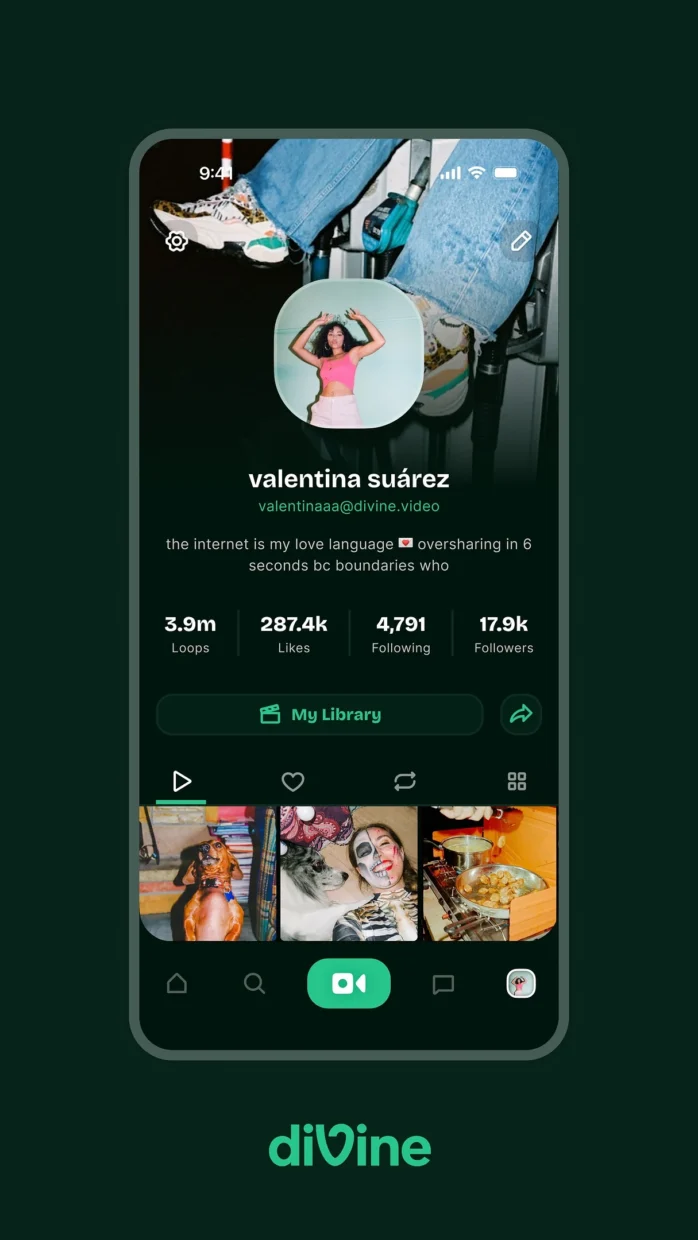
Stories of diVine first surfaced late last year, with Evan Henshaw-Plath confirmed as the platform’s CEO and founder, and Jack Dorsey backing the project. According to a recently published press release, diVine allows users to create and consume short-form videos, similar to how Vine worked. In addition to new content, the platform also provides access to over 100,000 archived Vine clips from its heyday. Despite this, the team behind the app emphasised that it has no affiliation with Vine, Twitter, or X.
On that note, the platform managed to beat Elon Musk to reviving the Vine archive, something he has been teasing for a while now. Unlike Grok, which he refers to as “AI Vine”, diVine has explicitly stated that it will not feature AI-generated content on its platform. Instead, it focuses on human-made videos while giving creators full control over what they publish.

Other than that, the app takes a deliberate approach to both its front-end and back-end design. Per the press release, the front end prioritises creativity over algorithm-driven recommendations. On the back end, the company highlights that it is built on the open protocol Nostr and is released as open-source software.
To enforce its ban on AI-generated content, diVine uses a cryptographic system built on Nostr to help verify the authenticity of videos. After reviewing the content, the system labels each video as either human-made or AI-generated.
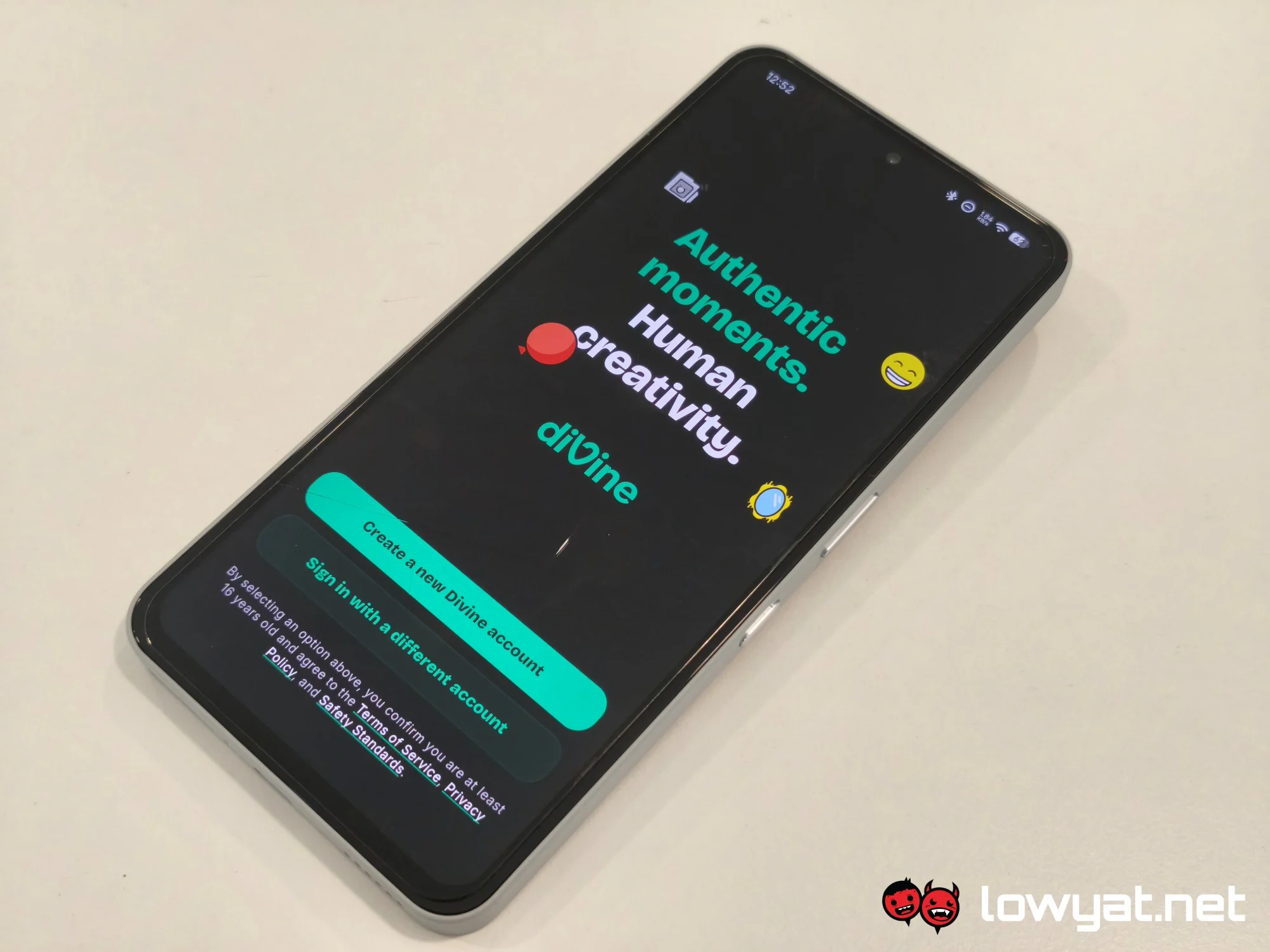
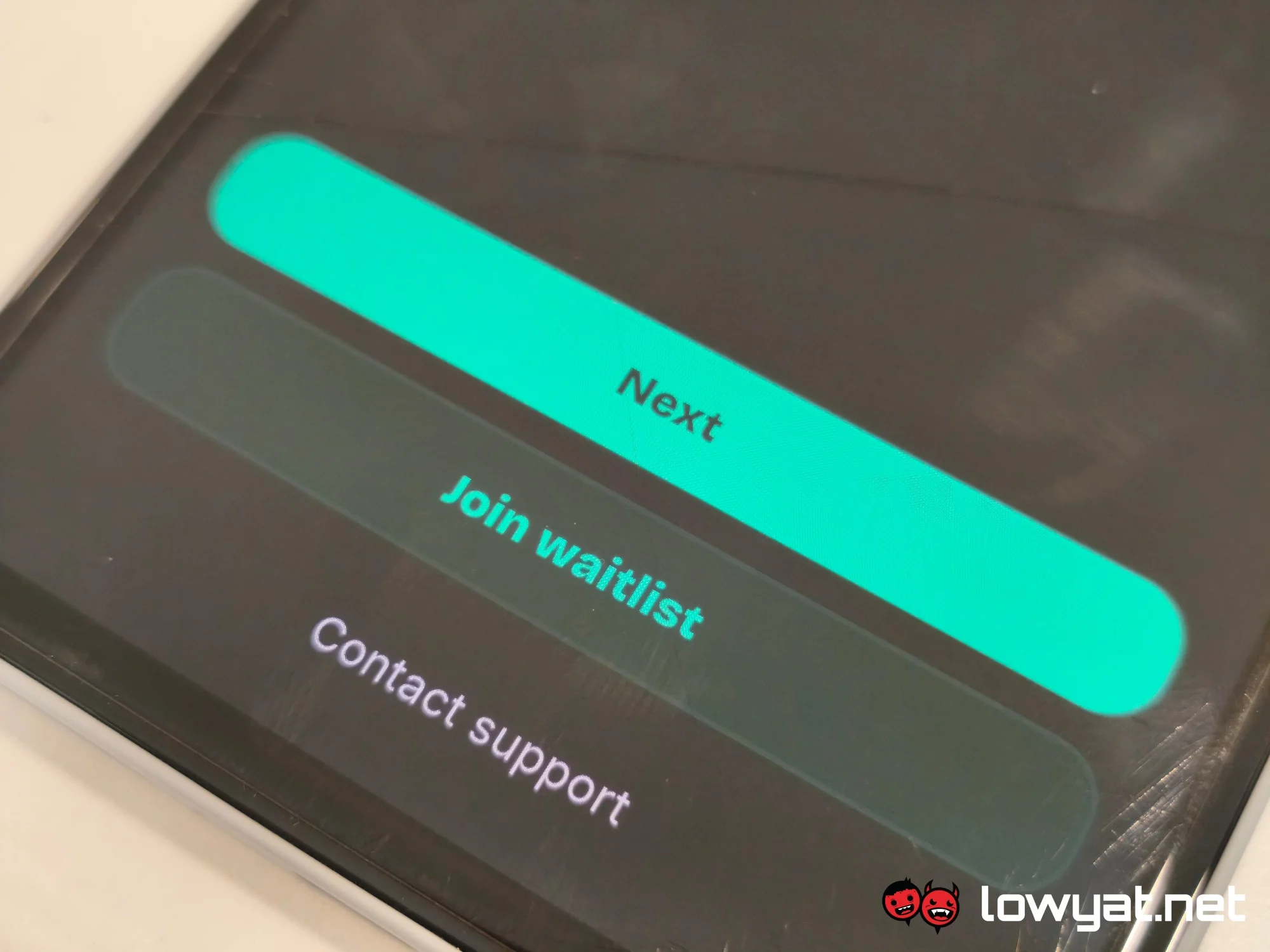
Users can visit the live website or download the app via the Apple App Store, Google Play, and Zapstore. Access is currently invite-only, but the company is planning a wider rollout in the coming months. Those interested can also sign up for a waitlist.
(Source: diVine [blog])
