

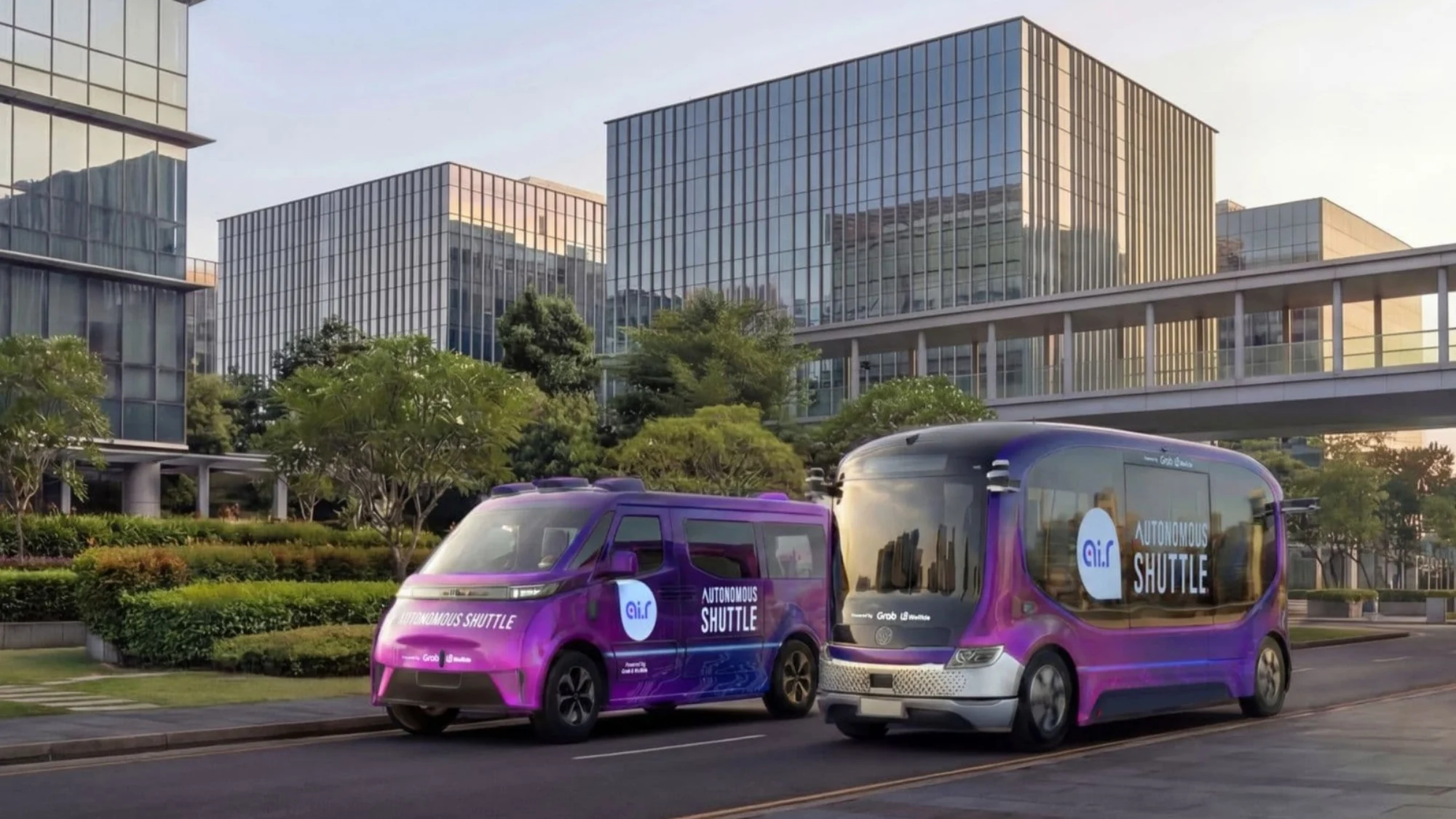
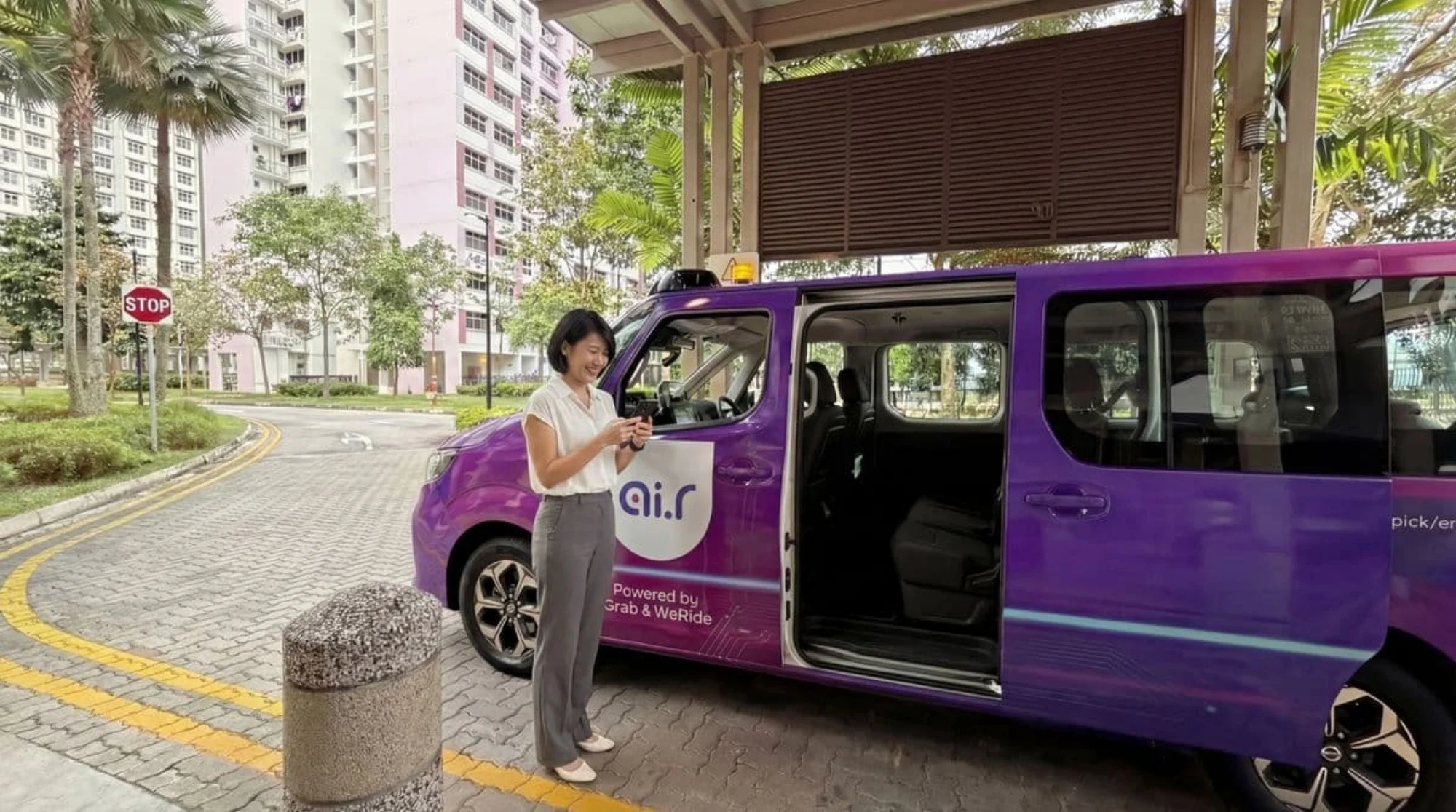
Ride-hailing companies across the globe have been steadily introducing autonomous vehicle (AV) services over the past couple of years. Now, robotaxis are rolling out much closer to home, with Grab introducing its own autonomous passenger service in Singapore. This service is the product of the company’s partnership with robotaxi operator WeRide and is the first of its kind in the country.
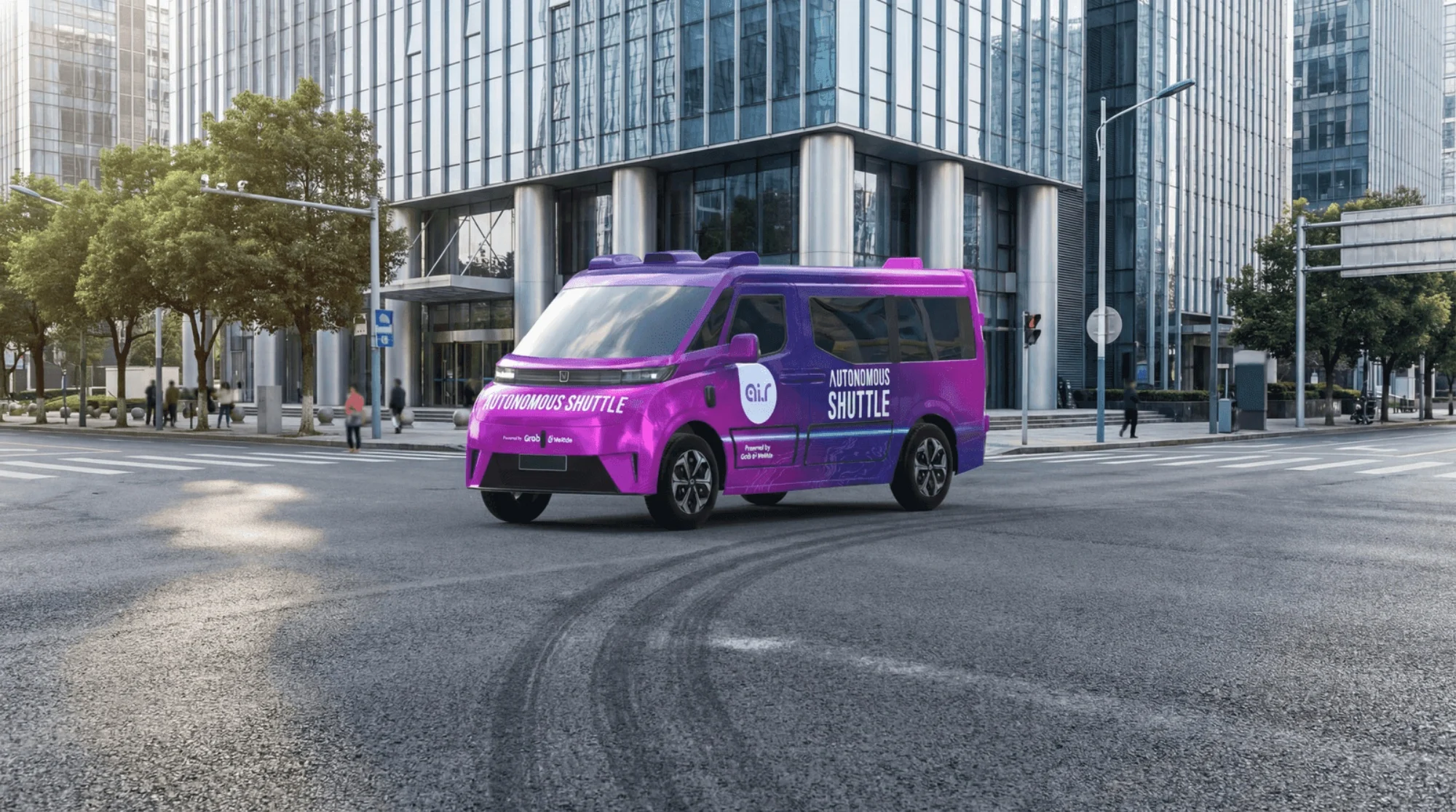
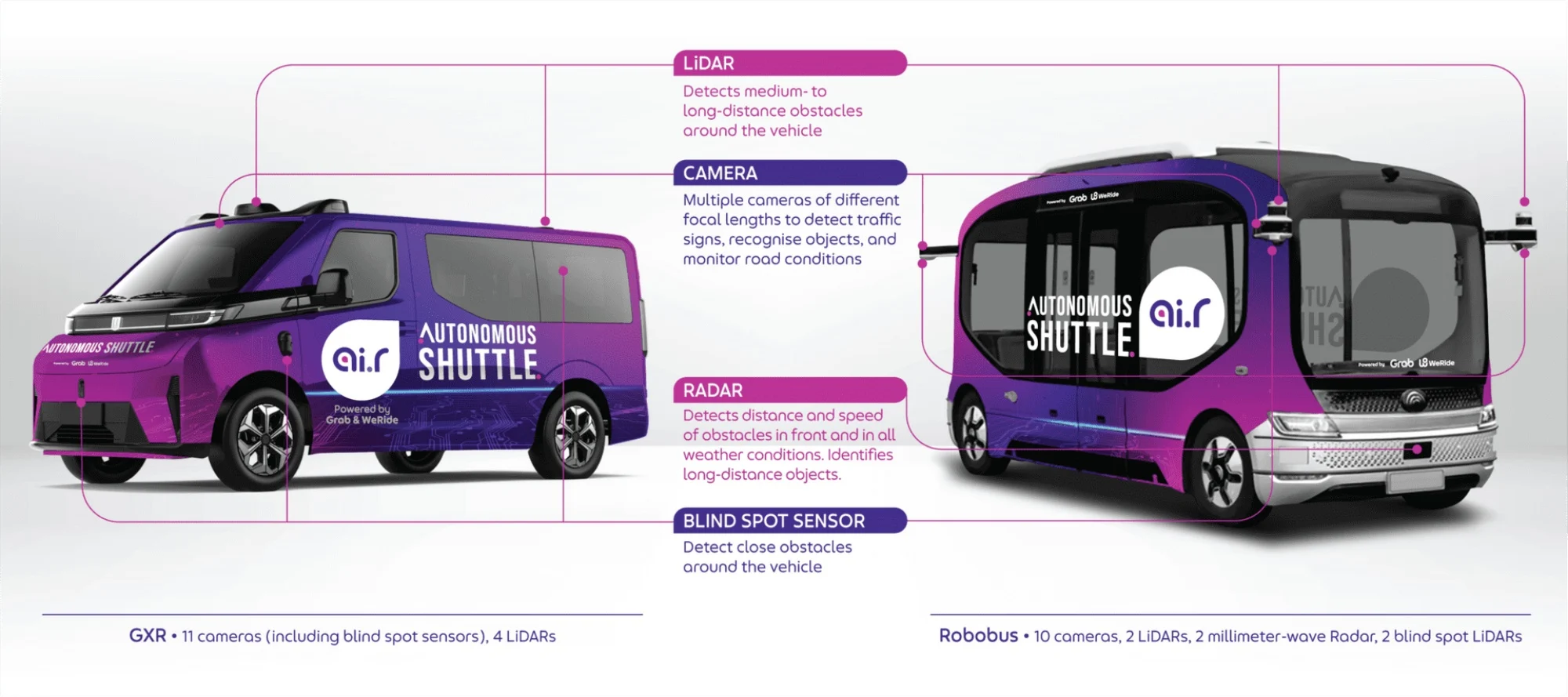
For now, the Autonomously Intelligent Ride, or Ai.R as Grab calls it, is limited to two routes within the Punggol neighbourhood. The service relies on an 11-vehicle fleet comprising WeRide’s GXR and Robobus models and operates on weekdays from 9:30 AM to 5:30 PM. At the moment, the rides are available for free, but commercial service is set to begin sometime in mid-2026. In the meantime, the company is seeking feedback from passengers.
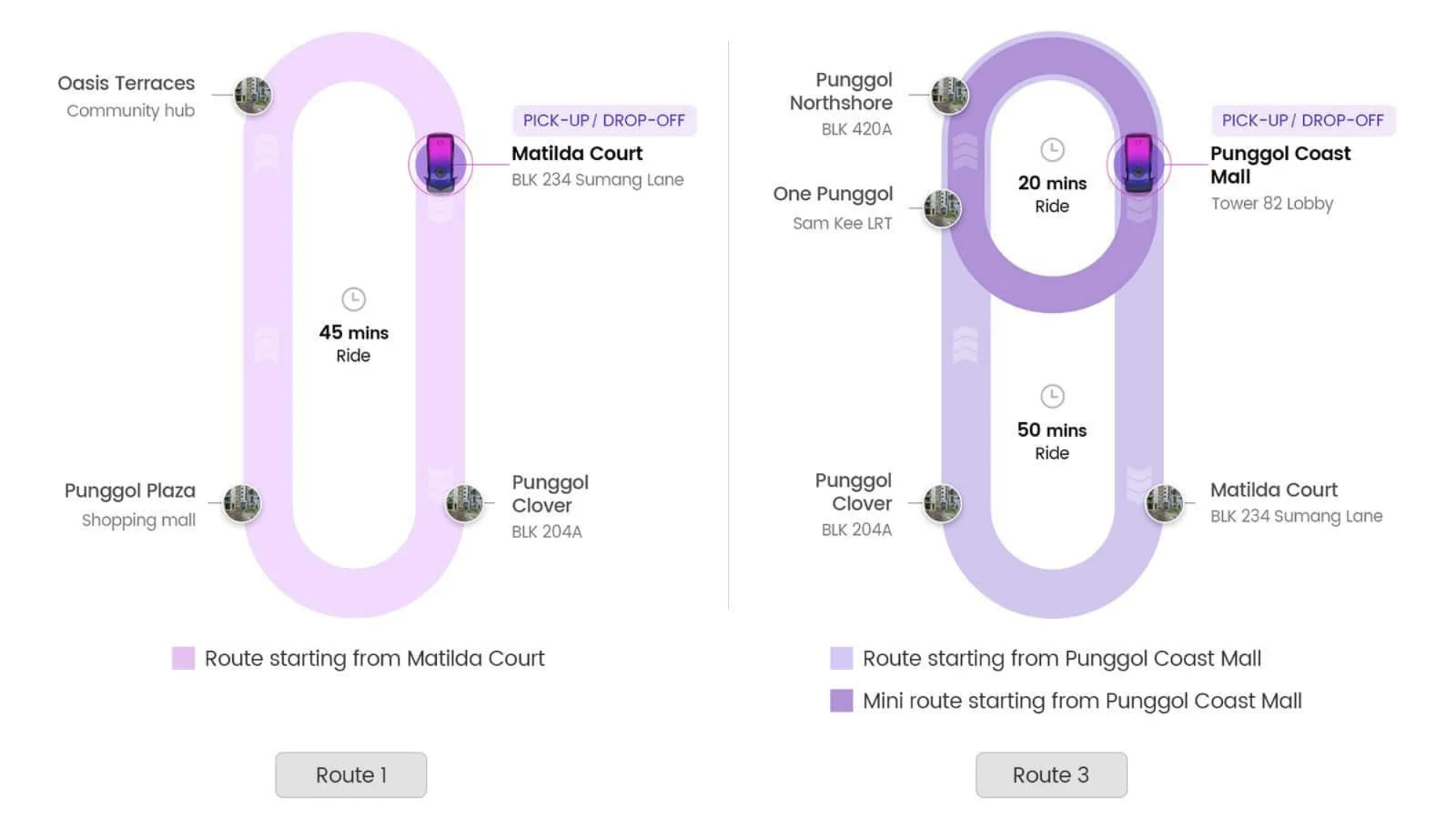
This initial public rollout follows a testing phase, which spanned several months. According to Grab, the Ai.R fleet has safely ferried more than 1,000 passengers since January 2026, clocking 30,000km of autonomous mileage. These vehicles are trained on their assigned routes to recognise details like traffic lights, zebra crossings, and speed limits to ensure smooth navigation.
Shifting driver-partner roles
As Grab continues to refine Ai.R, the company is preparing its driver-partners for the transition to AV services. During the initial phase of public rides, safety operators will be on board to ensure a smooth journey. These personnel are tasked with monitoring the vehicles and taking manual control in emergencies. Other than that, they are responsible for reporting any system malfunctions and coordinating with authorities if necessary.
According to the company, these operators are driver-partners who have undergone specialised training. So far, 14 Grab driver-partners have successfully completed the training with WeRide and GrabAcademy, while another batch is currently enrolled in the programme.
That said, WeRide and GrabAcademy have also started remote operator training. Here, participants learn to monitor the fleet remotely from an operations command centre, instead of remaining in the driver seat.
Safety aboard AVs
As we move into the era of robotaxis on the road, there is one increasingly pressing matter. Previous incidents involving AVs cast doubt on the safety of these vehicles. Recently, an apparent system failure resulted in a robotaxi outage in Wuhan, China. The incident involved at least 100 Baidu Apollo Go vehicles, which stopped in the middle of roads. Some passengers were left trapped in the vehicles for almost two hours. Prior to this, a robotaxi operated by Apollo Go carrying a passenger fell into a construction pit in Chongqing.
While one may brush these occurrences off as the fault of a single company, Baidu is not alone here. Back in December 2025, Waymo self-driving taxis stopped working in San Francisco due to a massive power outage in the city. Of course, this was an unforeseen circumstance, but it did leave the robotaxis paralysed at intersections, leading to traffic congestion. Ultimately, it showed how unprepared Waymo was to deal with the situation.

All things considered, AVs as a whole are still developing. One can hope for safety improvements as the technology matures, preferably by the time the robotaxis make their way here. On that note, Grab and WeRide are planning to deploy AVs across Southeast Asia, although the companies did not mention Malaysia specifically. Meanwhile, Baidu is reportedly looking to bring its Apollo Go AVs to our streets.
