


The Ministry of Investment, Trade and Industry (MITI) has clarified that conditions imposed on BYD’s proposed local assembly plant are not brand-specific, but part of a framework applied to all high-volume automotive projects in Malaysia. The ministry said these measures aim to promote sustainable, high-value local assembly while safeguarding the existing vendor ecosystem. This follows a recent report by The Edge, suggesting that BYD may reconsider its planned CKD facility in Tanjong Malim after failing to agree with MITI’s terms.
The ministry said the rules are non-discriminatory and have been consistently enforced since September 2025 for all new automotive investments, except those utilising existing local assembly facilities. The framework aligns with the National Automotive Policy (NAP) and the New Industrial Master Plan 2030 (NIMP 2030), both of which aim to push Malaysia towards higher-value manufacturing.
Among the key requirements is an export-oriented production model. While reports claimed that only 20% of output could be sold locally, MITI clarified that this reflects a policy to prioritise exports, leveraging Malaysia’s free trade agreements and regional supply chains.
RM100,000 Minimum Price, Not RM200,000
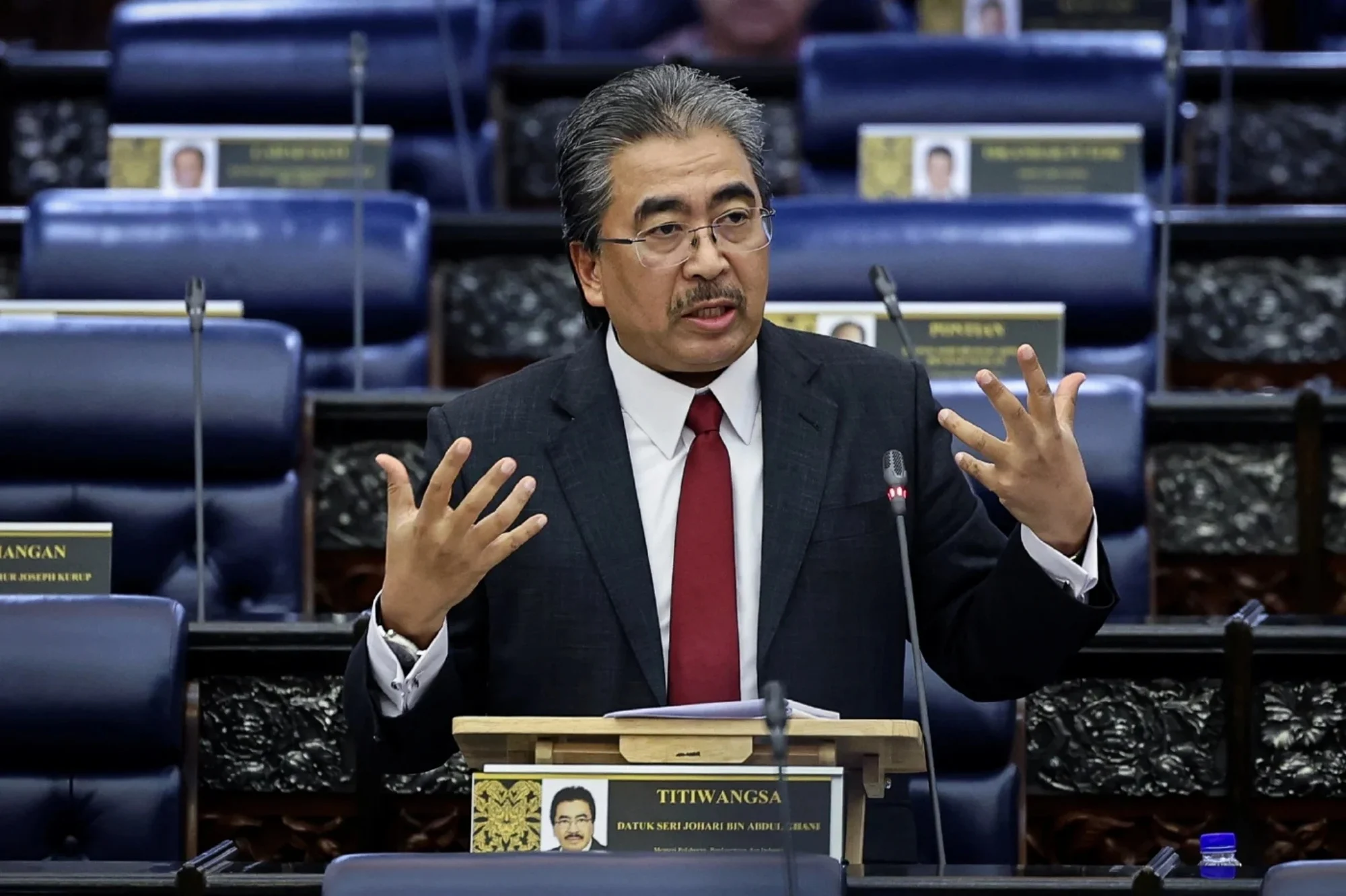
Addressing claims about pricing restrictions, MITI minister Datuk Seri Johari Abdul Ghani in a statement said the reported RM200,000 minimum price threshold is inaccurate. Instead, the actual condition sets a minimum on-the-road (OTR) price of RM100,000 for locally assembled BYD vehicles sold domestically.
According to Johari, this ensures that CKD operations focus on higher-value segments while preserving market space for national carmakers such as Proton and Perodua. At the same time, the pricing floor still allows for relatively accessible EV offerings within the local market.
Production Cap And Local Value-Add Requirements
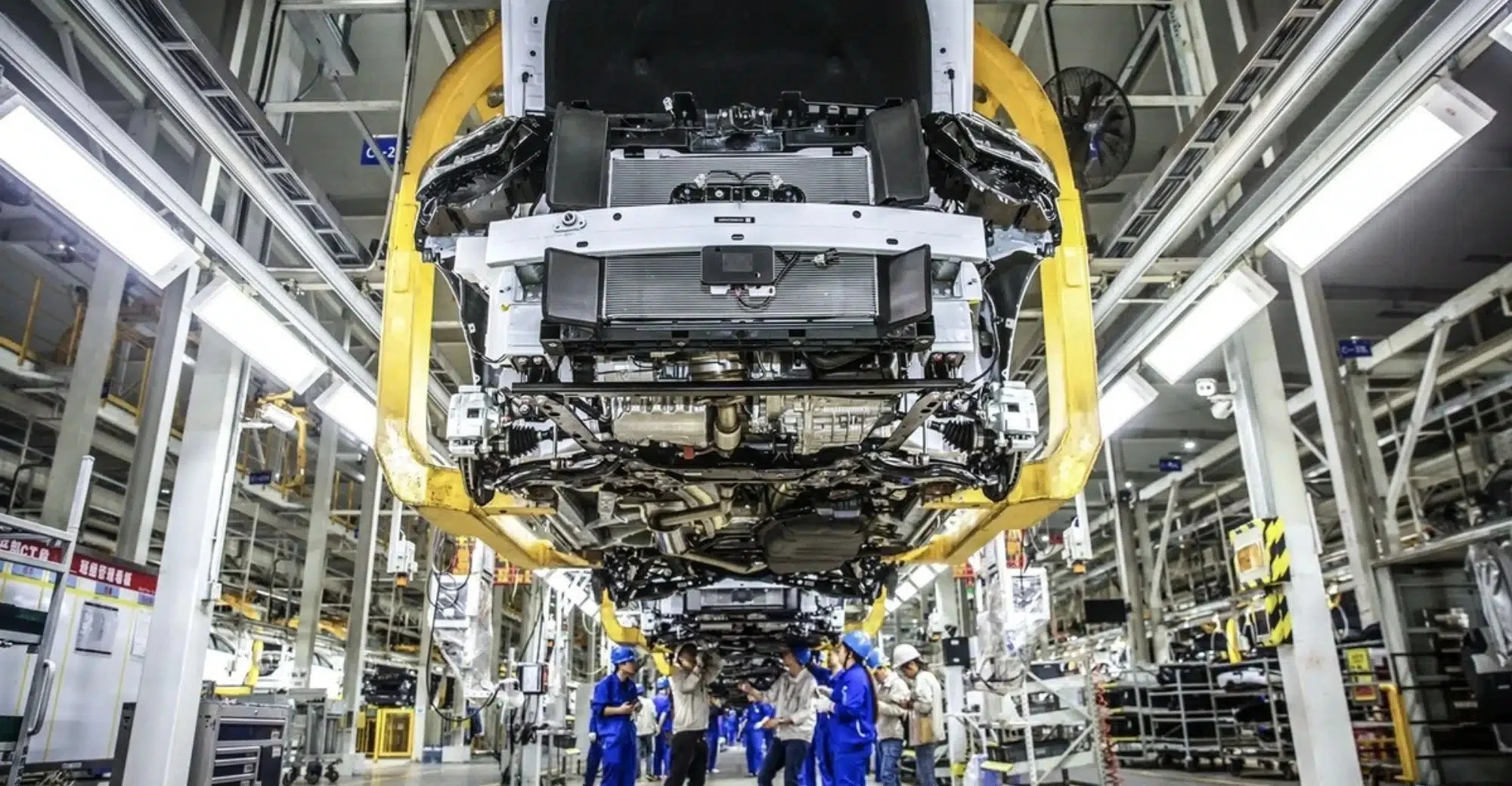
MITI also outlined additional conditions tied to BYD’s interim manufacturing licence, which was granted on 29 September 2025. The licence allows the company to assemble passenger energy-efficient vehicles (EEVs), including EVs and plug-in hybrid models. Under these terms, domestic sales are capped at 10,000 units annually, representing 20% of total production. The remaining output is intended for export markets.
The ministry also requires a certain level of local value-add. Assembly operations must include in-country body shop, paint, and trim processes, while fully finished painted body shells (PBS) are excluded from local value calculations and must be sourced domestically. Other components, however, may still be procured globally.
Malaysia Still Open to Chinese Investment
MITI reiterated that Malaysia remains open to foreign automotive investments, including from China. As of December 2025, 14 out of 34 foreign automotive brands operating in the country are Chinese, including BYD, Chery, Jaecoo, Jetour, Haval, Wey, MG and Volvo.
The ministry pointed to recent developments as evidence of this openness, noting that Chery Automobile Co Ltd received its manufacturing licence in June 2025 and has already begun construction of its plant at the Beringin High-Tech Automotive Valley. “These approvals demonstrate that Malaysia’s policy framework encourages meaningful, high-value participation rather than acting as a barrier to entry,” MITI said.
No Ban on Pickup Imports
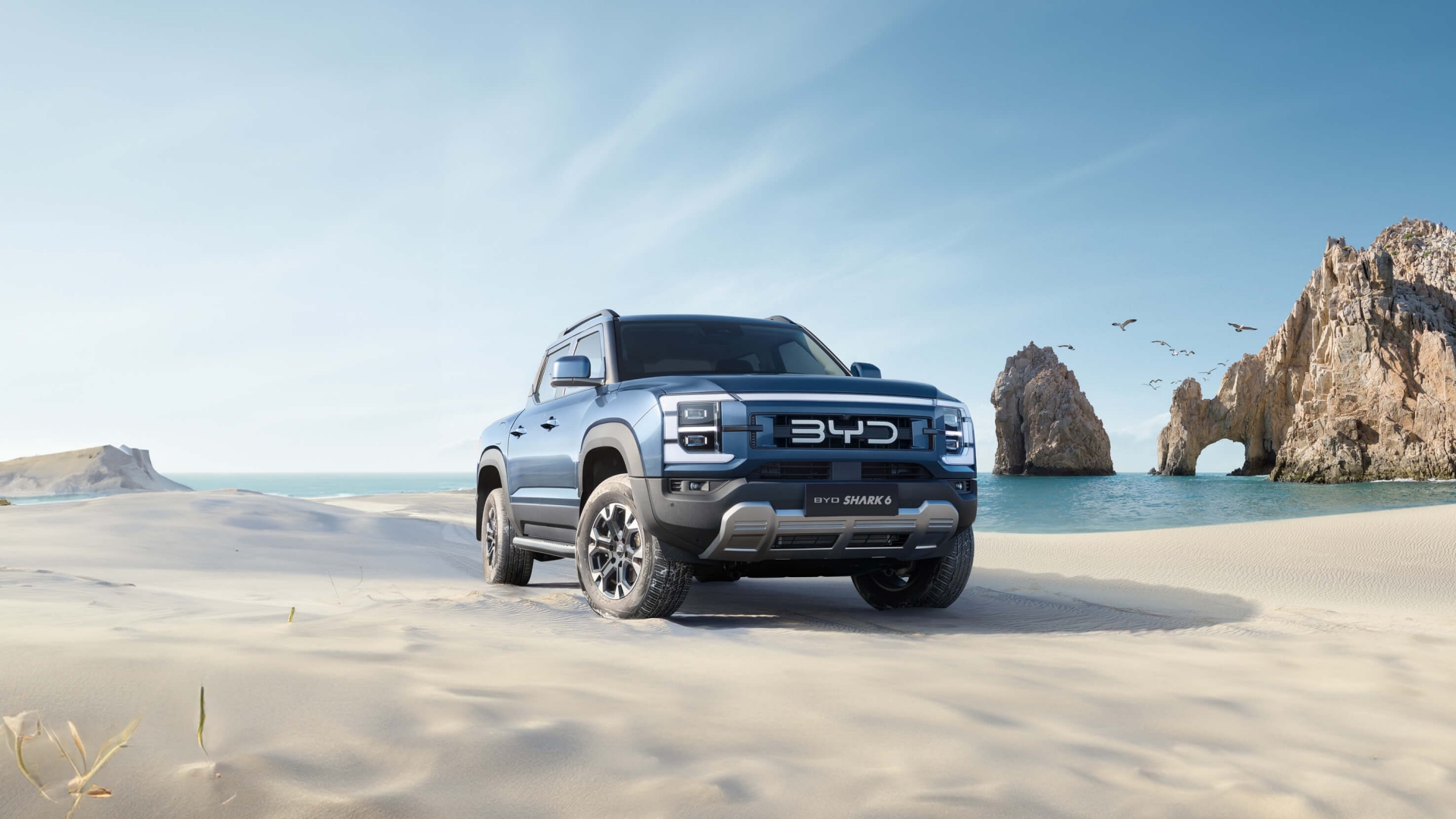
Separately, MITI dismissed claims that new pickup truck models such as the BYD Shark or GWM Cannon are barred from entering Malaysia. It clarified that there is no blanket ban on such imports.
Commercial vehicles remain subject to localisation requirements under CKD programmes, while completely built-up (CBU) imports are still permitted in limited numbers through Market Research Pre-Assembly (MRA) Approved Permit quotas.
EV Import Floor Price Under Review
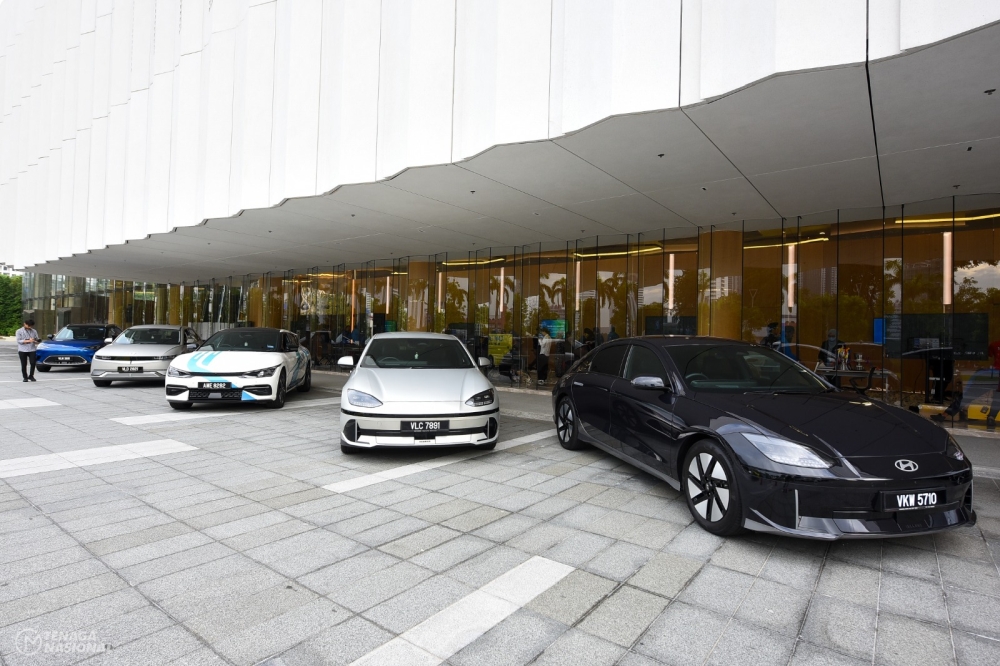
In a related development per The Star, Johari said the government is currently reviewing its EV import floor price policy as part of efforts to strengthen local assembly while managing EV adoption. Under current rules, all imported CBU passenger vehicles are subject to a minimum OTR price of RM250,000. However, this was temporarily reduced to RM100,000 for EVs between 2022 and 31 December 2025 to encourage early adoption.
The ministry is now reassessing the policy to better align import pricing with market conditions while supporting the long-term goal of building a robust domestic EV manufacturing ecosystem. Ultimately, MITI emphasised that its policies are developmental in nature, aimed at positioning Malaysia as a regional production and export hub for next-generation vehicles (NxGVs), rather than restricting market access.
(Source: MITI [Facebook] / The Edge / The Star)
