

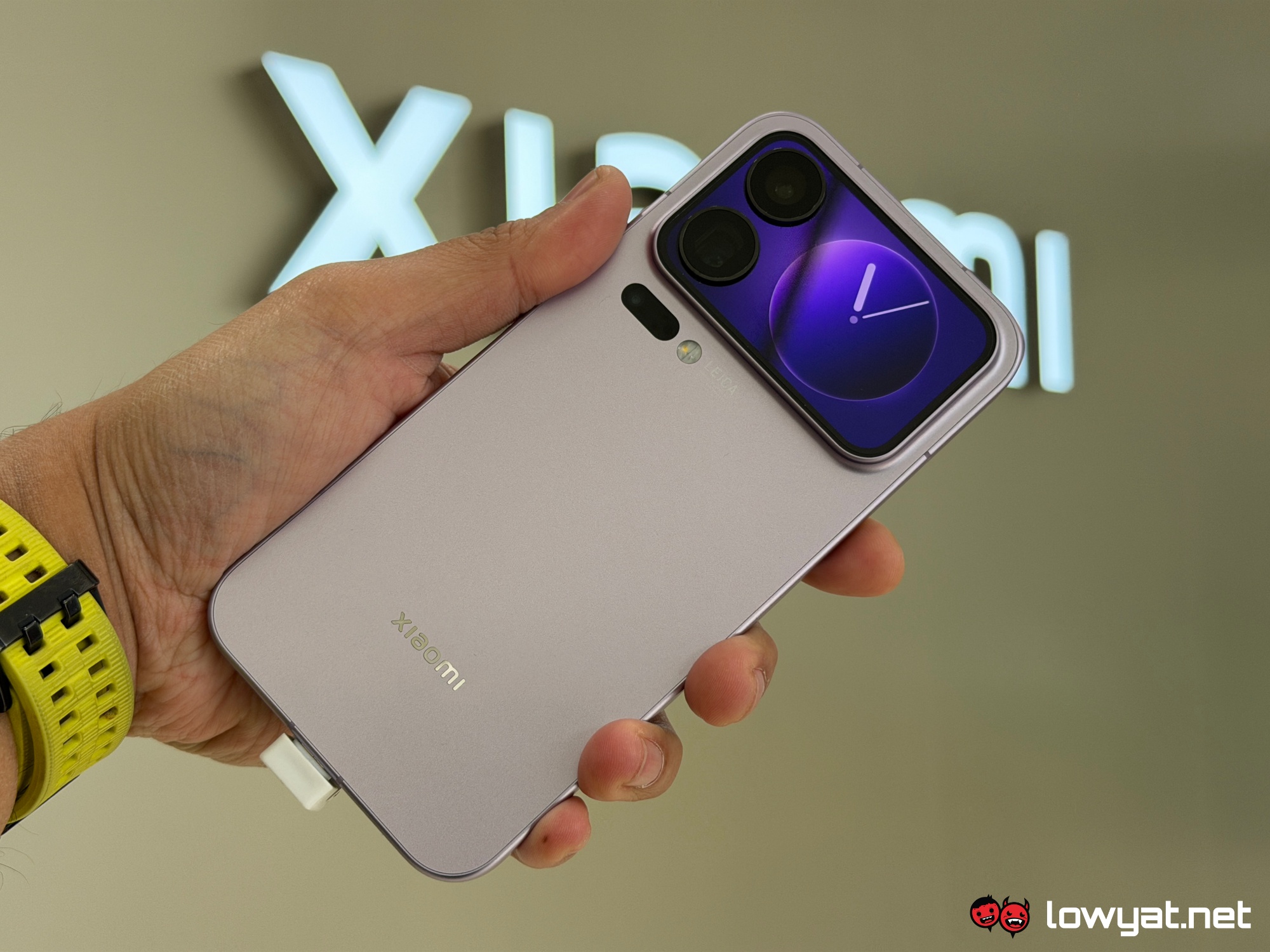
The new Xiaomi 17 series has officially debuted both globally and in Malaysia, offering consumers with either the base model or the high-end, camera-cum-smartphone Ultra variant. However, two particular options appear to be missing from the newly launched line-up, namely the Pro and the Pro Max – both of which exclusively feature a rear touchscreen.
The bad news is that their exclusion is intentional, meaning there is little chance of seeing them released globally outside of China. Xiaomi confirmed this shortly after the flagship series first launched in its home market last year. This also would not be the first time the company excluded a major variant from a worldwide release. In fact, the Pro models have skipped the global market for several years now.
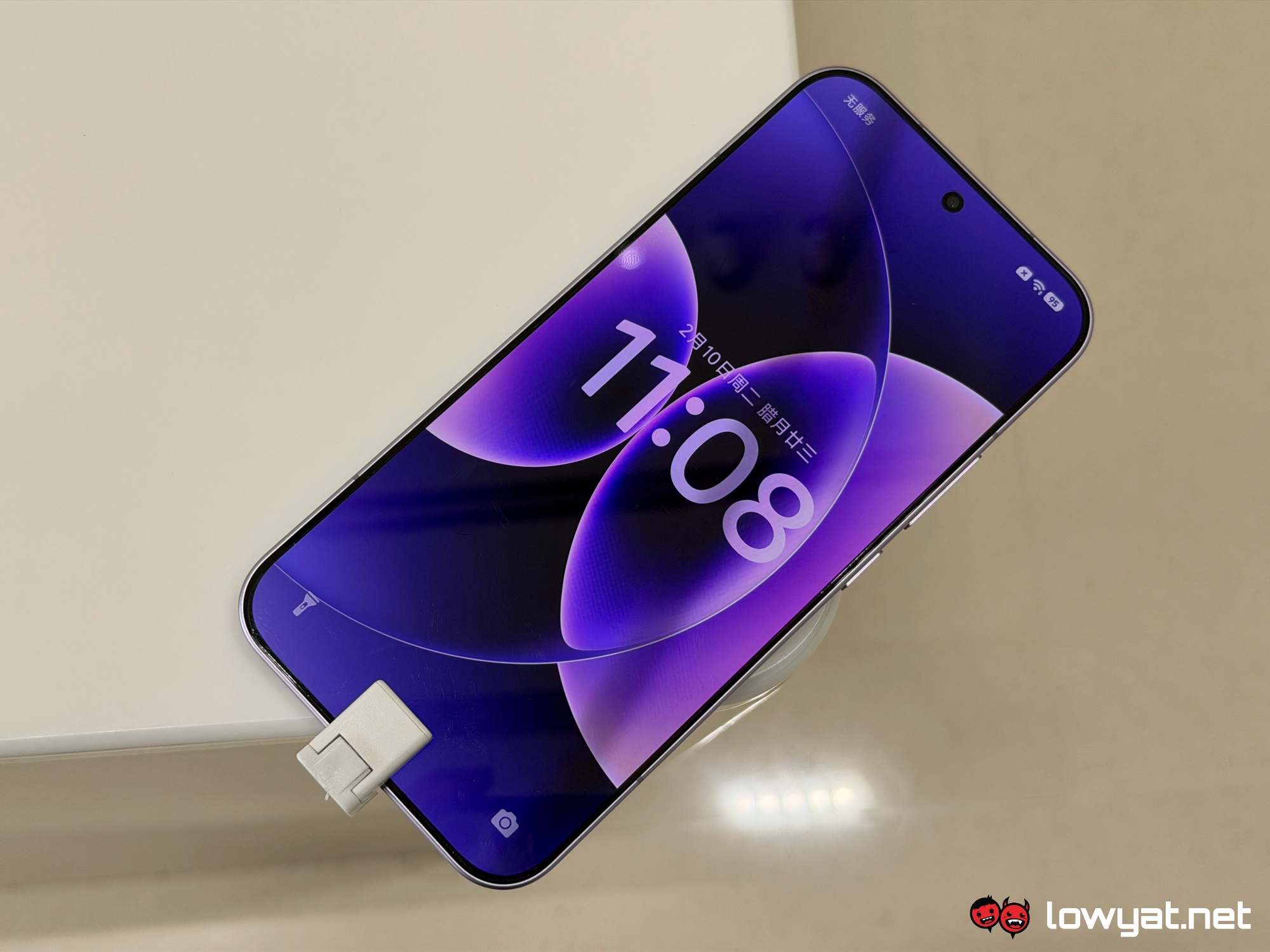
Thanks to a recent trip to China and a visit to Xiaomi HQ’s own experience store in Beijing, I was able to spend some time fiddling around with both Xiaomi 17 Pro models. Since it has been a while, this also felt like a good opportunity to add a new entry to our “The One That Got Away” series, where we highlight devices that never made it to Malaysia.
I’ll be focusing more on the Pro Max variant, as there is not much difference between it and the base Pro apart from screen size and battery capacity. I also won’t be touching on overall performance since the units available were in-store demo devices after all.
What Exactly Are We Missing Out On?
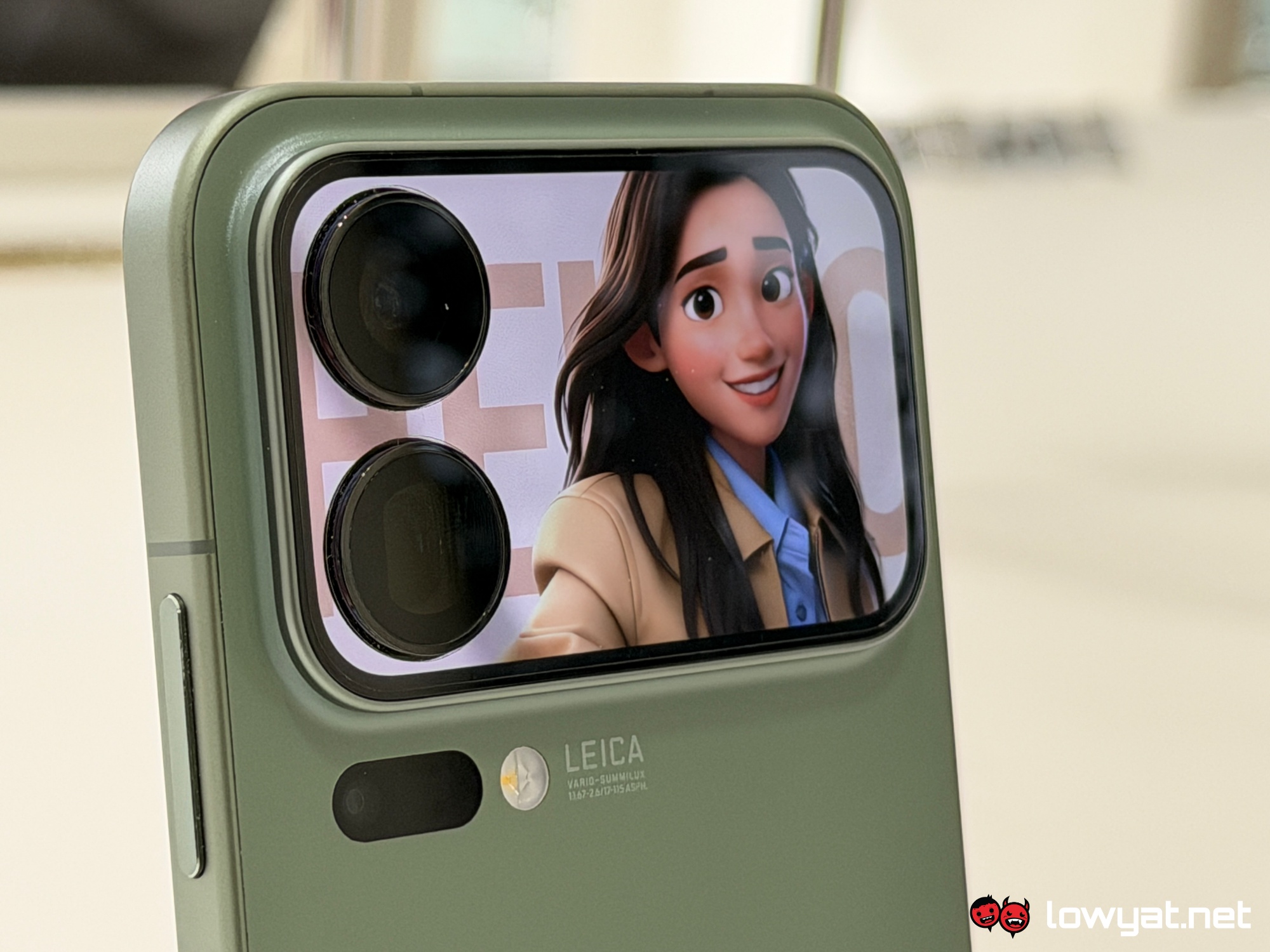
I think we can all agree that the most significant difference is the Pro line-up’s rear AMOLED touchscreen. It measures 2.7 inches on the Pro and 2.9 inches on the Pro Max. Similar to the secondary displays found on flip phones such as the Samsung Galaxy Z Flip or HONOR Magic V Flip series, it functions as a supplementary screen with limited app compatibility and functionality.
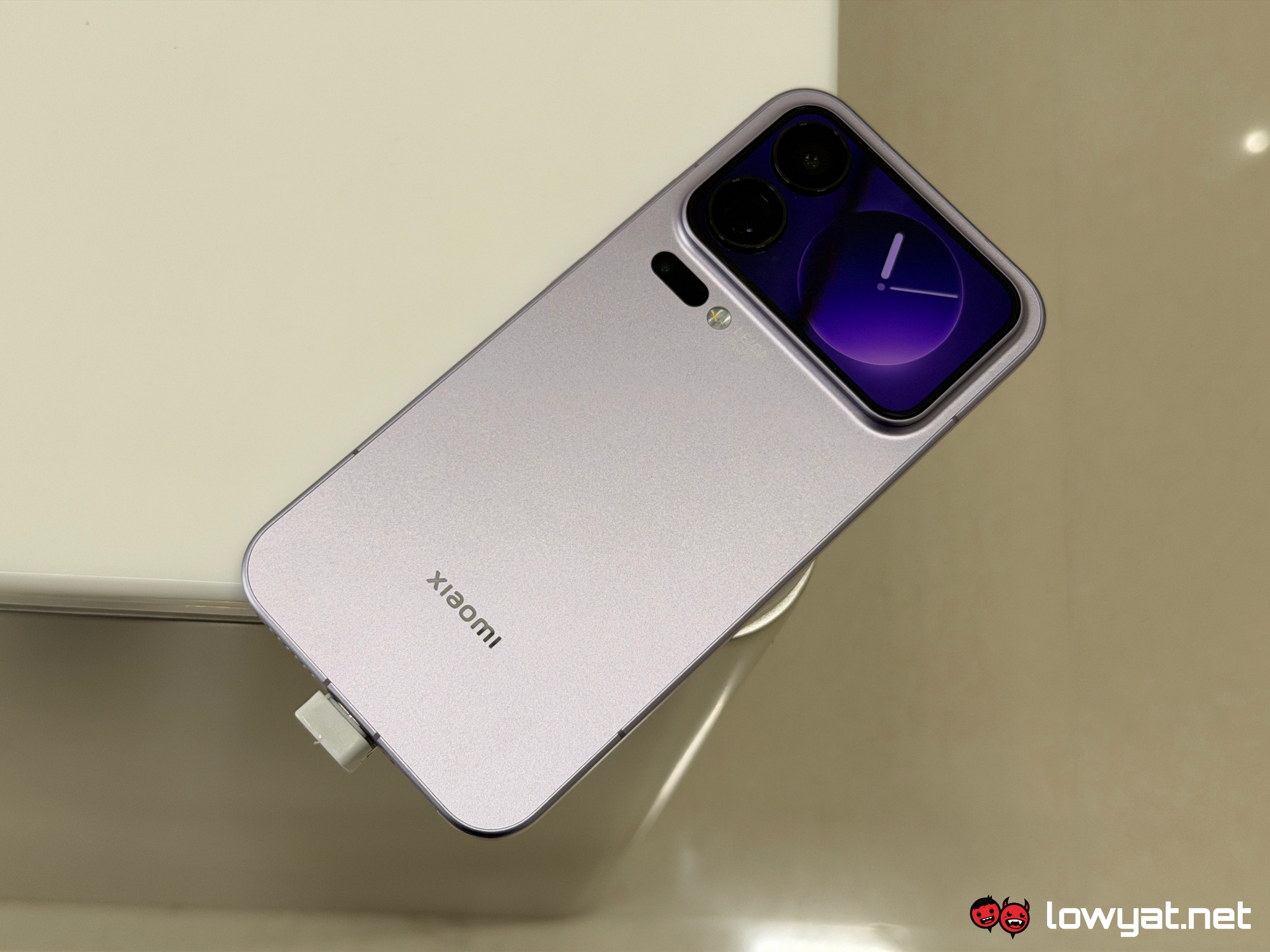
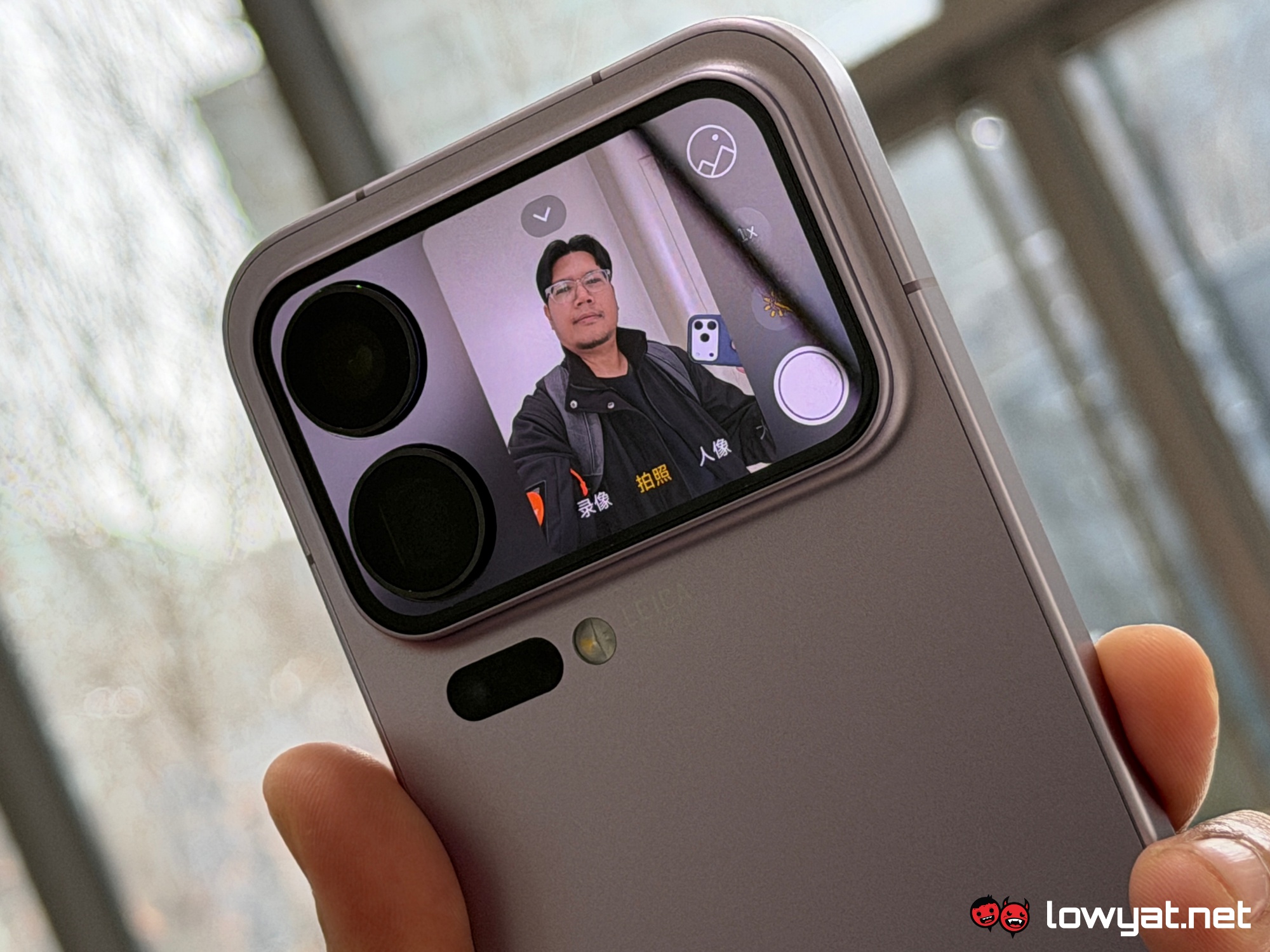
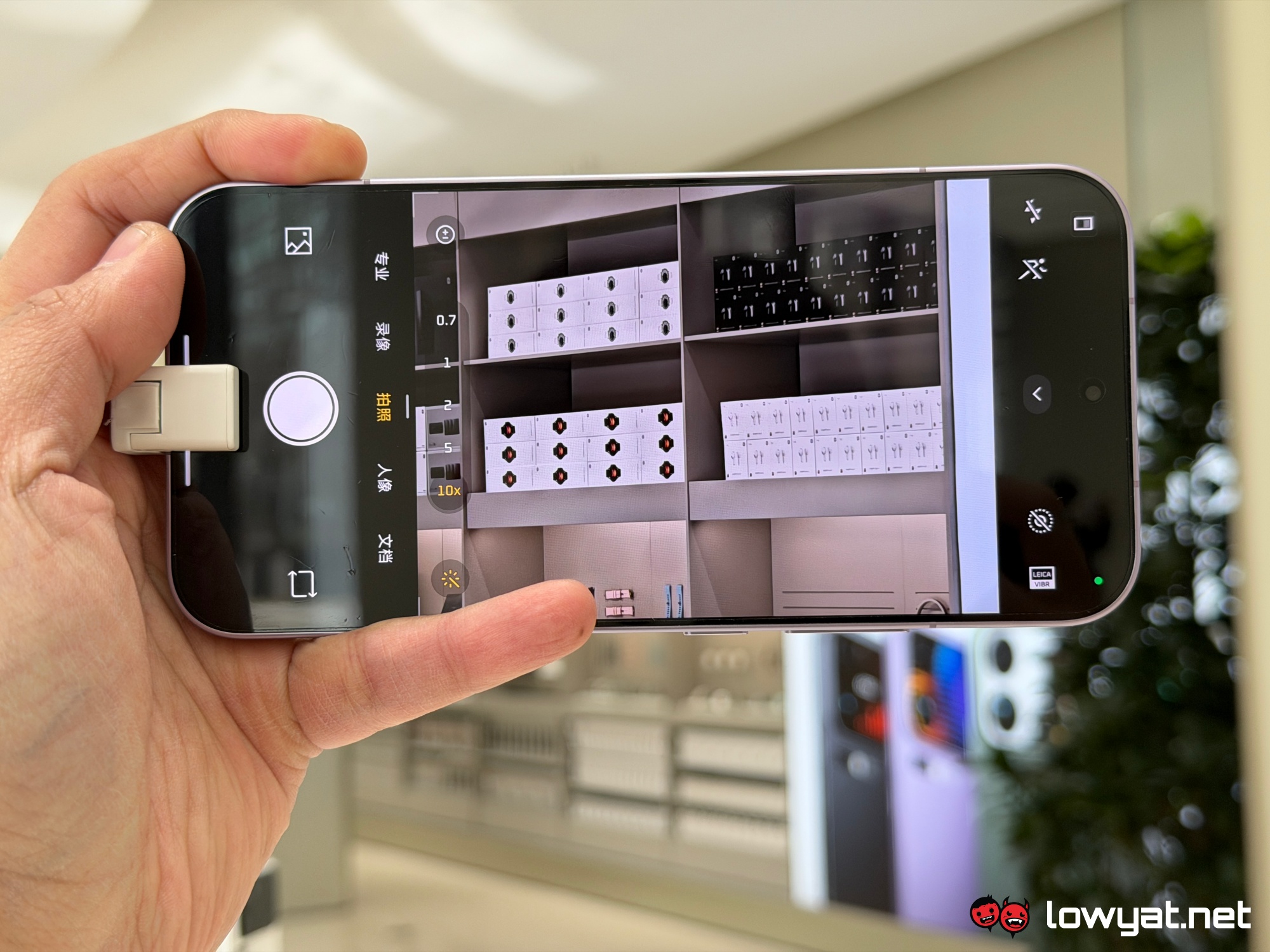
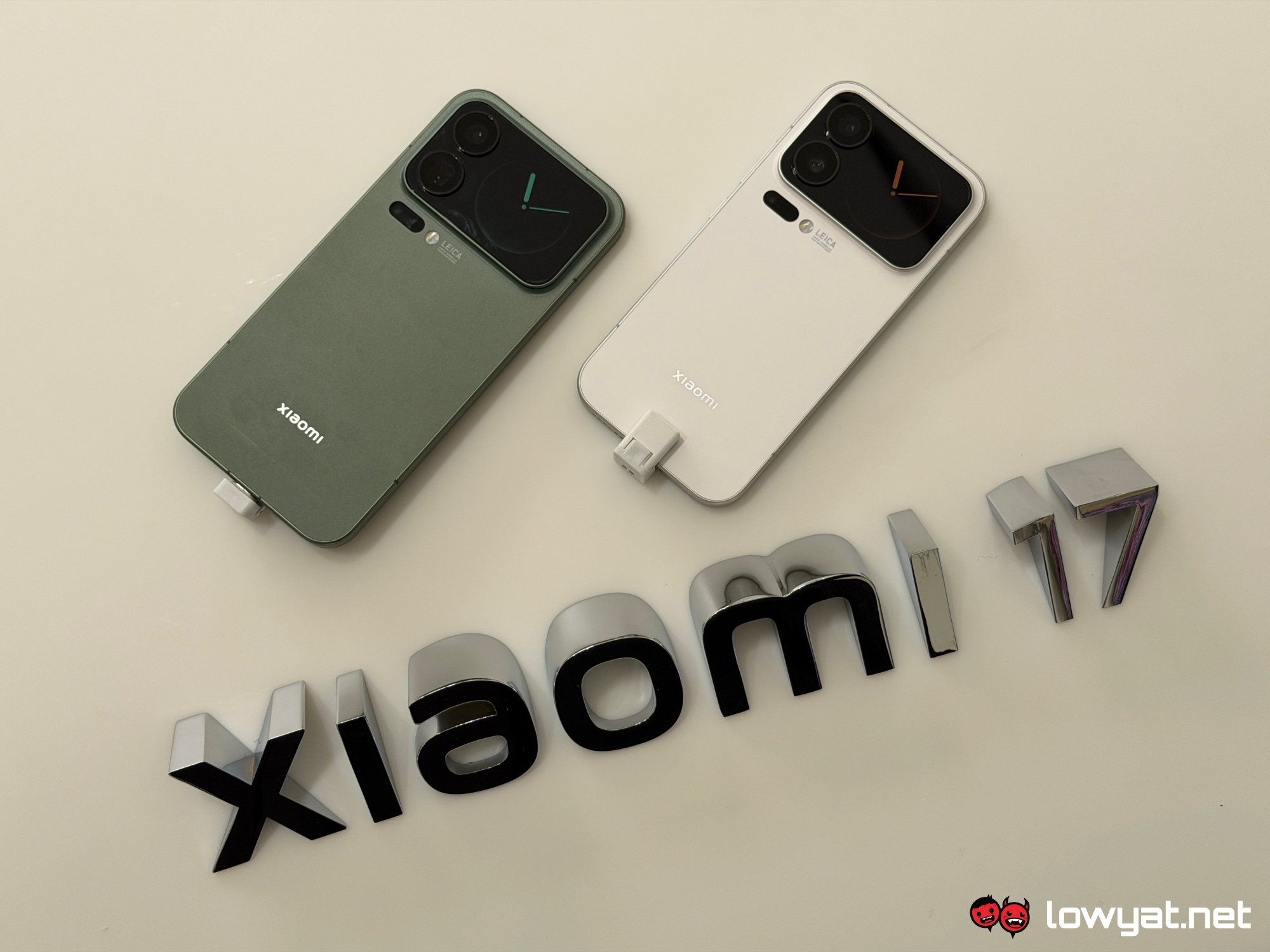
Here, you can use it as a preview screen for snapping selfies or group photos with the Pro series’ triple 50MP camera setup. Other highlights include controlling music playback, viewing notifications, and checking real-time tracking for e-hailing rides or flights. You can also pin important information such as notes. Of course, it can be customised with different wallpapers, animations, and even the built-in interactive pets.
As someone who often places his phone face down (mostly to compensate for the uneven camera bumps on most modern smartphones), I personally find the secondary screen quite useful. I can easily see how the various use cases mentioned above could benefit day-to-day use. Having previously tried Xiaomi’s earlier implementation on the Mi 11 Ultra, this version is undoubtedly a major improvement.
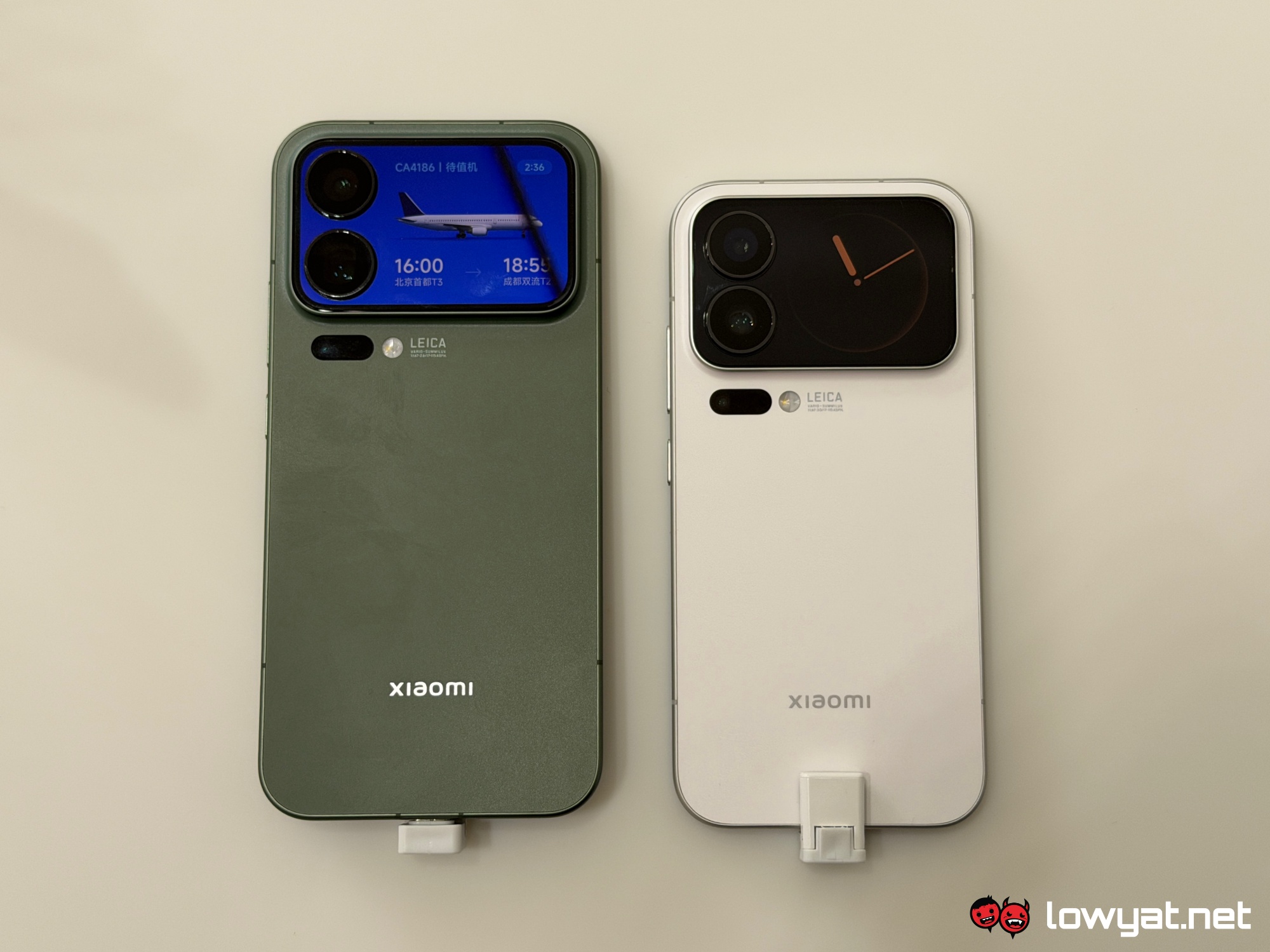
We Have The Xiaomi 17 Back Home
Beyond the secondary display, however, the overall features and specifications of the Pro models are not drastically different from the base Xiaomi 17 that we did end up getting. Much of the core hardware (including the 6.3-inch primary display, Snapdragon 8 Elite Gen 5 chip, memory configurations, battery capacity, charging capabilities, and triple camera setup) remains largely the same across both devices.
@lowyatnet Here’s a quick look at the China-exclusive Xiaomi 17 Pro series, which we managed to try out during our visit at Xiaomi’s HQ in Beijing. #Xiaomi17Pro #Xiaomi17Series #XiaomiMalaysia
When asked whether Malaysia and other global markets might eventually receive future Pro models, Xiaomi gave a neutral “we’ll see how it goes” response. It is also worth noting that a “T” variant from the flagship line-up is still expected later on. While the chances of that model featuring a secondary display are slim, it is not entirely impossible.
But hey, at least we still got the Ultra, right?
@lowyatnet How does the new Xiaomi 17 Ultra perform when it comes to street photography? Xiaomi flew us, along with a handful of other local media members, to Chongqing and Beijing to put its Leica-enhanced cameras to the test. #Xiaomi17Ultra #LeicaCamera #StreetPhotography #XiaomiMalaysia
