

Lenovo has informed its partners that it will increase prices for selected products starting March, as the ongoing memory shortage continues to disrupt the global PC hardware market. According to CRN, the company attributes the move to rising memory costs, which have surged due to overwhelming demand from AI-related workloads.
The report notes that Lenovo has urged partners to place orders before the end of February to secure current pricing. Orders that are not fulfilled by the end of March may be subject to repricing, signalling how quickly cost pressures are escalating. The company also acknowledged that it has already begun adjusting its pricing structure and terms in response to market conditions.
“We’ve absolutely had to adjust and continue to adjust [terms]”, said Lenovo North America president Ryan McCurdy in an interview with CRN. “There’s no way around it.”
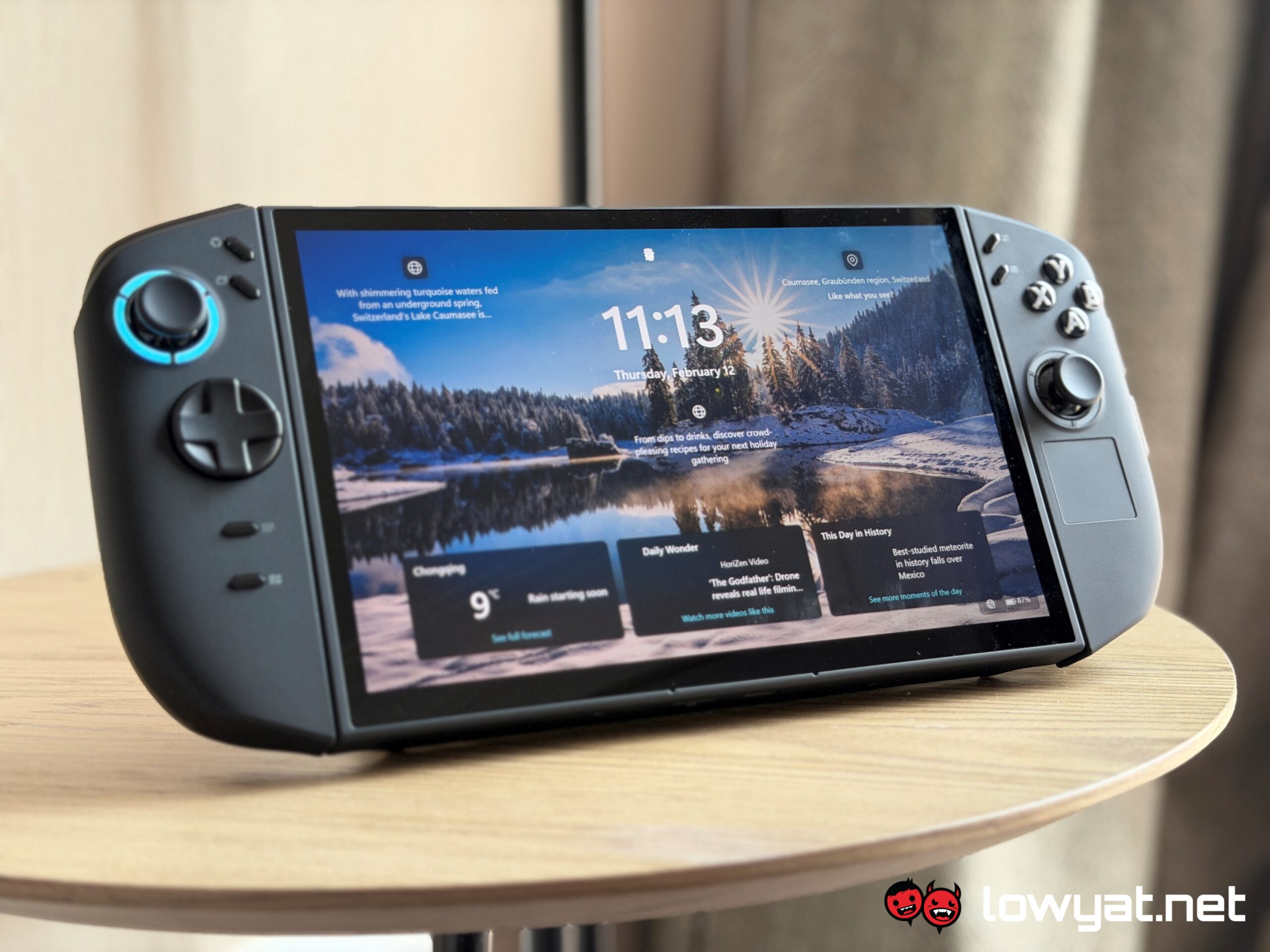
For now, it is unclear which “selected products” will be affected by the price hike. Lenovo’s Legion-branded gaming devices, including various laptop models and handhelds, along with other products in its portfolio, are likely to be the first impacted.
More Bad News For Consumers
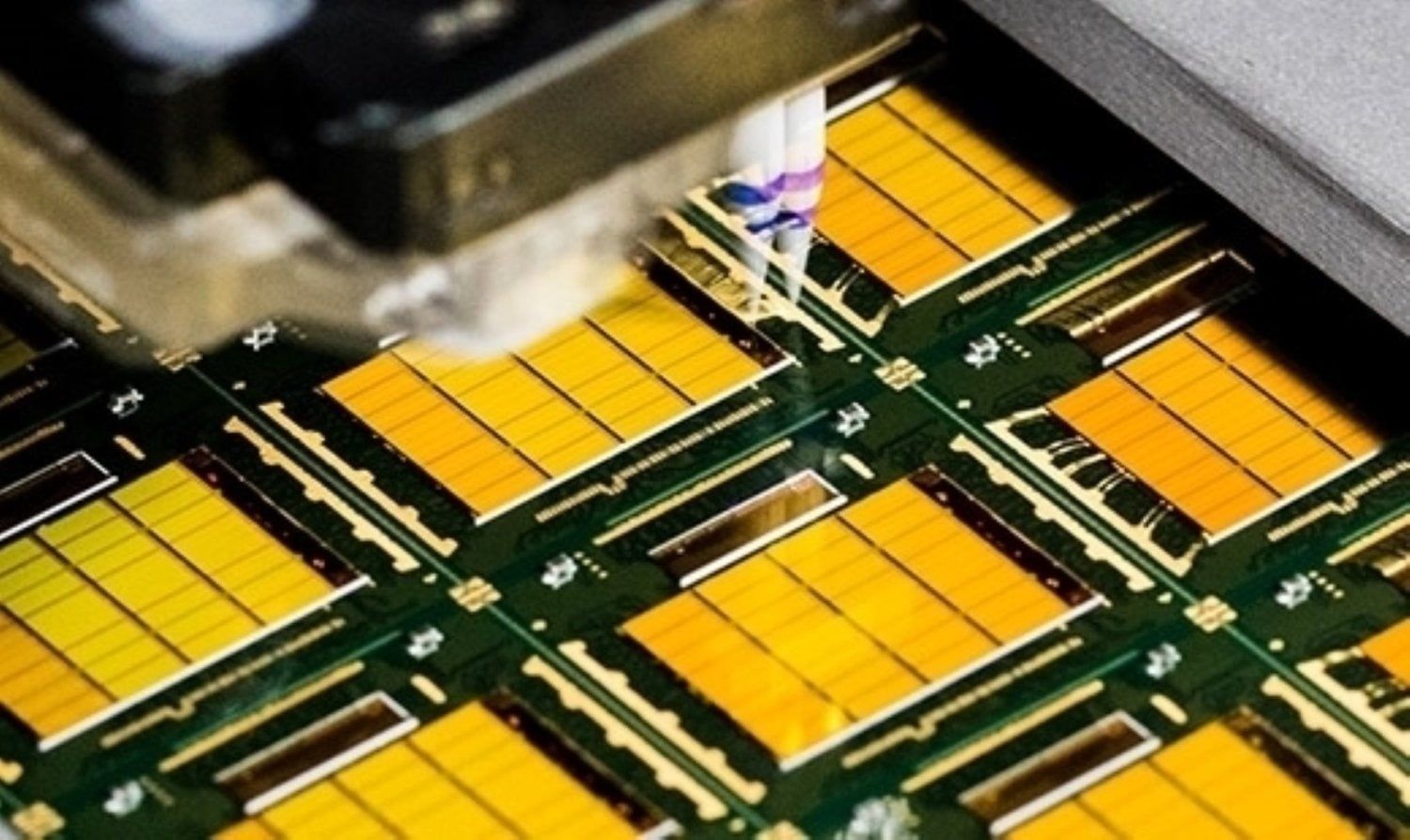
As manufacturers pass on higher component costs, devices ranging from gaming handhelds to mainstream laptops are expected to become more expensive over the coming months. Memory now accounts for a significantly larger share of overall hardware costs than before, further amplifying the impact of rising prices.
With supply expected to remain tight into 2026 and beyond, the current situation shows little sign of easing. For buyers considering a new device, the window to secure current pricing may be closing quickly, as the AI-driven RAM crunch continues to reshape the broader consumer tech market.
It Could Get Worse

Apart from Lenovo, Dell and HP have both signalled potential price increases across their product lines due to rising memory costs. On the gaming front, Valve Corporation has reportedly faced intermittent stock shortages of its handheld devices due to constrained memory and storage supply.
Back in December, SK Hynix warned that the global memory shortage could persist until 2028, as production is prioritised for high‑bandwidth memory used in AI and data‑centre hardware. With mainstream DRAM inventories at low levels and capacity expansions slow to arrive, consumer devices are also likely to face limited supply on top of further price increases in the coming years.
