

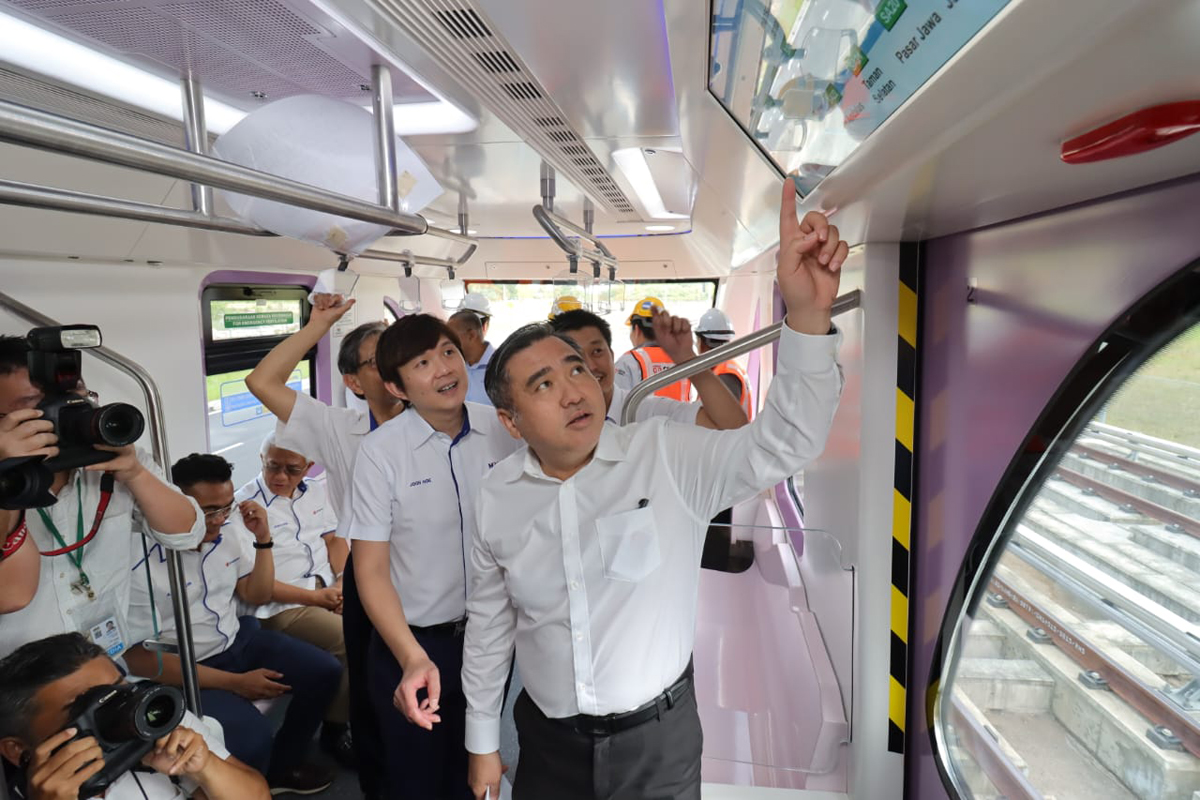
The Shah Alam LRT line, better known as the Light Rail Transit 3 (LRT3), has experienced several delays and remains incomplete after almost a decade of construction. Earlier today, Transport Minister Anthony Loke Siew Fook announced that the project’s main contractor will be required to pay RM2.73 million per day for any further delays in completing the line.
During a question-and-answer session in the Dewan Negara, the minister said the daily liquidated and ascertained damages, equivalent to 0.024% of the total contract value, are meant to ensure the contractor bears full responsibility for any delays to the project. However, he adds that we will only know the total amount once the project is complete.
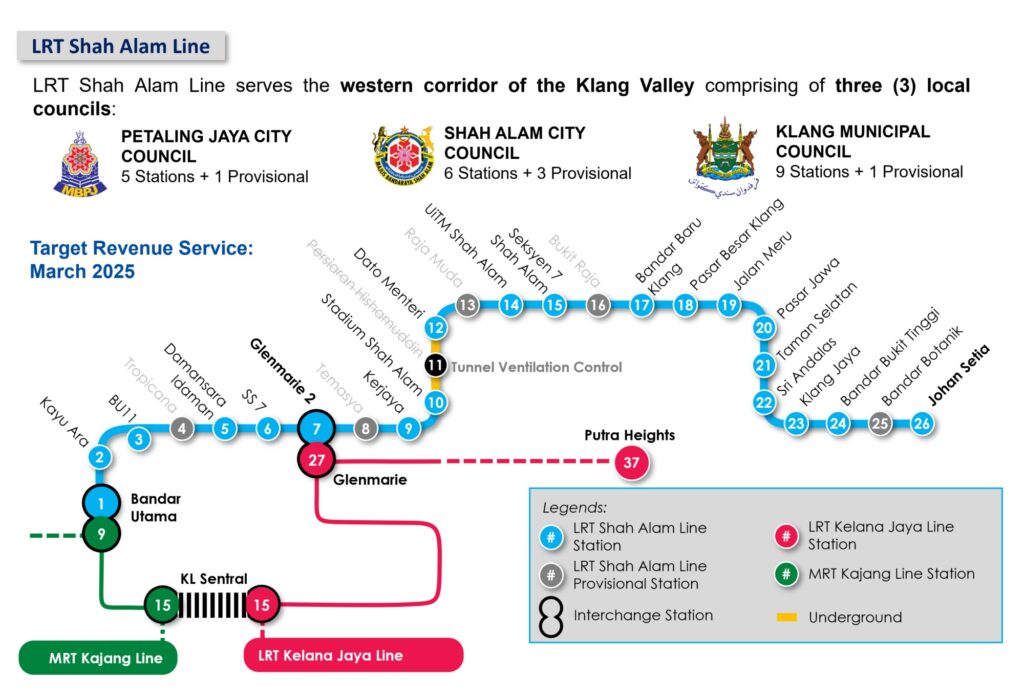
For those unaware, the main contractor of the project is none other than Setia Utama LRT3 Sdn. Bhd., which is a unit of Malaysian Resources Corp Bhd. As for the LRT3 itself, it is a 37.8km line that will cover three major areas in the Klang Valley. It will run from Bandar Utama to Johan Setia, with two interchange stations at Bandar Utama and Glenmarie.
The History Of The LRT3
The LRT3 project was first proposed in 2014, with plans to run from Bandar Utama in Kelana Jaya through Glenmarie, the HICOM-Glenmarie Industrial Park, Shah Alam Stadium, Shah Alam city centre, UiTM, I-City, Bukit Raja Shopping Centre, Taman Eng Ann and Bandar Klang, before arriving in Johan Setia. The project officially launched back in August of 2016 with a budget of RM9 billion.
After the Barisan Nasional-led government was replaced by Pakatan Harapan in 2018, the new government revealed that the budget did not account for several major costs. This included a six percent delivery fee, consultancy fees, operational expenses, overheads, and interest during construction. This brought the total cost to RM31.7 billion.
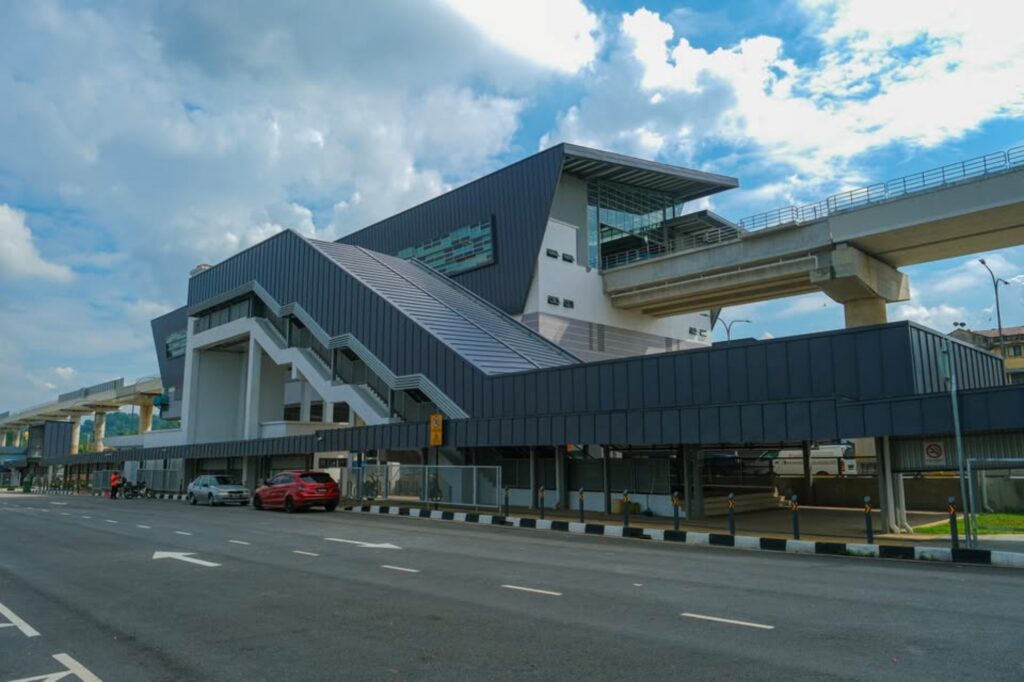
In order to ease costs, the government revised the project’s scope by reclassifying the Lien Hoe, Temasya, SIRIM, Bukit Raja and Bandar Botanik stations as provisional stations and cancelling Persiaran Hishamuddin’s underground station. Other cost-cutting measures we also implemented, which included reducing the number of train cars from six to three, decreasing the total number of trains from 42 to 22, cutting the size of stations to four-car length, and abandoning costly acceleration techniques. This brought the overall cost down to RM16.63 billion.
Later, Prime Minister Datuk Seri Anwar Ibrahim reinstated the shelved stations, which added another RM5.3 to the project’s total cost. These changes was effective, however, as they brought the total project cost down to RM21.93 billion.
Recent Delays And Development Hurdles
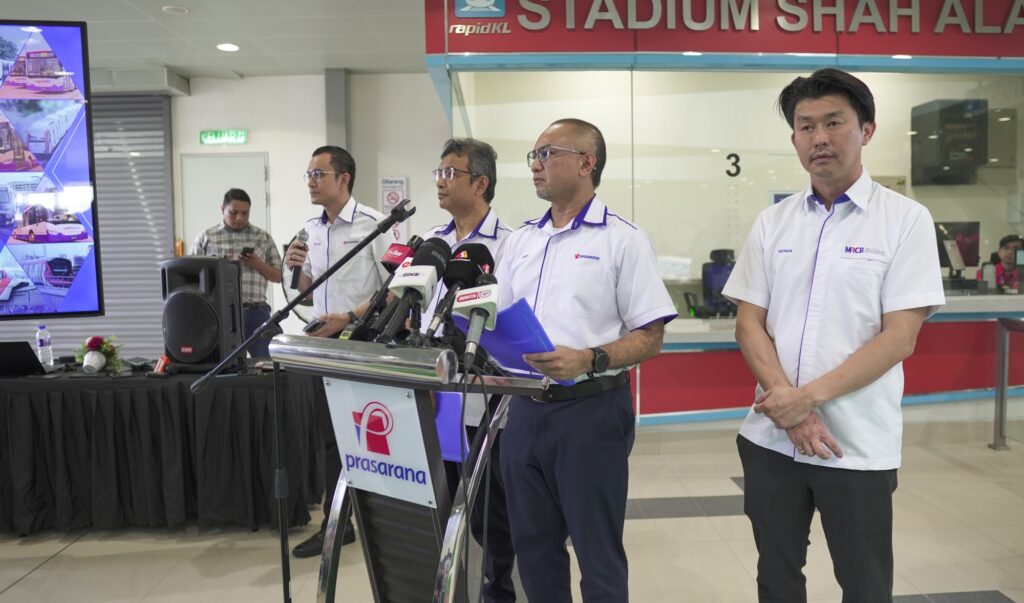
Earlier today, Loke denied the claims that the 2018 revisions were the cause of the delays. He notes that purely technical issues are causing the delays, mainly related to the fault-free runs (FFR) problems spotted during testing.
As a reminder, the FFR is a mandatory test to ensure the integration of major systems, which includes signalling, communication and control systems. During this stage, each train set must travel at least 4,000km without any issues or glitches. If a single problem is spotted, the test must start all over again, regardless of the distance travelled.
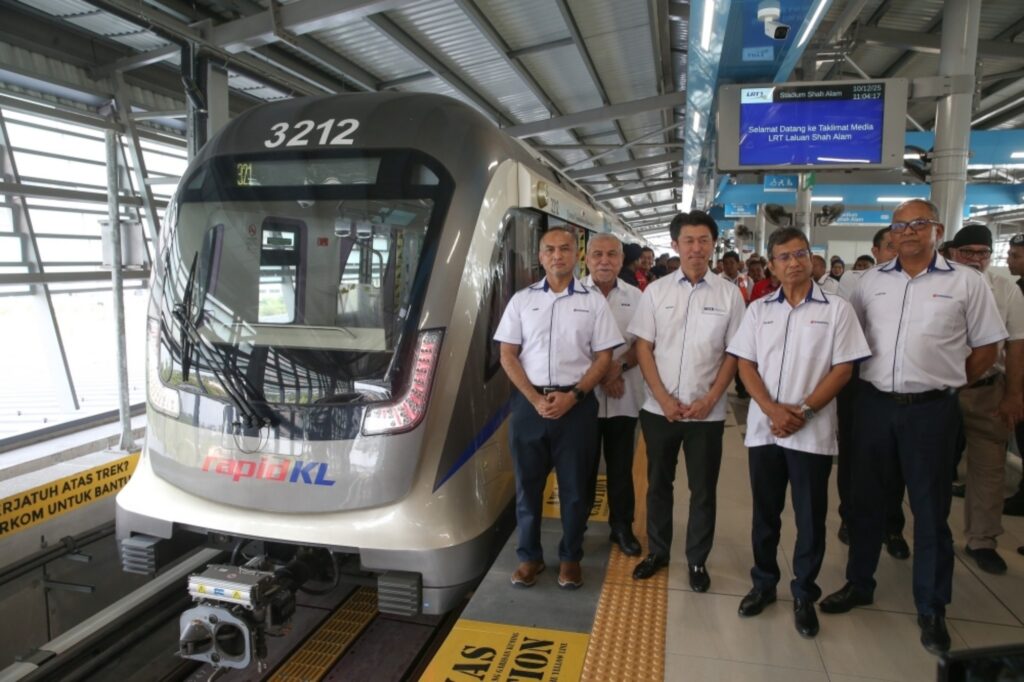
The testing phase began on 26 August 2025, but software and signalling issues emerged during trials in November and December. These issues included trains failing to align with platform gates and false emergency signals, which in turn delayed the target opening date. So far, 14 of the 22 train sets have completed trials, while the remaining eight continue to undergo testing due to unresolved technical issues.
Slated Operation Date
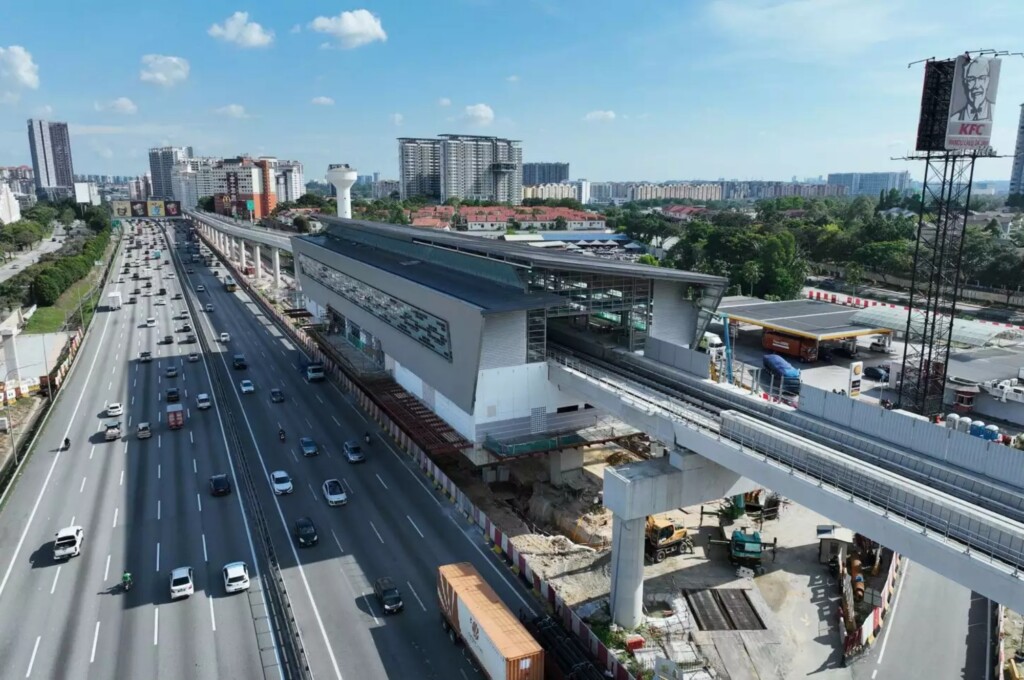
Loke said that the LRT3 line can begin transporting passengers once the FFR and final trial runs are complete. Today, the minister repeated that the line will be ready by June 2026. However, he insists on speeding up the trials so that it could begin operations as early as April of the same year.
Impact Of The Compensation
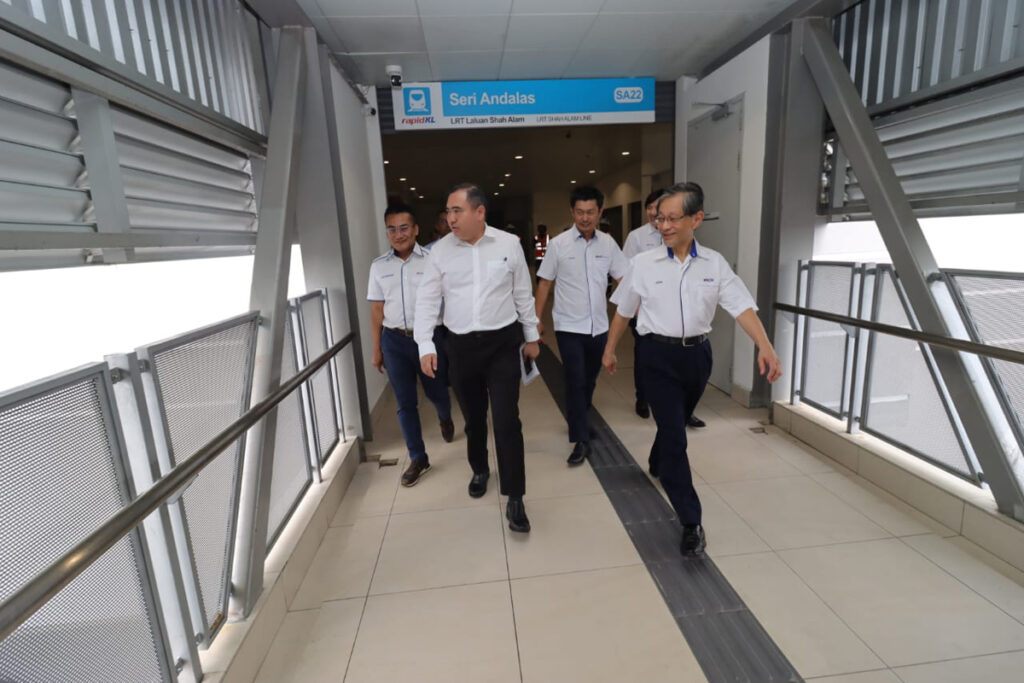
As noted earlier, the train line has faced multiple delays in the past. The Shah Alam line was originally scheduled to launch in March 2025, then postponed to the end of September, and later pushed back again to the end of the year.
Naturally, a RM2.73 million compensation is nothing to scoff at. This penalty is meant to spur Setia Utama LRT3 Sdn. Bhd. into action and push them to finally complete the project. Whether the main contractor will heed the minister’s warning, however, remains to be seen.
(Source: The Edge Malaysia)
