

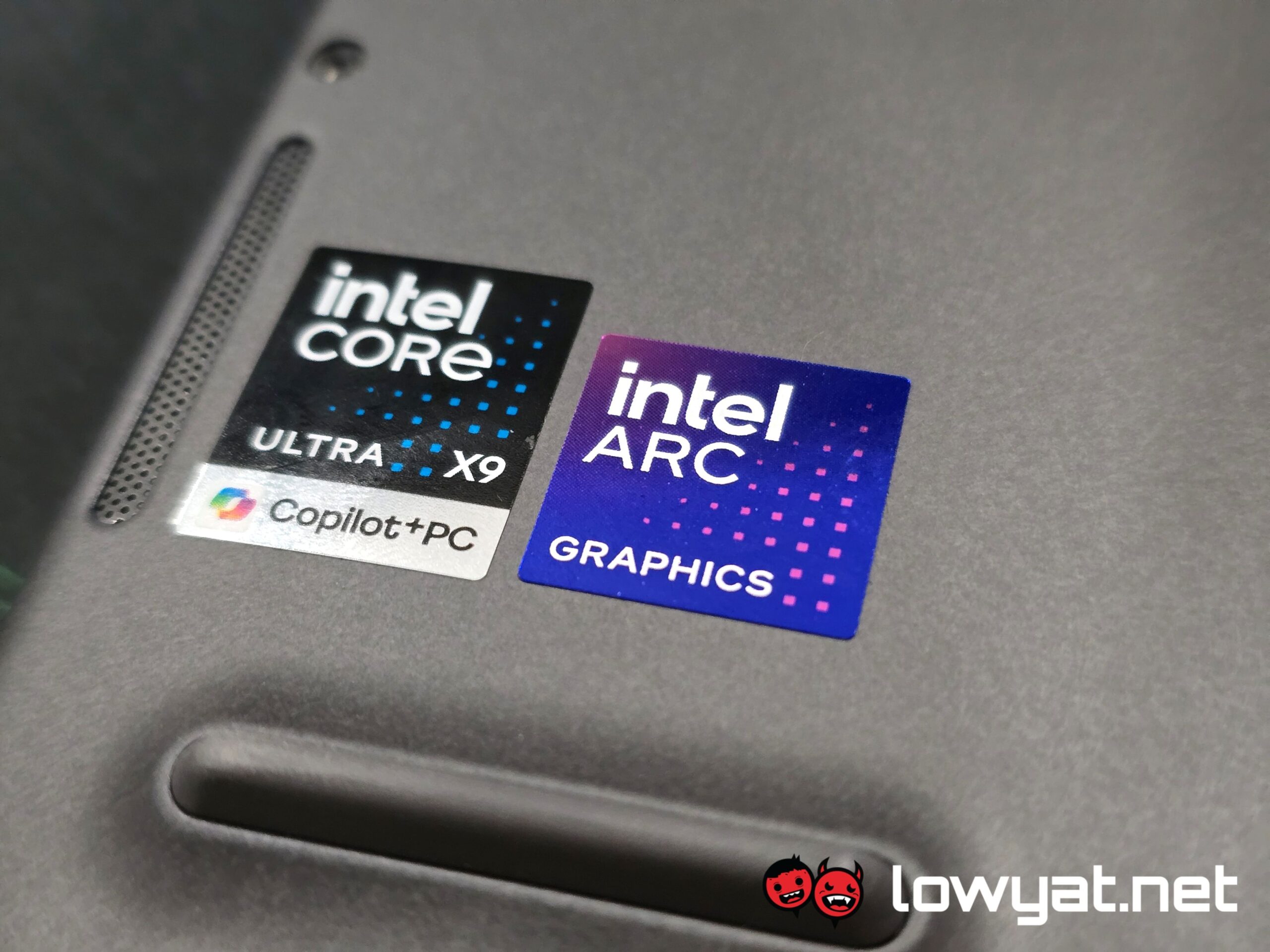
We’ve all known about Intel’s Core Ultra 3 Series CPUs for some time, and at CES 2026, the blue chipmaker confirmed the existence of the Core Ultra X7 and X9 variants. The company is hoping that with Panther Lake, it’ll be a case of several firsts: the first viable CPU series with enough of a power leap to overshadow Lunar Lake, the first mobile processor series to launch with a beefed-up Battlemage integrated GPU, and the first to launch with the X Series SKUs that I mentioned at the start.
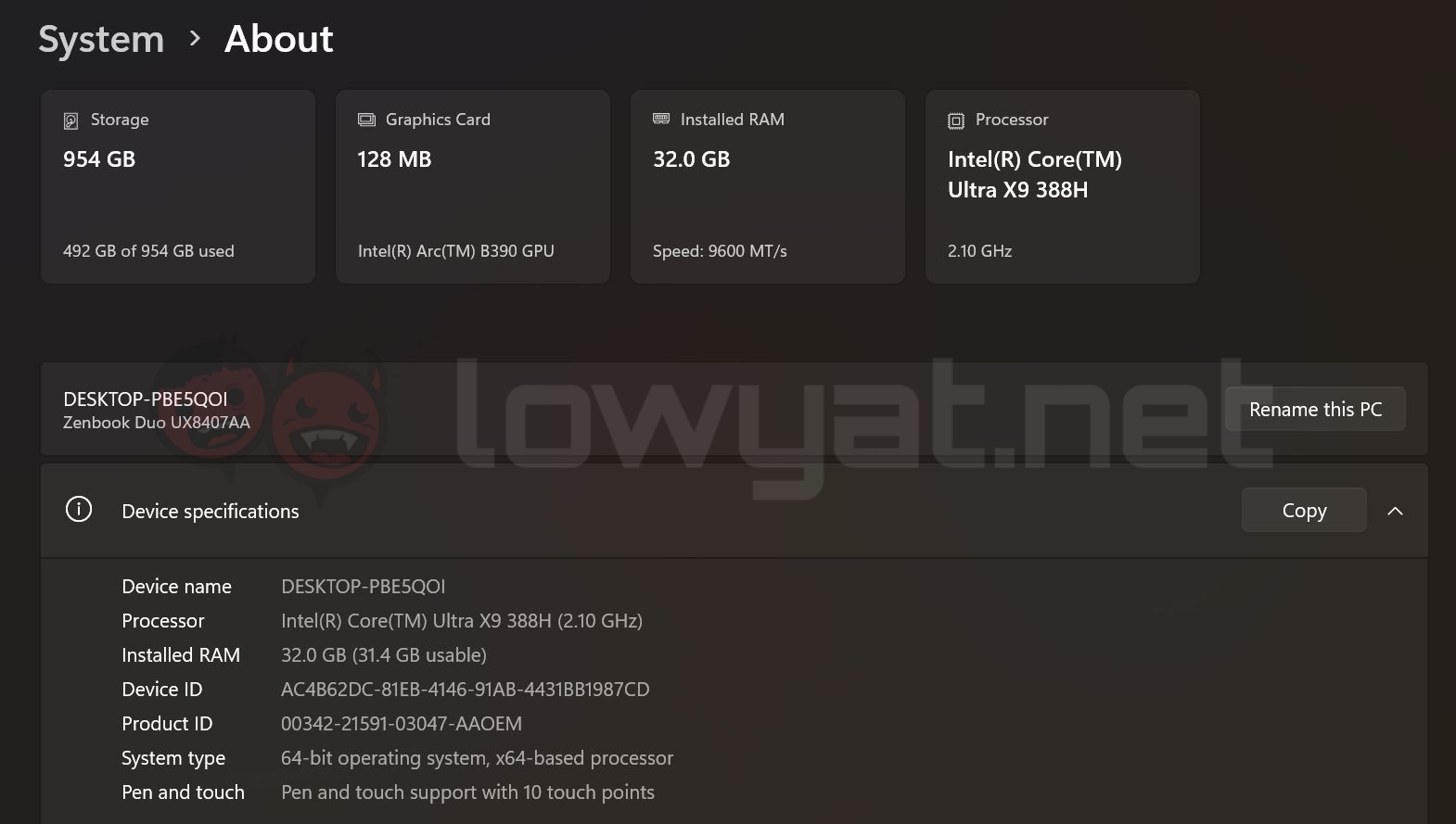
In this hands on, I have the chance to look at the Core Ultra X9 388H, Intel’s top-tier performer for Panther Lake. As this is the laptop processor, the vehicle for it is equally impressive, which in this case, is the latest iteration of ASUS’ Zenbook DUO.
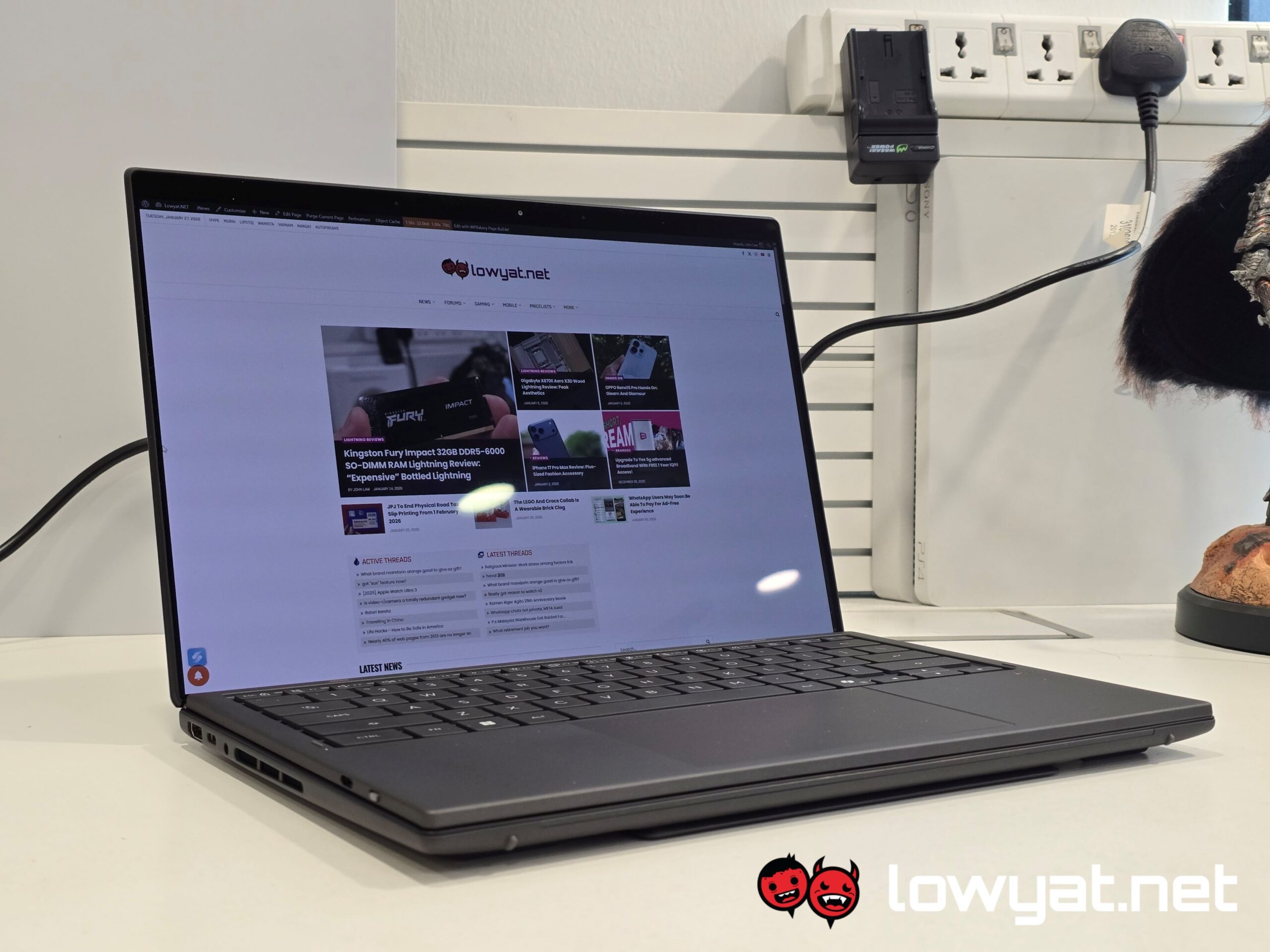
By the by, the laptop will be the focus in my review of both the processor and machine, so stay tuned for that. For now, this article will simply be a quick look at what’s new here.
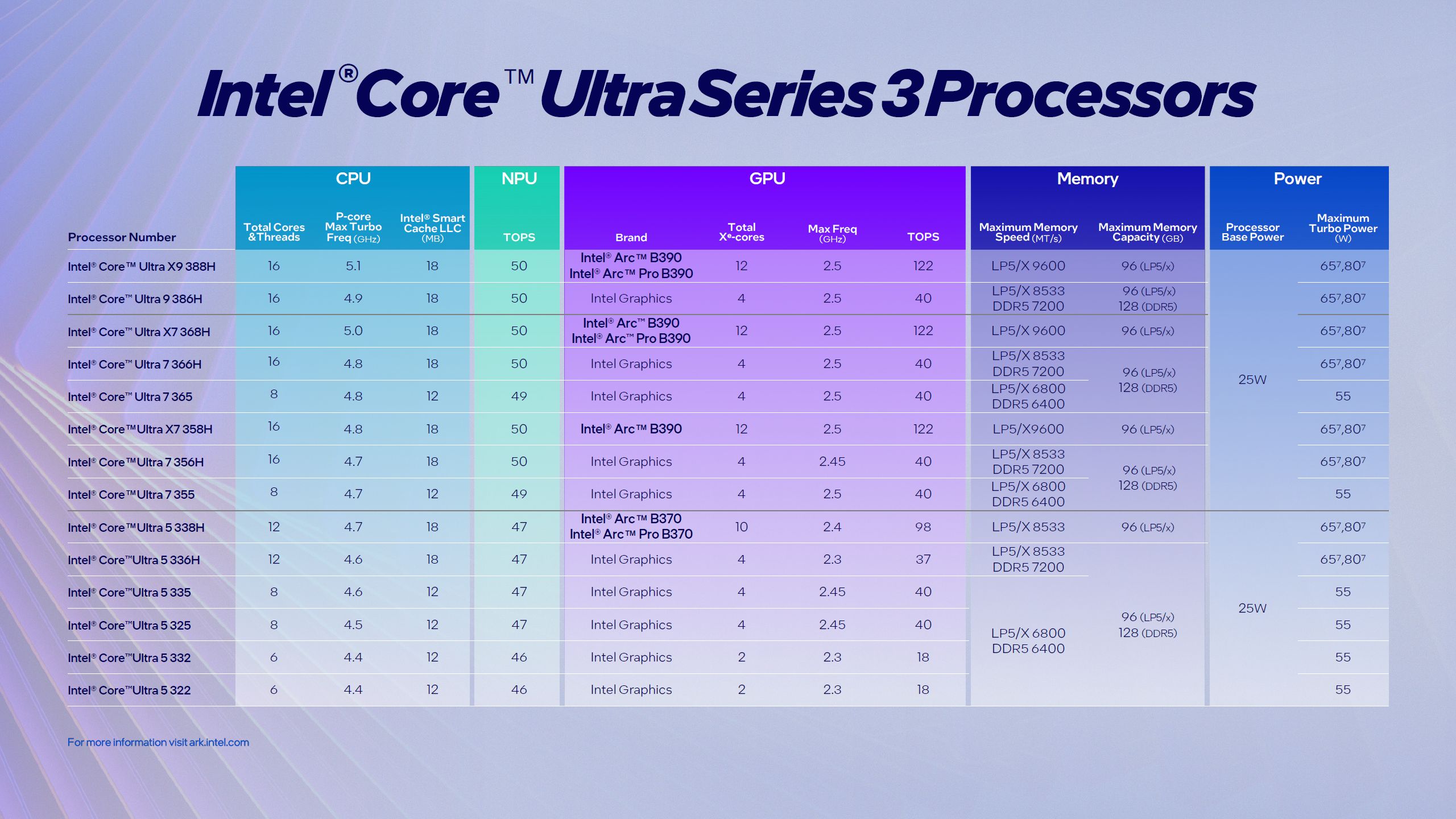
Running through its spec sheet, the Core Ultra X9 388H is a 16-cores, 16-threads processor, divided into four P-Cores, eight E-Cores, and four LP E-Cores. In continuing the trend it started with last generation’s Lunar Lake, this new generation of mobile processors no longer supports hyperthreading.
Despite that, these P-Cores are able to boost up to 5.1GHz on a single core when running overtime, but most of the time they run at 4.8GHz on an average day, and that’s for the majority of operations (i.e. browsing, watching media, typing out an article, etc.).
But again, that’s with moderate activity. Otherwise, the X9 388H really just hovers around the 1GHz mark, and also barely makes a whisper with the laptop’s thermals. Again, won’t go into specifics here, but suffice it to say, it’s impressive.
The second star of the show here is, perhaps, the Arc B390 integrated graphics that sits with the X9 388H. To be clear, it’s still Battlemage, not Celestial, but Intel’s improvements on it have coloured me impressed.
While clearly not designed or intended for gaming, doing so on the Zenbook DUO and its 2.8K OLED panel is actually viable. I am talking running Cyberpunk 2077 at the display’s native resolution, with graphics and ray tracing intensity set to medium, DLSS set to Performance with Frame Generation on, and I’m still getting 72 fps on average. Yeah, that viable.
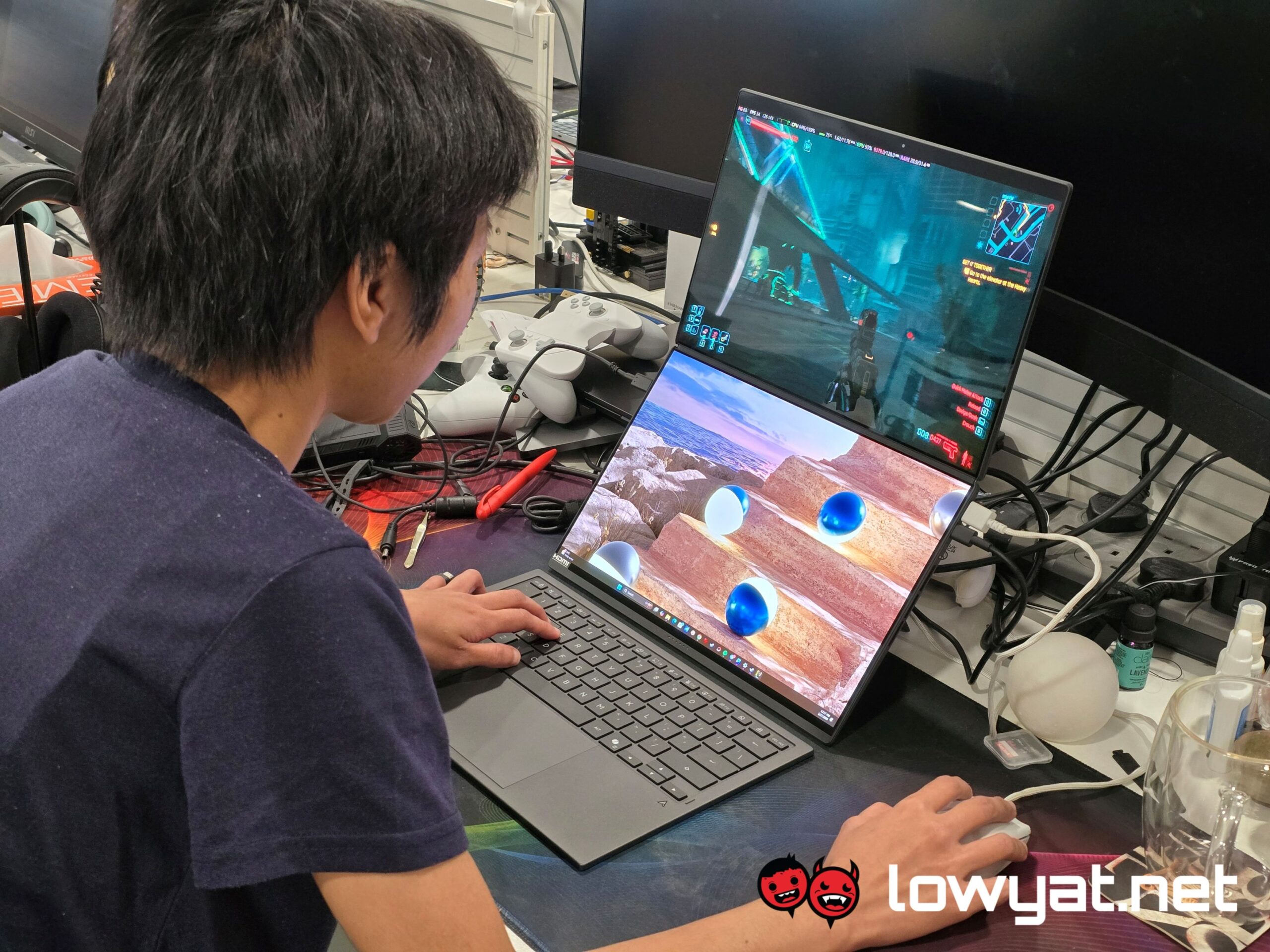
As for battery life, I’m still testing the processor and Zenbook DUO at the time of this publication, but ASUS claims that even with Intel’s X9 388H, using the laptop in dual screen mode should net me about 18 hours on average. So far, I’ve gotten as much as 11 hours in this mode, with the brightness set between 40% and 50%, but that’s also without switching Energy Saver mode on.
Again, tests are still underway, and I’ve still got ways to go in giving this laptop the beans, so check back in this space for my full review of the ASUS Zenbook DUO and Intel Core Ultra X9 388H every so often.
@lowyatnet The wait is over! Intel’s Panther Lake is finally on the way and what we have here is the ASUS Zenbook DUO, a dual screen laptop equipped with the chipmaker’s top-tier Core Ultra X9 388H CPU. A review is on the way, so stay tuned! #IntelPantherLake #CoreUltra #ASUSZenbookDUO #ASUS #DualScreenLaptop
