

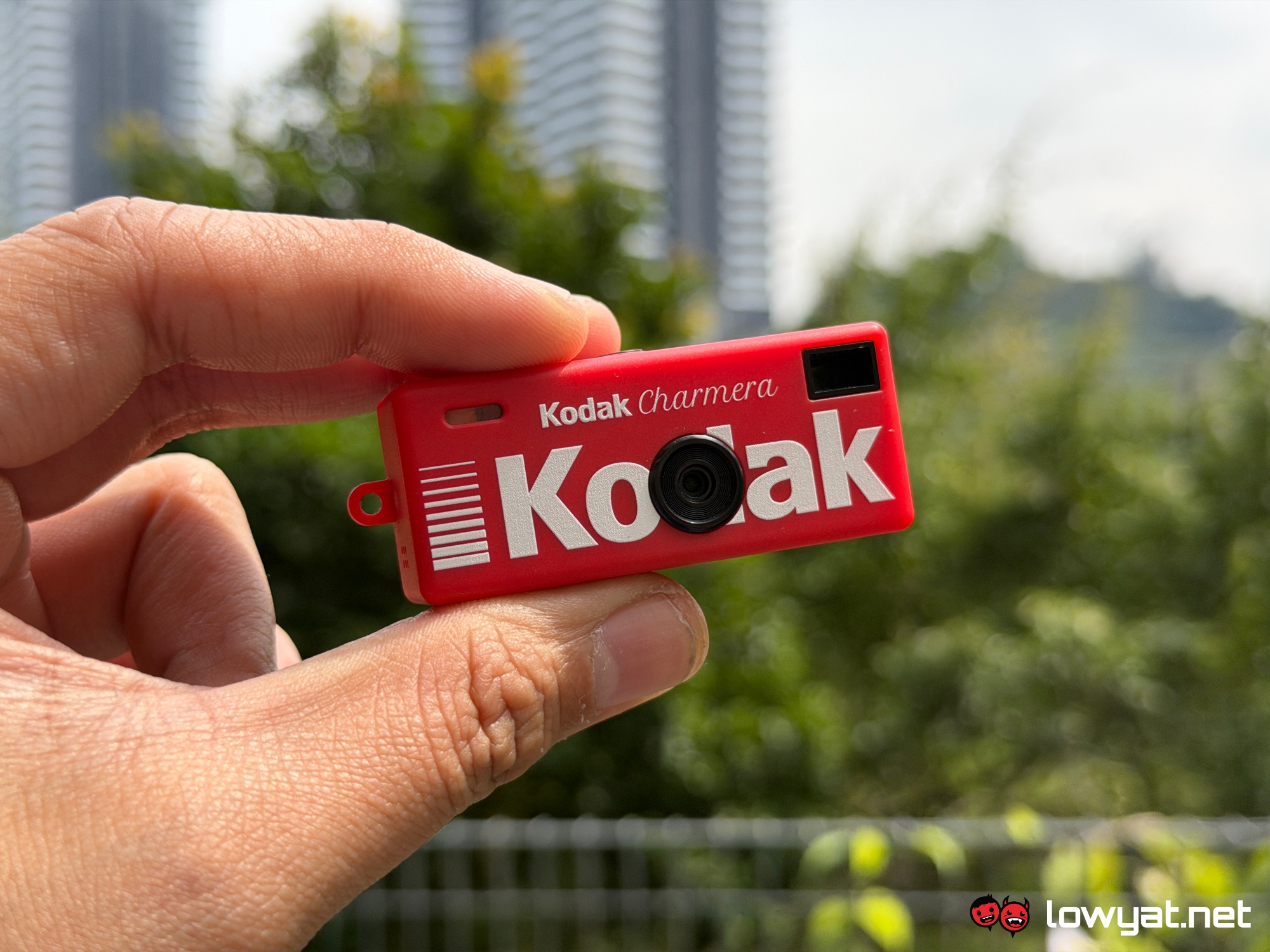
When it was first introduced last year, the Kodak Charmera took the world by storm, attracting photography enthusiasts and casual users alike. What’s more, it was sold out almost immediately, prompting most to wait for a restock or, god forbid, cave to scalper prices.
Adding to the intrigue is the fact that it’s a blind box release, meaning the design you end up with depends entirely on luck. That novelty factor no doubt played a role in fuelling its popularity, but it also raised a fair question.
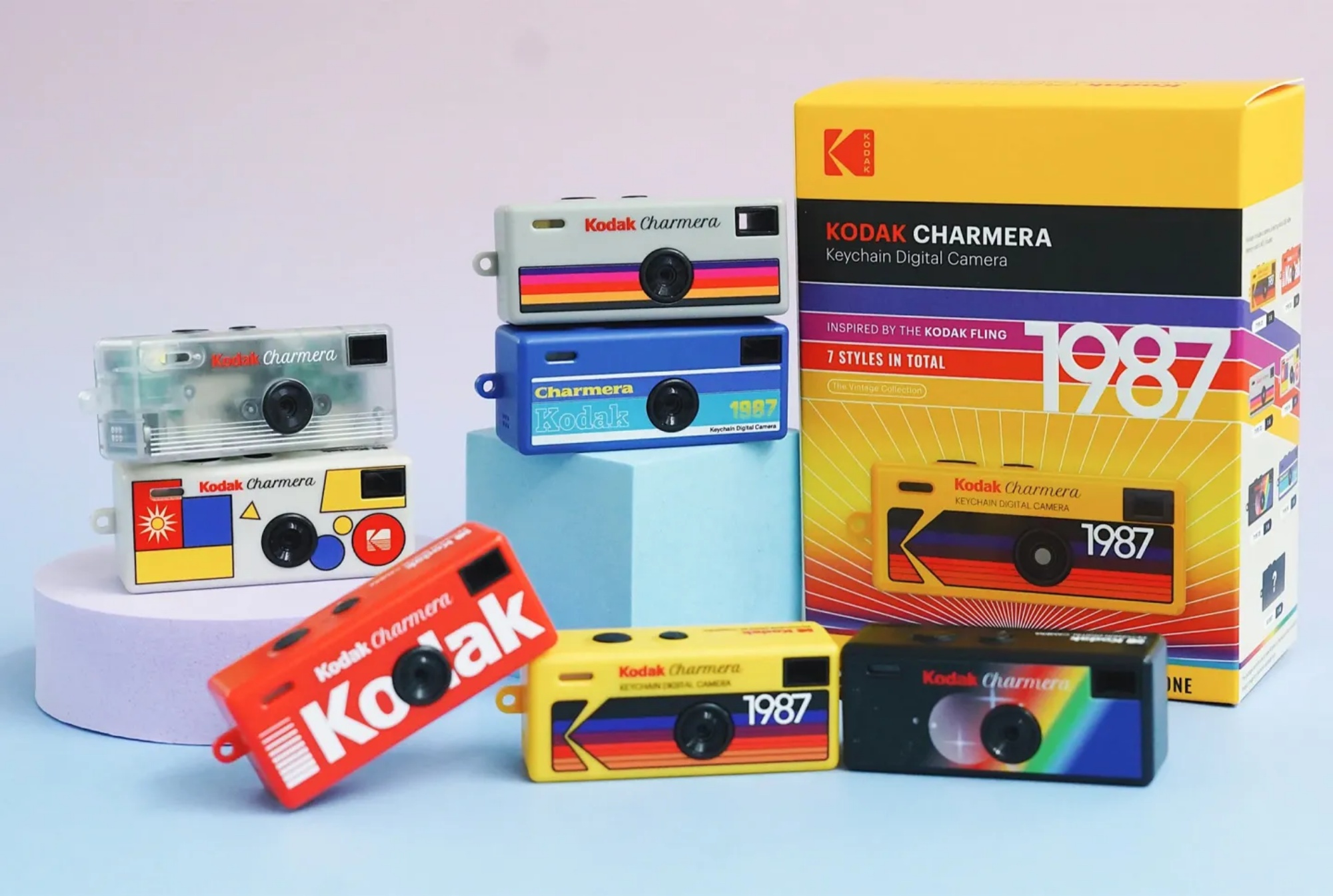
But is it really worth all the hype (and price)? Right off the bat, I can confidently say there’s nothing spectacular about its early-2000s webcam-level image quality. Still, I have to admit there is some fun to be had with Kodak’s miniature novelty camera.
For one thing, the Charmera is really that tiny. Heck, even Kodak blatantly markets it as a charm (hence the name), therefore you can attach it to keychains, bags, and so on. Needless to say, it’s easily pocketable too.
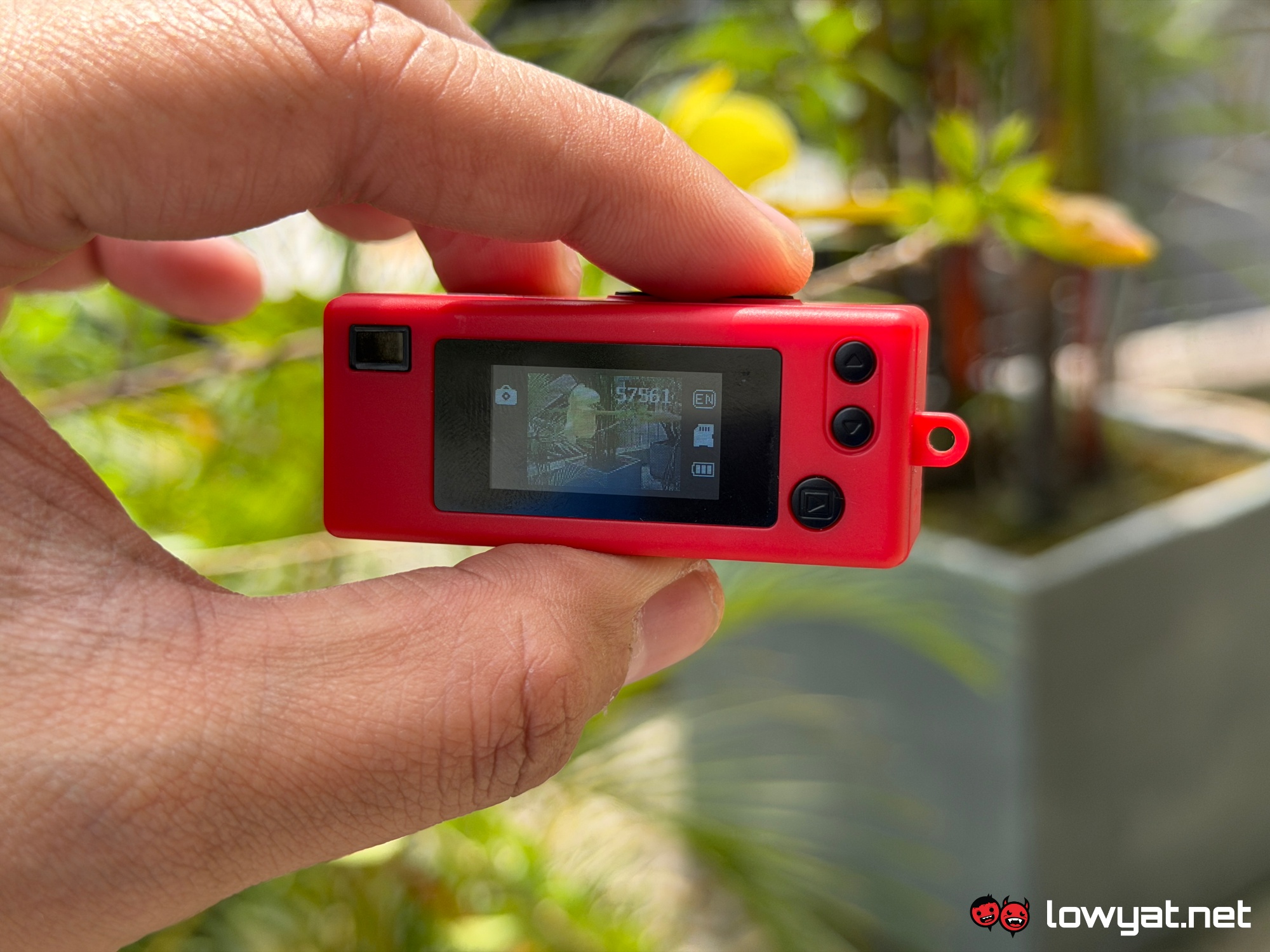
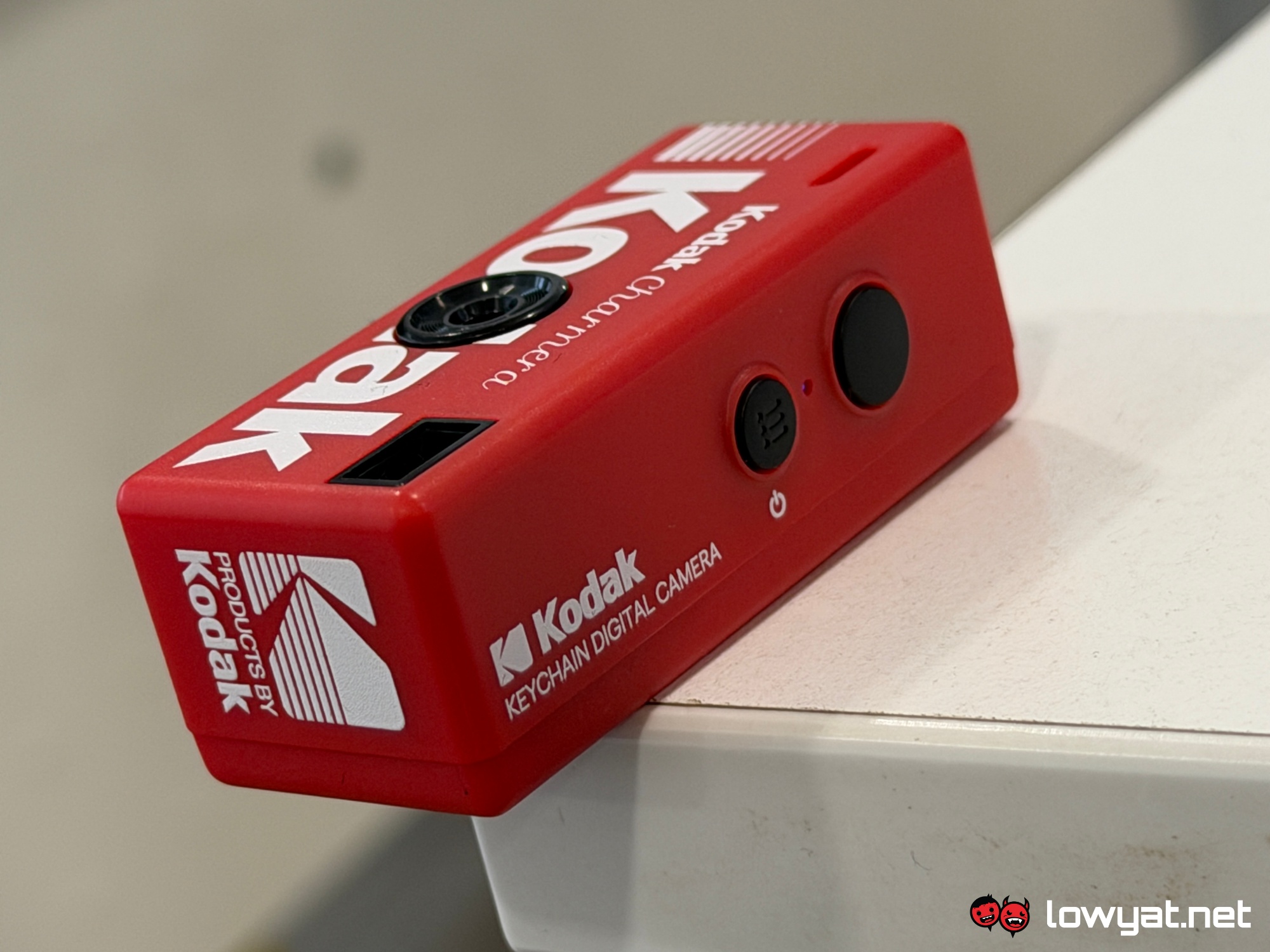
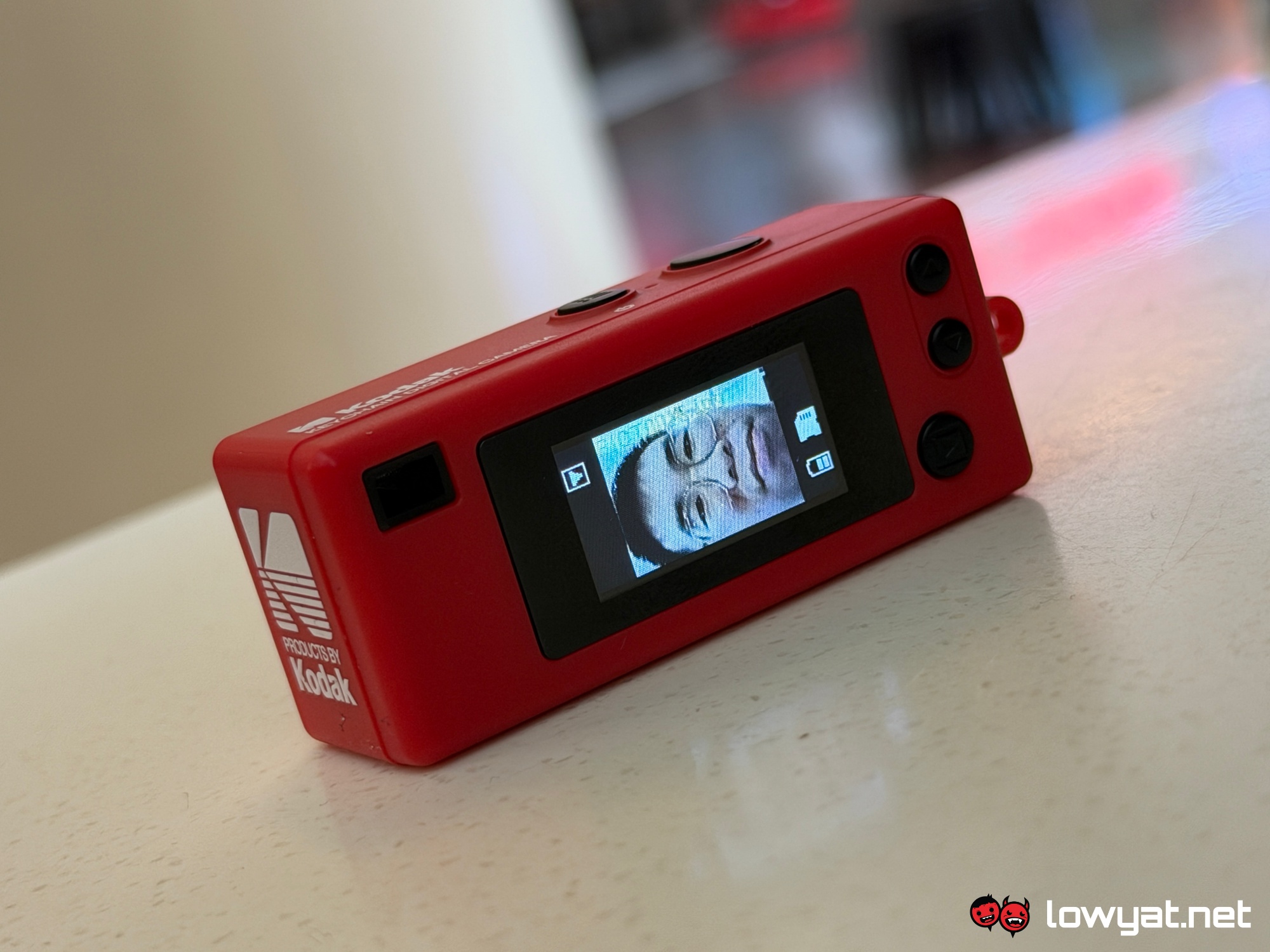
One of the Charmera’s biggest highlights is how easy it is to use. All you have to do is take it out, turn it on, and just snap. There are a few extra things you can tweak beforehand, such as choosing between different filters, but these are entirely optional. The camera’s straightforward nature harkens back to simpler times, and that’s an aspect I genuinely enjoy.
As I mentioned earlier, the image quality offered by the Kodak Charmera is nothing to write home about, and is even laughable by today’s standards. After all, all it has is a measly 1.6MP sensor, though it does output at 1440×1080 pixels for both photos and videos. Yes, you read that right, it can record videos – with audio too.
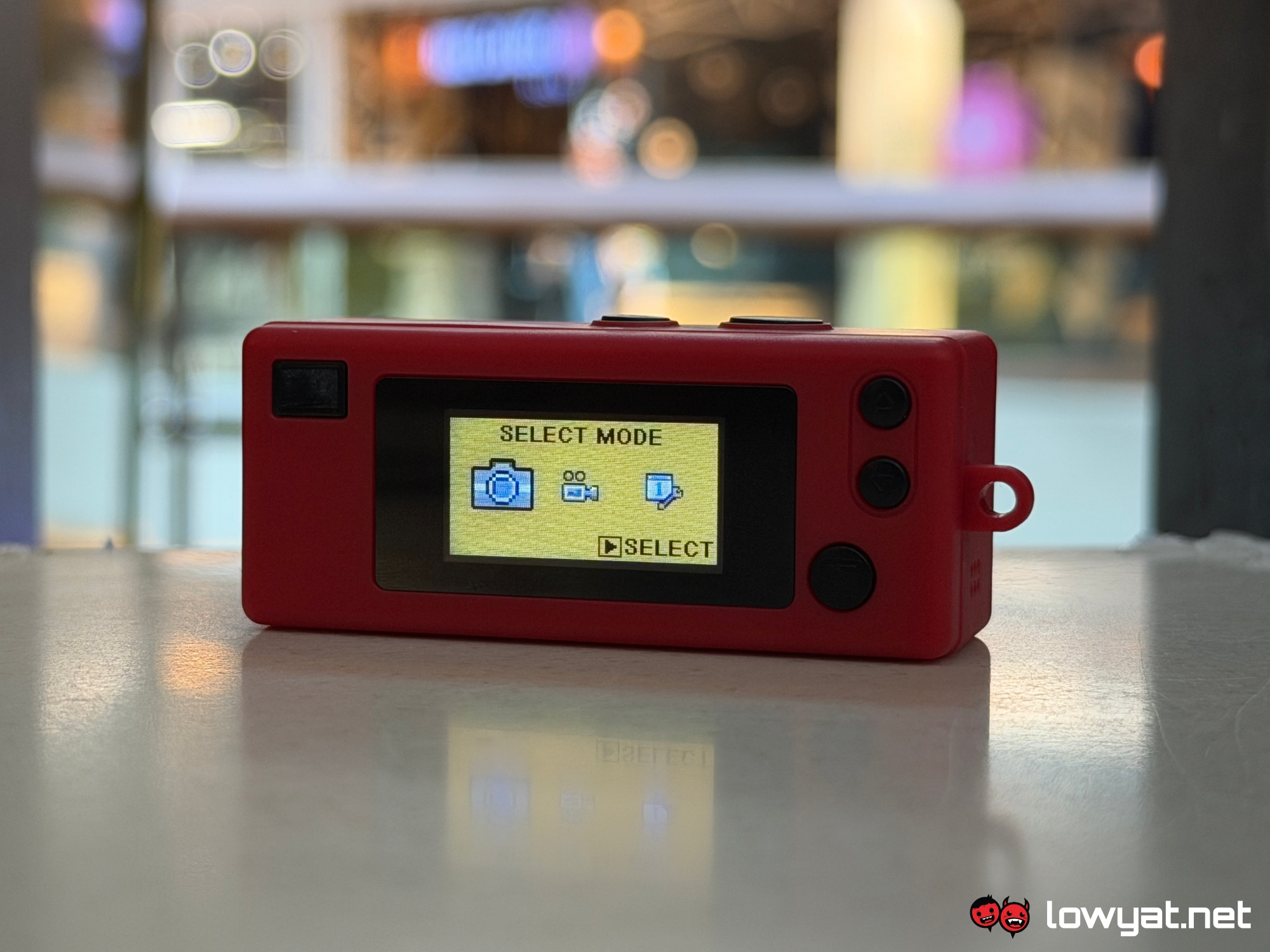
On paper, all of this sounds like a major drawback, but in practice, these limitations are precisely what make the Charmera a fun little toy camera. I don’t know about you, but acknowledging that I won’t be producing Pulitzer Prize worthy photos with it actually takes a heavy load off my shoulders.
Composition, rule of thirds, lighting? Throw all of that out of the window. The Charmera is all about candid shots. You’ll also want to ignore the optical viewfinder entirely, as it isn’t particularly accurate. Instead, trust your framing to the camera’s equally tiny LCD screen.
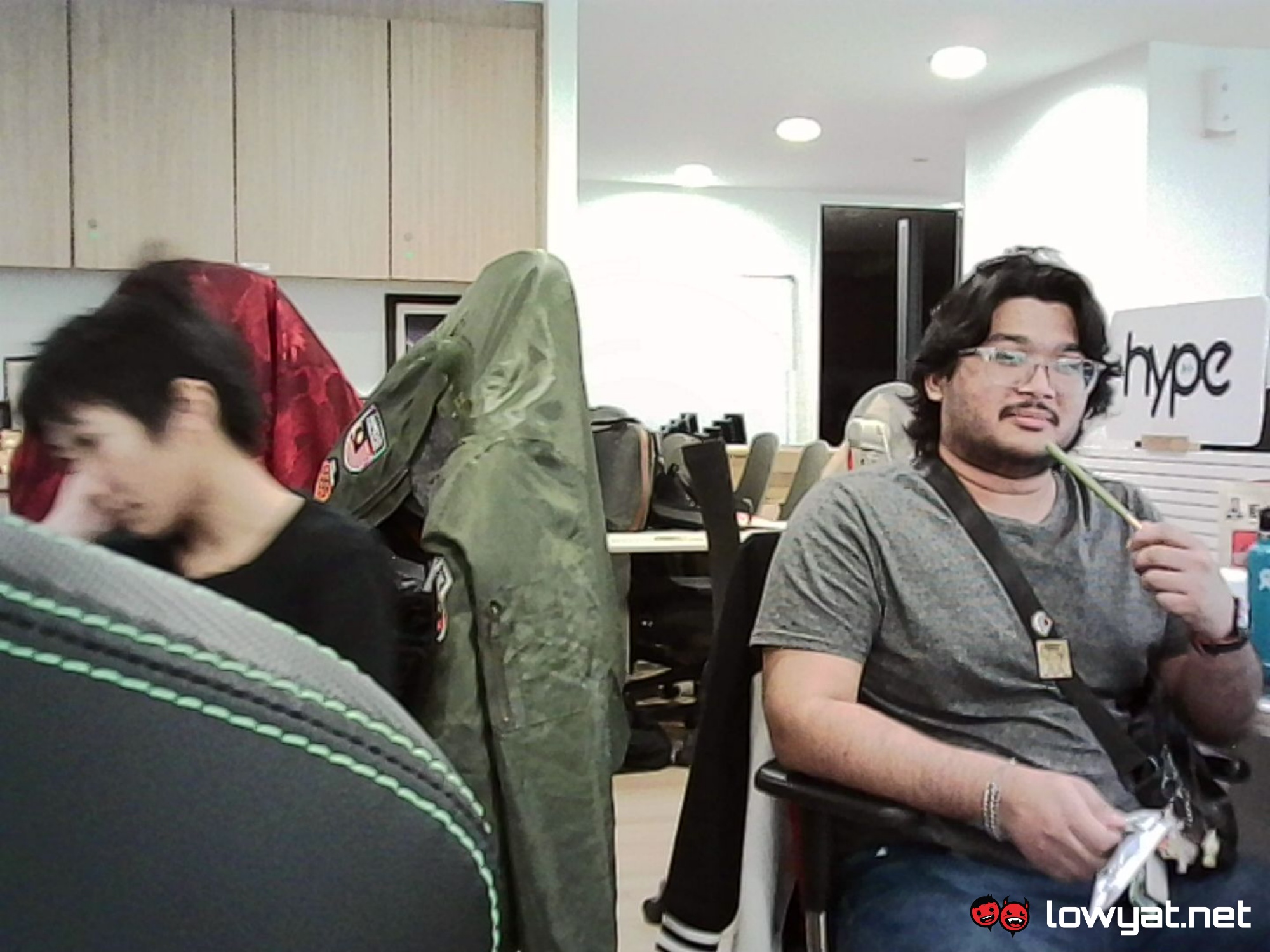
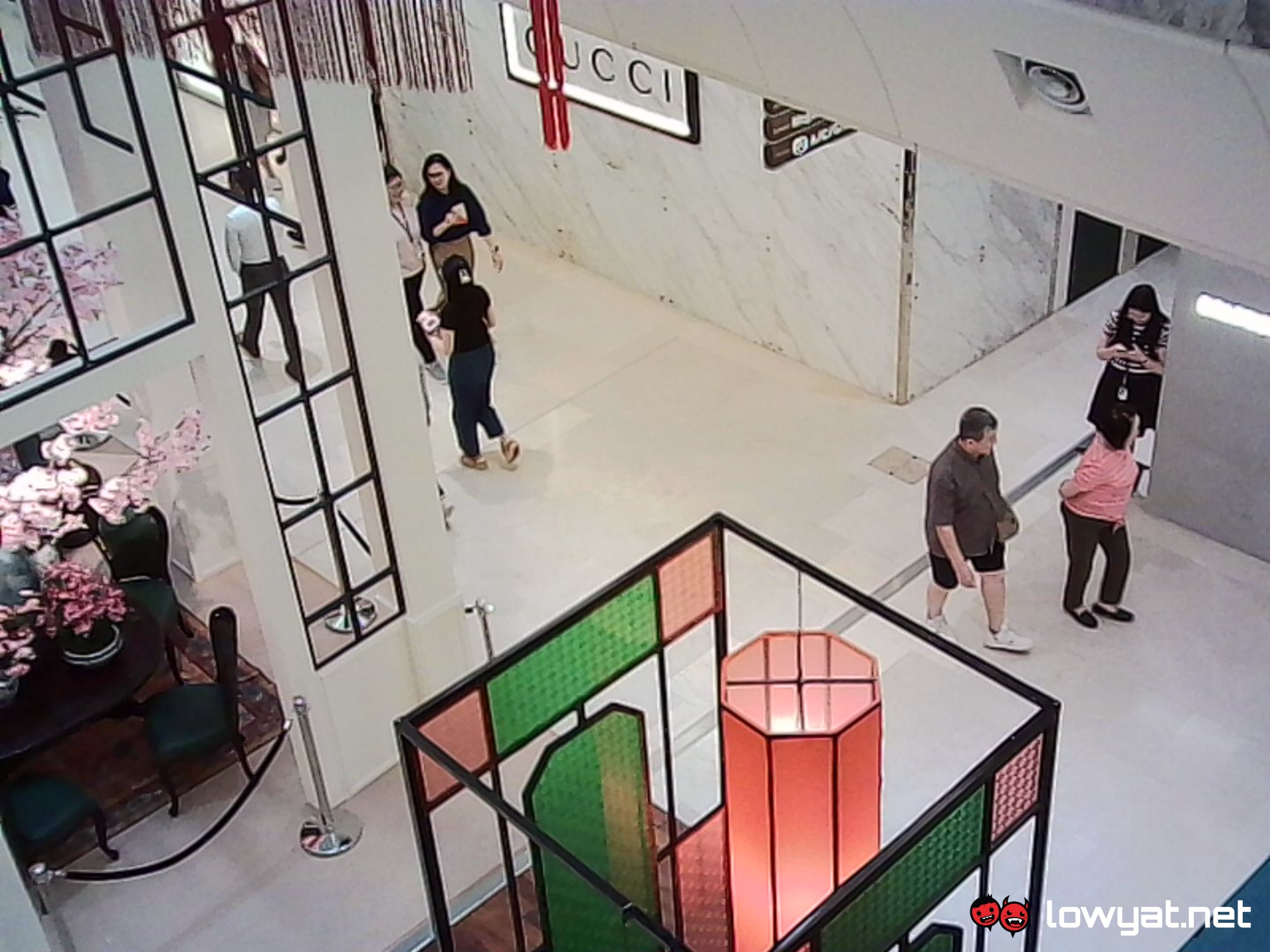


In a way, using the Charmera feels similar to shooting with an Instax or Polaroid camera, minus the instant prints. The upside here is that you won’t be wasting precious film if a shot doesn’t turn out the way you hoped, since everything is stored digitally.
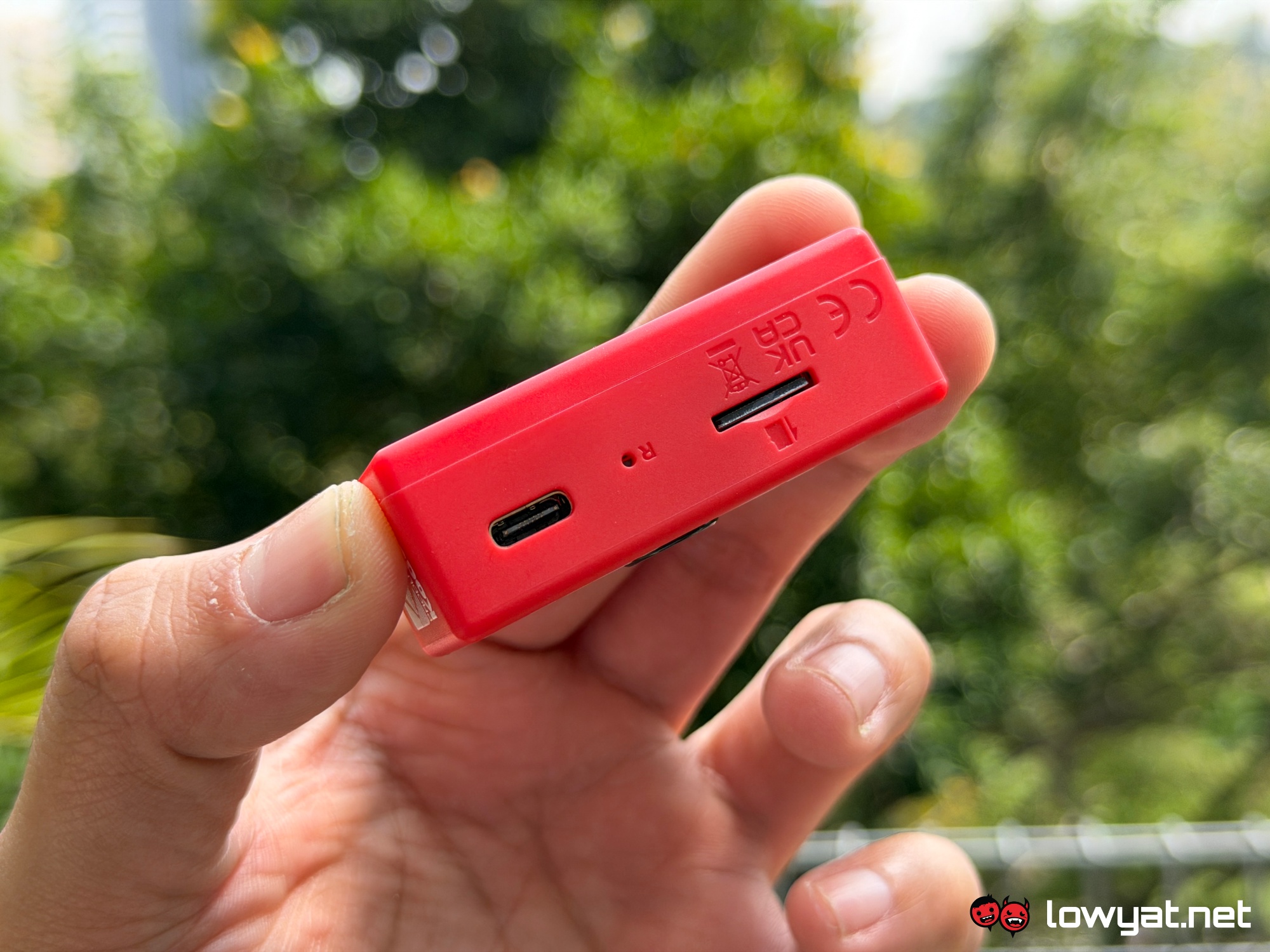
On that note, you’ll need to buy a microSD card separately, as the Charmera can only store two photos internally. I’d advise getting the lowest capacity card you can find, which should be very affordable. A 16GB card, for instance, can hold close to 5,000 shots, and given the camera’s limitations, there’s little reason to go any higher.
More Photo Samples


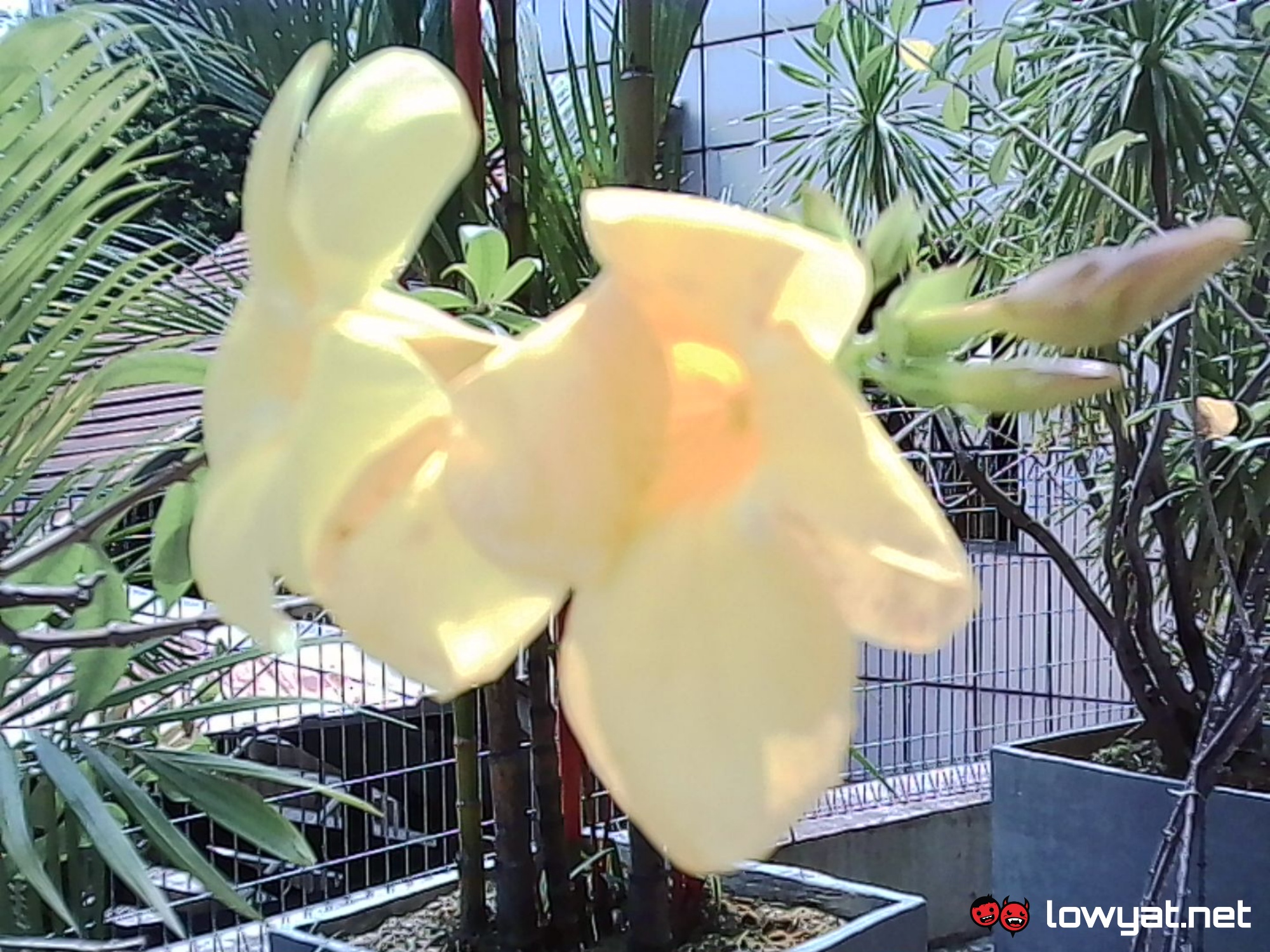






As for file transfers, there’s no wireless connectivity here. The only way to move files is via a USB-C cable connected to your computer, laptop, or smartphone. That same port is also used to charge its 200mAh battery. While it delivers a decent number of photos per charge, it only allows for about 20 minutes of continuous video recording. Calling this unimpressive would be fair, but it’s also very much in line with what you’d expect.
If there’s one thing I’d seriously criticise the Charmera over is its price tag, which currently averages around RM188 or so locally. You’re essentially paying for the brand rather than the technology featured on the device – an arguably outdated one at that.

In case you’re wondering why I didn’t publish this article as a review despite reading like one, it’s because of what comes after this line. If the Kodak Charmera’s price – retail or scalped – is a bit too much for you, then I have good news. Months after its release, alternatives have already begun surfacing online and they are way more friendlier for your wallet.
One such option is the G6 Thumb Camera, which is essentially the same device without Kodak’s branding. Pricing can vary depending on the seller, but it usually hovers between RM50 and RM60. My advice is to stick to trusted stores, ideally those offering it at the lower end of that range. Unlike the Charmera, these aren’t sold in blind boxes, so you can choose your preferred design, most of which closely resemble Kodak’s own, though the “rare” transparent variant is notably missing.
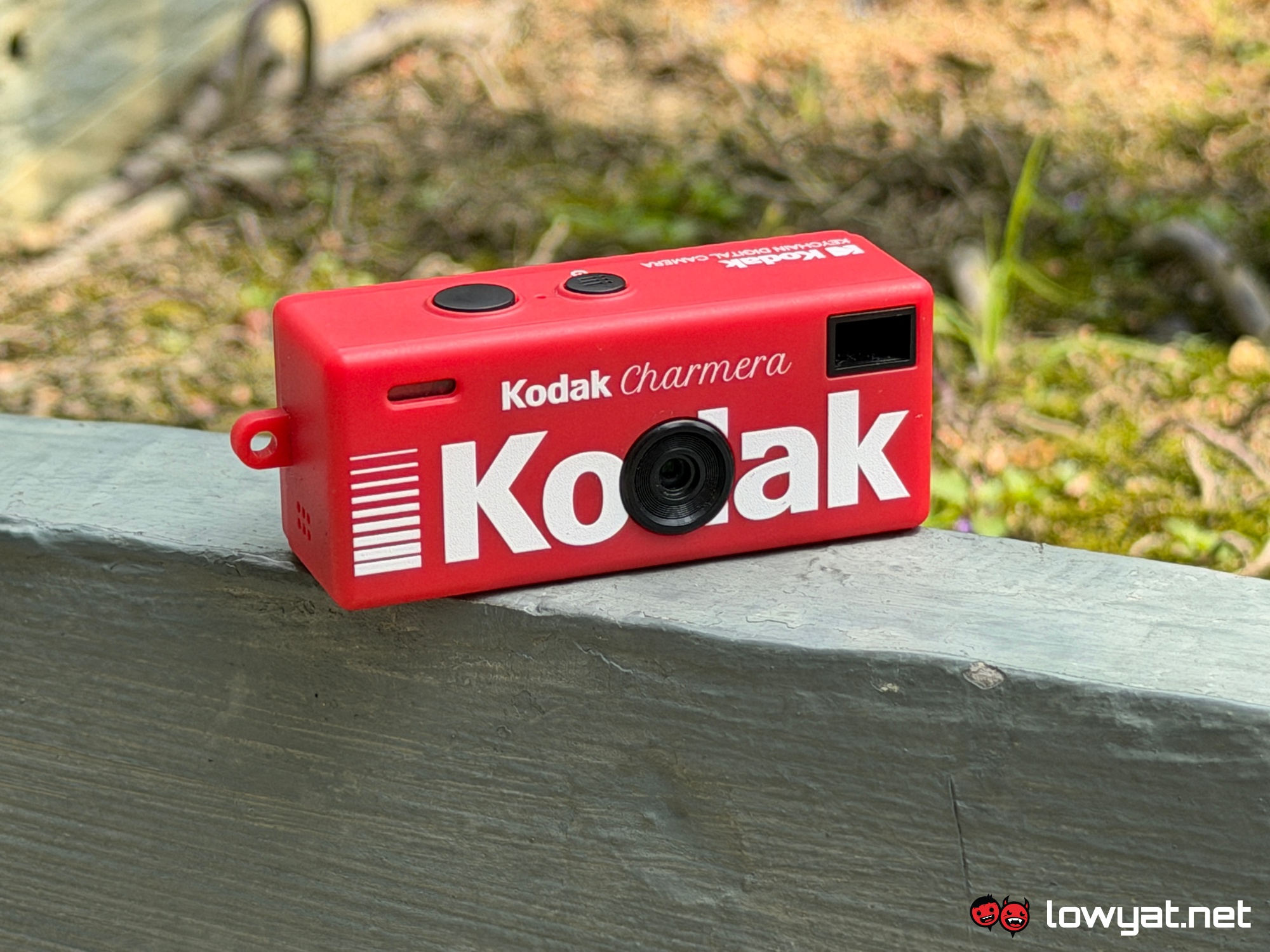
In the end, the Kodak Charmera serves as a reminder to enjoy the little things – almost literally. Its entire appeal lies in the “tiny camera that could” schtick, which is what makes it genuinely, well, charming. Whether you opt for the original or a cheaper alternative, cameras like these shine during non-serious moments, capturing memories in a way that’s far from perfect, yet still memorable.
To quote a certain Canadian singer, “Look at this photograph. Every time I do it makes me laugh.” Granted, Chad Kroeger didn’t use a Charmera, but even if he did, I don’t think we can ever tell what the hell was on Joey’s head with just a 1.6MP sensor anyway.
