

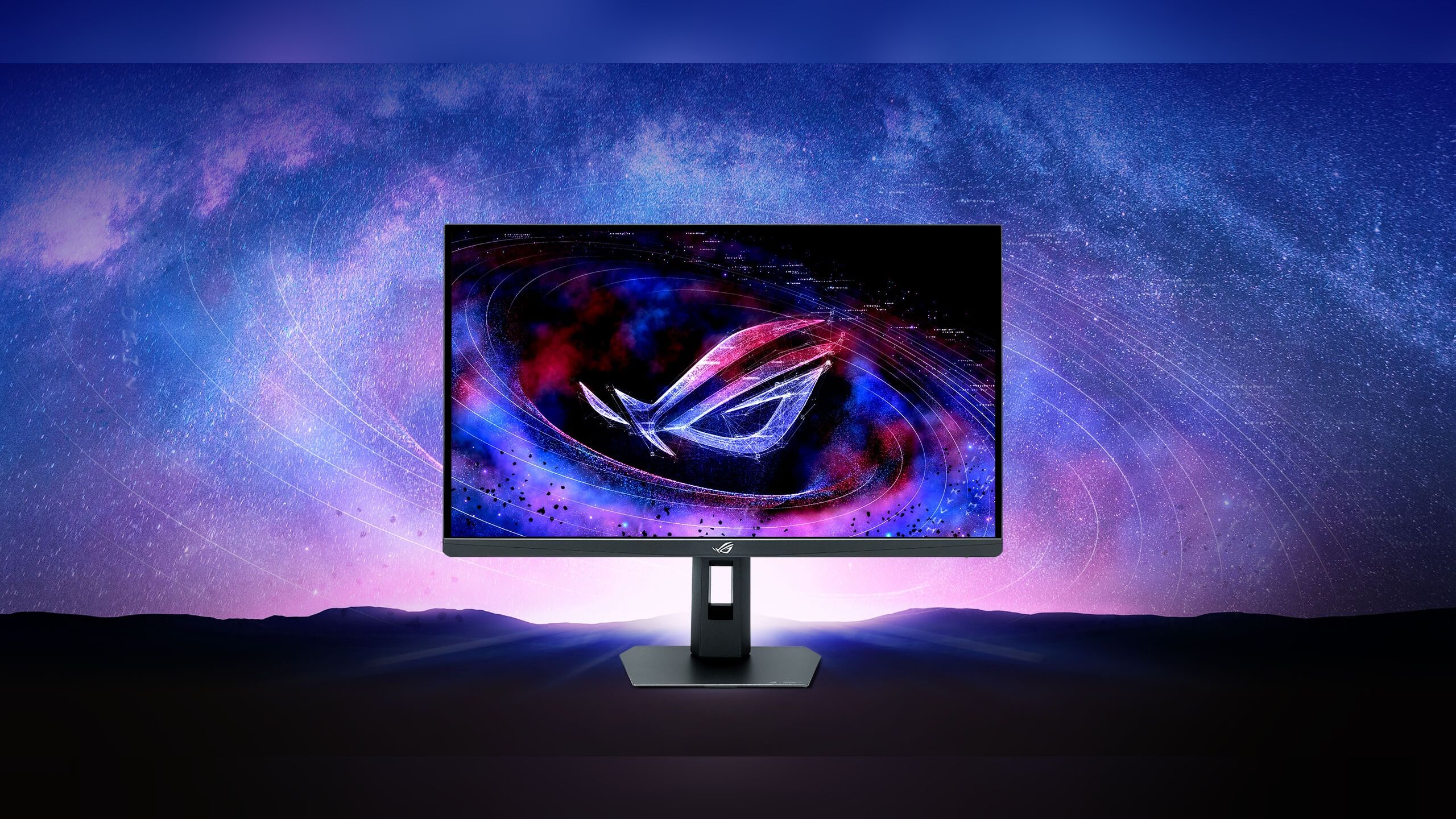
Asus has quietly added the ROG Strix XG27JCG gaming monitor to its official international website. As the title states, this display is the world’s first dual-mode gaming monitor that features a 5K resolution with a 180Hz refresh rate.
In terms of specs, the ROG Strix XG27JCG is a 27-inch monitor with an IPS panel. As for its dual-mode feature, the display is capable of alternating between the aforementioned 5K and 180Hz refresh rate or a QHD resolution at 330Hz.
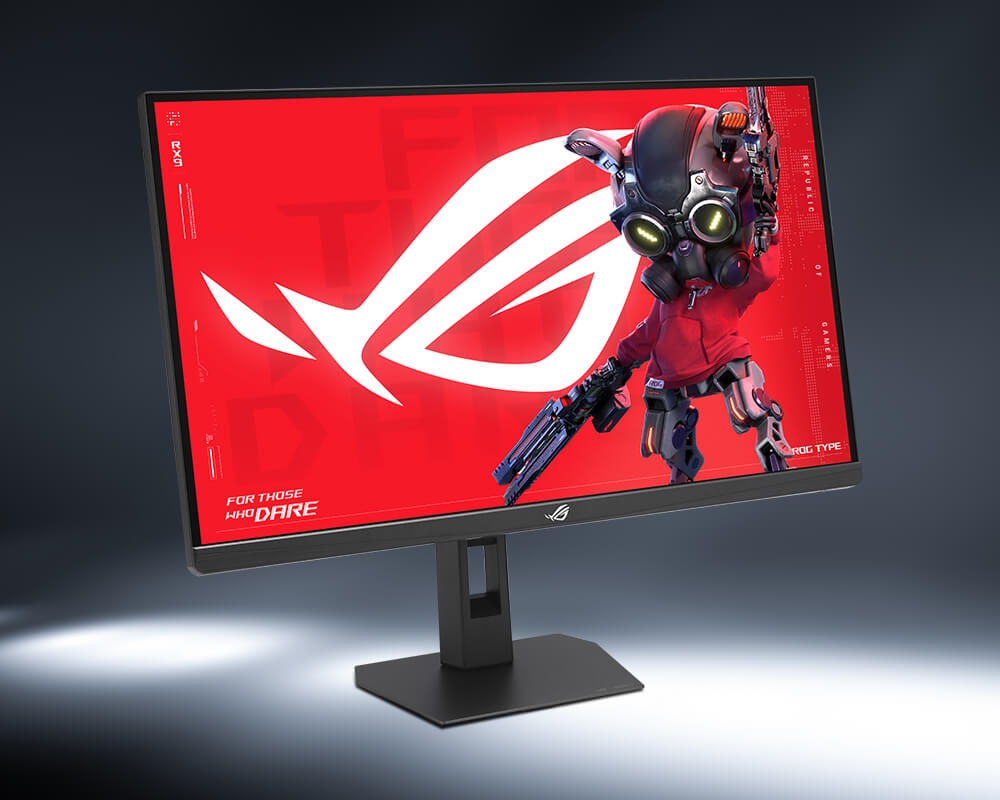
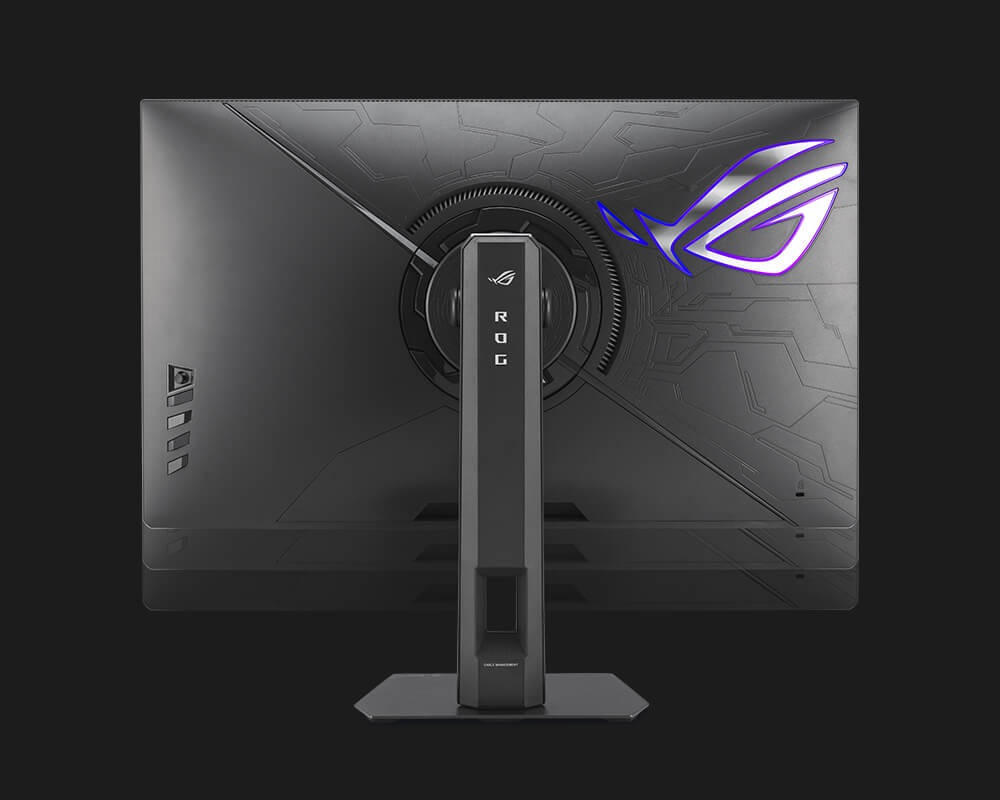
Moving on, the display has a pixel density of 218 PPI and a peak brightness of 600 nits. It also has a 97% DCI-P3 colour gamut and supports VESA DisplayHDR 600.
Further, the ROG Strix XG27JCG uses 10-bit colour and has an average brightness of 350 nits. The monitor also features support for both Nvidia G-sync and AMD FreeSync Premium. Additionally, itis also equipped with ELMB 2 (Extreme Low Motion Blur) and Variable Overdrive that improve motion clarity and prevent ghosting and tearing.
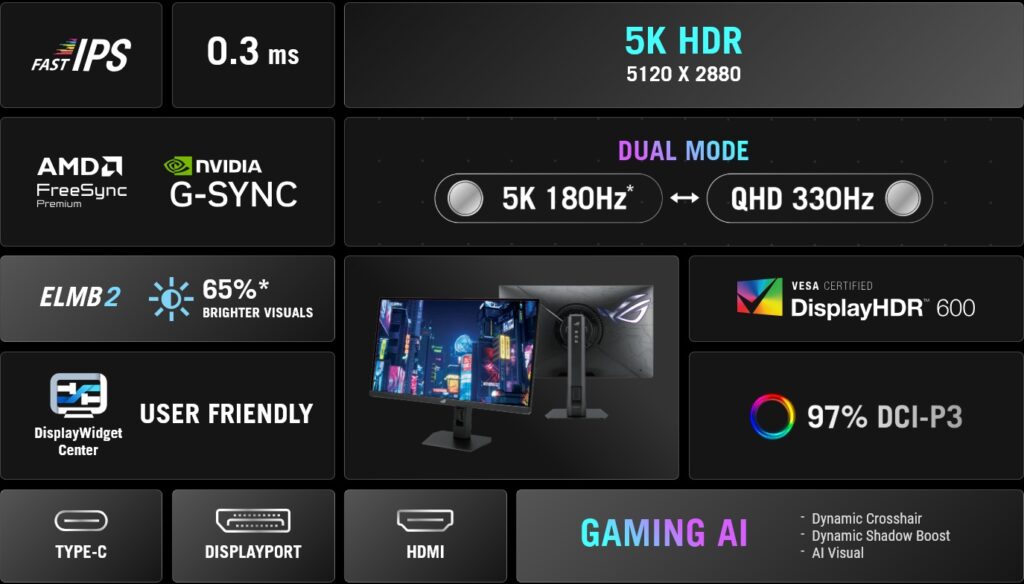
In terms of ports and connectivity, the hardware has a DisplayPort 1.4 DSC, two HDMI 2.1 ports, and a USB Type-C with a 15W power delivery. Additional peripheral connections include a USB hub with three USB 3.2 Gen1 Type-A and a 3.5mm headphone jack.
As for software, Asus equipped the monitor with AI features such as Dynamic Shadow Boost, Dynamic Crosshair, and AI Visual. The last of these automatically adjusts the picture and settings for optimal viewing.
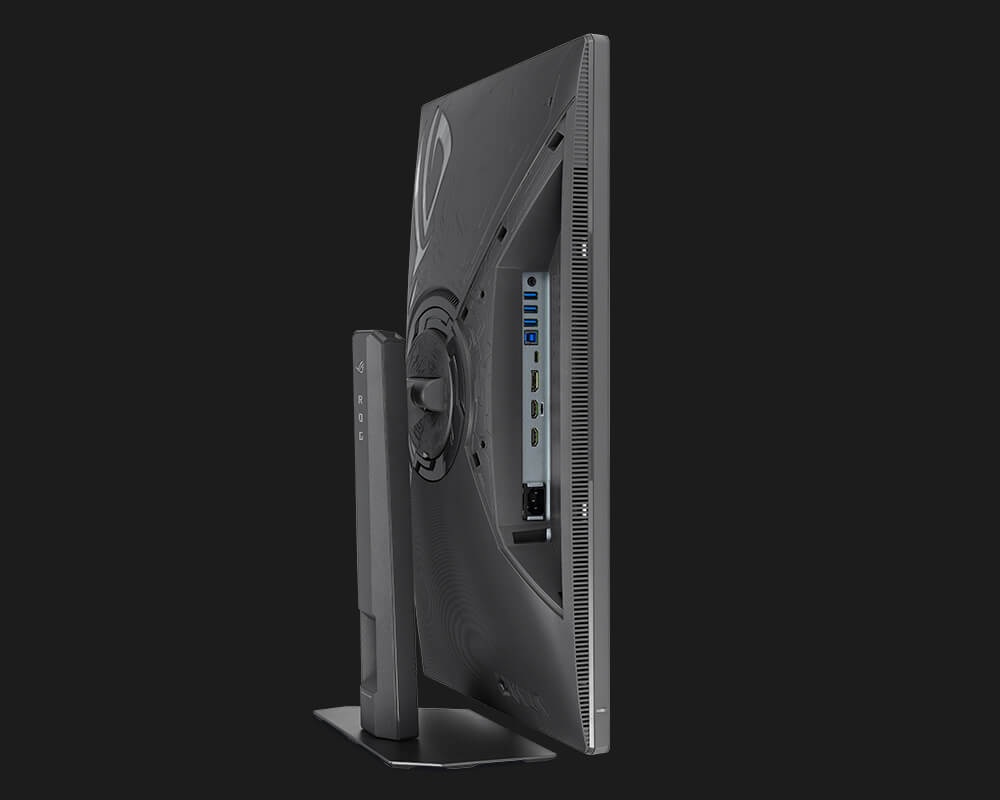
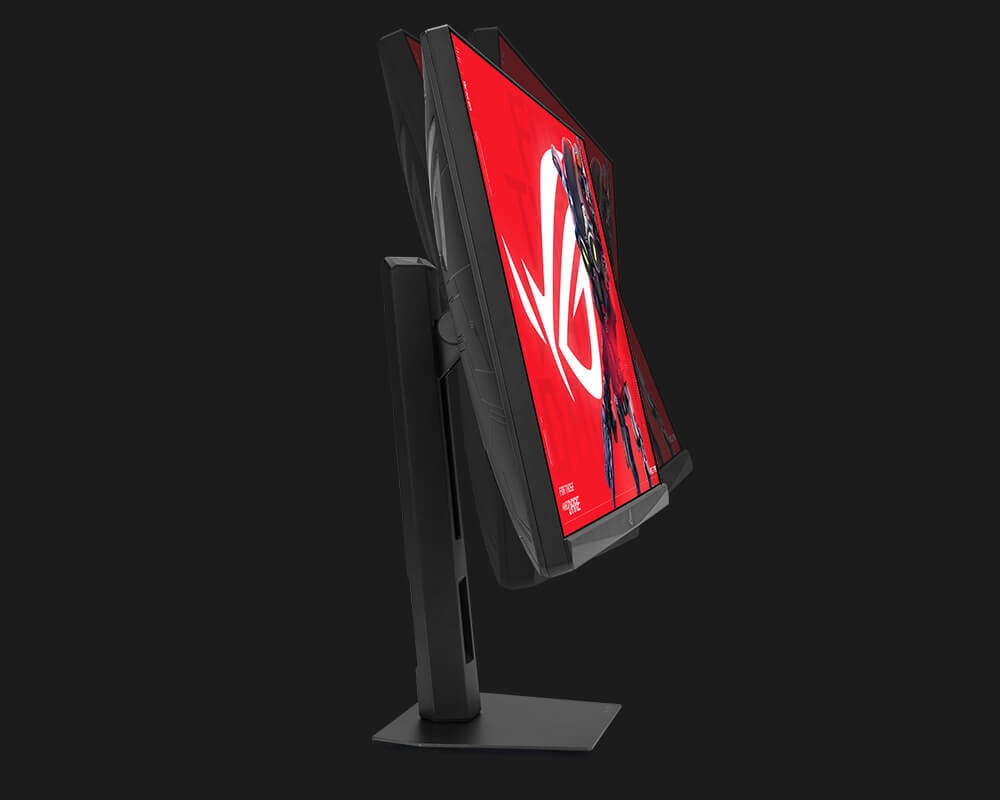
Lastly, there is the mechanical design of the monitor. It is capable of height, tilt, swivel, and pivot adjustments, as well as VESA 100 x 100 wall mounting support. The ROG Strix XG27JCG also features a 1/4-inch tripod socket for mounting additional accessories or a camera.
Unfortunately, Asus did not mention when the ROG Strix XG27JCG will go on sale, let alone its price. However, Gizmochina noted that we might hear more official details about the product during CES 2026. The publication also cited that a Hong Kong retailer has opened pre-orders for the monitor at HKD6,499 (~RM3,430) and notes an expected arrival date of December 31, implying that early units could ship before the end of the year.
(Source: Asus [1], [2], Gizmochina)
