
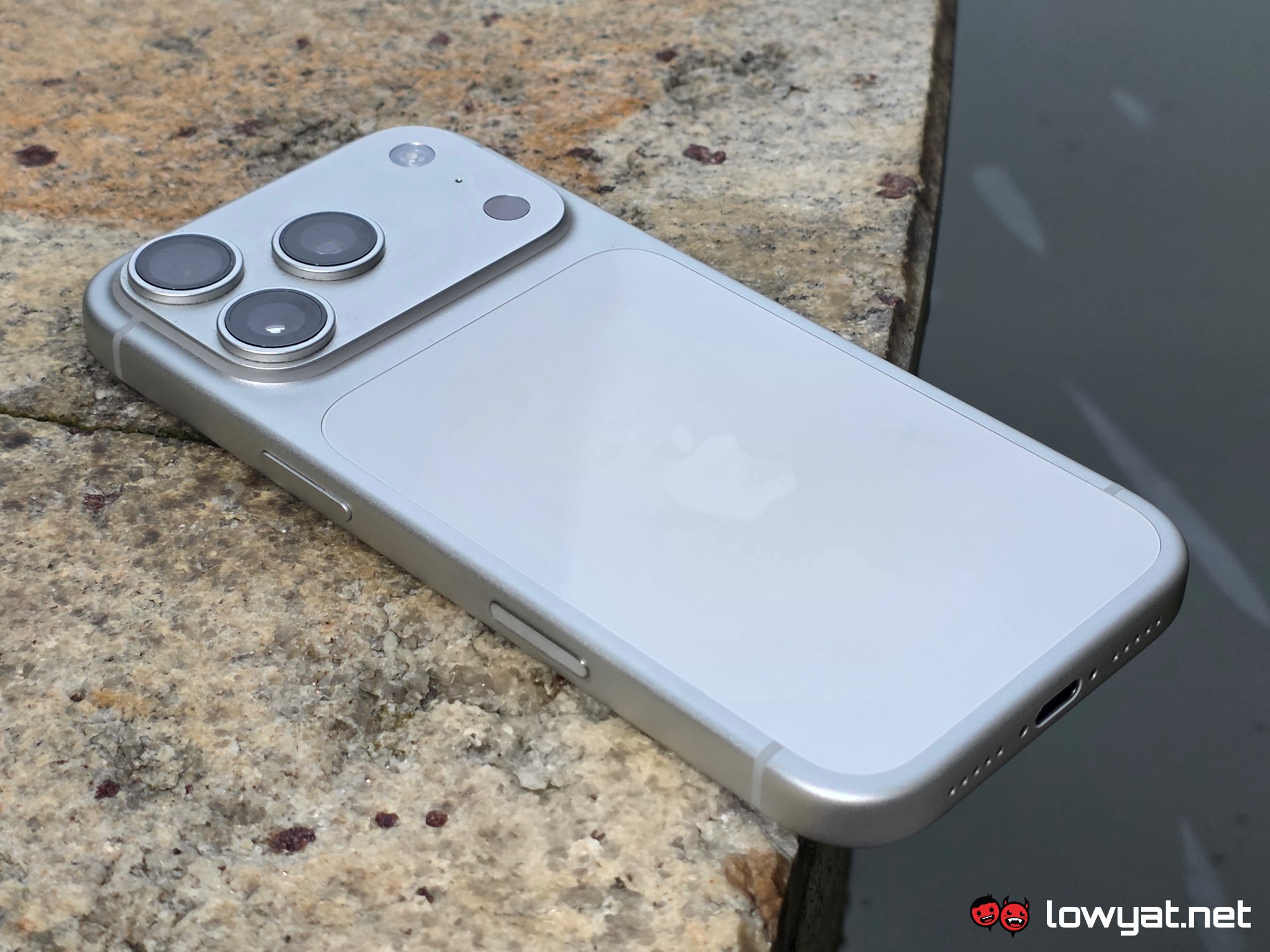
The iPhone remains one of Apple’s most recognisable products, with each generation introducing design cues that go on to define the line-up. That identity became even more pronounced with the arrival of the Pro models, which established the now-familiar triple camera layout widely associated with modern iPhones. Over time, the device has grown beyond its role as a flagship smartphone to become a statement piece, whether for lifestyle, brand loyalty or simply preference.
For 2025, Apple has refreshed that formula with the new iPhone 17 series. Barring the standard model, the line-up adopts a unibody aesthetic and an updated ceramic shield, but the most striking change appears on the Pro variants. These now feature a broad “plateau” on the rear, which houses the triple-camera system, flash, and LiDAR module. Naturally, Apple has also included upgraded internals and other refinements, with the new A19 Pro chip standing out as the headline addition.
That brings us to the focus of this review: the standard iPhone 17 Pro. With its new design, features, and hardware, this is a closer look at Apple’s latest high-end smartphone.
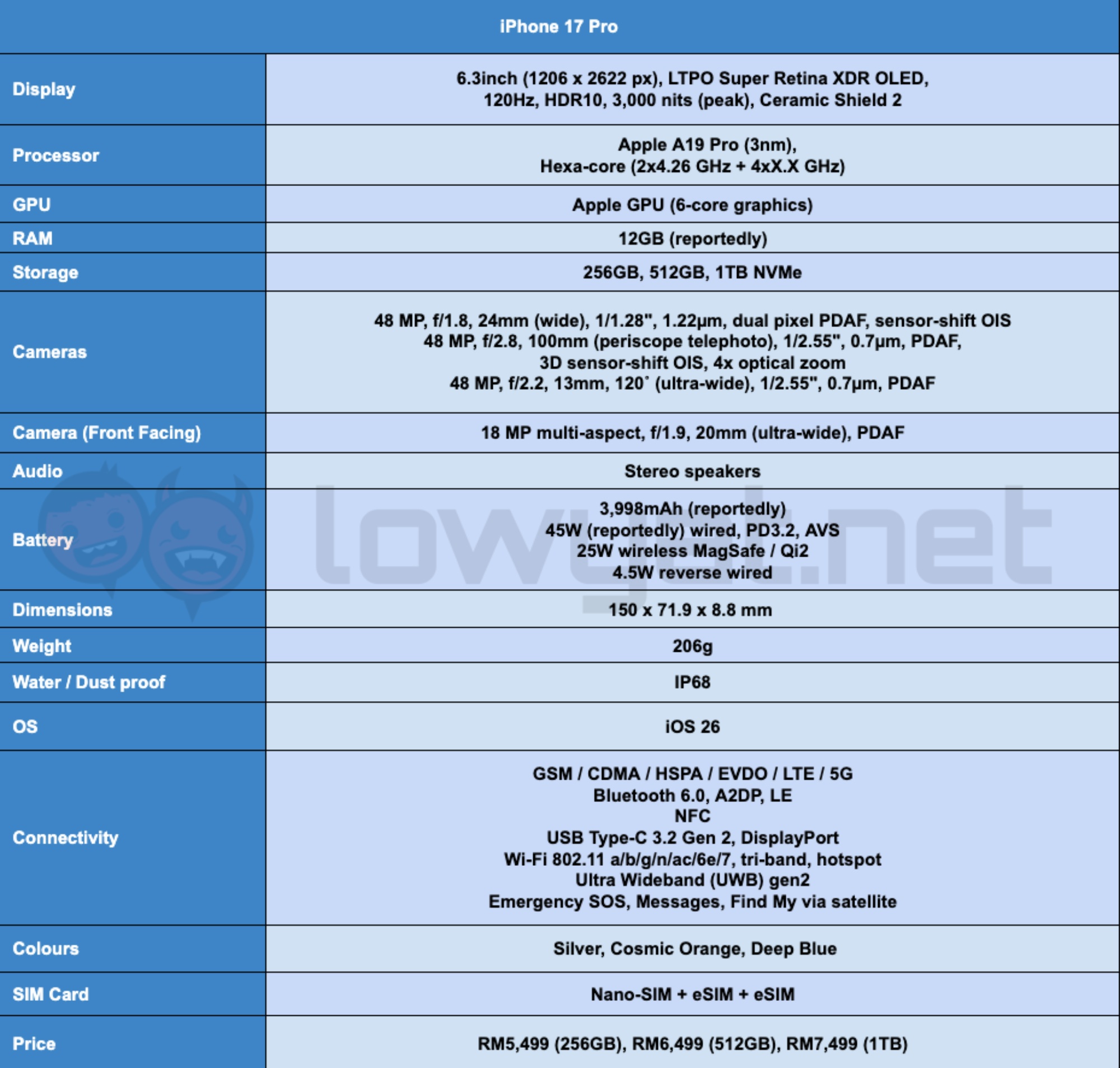
Specifications
Looks And Functionality
I initially stated in my first impressions of the iPhone 17 Pro Max, which also shares the same aesthetics as the regular Pro, that the refreshed design may take some getting used to. After months of using the device as my daily driver, I’ve more or less adapted to it. Even so, the experience hasn’t changed my overall opinion about the new look.
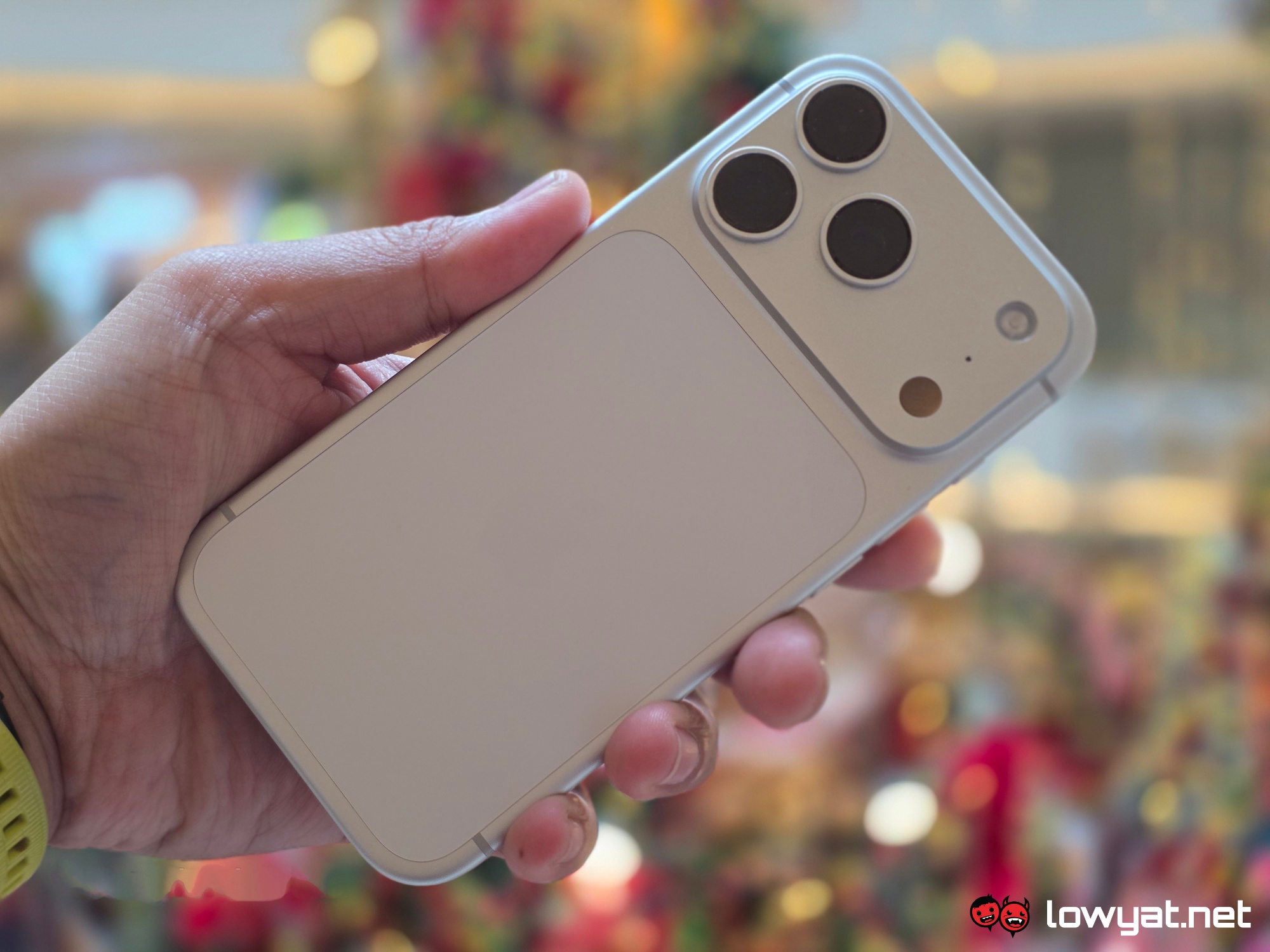
As before, I still find that the new camera island plateau gives the impression of wasted space, while the peculiar two-tone approach for the ceramic shield cheapens what’s supposed to be a premium aesthetic. While it hasn’t happened to my unit yet due to using a case, there have been damning reports of the new aluminium body getting easily scratched.
Despite these grievances, this refreshed design accomplished what it is set out to do: give the new iPhone an iconic look. Whether you like it or not, the plateau and familiar triple camera arrangement combination is now synonymous with the Apple smartphone’s identity. So much so that competitors have already taken inspiration from this with their own devices.
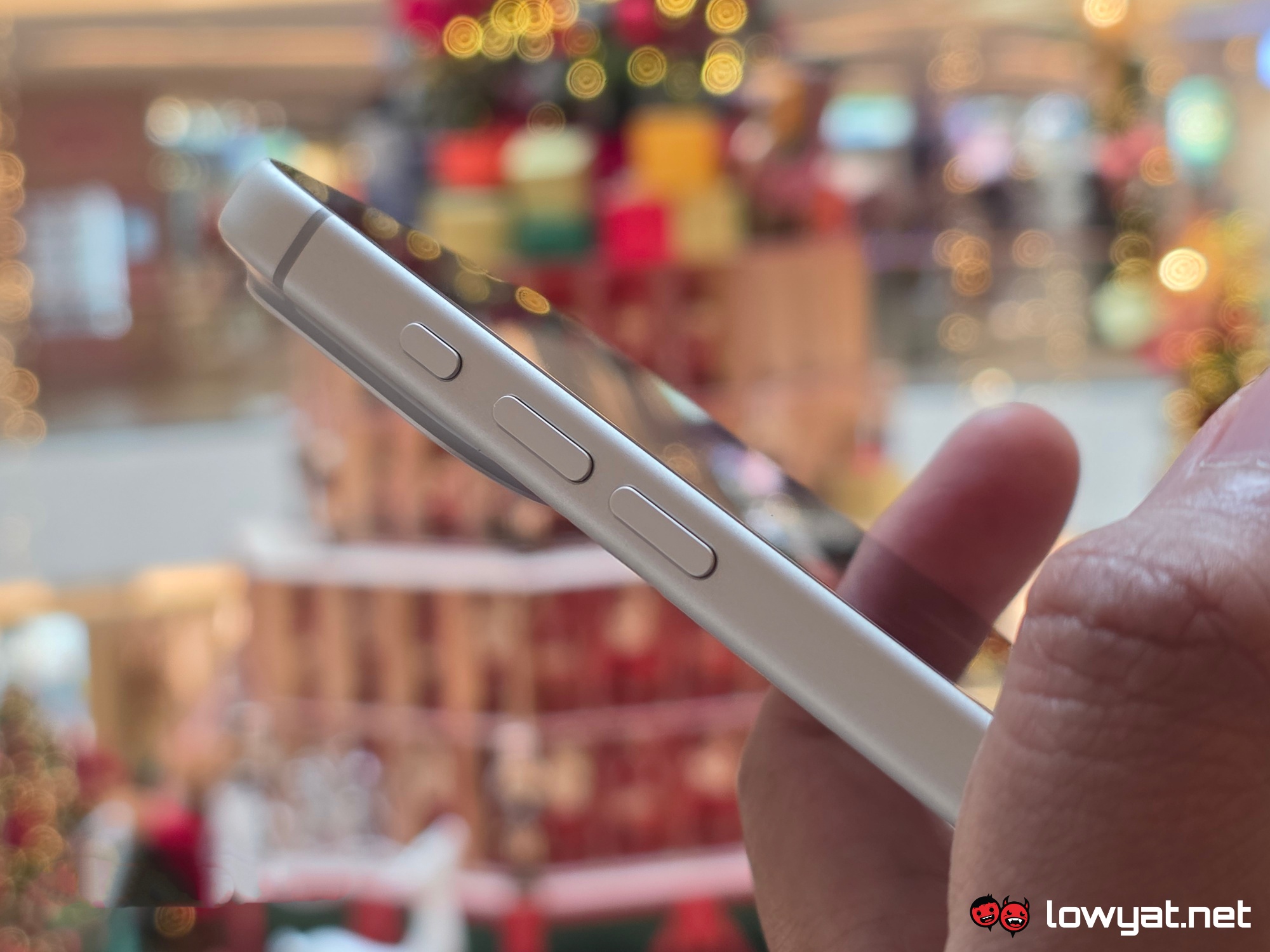
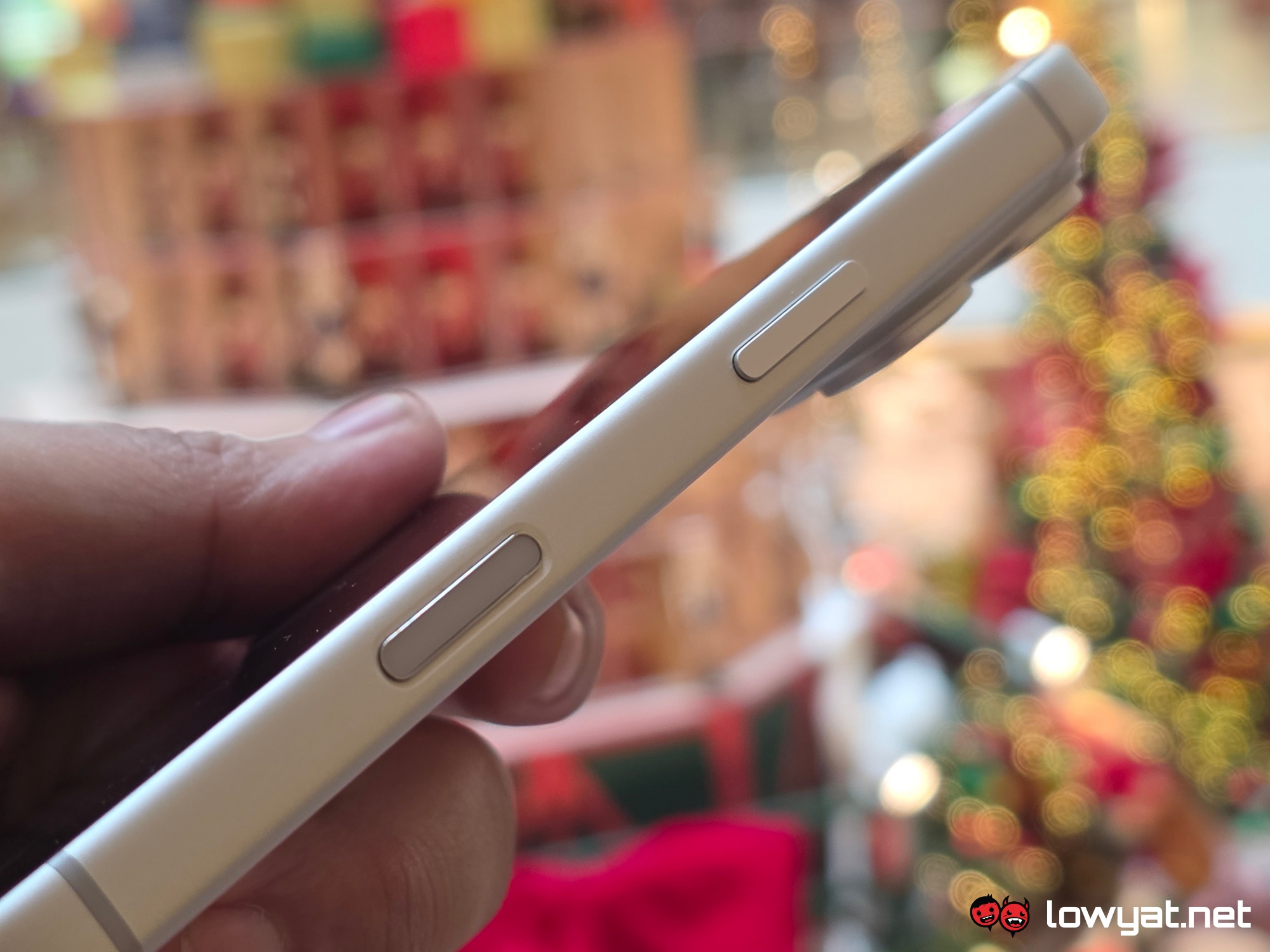
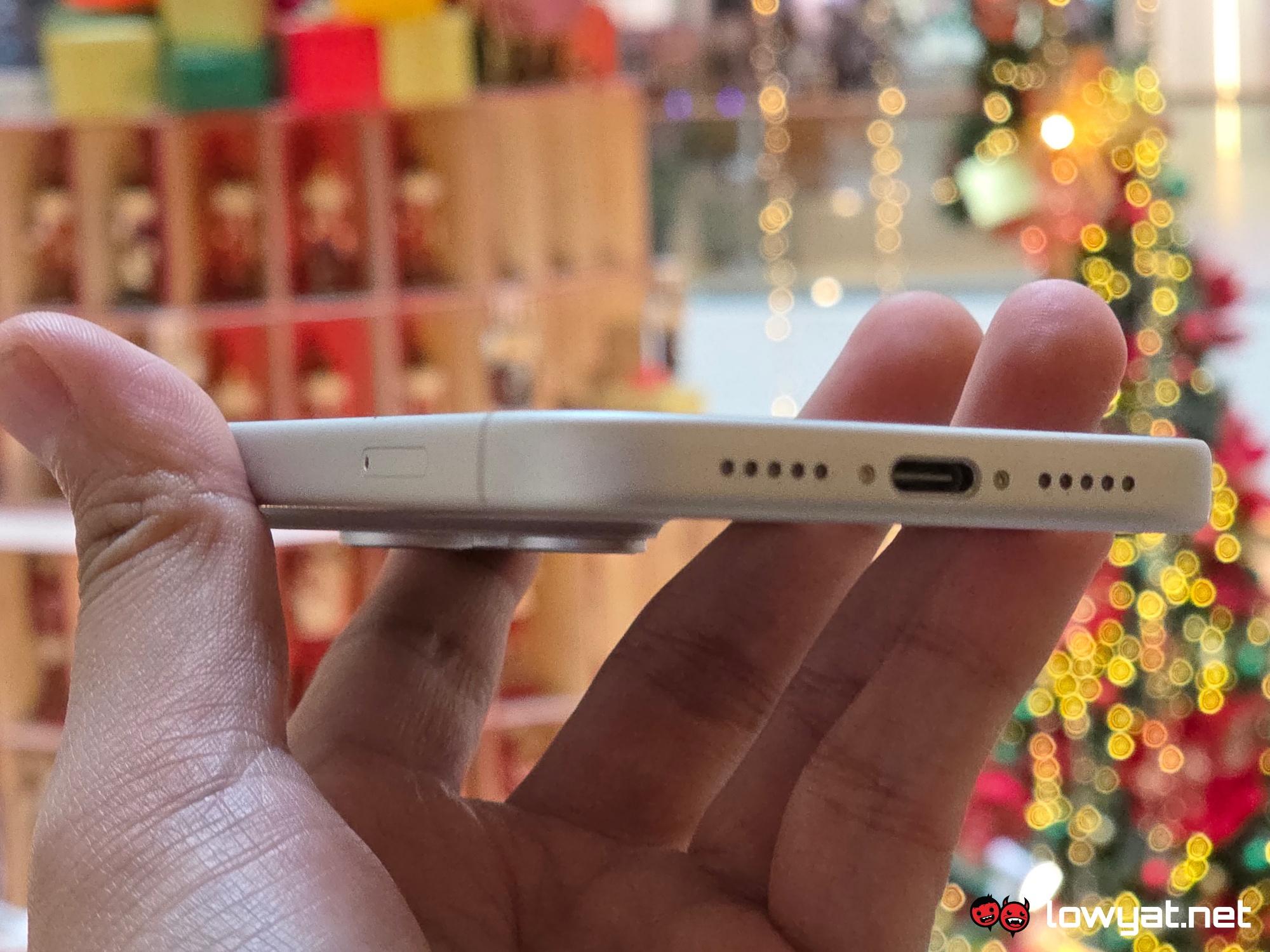
Aesthetics aside, many of the modern additions make a return here, including the multi-purpose Action Button and Camera Control. But let’s not kid ourselves here, the former will be mostly used for muting and unmuting your device, while the latter will eventually be neglected once its novelty wears out – especially for first timers. Sorry, but I’m one of those who find handling most of the actual camera controls via the screen far more snappy and convenient than the dedicated button itself.
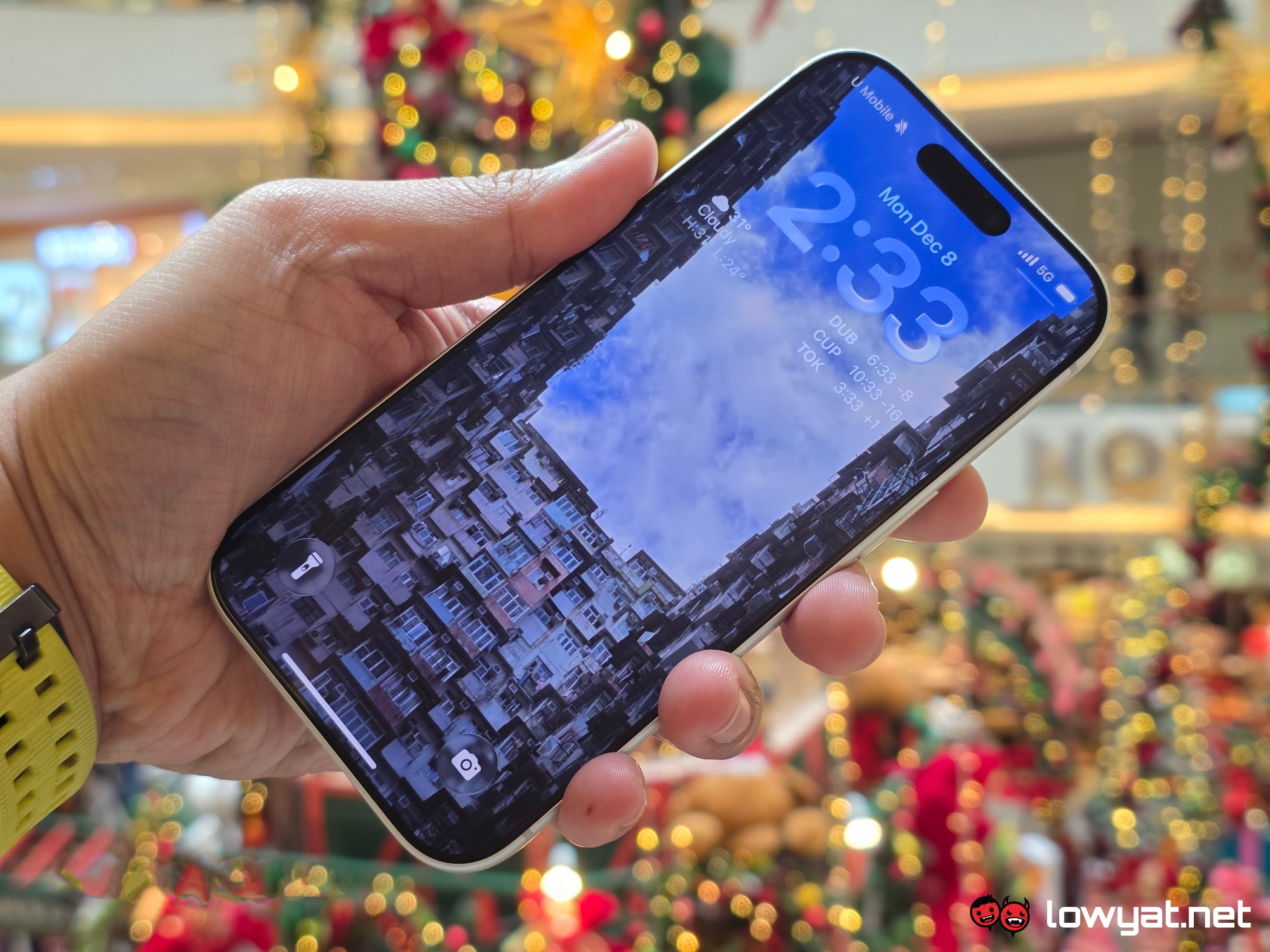
Speaking of screens, you won’t find anything new here on the iPhone 17 Pro. Like its predecessor, it’s still the same 6.3-inch Super Retina XDR display with ProMotion, Always-On and Dynamic Island. Thankfully, this is more of a case of “if it ain’t broken, don’t fix it” since visuals are still sharp and smooth, though the display does lag behind certain Android flagship models that offer higher resolution and refresh rates.
Audio, on the other hand, is fine. The speakers on the iPhone 17 Pro perform well for a personal experience, but don’t expect MacBook levels of quality here. Although, I did notice that the volume seems a bit weaker when compared to the 16 Pro.
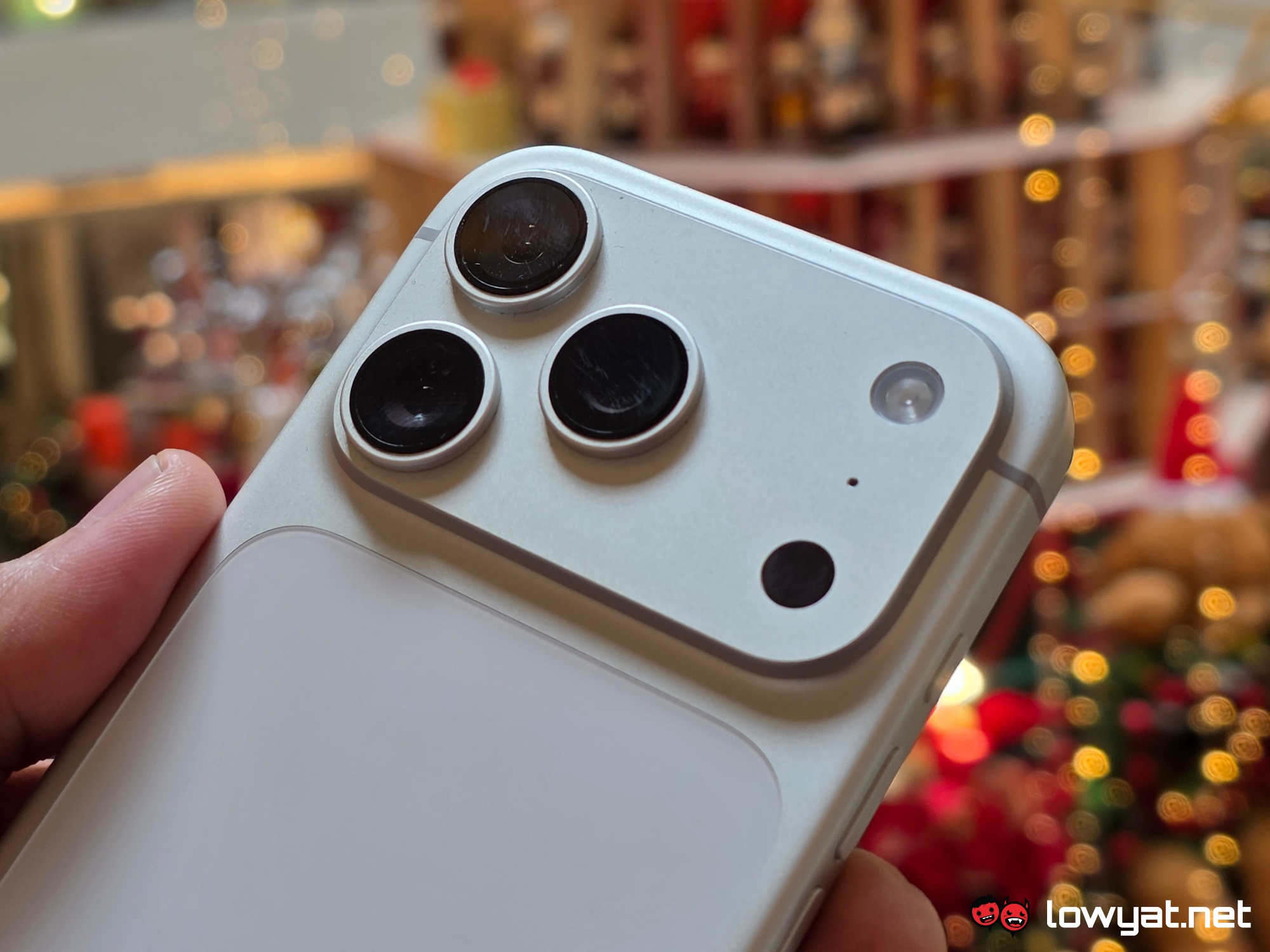
In terms of durability, one might say that the shift back to aluminium from titanium is a downgrade, but I don’t really mind it. To its credit, the new unibody design feels substantially sturdy, though I’d still recommend getting a case just to be safe.
Meanwhile, the phone’s screen is protected by the new Ceramic Shield 2 glass, which is said to offer major scratch resistance over the last version. Since we don’t do screen durability tests, especially on a device with a four-digit price tag, I’ll just take Apple’s word for it.
Performance And Battery
The new A19 Pro chip is easily the part I’m most excited about in this year’s Pro line-up, and it doesn’t disappoint. Across numerous benchmarks, the iPhone 17 Pro leaves its predecessor in the dust with a significant leap in performance. This also shows up in day-to-day use, with everyday apps, system functions and gaming all benefiting.
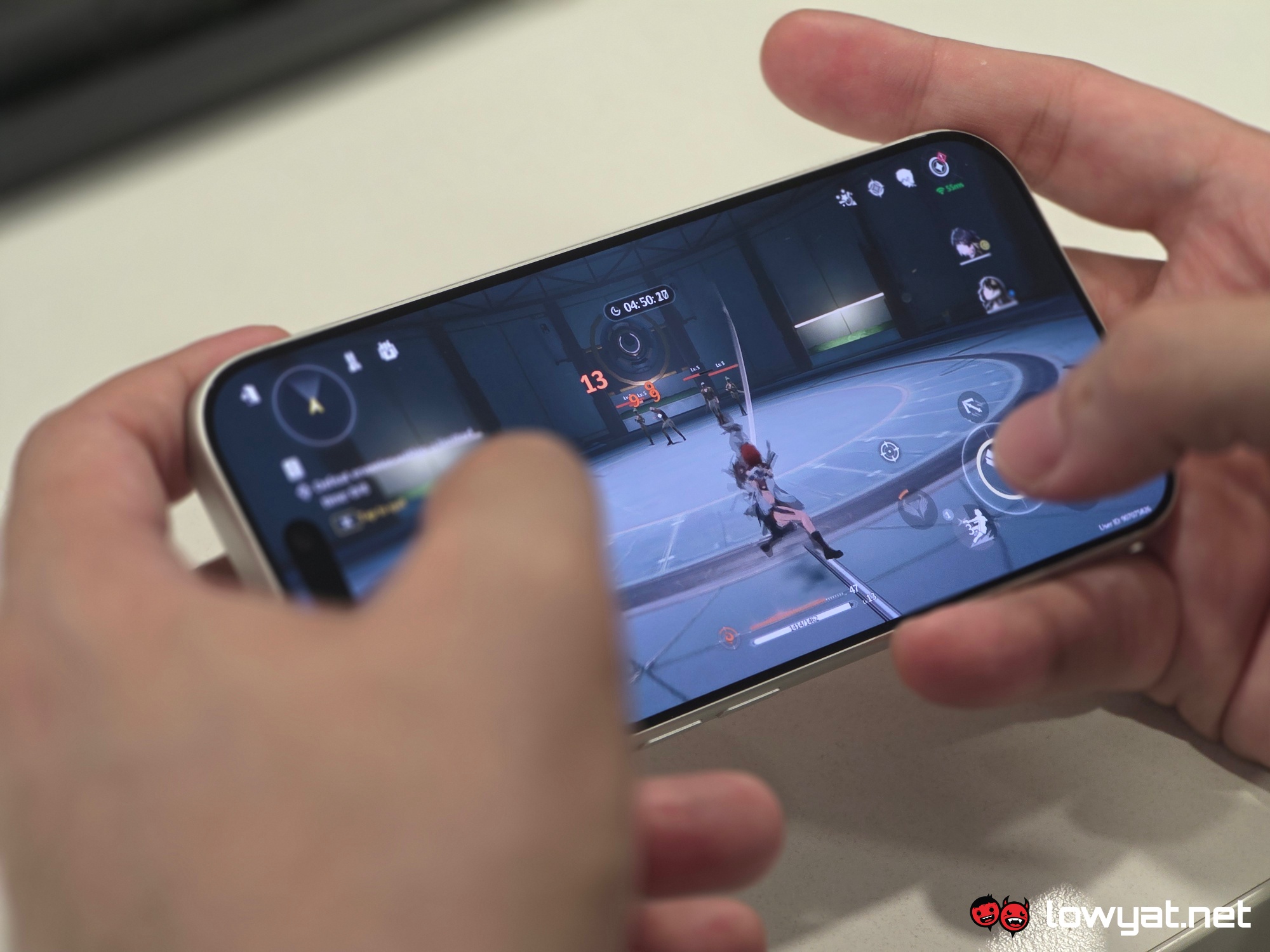
Paired with iOS 26, navigation and app responsiveness are smooth across the board. The same applies to the games I tested. Demanding mobile titles such as Warframe and Wuthering Waves run flawlessly at their highest settings and hold a steady 60 frames per second.

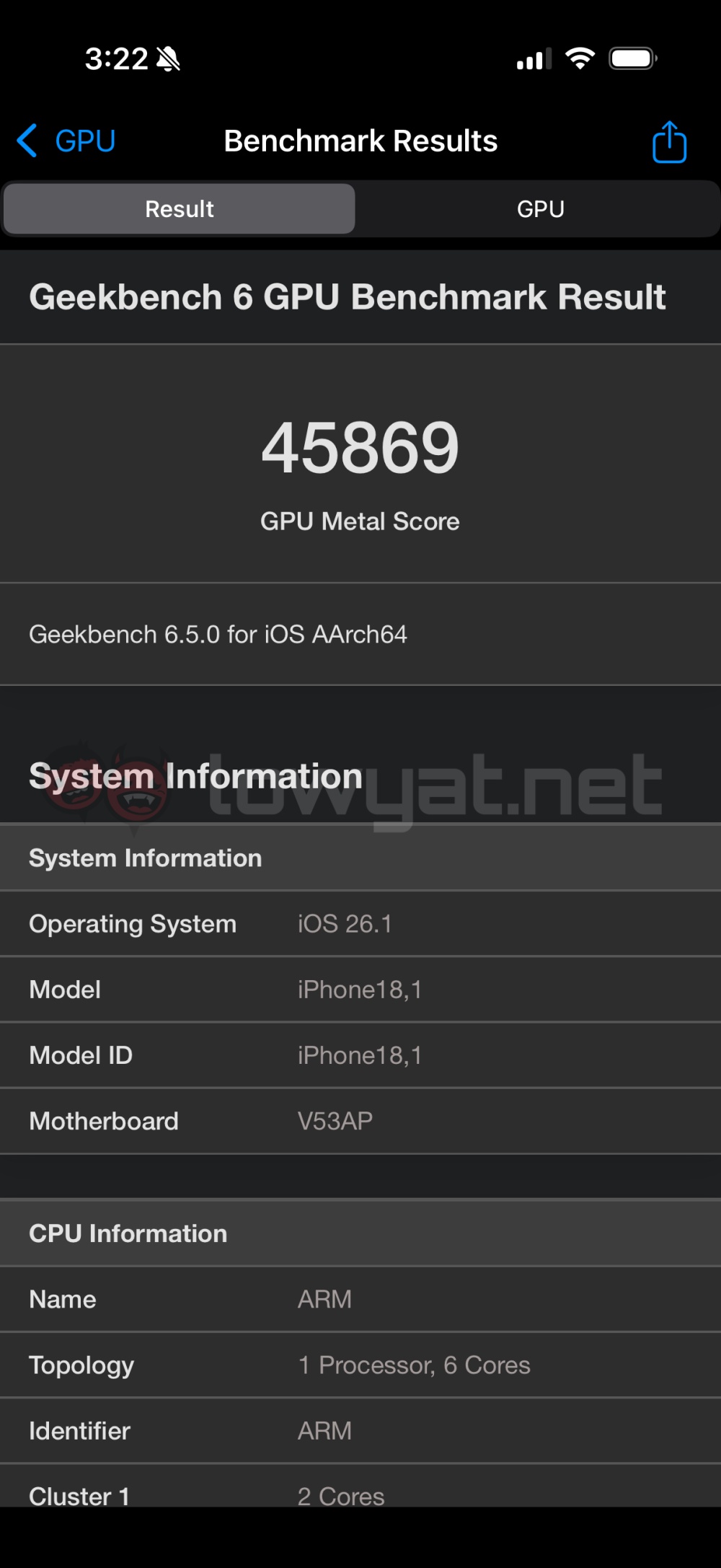
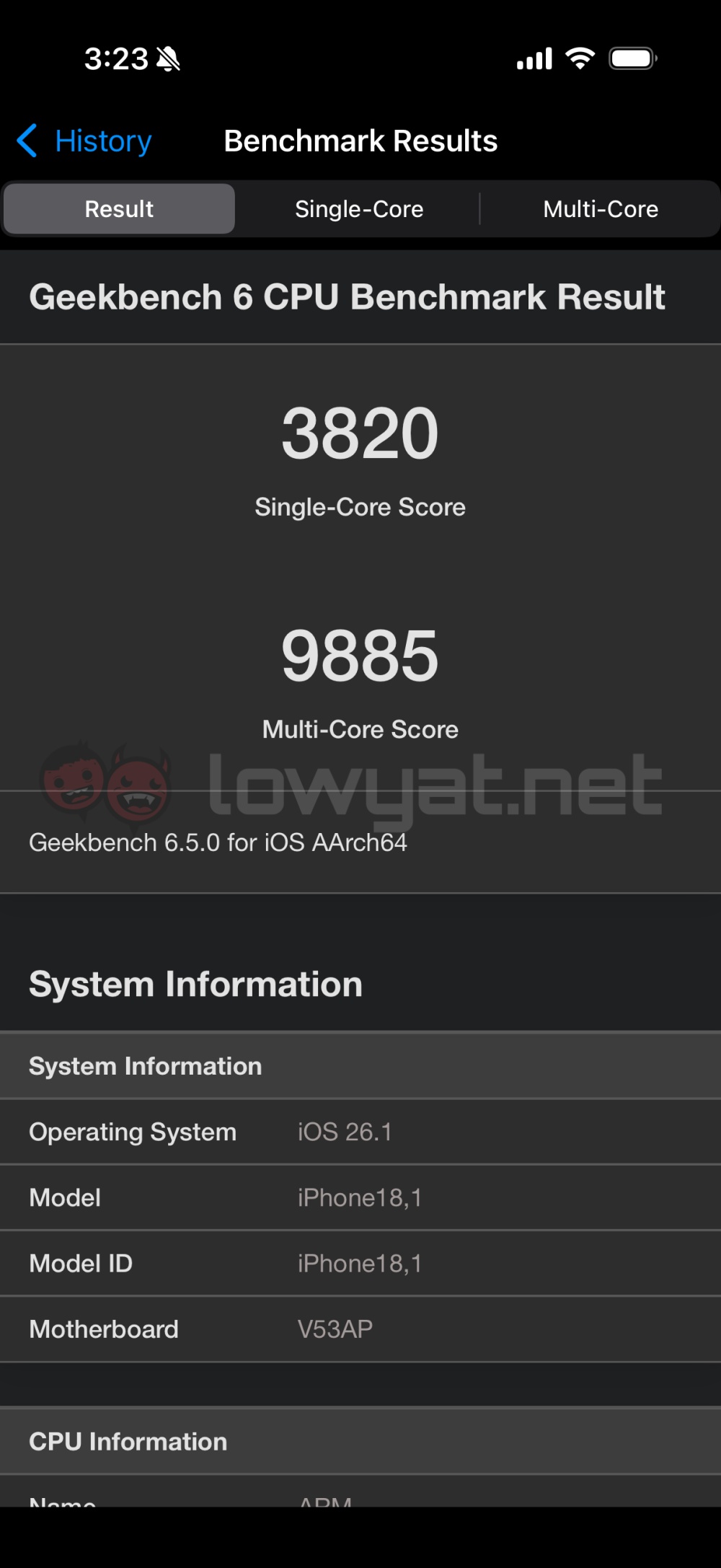

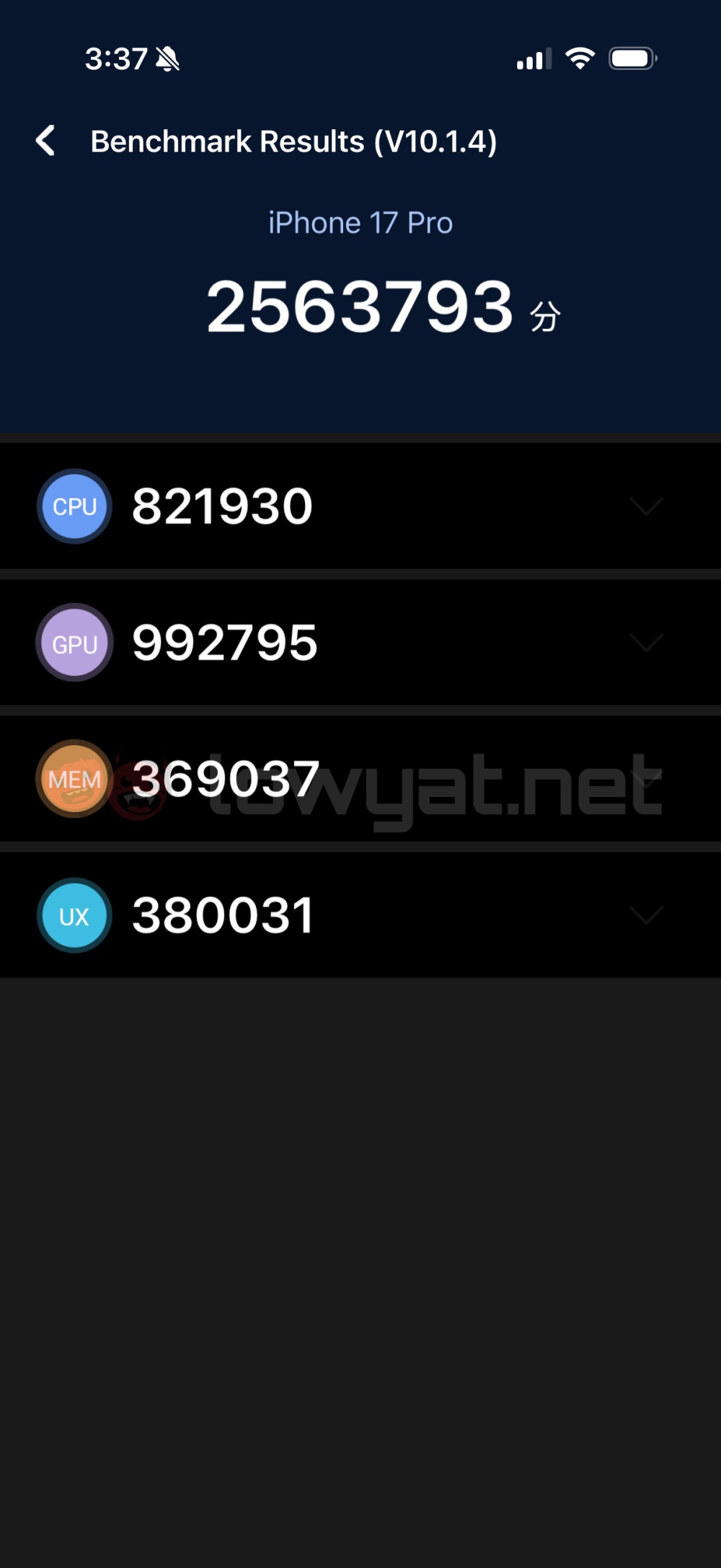
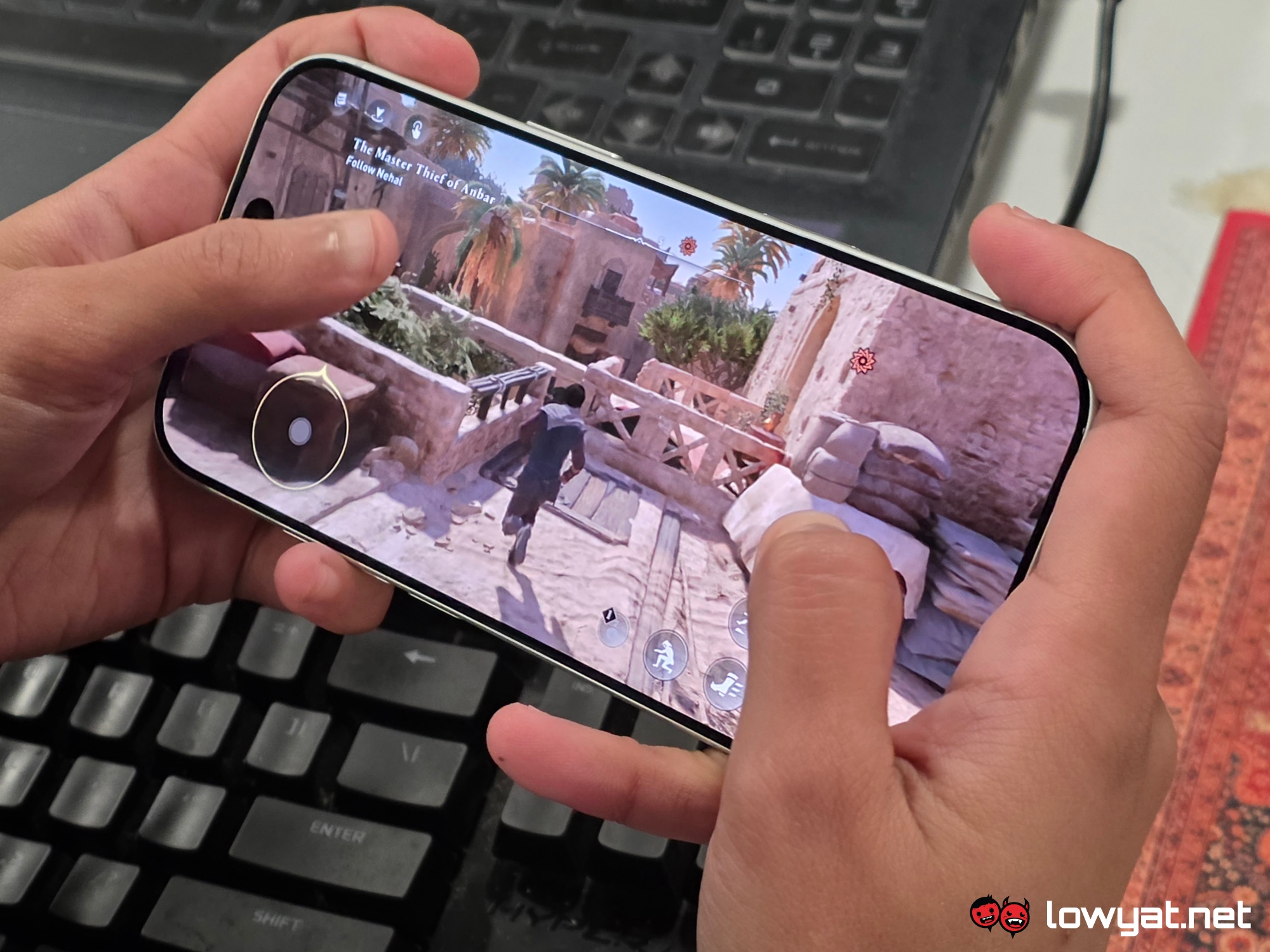
Although, AAA ports tell a different story. While performance has improved over the A18 Pro, you still shouldn’t expect console- or Mac-level output from the iPhone 17 Pro. Resident Evil 4 Remake and Assassin’s Creed Mirage both ran at their recommended settings, averaging in the high-30 fps range at best. The bigger problem is input delay, which noticeably hurts the overall experience, especially in a game like Assassin’s Creed.
That said, AAA games on iPhones have always felt more like technical demos than practical ways to play full titles. I don’t actually see myself finishing a major release on an iPhone when handheld gaming PCs exist. But if you don’t have the means to enjoy them other than on an iPhone, I won’t stop you from doing so. Just don’t mind the less than stellar graphics and the premium price tags attached to these titles. Oh, and do get a compatible controller too.
Anyway, I digress.
Benchmark apps notwithstanding, the iPhone 17 Pro’s new vapour chamber does a good job of keeping heat in check during gaming and heavy tasks like video editing. One particular setback I experienced with the phone’s predecessor is how warm it could get when using the cameras. Thankfully, this has been resolved on this year’s model.
Battery life, which was one of the more notable improvements on last year’s iPhones, has been upgraded on the iPhone 17 Pro – albeit just slightly. Running our non-stop video streaming test, the phone managed to hit over 22 hours on a single charge. For real life use, which includes app usage, video streaming, photography and gaming, it managed to last up to 15 hours before calling it quits.
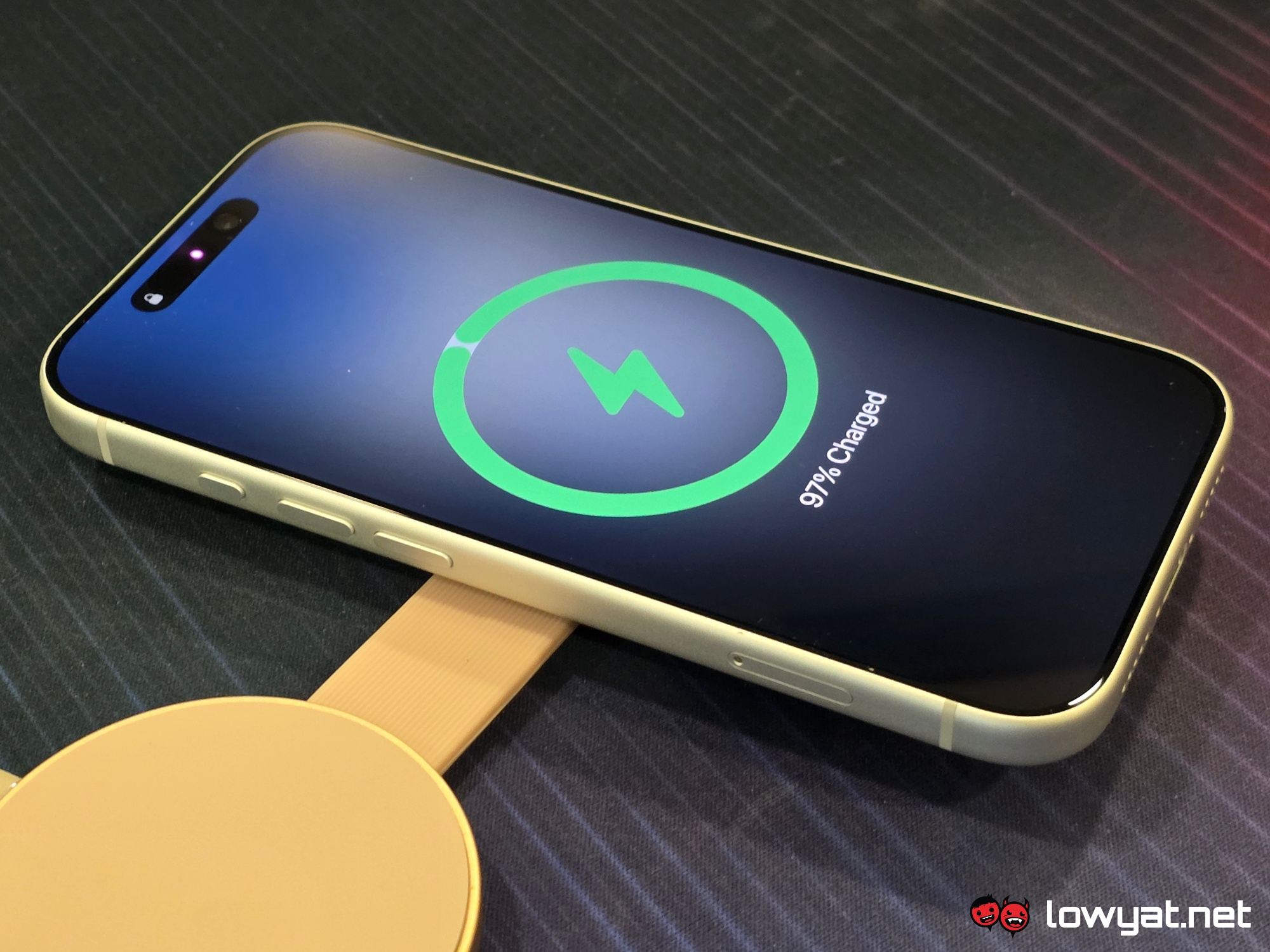
Charging has been improved as well, where a half-hour top-up gave approximately 70% of power via a compatible charger. Keep in mind that the iPhone 17 Pro supports a maximum of 45W charging, and the speed slows after 80% to preserve battery health.
While battery life and charging have improved, the iPhone 17 Pro still lags behind many modern smartphones, which now offer 7,000mAh batteries and 100W charging as standard. Given Apple’s usual approach, it’s very unlikely we’ll see these numbers on iPhone line-ups anytime soon.
Camera
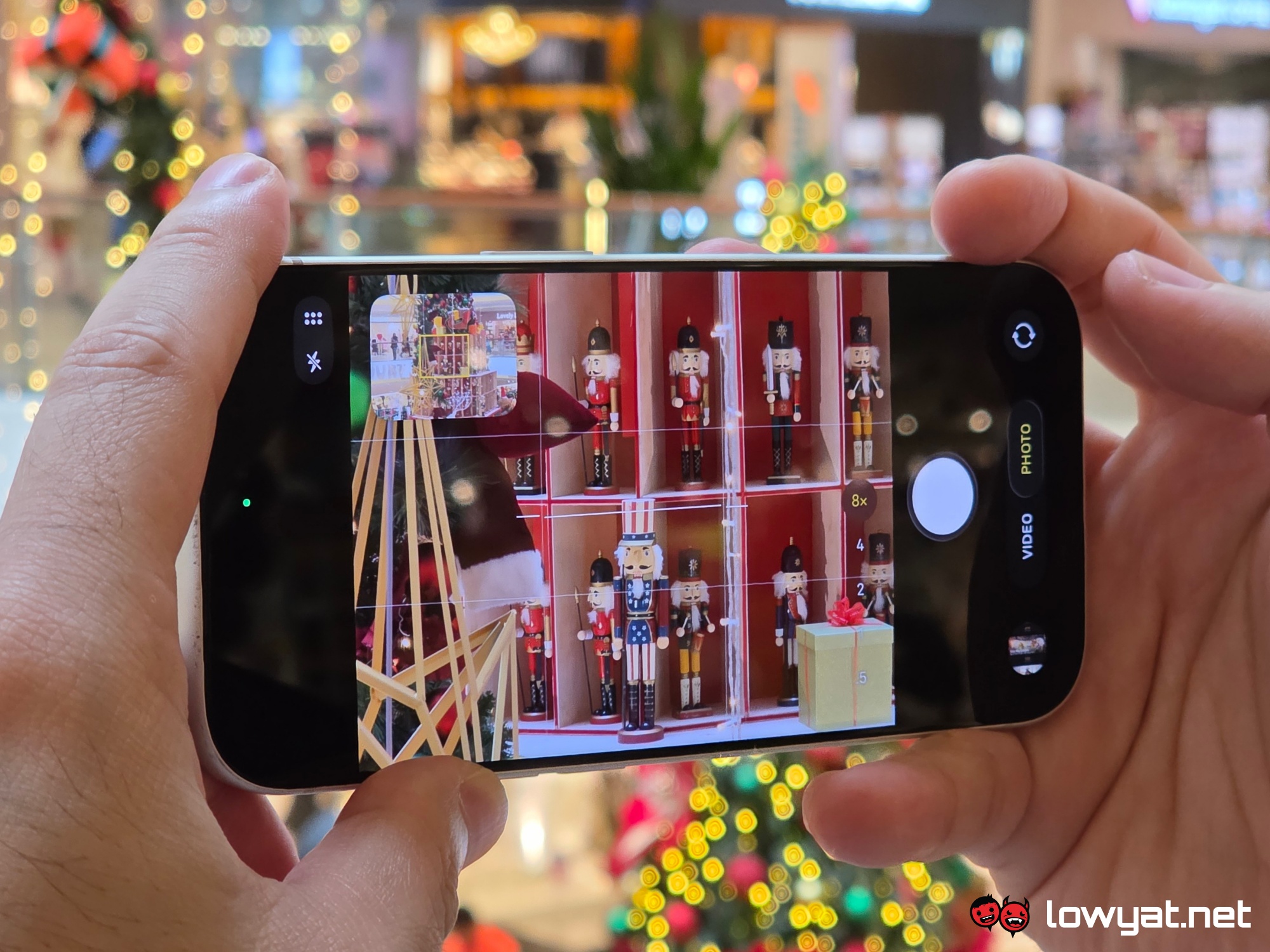
Apart from the upgraded telephoto camera, which now brings all three lenses to 48MP, there isn’t much else that’s new with the iPhone 17 Pro’s imaging setup. This is both a good and a bad thing.
On the positive side, photo performance remains on par with last year’s model, delivering a balanced output of sharpness, clarity, contrast, and saturation. The new 48MP telephoto produces noticeably sharper and more detailed results, even for macro shots. I also still find the iPhone’s Portrait Mode to be one of the best around, offering believable depth and bokeh, as long as you don’t push the aperture too far in post.
Video quality is similarly in line with the iPhone 16 Pro, and features like Action Mode stabilisation, Cinematic Mode and the cool Audio Mix post-processing tool making a return. As mentioned earlier, heat management is one of the more meaningful improvements this year, especially when recording high-resolution footage for extended periods.








Now for the not-so-good. The fact that the camera system hasn’t changed much from last year leads to familiar drawbacks. Even with optimisation, the iPhone 17 Pro’s 48MP sensors still fall behind many competitors that offer higher-resolution imaging, longer optical zoom ranges via periscope lenses, and more advanced video options. I’m also still not a fan of the warm colour bias in indoor shots. And like the 16 Pro, low-light videos continue to show aggressive noise reduction, visible artefacts, and poor details.
In a surprising turn of events, the most substantial imaging update actually comes from the iPhone 17 Pro’s new 18MP selfie camera. Besides the higher resolution and added Center Stage support, the square-shaped sensor lets users switch from the traditional vertical format to a wider horizontal one without rotating the phone. This benefits both casual selfie-takers and vloggers, and the switch doesn’t compromise image quality. However, there is one drawback: enabling the horizontal mode disables Center Stage.
More Sample Images



















Conclusion
Much like its predecessor, I’d only recommend the iPhone 17 Pro to those upgrading from a much older device. The newer model brings several upgrades and a refreshed design, but the 16 Pro still holds up well – and it’s now considerably cheaper, provided you can still find one through an authorised dealer. For comparison, this year’s Pro currently starts at RM5,499.
That aside, the iPhone 17 Pro remains a solid device. Its performance is exceptional and there are numerous notable upgrades, though the rest of the experience falls in line with typical Apple standards. It certainly stands out as the company’s latest statement piece, thanks to a renewed design that’s instantly recognisable at a glance. But does it add more to the conversation? Not really.
