
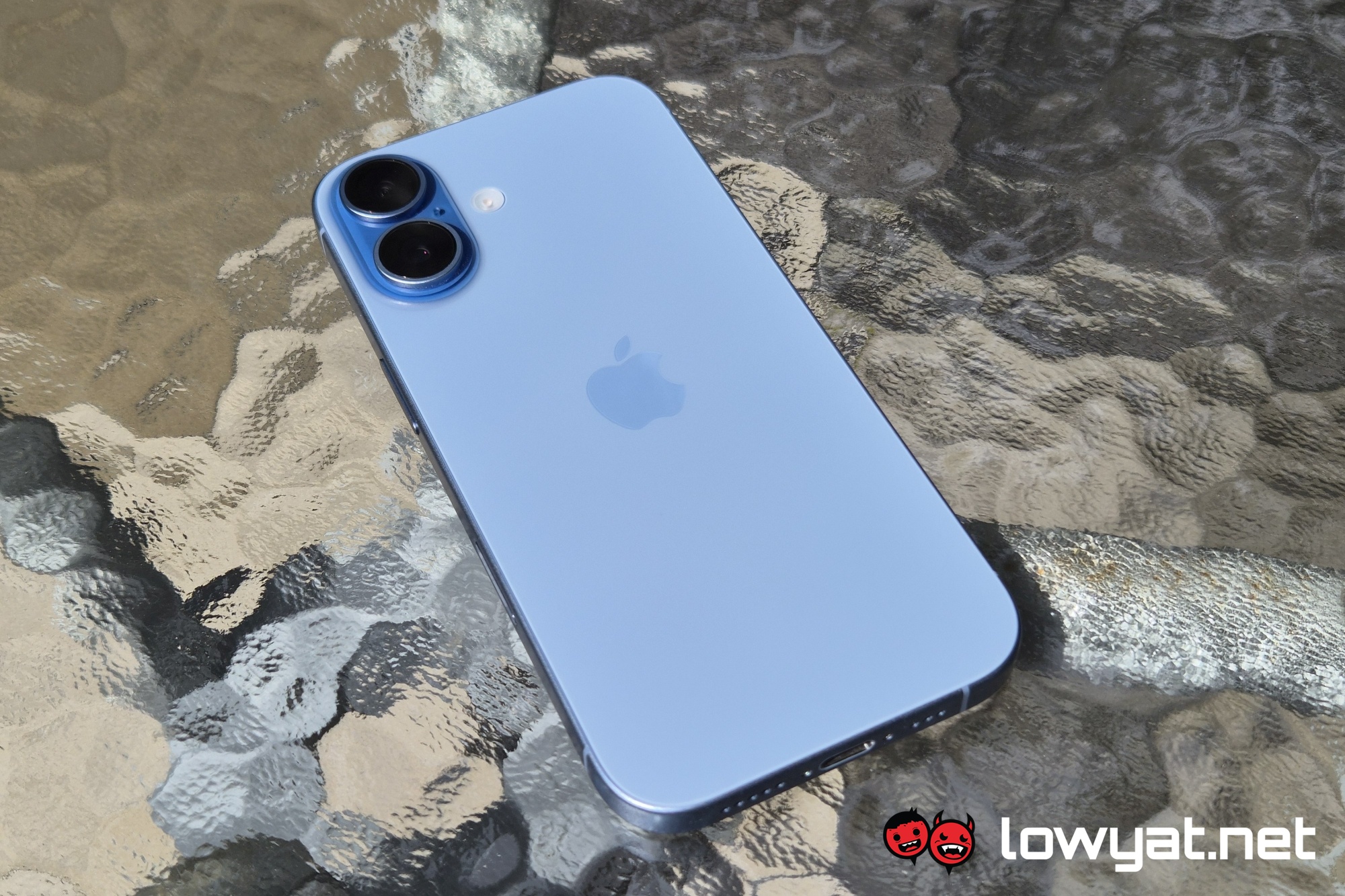
With the launch of every generation of iPhones, the base model is usually the one that gives potential customers the least reason to buy it. Beyond being the most affordable of each batch, of course. One one hand, this still applies to the iPhone 17 launched this year, what with the addition of the iPhone Air into the launch lineup. But on the flip side, this year’s base iPhone not only sees the most upgrades over prior years, but it’s also the one with the best parity to the Pro models.
Of course, on the functional side of things, there’s still no denying that the Pro models do just about everything better than the base model iPhone 17. But on form, there’s more space this time around for the argument to favour the base model. Which makes things a bit more complicated than usual when it comes to figuring out if the base model iPhone 17 is for you. But either way, let’s find out.
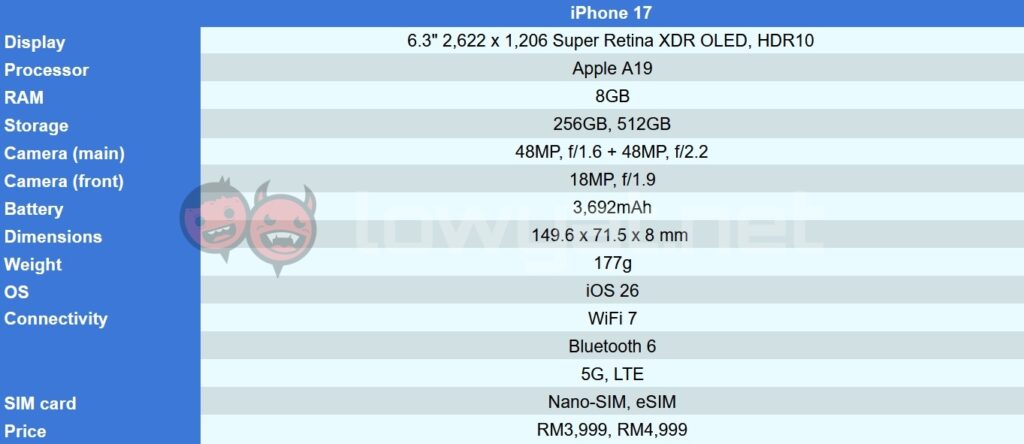
Specifications
Looks and Functionality
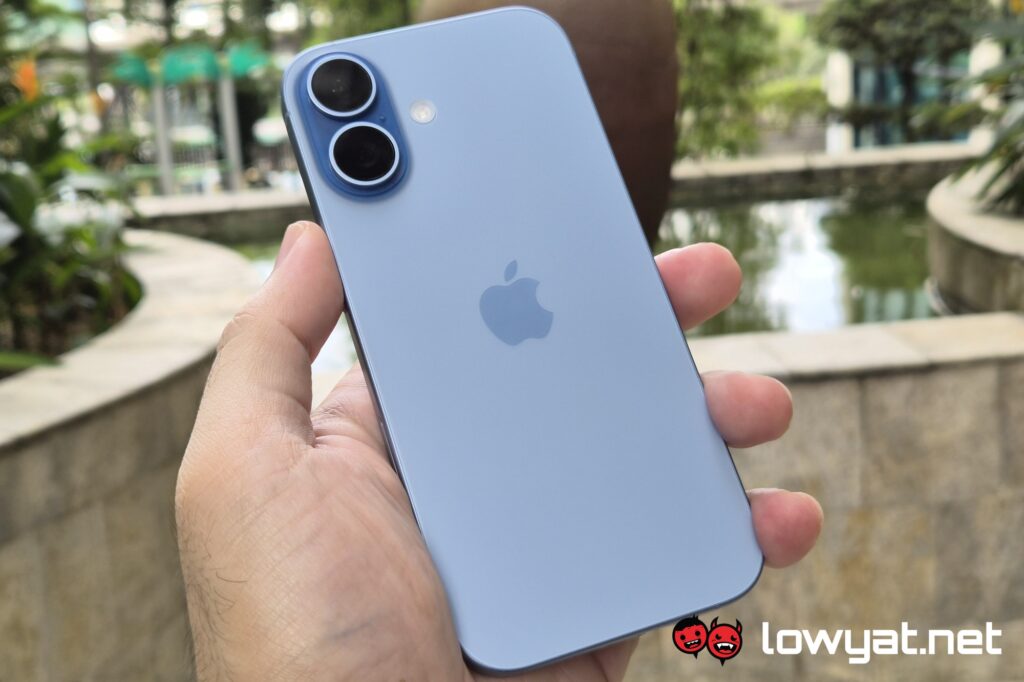
For better or worse, the base model iPhone 17 is the only one that retains the look of its predecessors. It’s good if you prefer for your shiny new phone to be as incognito as possible, not so much if you want something flashier. Either way, this means a nice piece of glass covering nearly the entirety of the back with the colour of your choice, and a deeper version of that colour for the camera island.
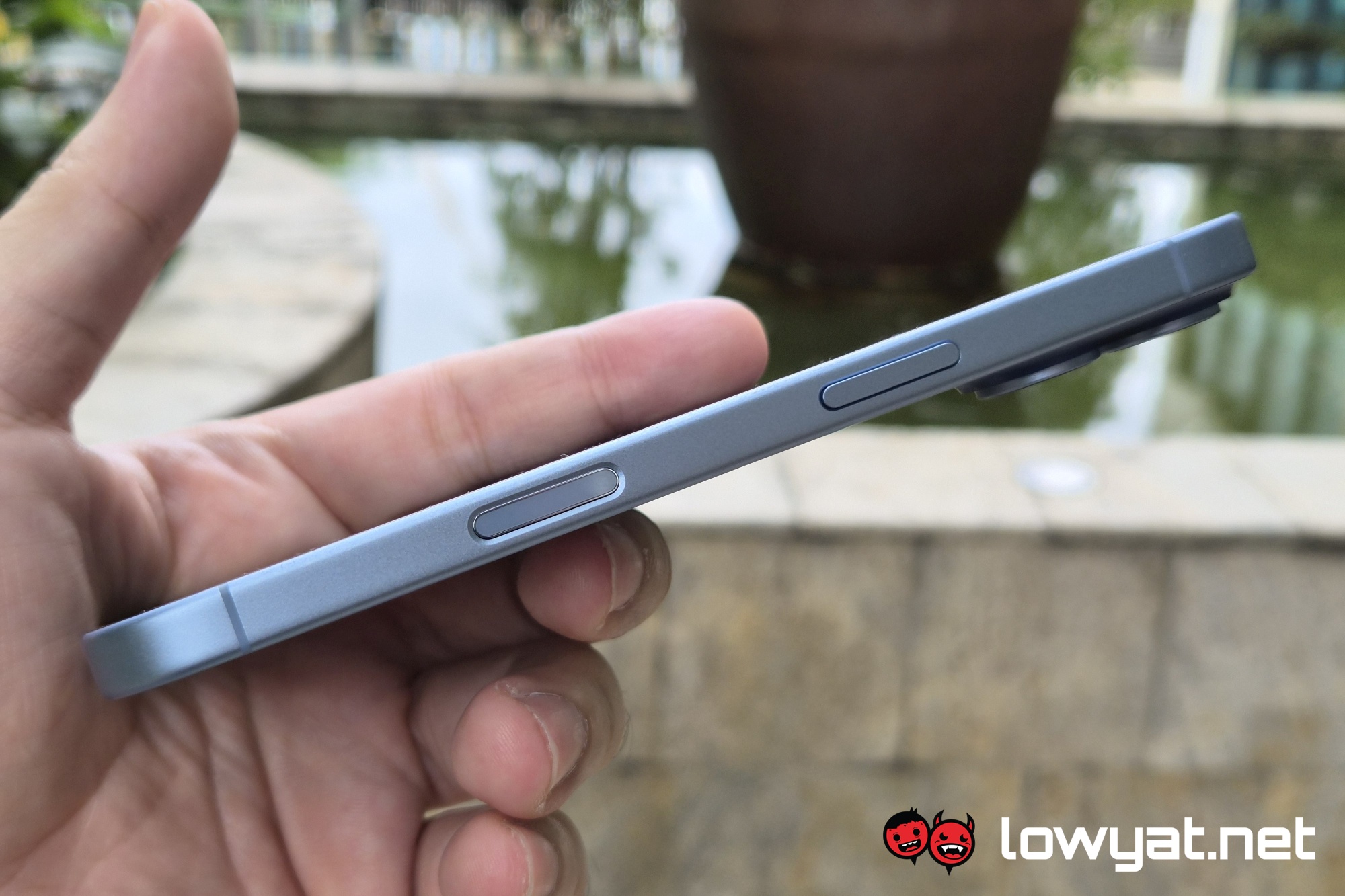
The same extends to the sides as well, with the familiar metal frame that’s curved only at the edges for a comfortable hold. Button placements are familiar, so if you’ve had any experience with the iPhone 16 at all, the 17 will feel right at home in your hands.
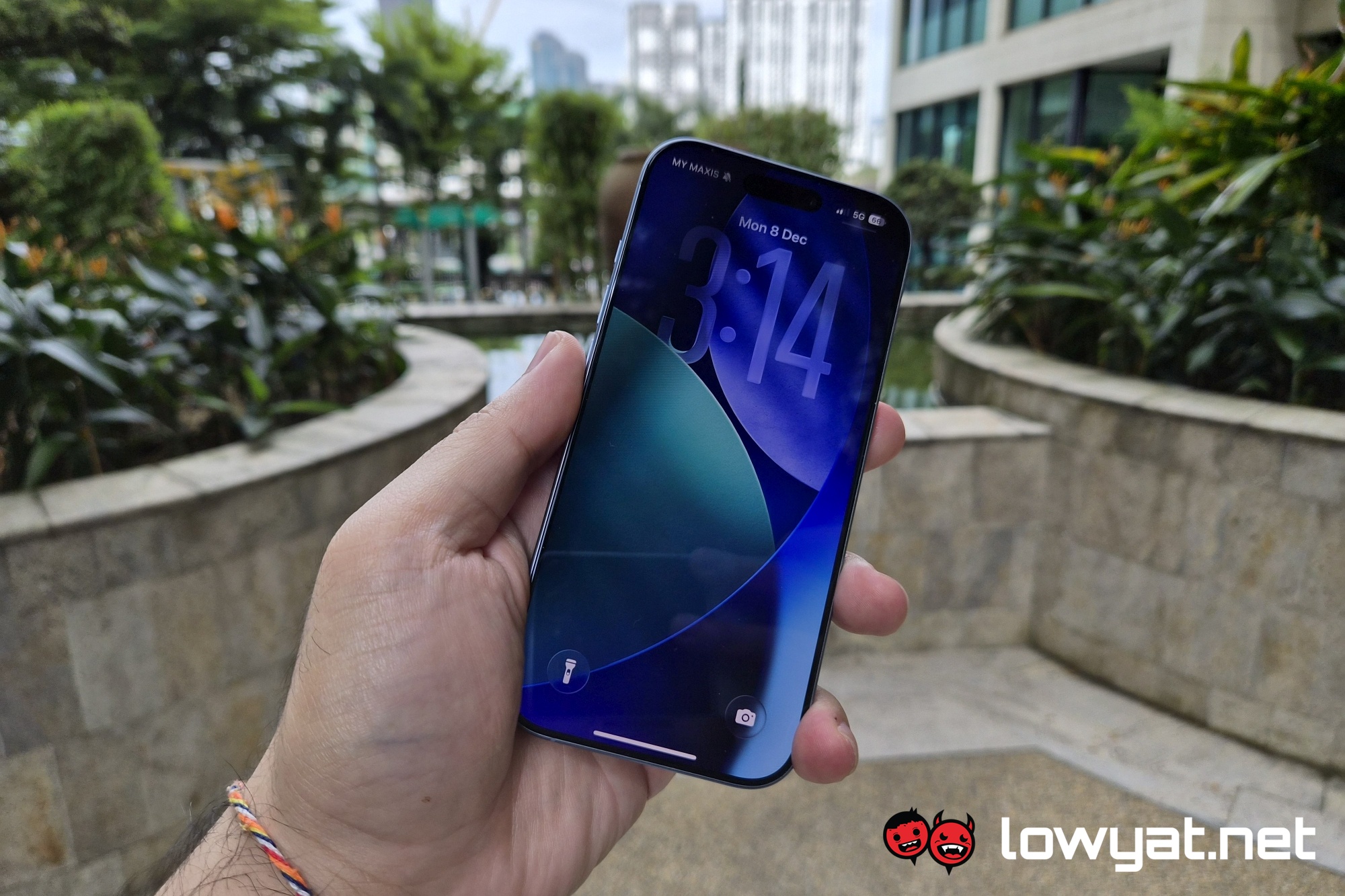
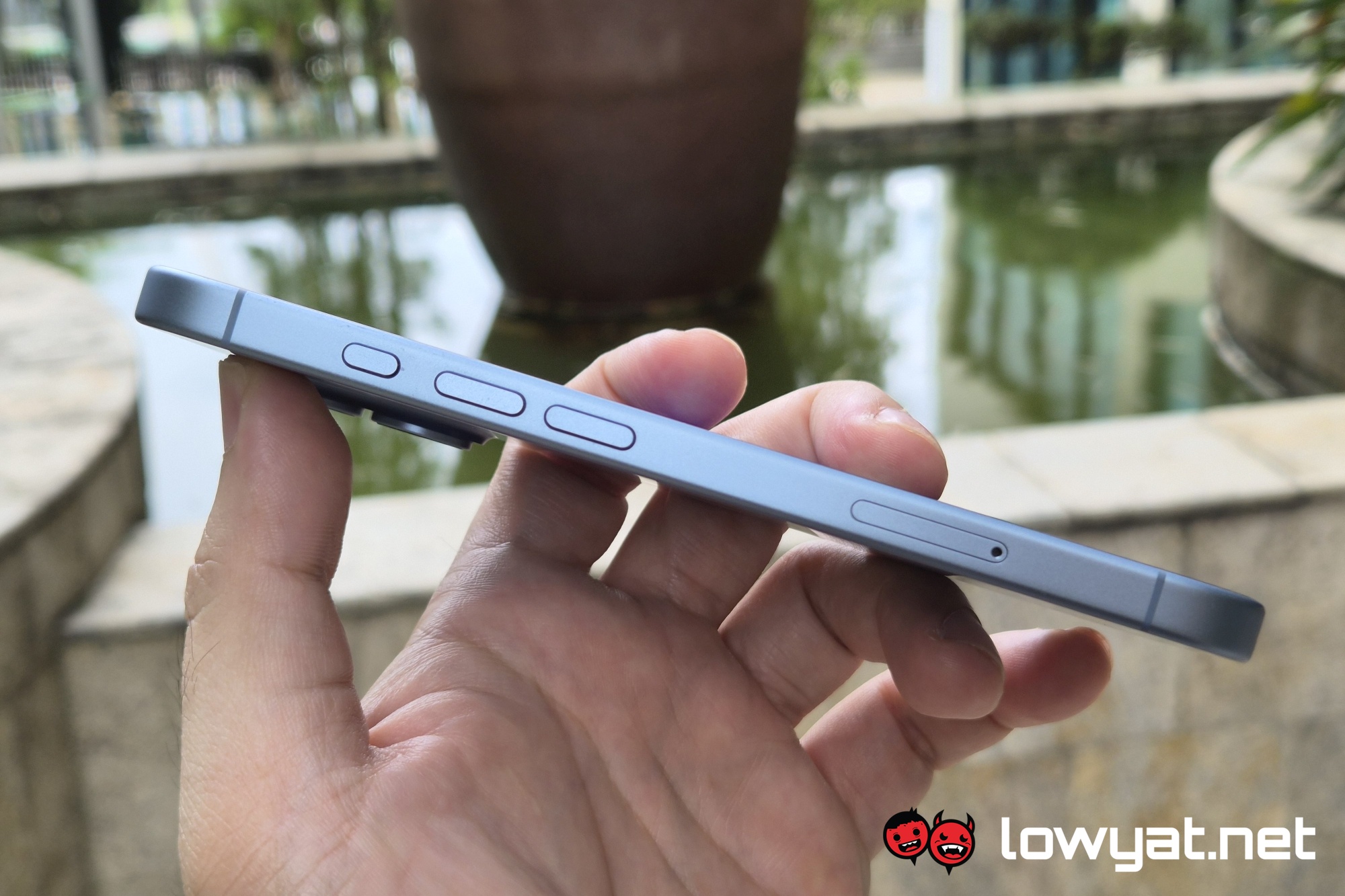
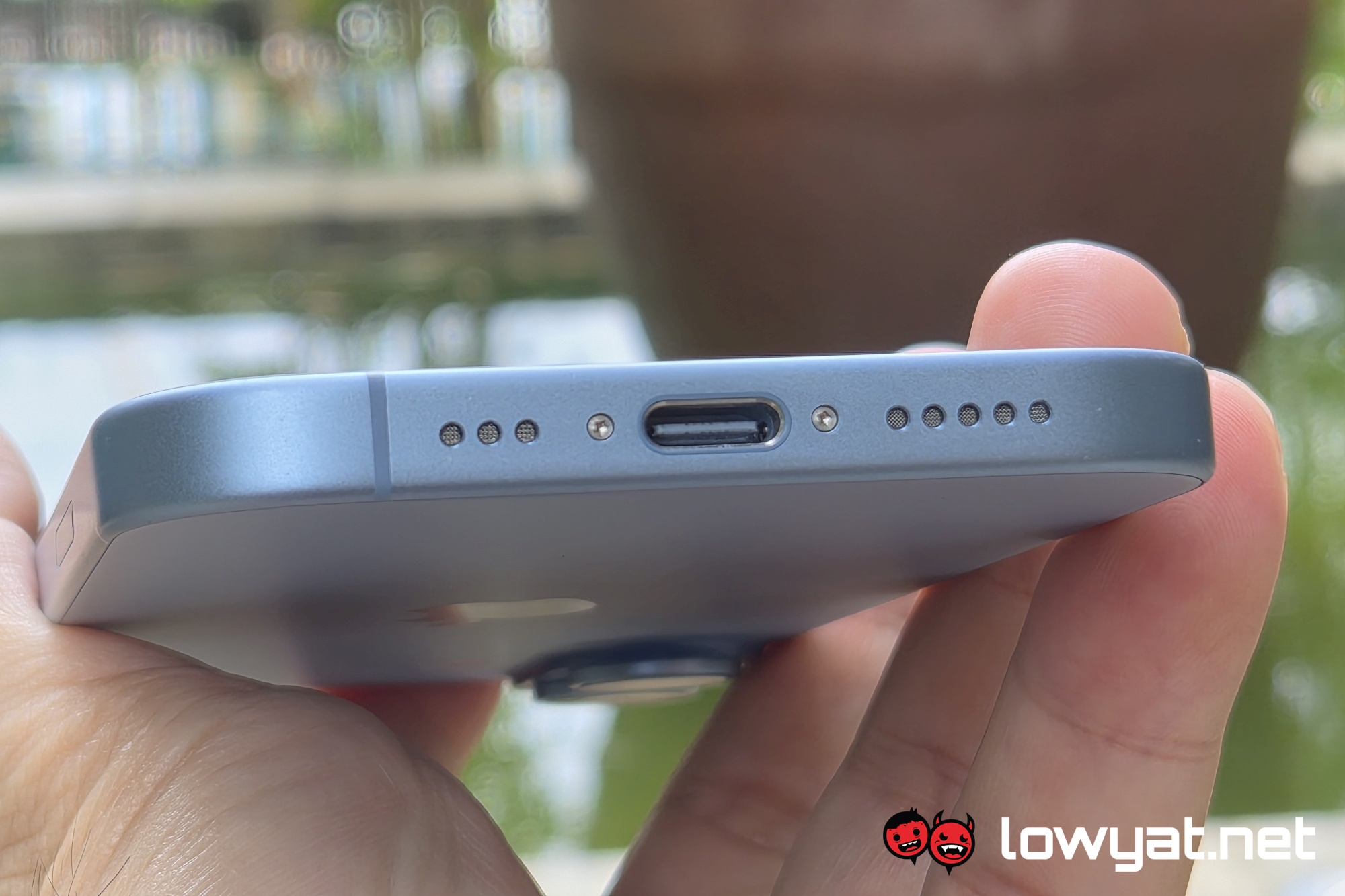
If you take a closer look, you may notice that the bezels here are thinner than before. This, plus being a smidge taller and wider, plus marginally thinner, leys the screen be bumped up to 6.3 inches. But more important than any of that is the inclusion of the Pro Motion display tech. This means adaptive, variable refresh rate from 1Hz for the always-on display when the screen is locked, to up to 120 for supported mobile games.
As with many modern phones, the iPhone 17 sports a stereo speaker setup, with the earpiece pulling double duty. In terms of sheer volume, it’s loud enough for use in most typical scenarios, but may be not as loud as some might hope for it to be. That said, the sound quality is a pretty significant step up compared to most other (Android) phones in the market. Which isn’t exactly saying much as it’s ultimately still limited in what it can do by size constraints.
Performance and Battery
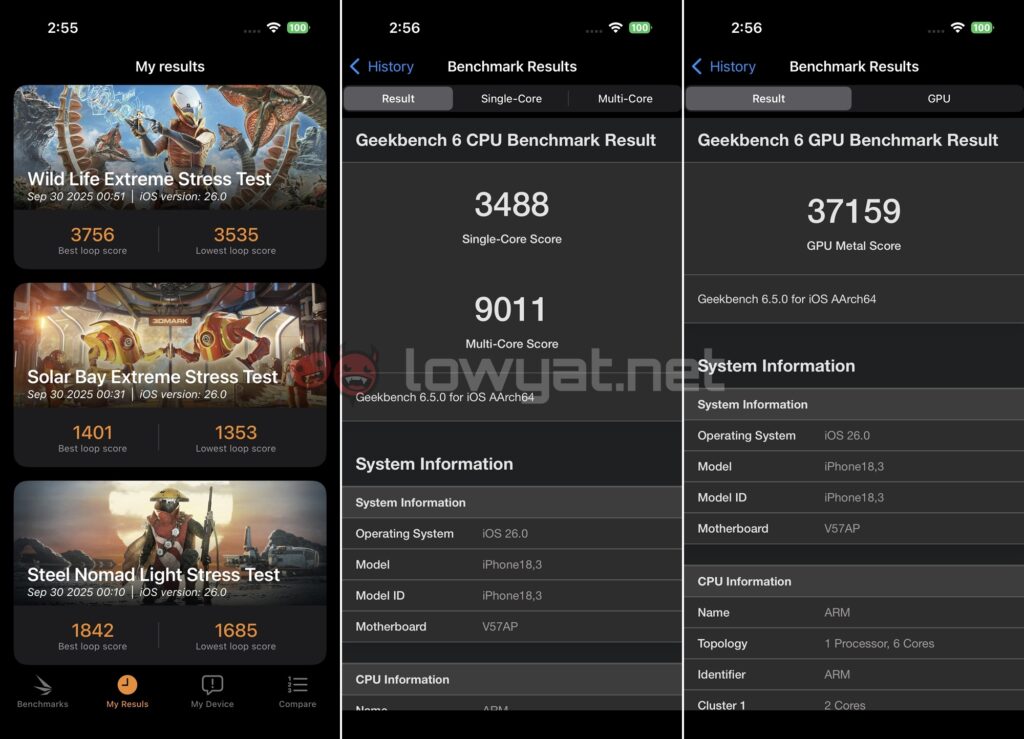
Of this year’s models, the iPhone 17 is the only one that launched with the base model A19 chip. While core speeds are uniform, the Pro models get larger cache, which would translate to better performance. That being said, at least where the synthetic benchmarks are concerned, the performance difference is pretty marginal.
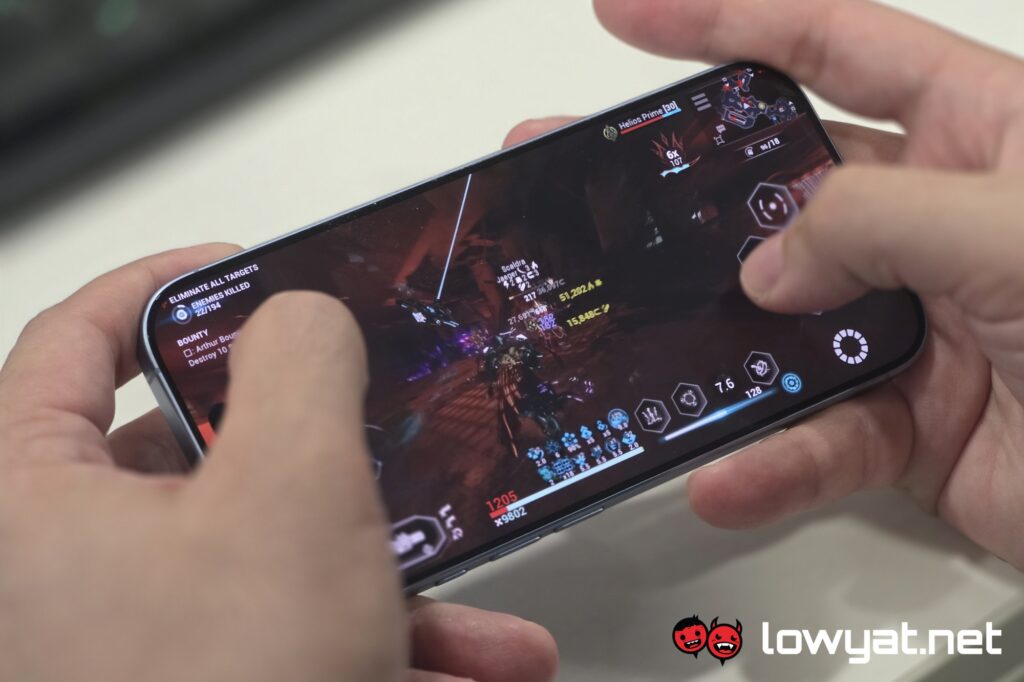
It’s mostly the same when it comes to actual gaming. Using Warframe as the test title, the experience is smooth, especially once the framerate cap is raised to 60 fps. Weirdness with the controls notwithstanding, I’d say it’s a smoother experience than playing the game on, say, a Snapdragon-powered laptop. That being said, raising the framerate cap also causes it to drain power extremely quickly. In fact, I’ve lost 30% of charge for just under an hour of gameplay.
Speaking of which, the iPhone 17 battery reading reminds me a lot of the fuel tank of some older cars. Which is to say that it is as if it was funnel-shaped. Upon charging to full, it seems to say at 100% for unnaturally long periods of time. And the lower it gets, the faster it seems to drain, until it hits the 20% threshold anyway.
On the subject of battery drain, Apple claims the iPhone 17 can do up to 30 hours of video playback. In our testing, we got it to run for slightly under 29.5 hours. Which is very impressive, even if it’s a tad short of the official figure. As a daily driver, you can quite safely make it through the day, even if heavy social media use. But no gaming, because if you add that in, you’ll be cutting things quite close.
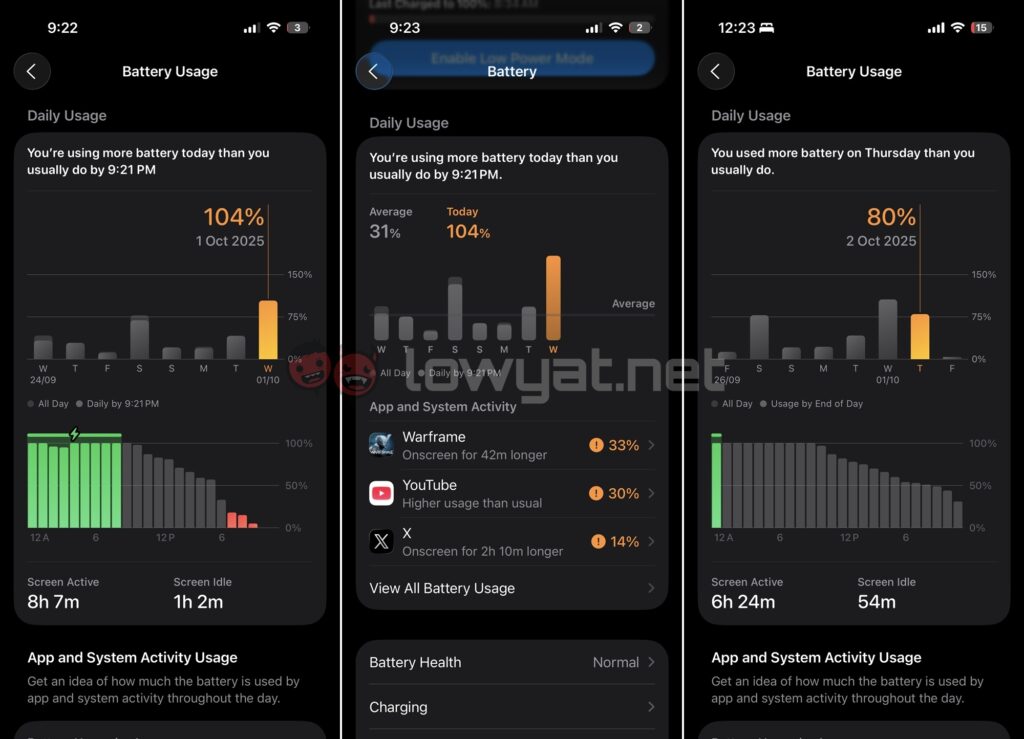
Then there’s charging, which is a tad difficult to gauge. Using a 35W charging brick that came with the iPad mini 5 I previously reviewed, charging from empty to full took slightly under 1.5 hours. Using a 65W charger cut the charging time down by about 10 minutes, pointing at a 40W wired charging cap.
Camera
The short version of this section goes like this – imaging on the iPhone 17 is fine. The longer version is that, on one hand, it’s nice to see both cameras at the back being 48MP units. On the other, it’s not an unfair assumption that it’s left that way to not steal the Pro’s thunder. While Apple may have often prided itself of doing digital zoom better than most others, the lack of a dedicated optical zoom camera is still very much felt.
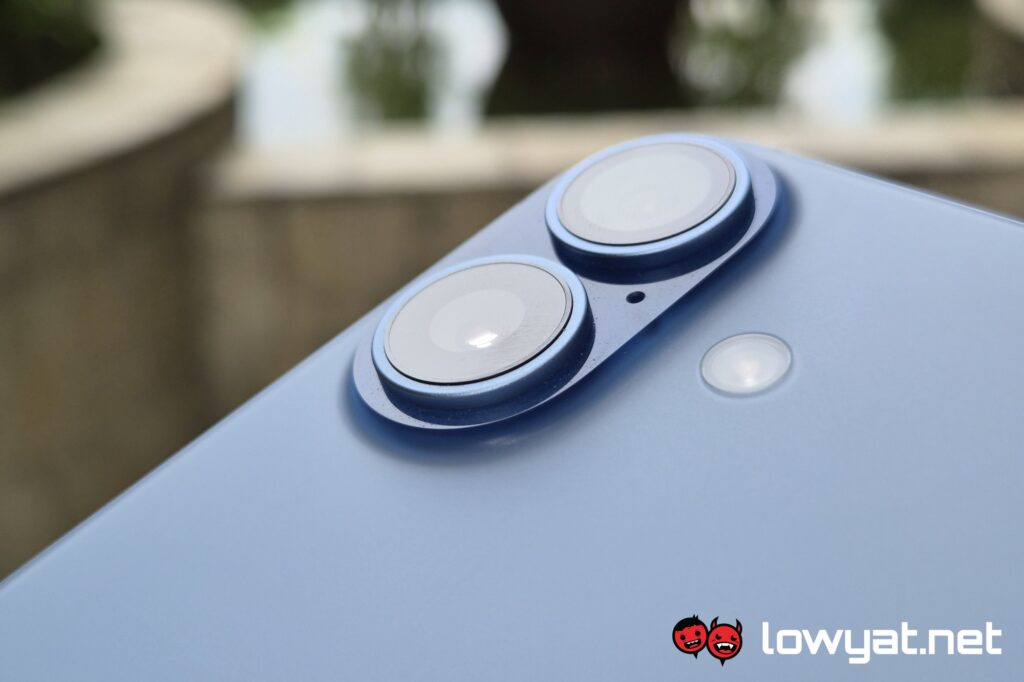
While there’s the usual incremental upgrades to the level of detail retention, the iPhone 17 still retains its lineage’s very distinct quirk with white balance. This is less of an issue with videos, but still ever present with photos.
Then there’s the whole deal with the 18MP square sensor front camera. One one hand, it has an interesting gimmick of automatically changing orientation between portrait and landscape. But on the other, selfie aficionados would have already mastered the art of taking them with the rear camera. And they are likely to continue doing so with the rear cameras,
Sample Images
















Competition
Samsung Galaxy S25
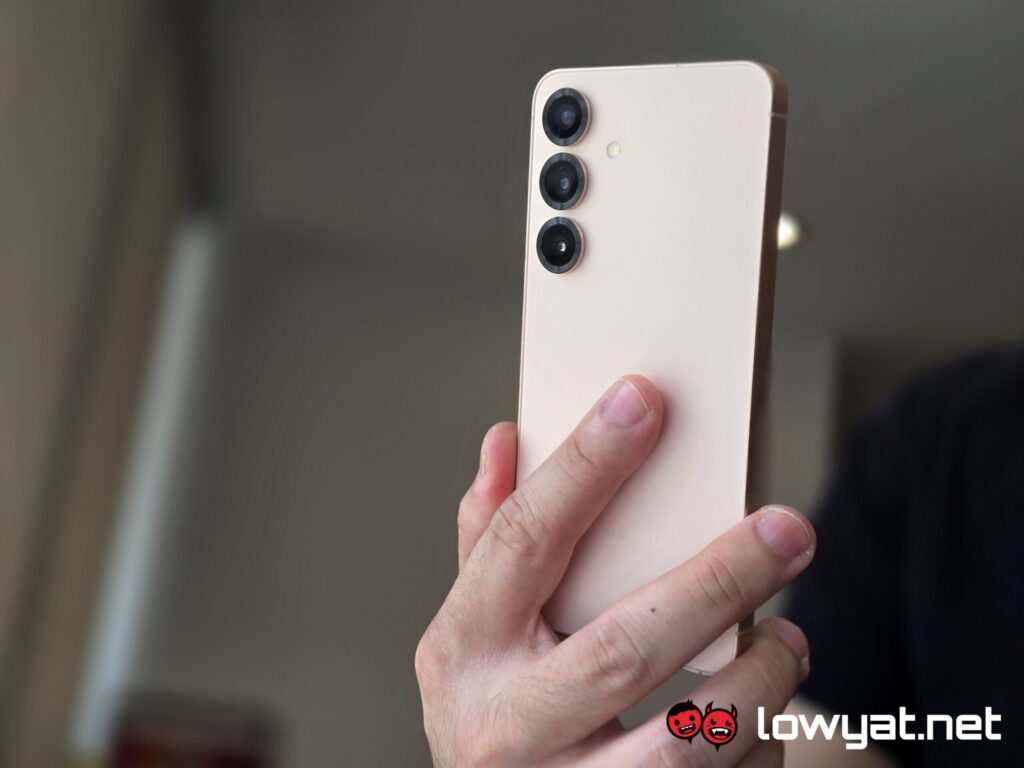
When it comes to comparing the iPhone 17 to something else, the Samsung Galaxy S25 is usual suspect number one. Which has a 6.2-inch Full HD+ display, a Qualcomm Snapdragon 8 Elite, 12GB of RAM and a choice of 256GB to 512GB of storage space. Powering the device is a 4,000 mAh battery, and as is usual with the brand, charging is limited to 25W.
For its imaging, it packs a 50MP main + 12MP wide-angle + 10MP 3x telephoto zoom combo at the back. In front, there’s a 12MP secondary shooter instead. And it has a starting price of RM3,399, a touch lower than that of the iPhone 17.
Google Pixel 10
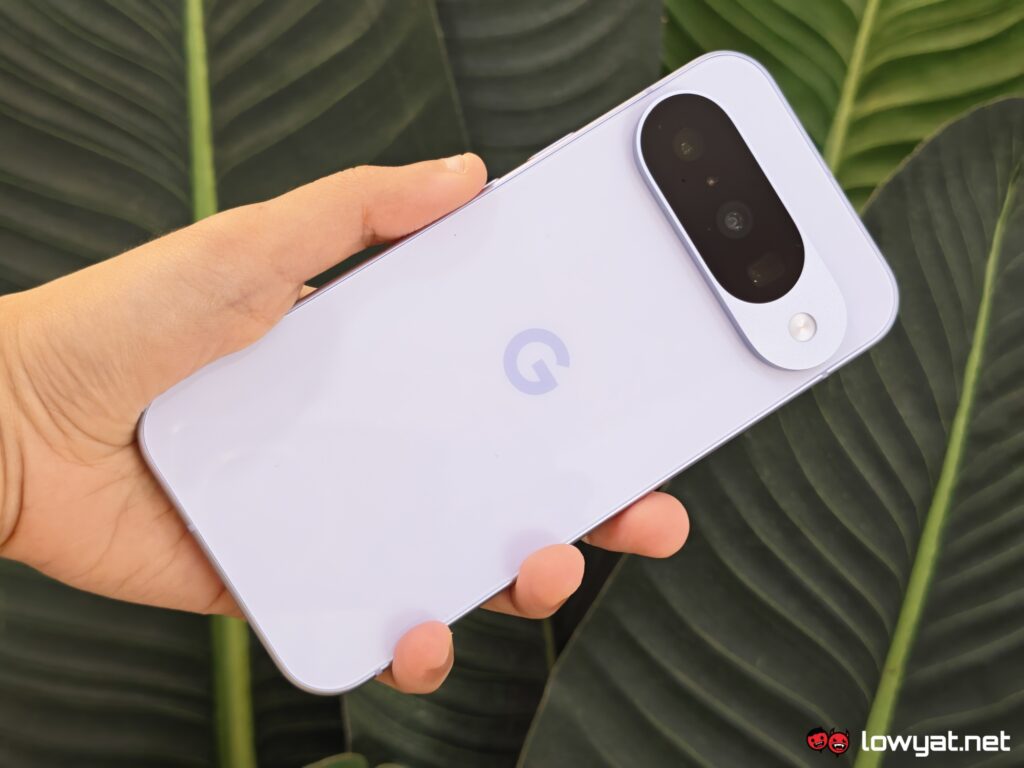
Usual suspect number two is from the maker of Android itself, represented by the base model Google Pixel 10. Here we have a 6.3-inch Full HD+ display, with a Tensor G5 chip. This is paired with 12GB of RAM, with storage options being 128GB and 256GB. This battery is quite a bit larger at 4,970 mAh, with charging speeds being 30W for wired and 15W for wireless.
Its primary camera setup consists of a 48MP main + 10.8MP 5x telephoto + 13MP wide-angle combo. On the other side is a10.5MP front-facing camera instead. Here’ the starting price is also RM3,999.
Conclusion
The base model iPhones across generations have been put into a position where it’s difficult to recommend upgrading. If you want the latest and greatest, you’ll always take the Pro or Pro Max model of the year. If you’re more budget-inclined, it still takes a few generations before the incremental upgrades add up enough to be worth switching. With the iPhone 17, things are a little different, simply because it’s less of a stepchild this time around.
On one hand, sure, it’s been left out of the unibody upgrades the Pro models got, ditto the vapour chamber. But on the other, they are not necessarily massive jumps unless you use your phone like, say, an iPad Pro. It is also no longer being left out of the Pro Motion bandwagon. All the rear cameras here are 48MP, and it shares the 18MP front-facing shooters of the Pro models, including the new square sensor upgrade. In short, the advantages of the Pro models feel more optional than essential, than ever before.
While it still feels a bit much to be telling an iPhone 16 user to be upgrading, it’s definitely a more compelling upgrade than ever before if you’re using anything older. And if you’re coming from an older Pro model to this base model, and you don’t quite like the way the new Pro models look, you at least get something that looks familiar, and therefore not too out there.
