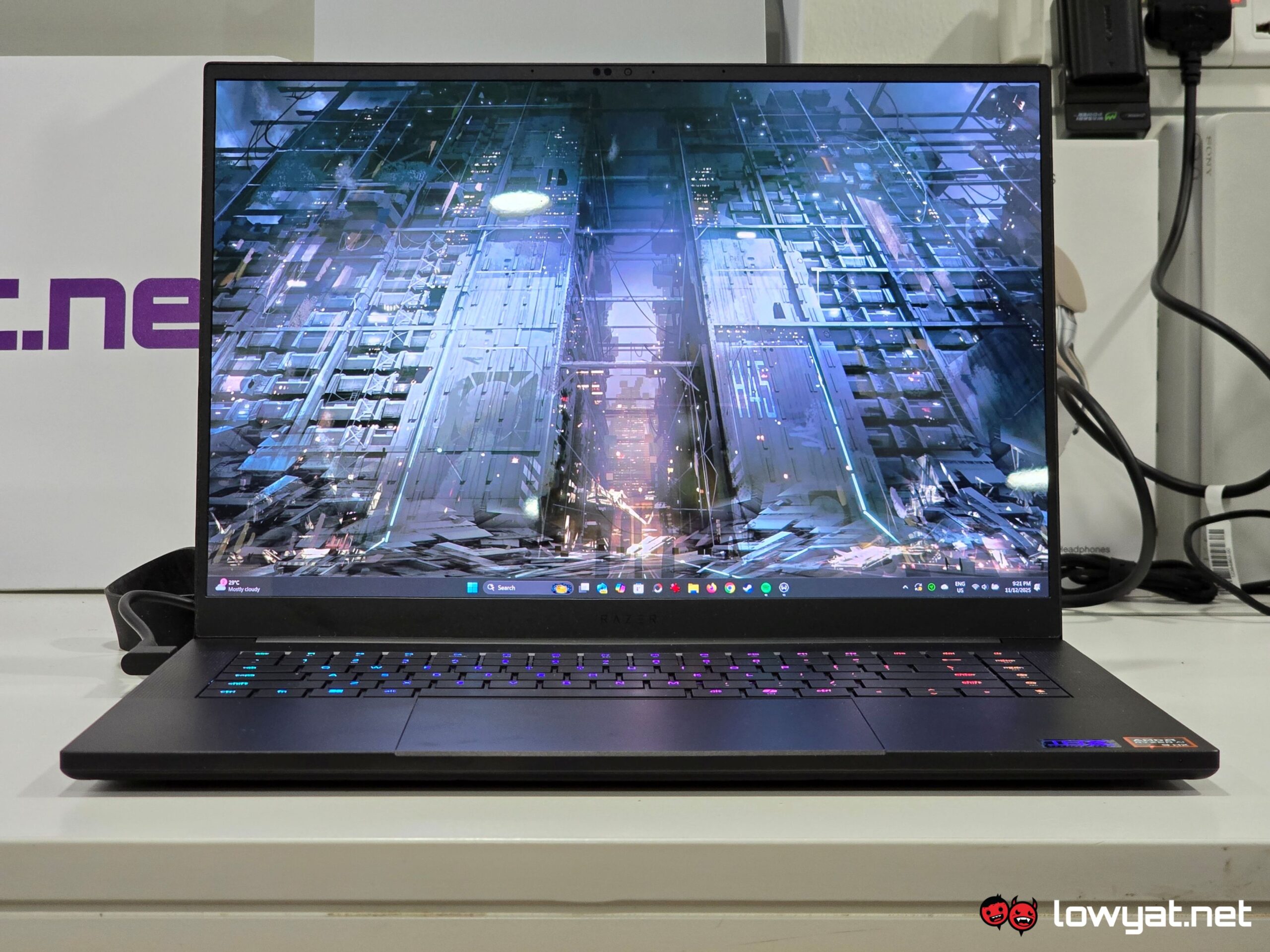
It took me a while to get this year’s Razer Blade 16 into my lab and right into hands. Almost 10 months after my encounter with it back at CES 2025, specifically.
Now that I’ve finally spent some quality time with this 16 -inch entertainment machine, I find it a little surprising that, for all the top-end hardware this model can boast, it’s actually Razer’s software that makes it feel something of a hot mess.
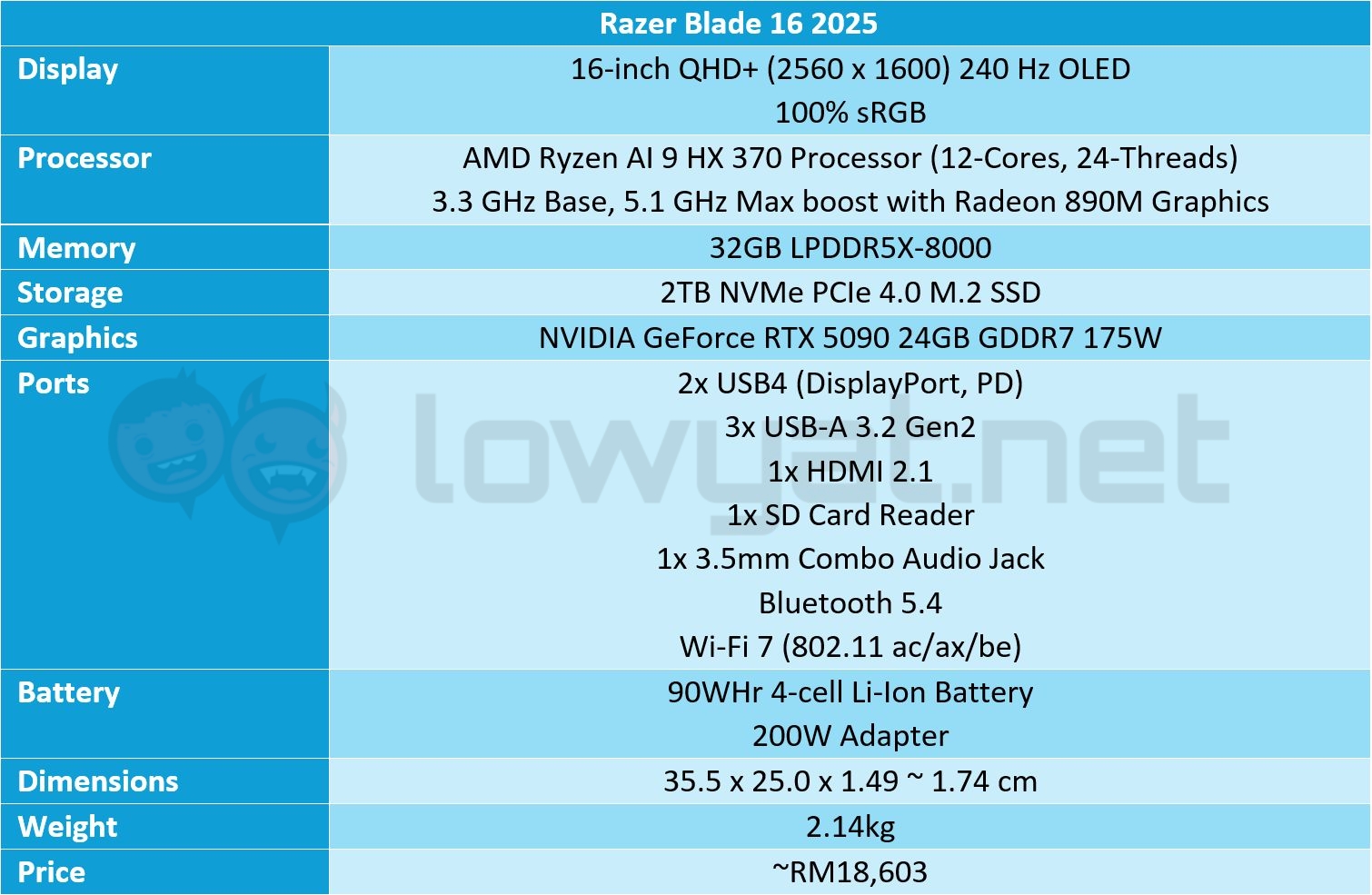
Specifications
Design And Functionality
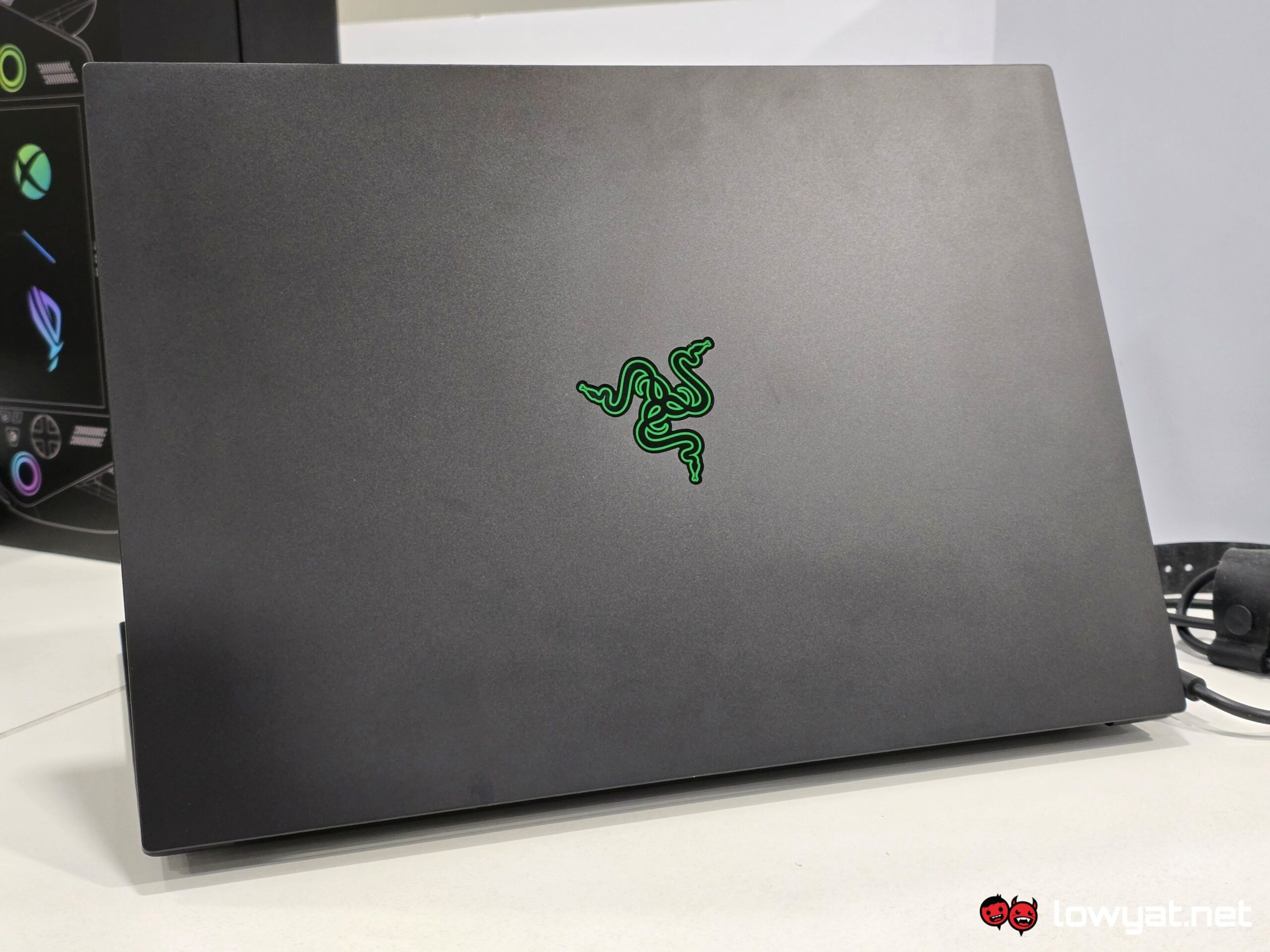
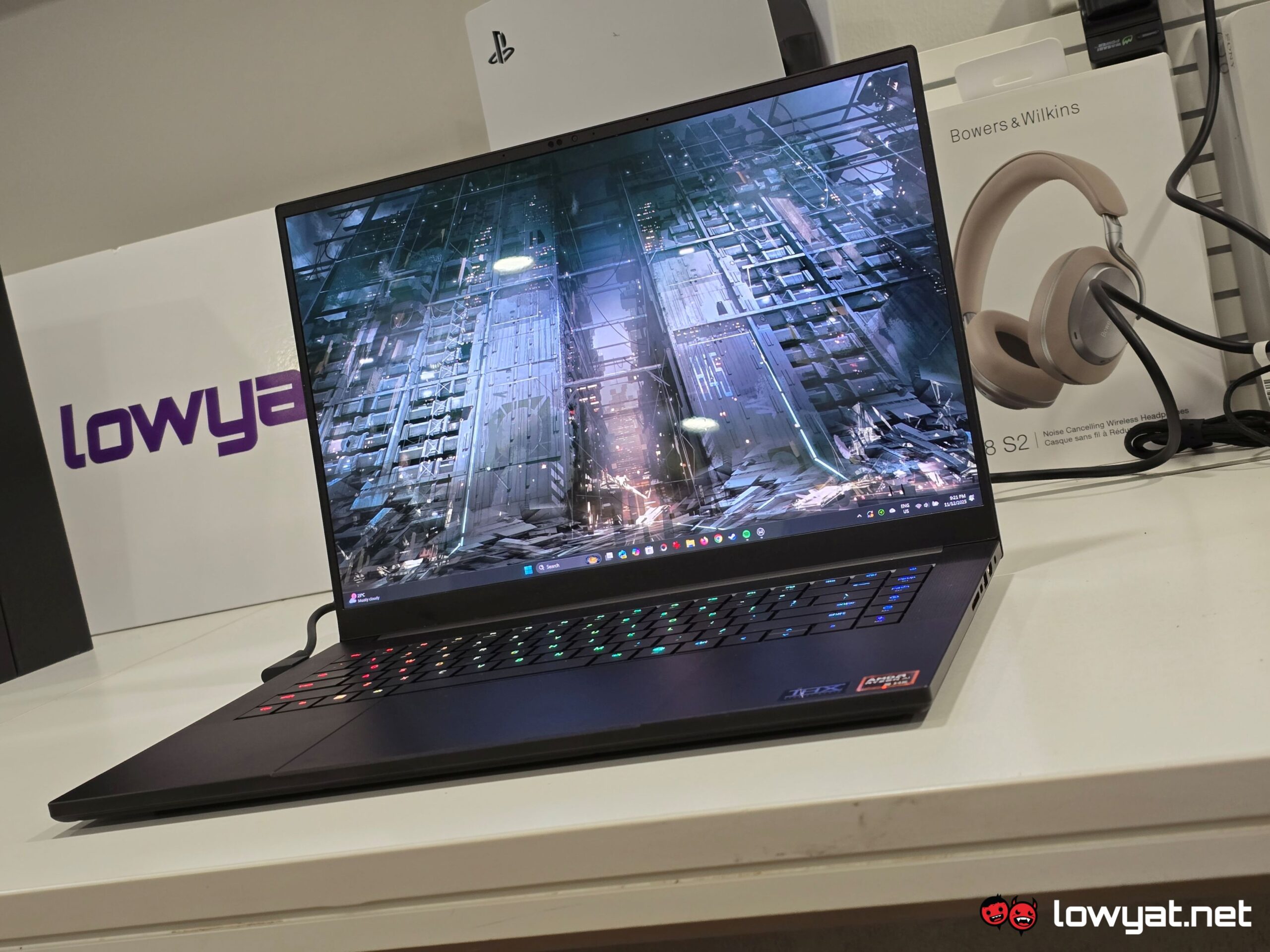
So, what can I say about the Blade 16 2025’s design? While it retains the same all-black, CNC-milled chassis, Razer actually managed to shave off a sizable chunk of weight from this year’s iteration.
At just a little over 2kg, this Blade 16 actually weighs the same as the 2023 Blade 14. While that’s actually bad for the 14 – the first iteration of the laptop came in well below that mark – it is impressive for something that measures 16-inches across the bow.
The first RTX 5090 laptop GPU in our lab.
That is thanks, in no small part, to NVIDIA and it’s new RTX 50 Series discrete GPUs that take up considerably less space on the PCB than it’s predecessor. That actually brings us to the next point, the GPU. In the case of my unit, I’ve got the RTX 5090 running underneath the hood, which is more than plenty for my gaming needs.
Other internal specs of the Blade 16 includes the AMD Ryzen AI 9 HX 370, an APU that we are no strangers to at this point; 32GB LPDDR5X-8000 RAM, plus a 90Wh battery that provides just enough power to run for the day. Emphasis on just enough.
Moving on, rather than retain a dual mode display, the Blade 16 2025 instead comes with a QHD+ OLED display, with a maximum refresh rate of 240Hz, further emphasizing its gaming pedigree.
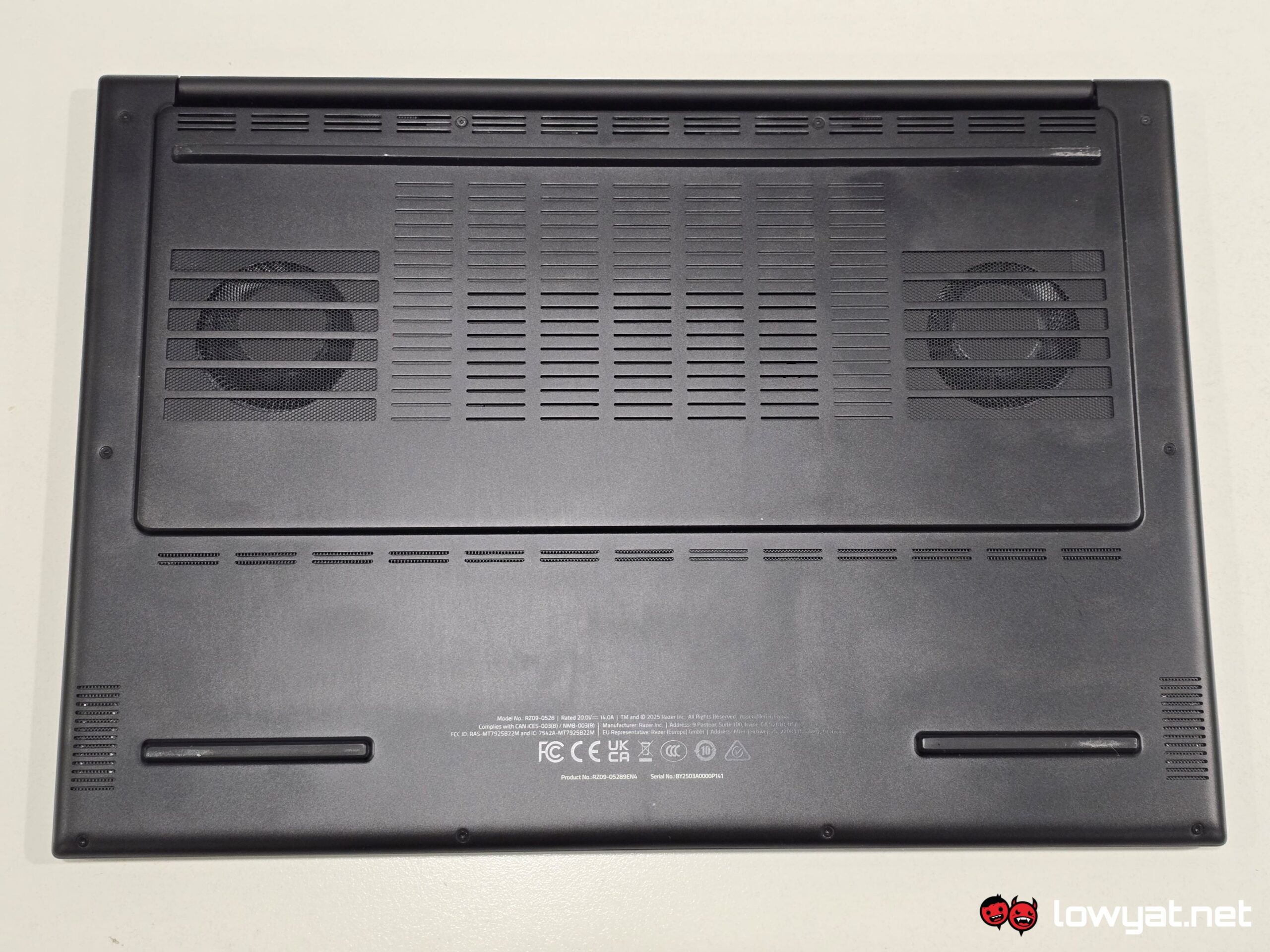
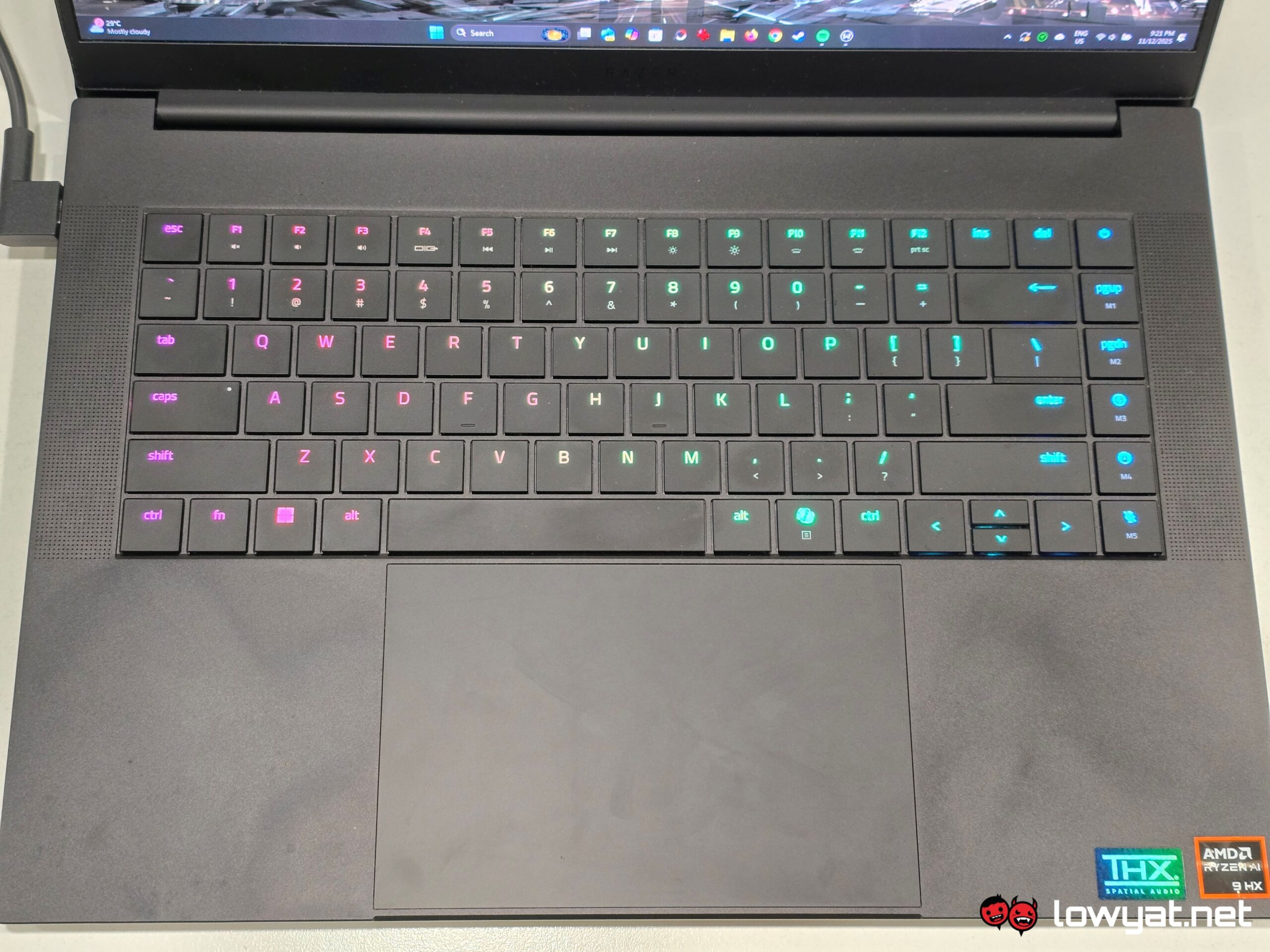
The design of the base of the laptop is what you’d expect of a Razer product, and because the Blade 16 2025 is technically a Copilot+ PC, you get the dedicated key on the right side of the keyboard. The speaker grilles are, like the chassis, milled directly into the sides.
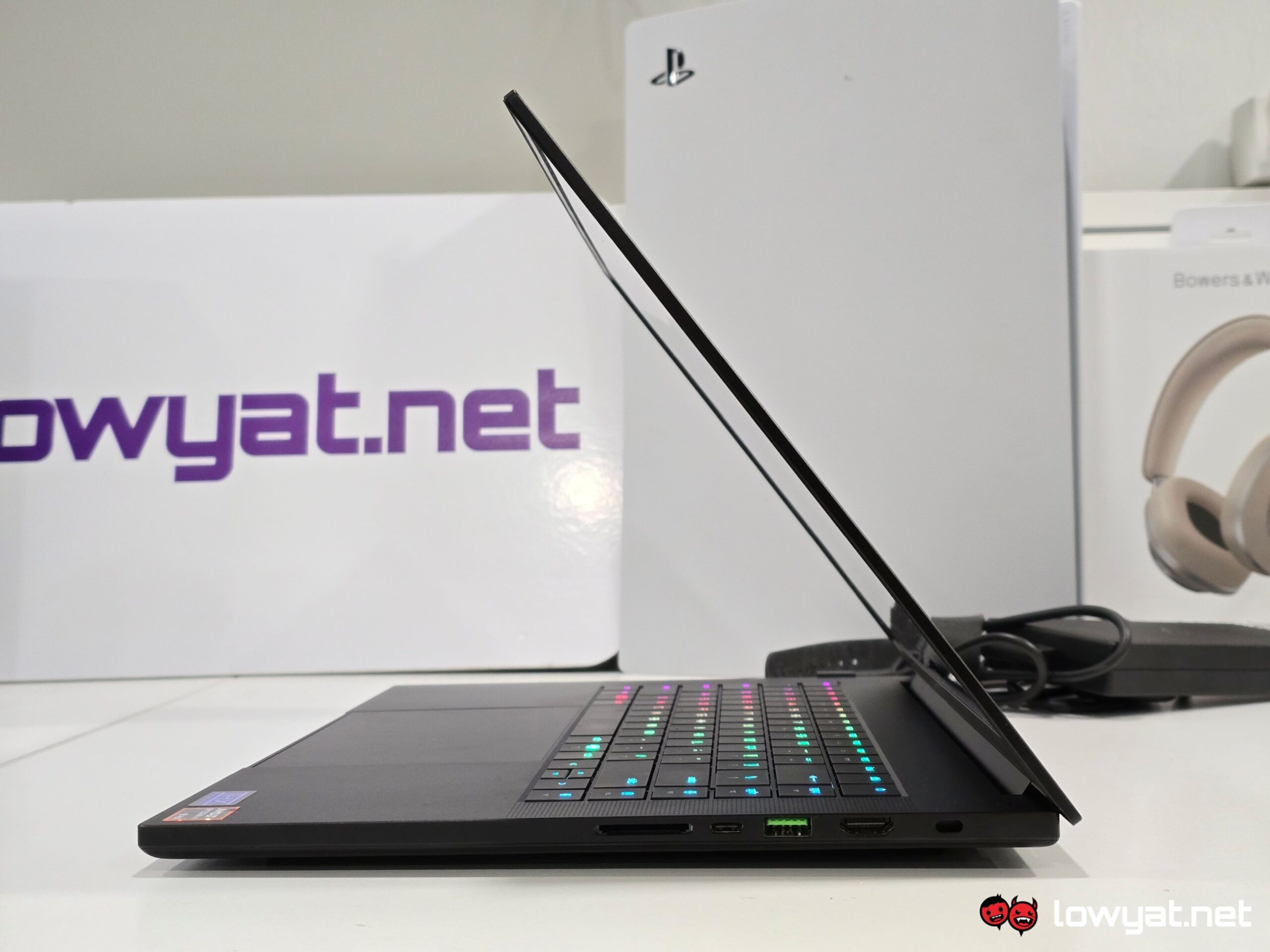
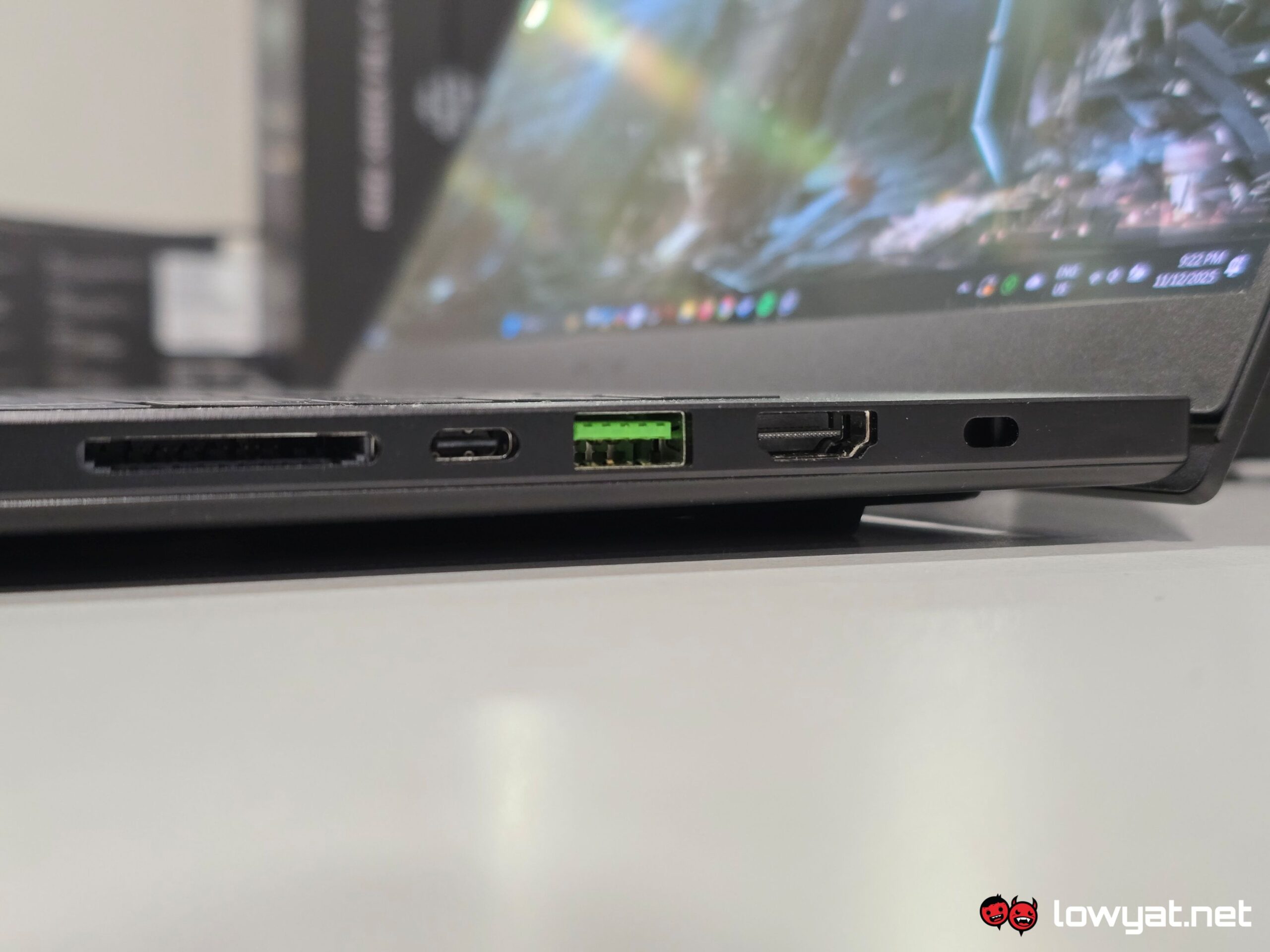
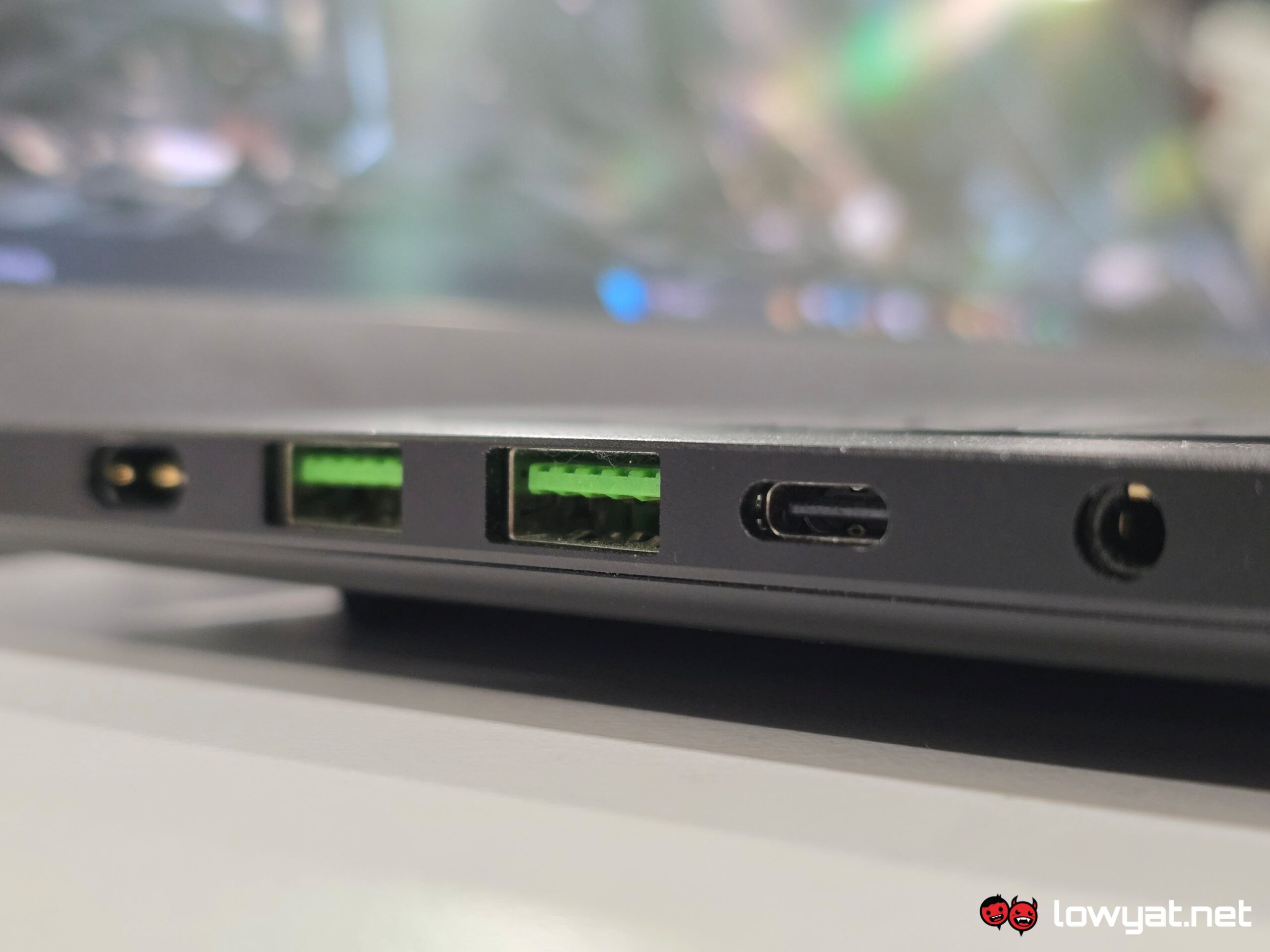
The ports are divided equally on both left and right sides, with USB4 on each side, and a full-sized SD Card reader on the right side.
Performance And Benchmarks

So, with the physical aspect out of the way, let’s talk about the Blade 16’s general performance and the one issue that plagues the overall experience: Synapse.
Full disclosure: I’ve used a Blade 14 as my daily driver since the first iteration came about in 2021, and in all those years, my level of irritation with Razer’s Synapse has always been kept within an acceptable level. That changed with the Blade 16 2025.
The current version of Razer Synapse is…problematic.
More often than I would like, Synapse would not boot up properly and in some cases, it renders most of the laptop’s functions into a near catatonic state: I’m unable to enable or disable the trackpad, the refresh rate is stuck to the previous option, and worst, the app itself would just refuse to activate. No matter how many times I forcibly shut it down and activate it again.
And in the moments I do get some semblance of functionality, I have to manually change those options through Synapse. Virtually every single time.
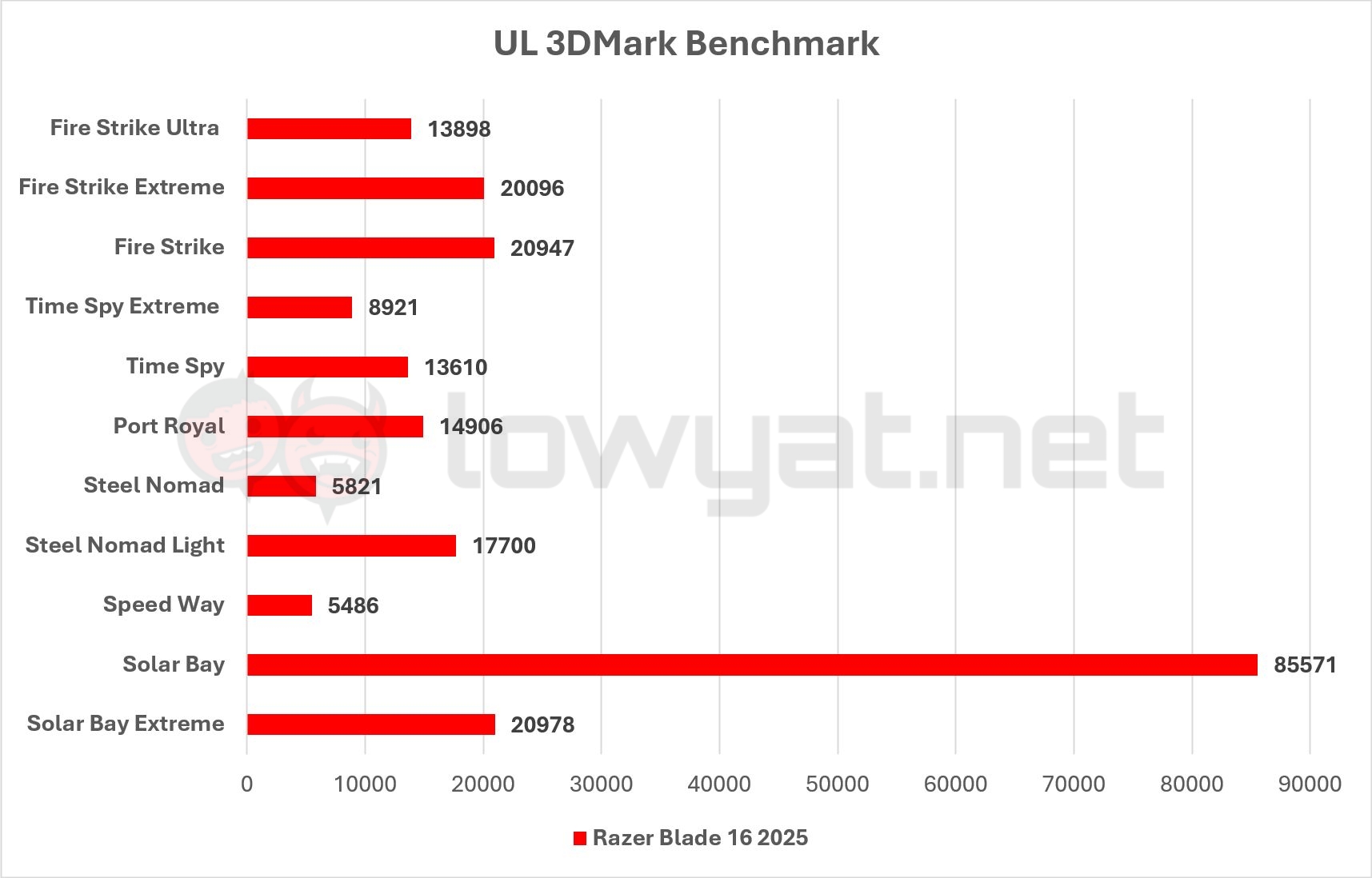
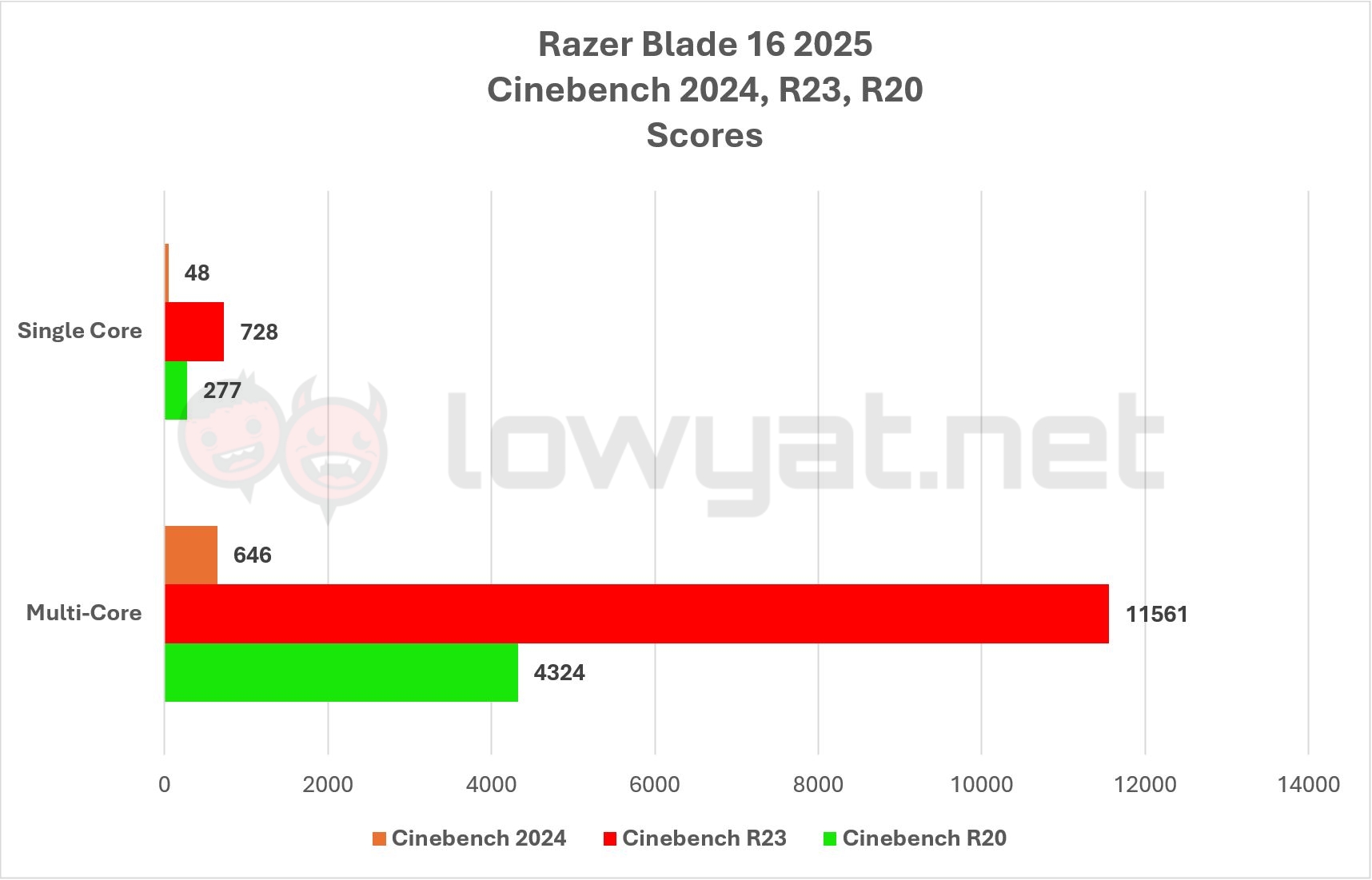
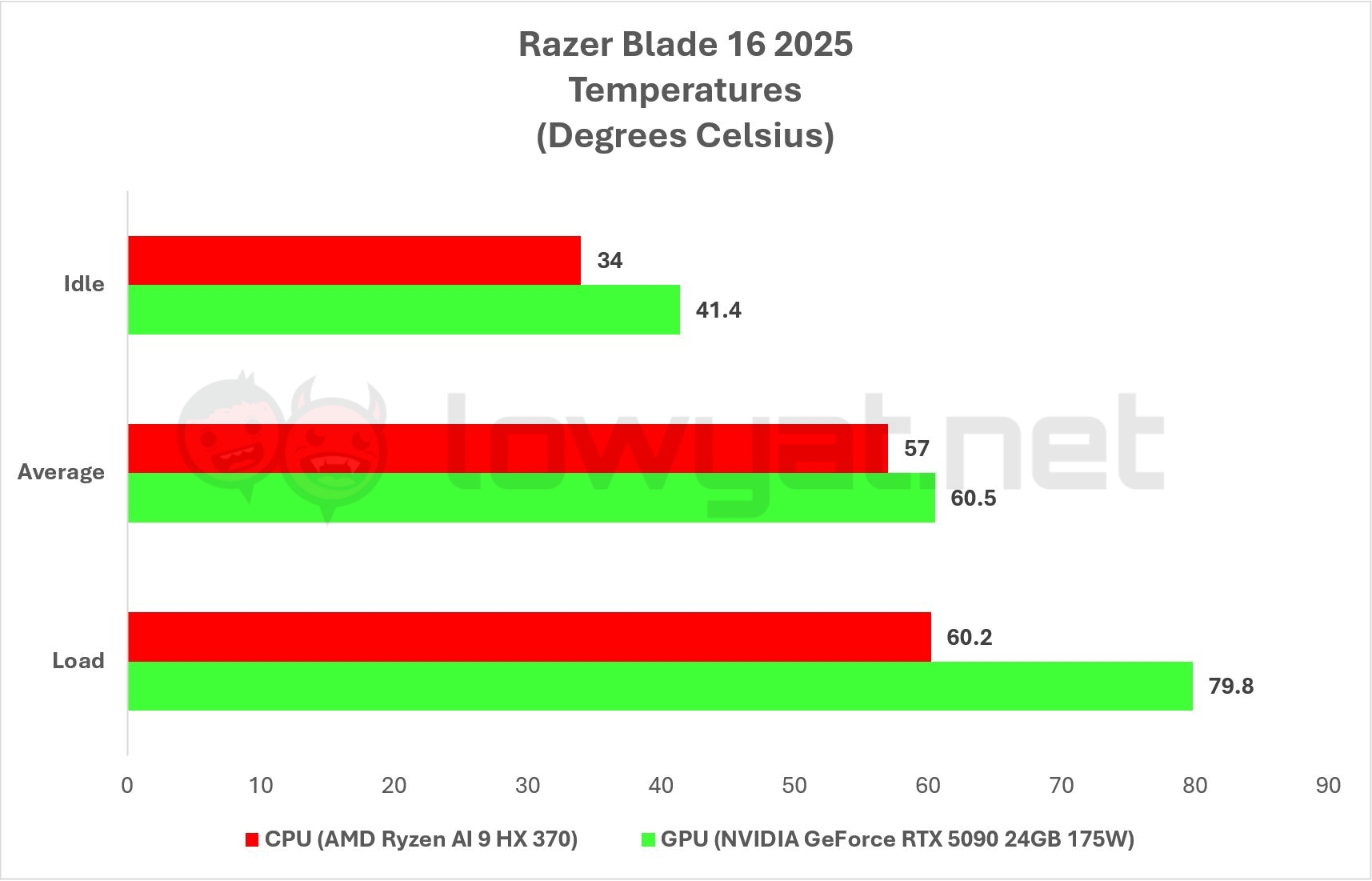
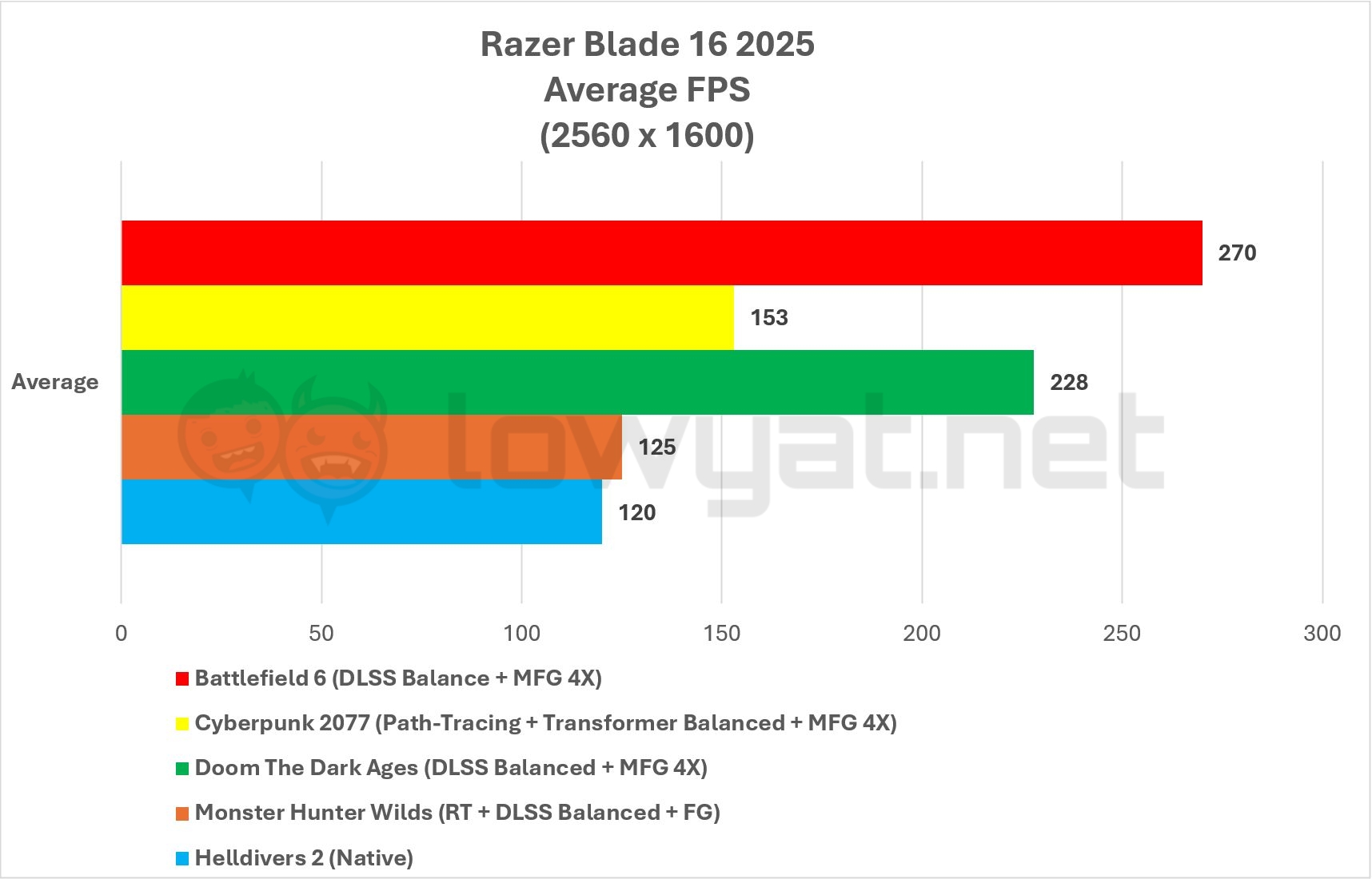
That aside, and much like all other laptops of this pedigree, the Blade 16 2025 is in its element when it comes to gaming, and I’m not denying that having an RTX 5090 absolutely blows the experience out of the water.
Because ray-tracing isn’t present in Battlefield 6 and with DLSS and Multiframe Generation (MFG) active, this laptop can comfortably maintain an average framerate well above 200 fps, with the occasional dips below 150 fps now and then. For a game like Doom The Dark Ages that has ray-tracing baked in, and with DLSS and MFG also turned on, I’m getting between 160 fps and 230 fps. More than plenty for me, as I’m not an esports player, nor am I gunning for the title. Synthetically, the Blade 16 2025 has issues running two tests, and those tests were PCMark 10 and the Blender benchmark suite. Besides those two, it ran the other tests perfectly fine.
Battery longevity isn’t one of the Blade 16 2025’s strengths, sadly.
Battery life is, either sadly or unfortunately, merely average, and that’s saying something, given the CPU that’s running the show. While the Ryzen AI 9 HX 370 has proven to be power efficient on its own, that’s not the case with the Blade 16 2025. At this point, I think the combination of the HX 370 and RTX 5090 is the reason this laptop only provides mediocre battery life.
On average, the Blade 16 2025 and its 90Wh battery holds out between seven and eight hours. Sometimes I can stretch it to nine, provided I turn off all the fancy lights – the logo, the keyboard – and dim the brightness of the display down to the bare minimum. Oh, and ensuring that certain programs and apps are shut down. At the end of the day, it’s still good enough to get work done, but I wouldn’t expect the same 16-hour battery endurance.
Competition
ASUS ROG Zephyrus G16 2025
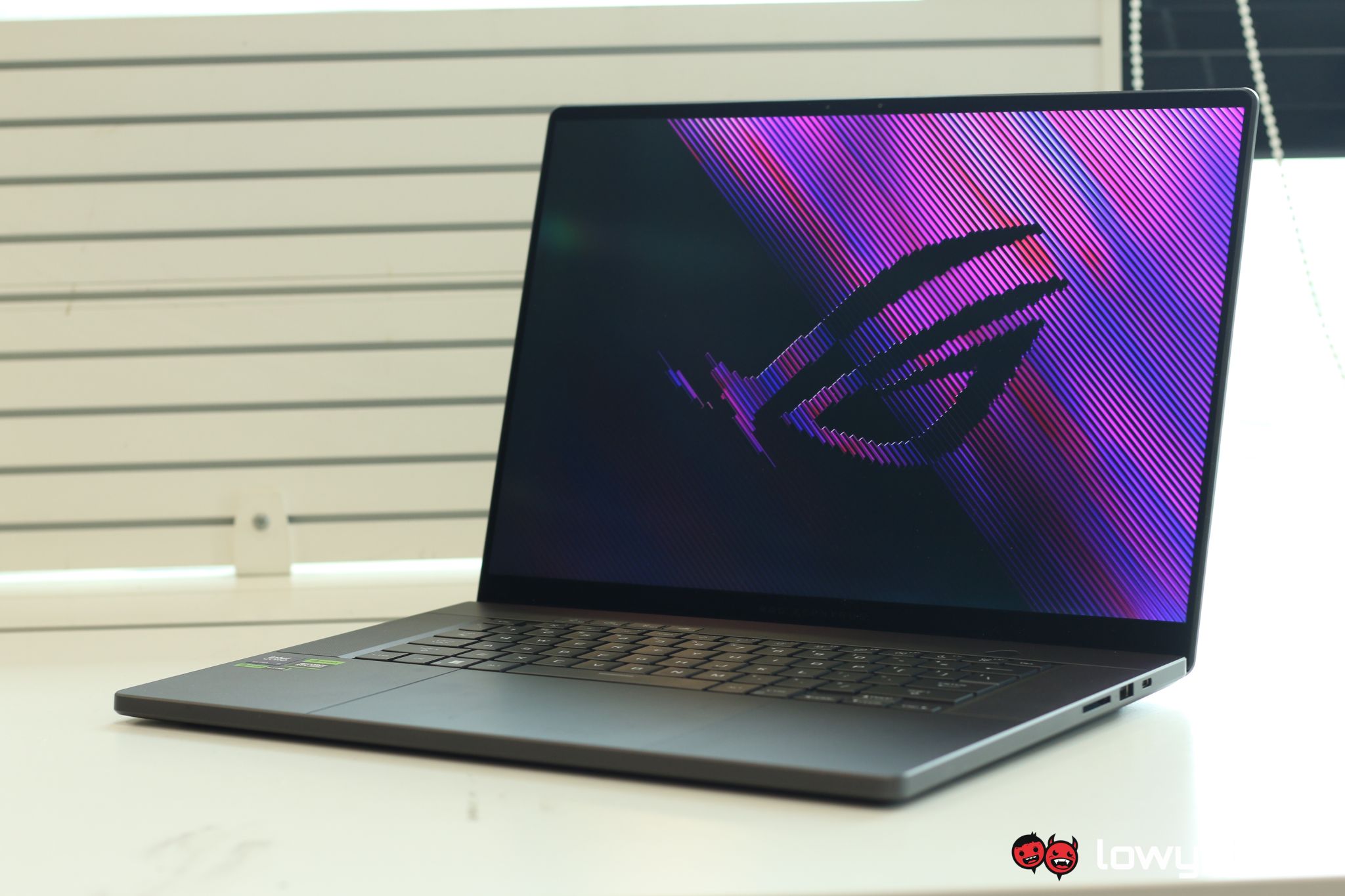
While I wasn’t able to get a review unit, the refreshed Zephyrus G16 2025 is nevertheless an obvious rival to the Blade 16 2025. Instead of AMD, though, ASUS is offering a laptop with an Intel Core Ultra 9 285H, 64GB LPDDR5X-7467 RAM, 2TB of PCIe 4.0 storage, an RTX 5090, and a 16-inch 2.5K WQXGA panel with its ROG Nebula technology.
Like all premium laptops of this calibre, though, it doesn’t come cheap. This configuration alone retails at RM22,299.
Lenovo Legion Pro 7i 2025
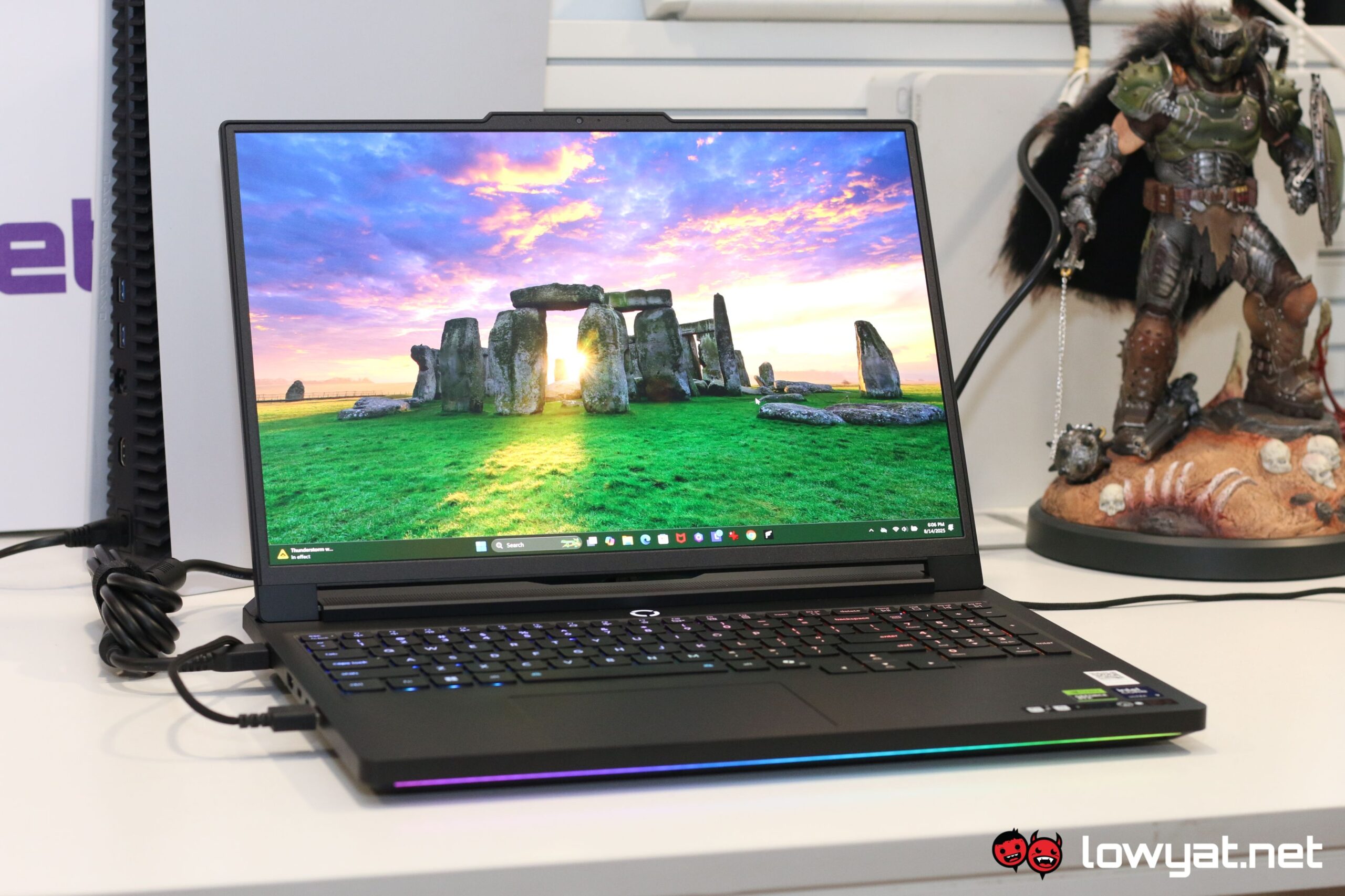
Lenovo’s latest Legion Pro 7i is another alternative to the Blade 16 2025, provided you can overlook its heavier and chonkier design. If so, you’re setting yourself up with an Intel Core Ultra 9 275HX, 32GB DDR5-6400 RAM, an RTX 5080, 2TB of PCIe 4.0 storage, and a 16-inch WQXGA (2,560 x 1,600) OLED panel.
The plus side of the spectrum is that, compared to Razer’s 16-inch beast, this configuration is actually considerably cheaper – all these specs retail at around RM13,230.
Conclusion
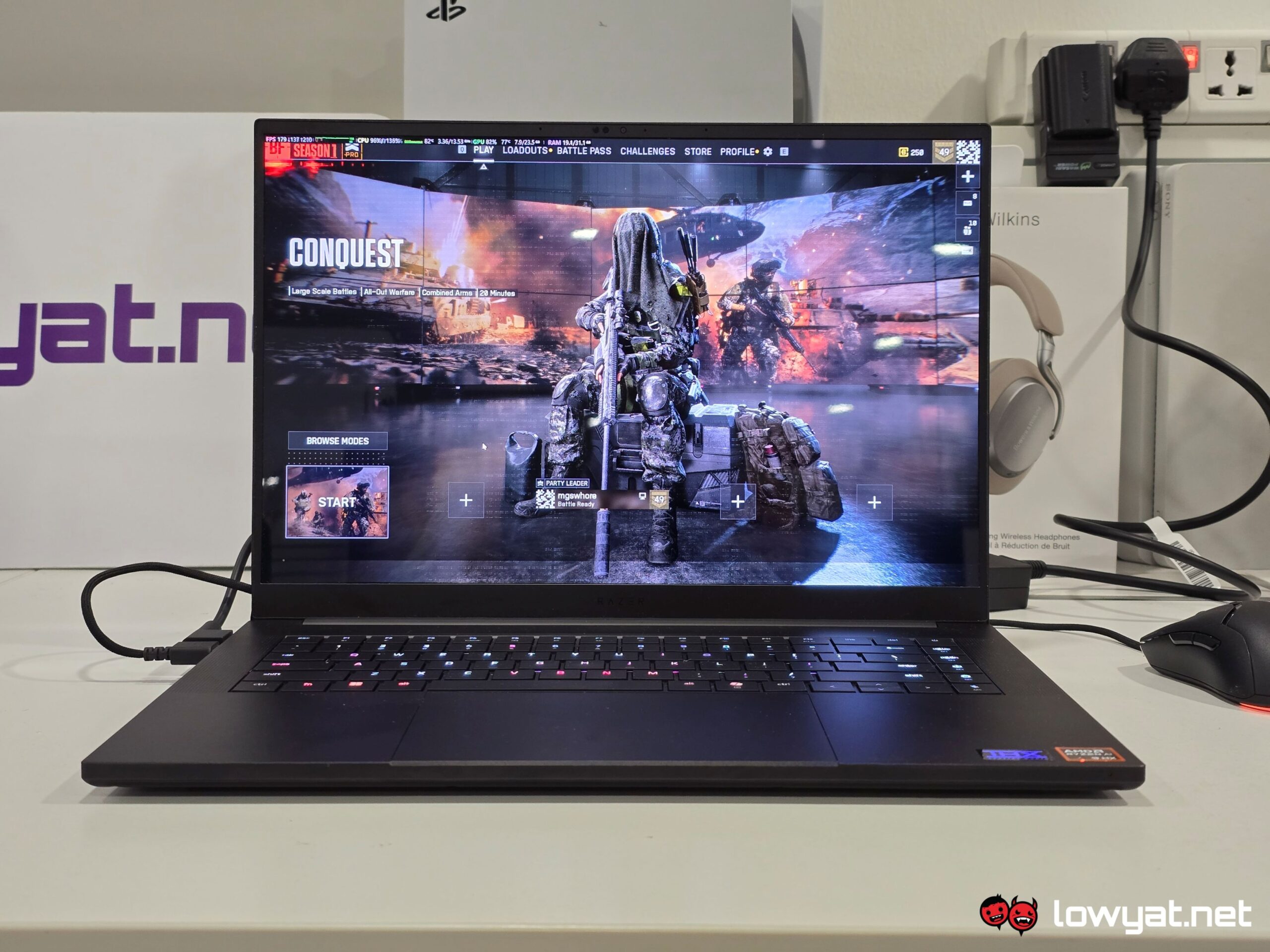
As much as I would like to love on the Razer Blade 16 2025, it’s the software side, among other things, that leave me with reservations about it. While not critical, I am a little disappointed that the HX 370 CPU in this laptop cannot emulate the battery endurance of other laptops fitted with the same processor, and the component has been in the market for more than a year at this point.
There’s even more bad news. Officially, the Blade 16 2025 isn’t available in Malaysia, meaning that if you’re planning on getting the laptop, you’re going to have to go through the grey market. Worse, if you’re eyeing this configuration specifically, be prepared to fork out close to RM20,000.
Photography by John Law.