

According to the Ministry of Investment, Trade and Industry (MITI), the Malaysian government is investigating various ways to expedite the rollout of electric vehicle (EV) charging infrastructure so as to meet the targeted 30,000 charging points by 2030. So far, these measures include a proposed EV sales levy to procure funds for installations, as well as collaborations with Tenaga Nasional Bhd (TNB) to deploy electrical substations.
Speaking during a Q&A session at the Dewan Rakyat, Deputy Minister Sim Tze Tzin explained that the need for electrical substations is among the challenges in expanding EV infrastructure. These substations, which are supplied by TNB, are expensive and require appropriate planning. Sim also pointed out that it is impossible to request a substation and have it ready by the following day, as construction and other preparations are necessary.
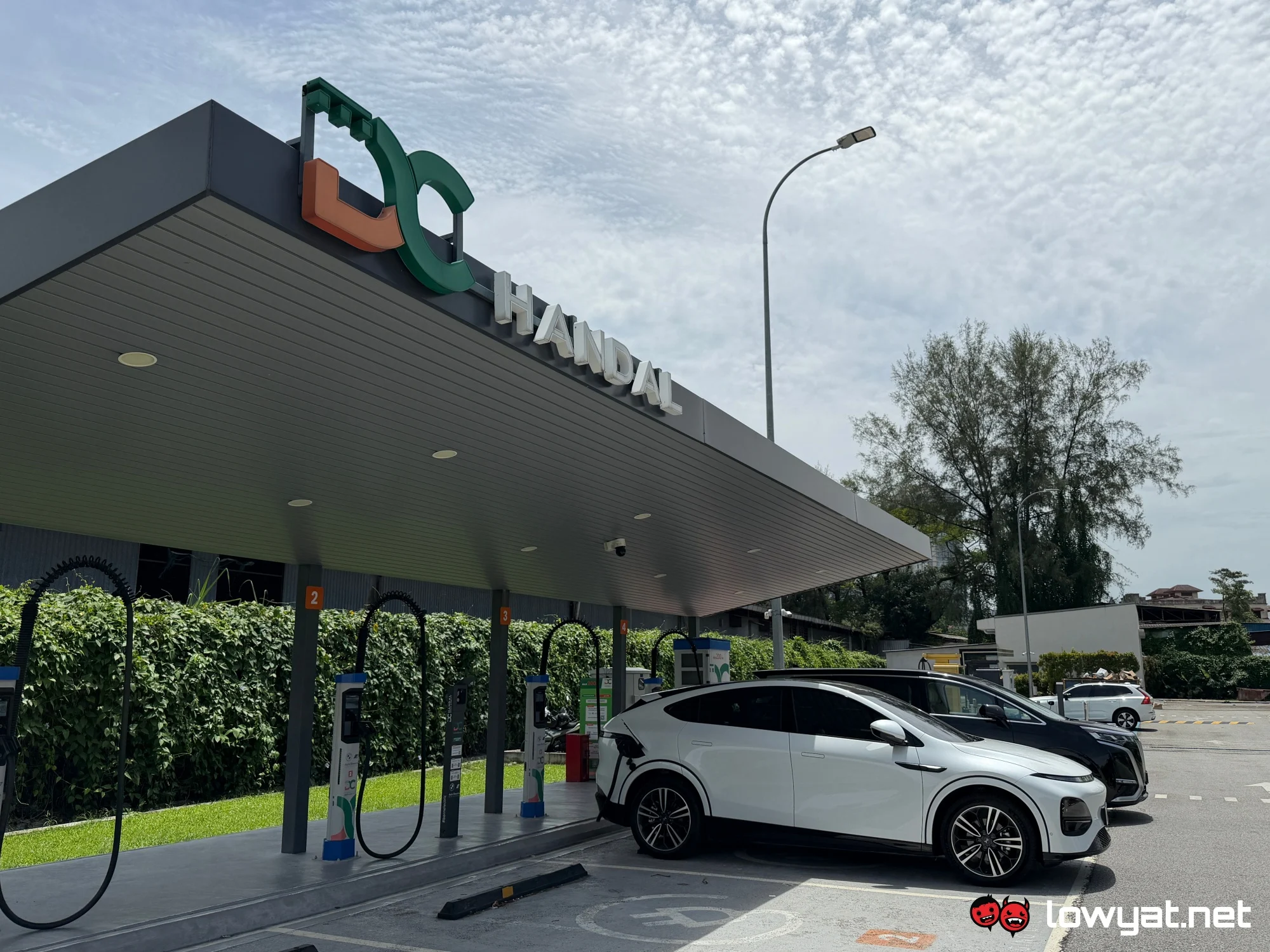 “Without substations, expansion will not be possible,” Sim declared. “Therefore, we hope TNB can assist the government in providing more EV charging stations and ultimately, it’s in terms of benefits against costs.”
As for the EV sales levy, the deputy minister explained that the proposal is still being studied, and that multiple aspects need to be considered before anything can be implemented. Beyond that, the government will continue to encourage private sector participation through charge point operators (CPOs) without making it mandatory for chargers to be installed at specific locations.
 Sim also revealed that as of 30 September 2026, 7,341 public EV charging stations have been installed across the country. This is about 24% of the 2030 target, although it still falls short of the initial 2025 target of 10,000. For what it’s worth, it is an improvement over the previously reported figure of 6,416.
Out of the current total, 4,992 are alternating current (AC) chargers, while 2,349 are direct current (DC) fast chargers. Sim also disclosed that 148 DC EV chargers are currently operational at rest and service areas (R&Rs), lay-bys and petrol stations along major highways. As it stands, 20 CPOs are actively involved in installing the infrastructure.
(Source: The Edge)
