
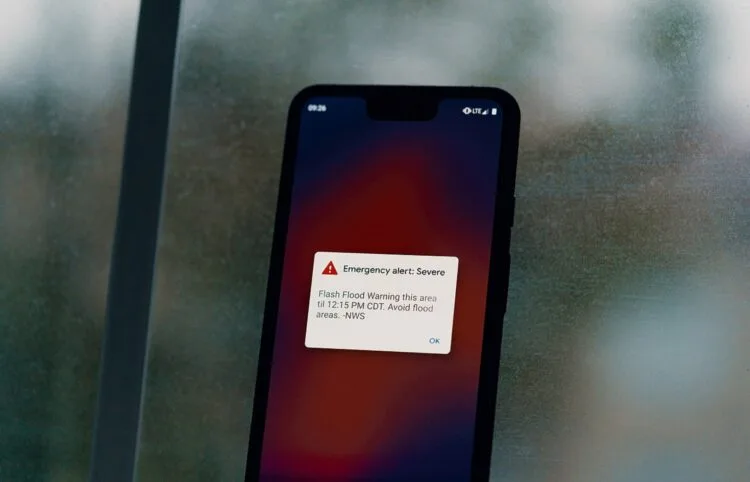
Malaysia is preparing to test a new smartphone-based disaster alert system next month. According to recent reports, the Malaysian Communications and Multimedia Commission (MCMC) is now in the final phase of developing the Cell Broadcast System (CBS), with a live test scheduled for 19 November 2026.
The upcoming exercise will test the system’s ability to deliver emergency notifications directly to mobile phones. The test is expected to cover selected high-risk areas, including flood-prone locations in Selangor, Kuala Lumpur, Kelantan and Pahang, although the exercise is not an indication that an actual disaster is taking place.
This development follows the government’s announcement back in 2024. At the time, Communications Minister Fahmi Fadzil said the government was exploring smartphone-based emergency alerts as part of its plans to strengthen flood preparedness. The proposal involved using a system similar to those already deployed in countries such as Japan and South Korea, where mobile phones can receive emergency broadcasts without relying on conventional SMS delivery.
Cell Broadcast Can Send Alerts Without Internet Access
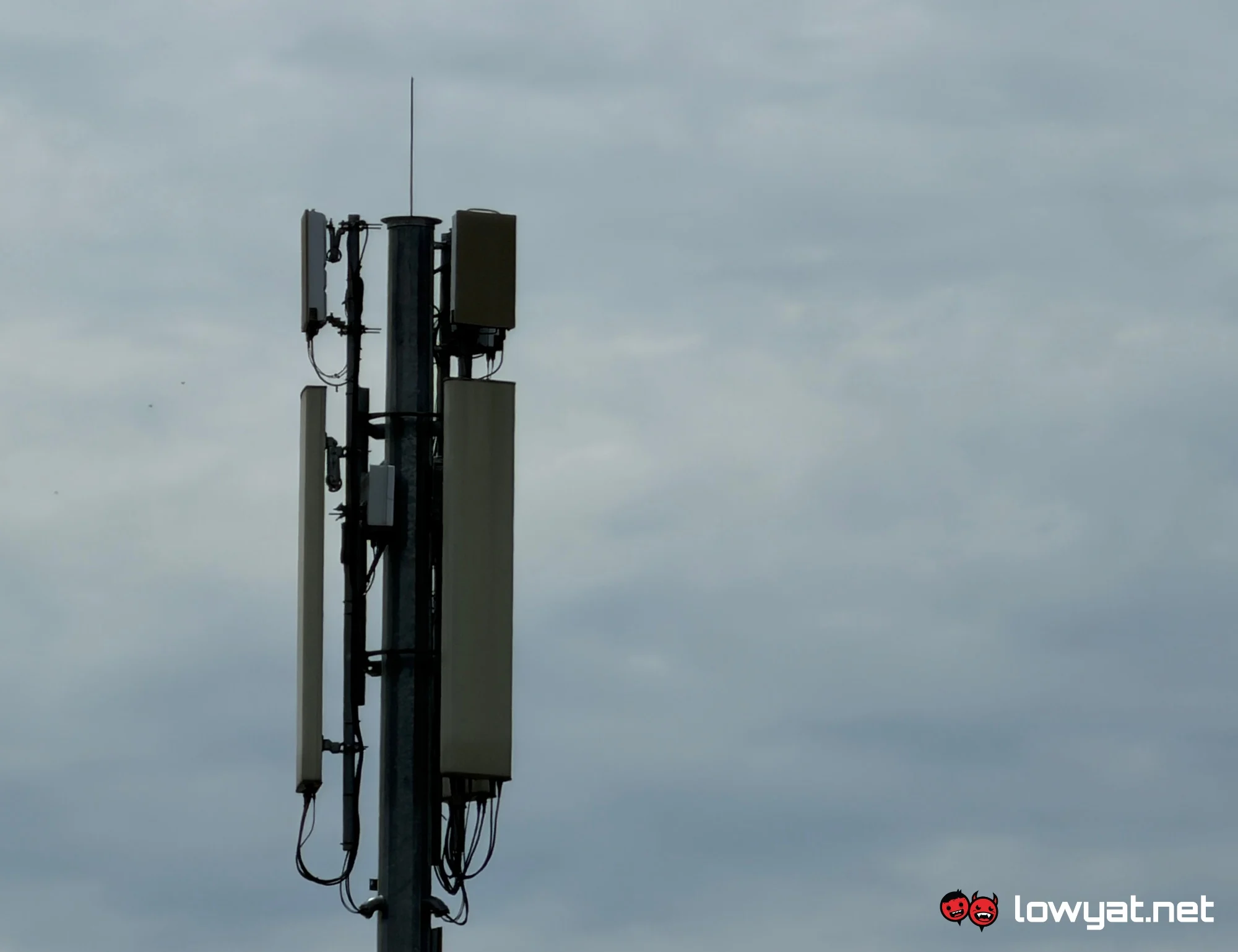
Unlike conventional SMS-based notifications, CBS broadcasts emergency messages to compatible mobile devices connected to cellular towers within a designated geographical area. This allows authorities to target people in affected locations without having to send individual messages to their phone numbers.
The system does not require recipients to have an active internet connection, use SMS services or install a dedicated application. It can also reach users regardless of their mobile service provider, provided there is at least one functioning mobile network in the affected area.
The system is intended to complement and eventually replace Malaysia’s existing SMS-based disaster warning mechanism. It is also being developed with accessibility in mind, with support for features such as audio alerts, vibrations and screen readers on compatible devices to help people with visual or hearing impairments, as well as those who have difficulty reading.
However, CBS is not entirely independent of telecommunications infrastructure. If a disaster knocks out all mobile network services in an affected area, alerts cannot be delivered through the system until connectivity is restored, making network resilience and recovery plans important parts of its implementation.
