
The Tokyo District Court has ruled that a person’s voice can be protected under Japan’s publicity rights, following a lawsuit brought by anime voice actor Kenjiro Tsuda over TikTok videos that allegedly used an AI-generated copy of his distinctive voice. However, the court dismissed Tsuda’s request for the videos to be removed because the account behind them had already taken the content down.
The decision comes amid growing concern among Japanese voice actors over AI-generated replicas of their voices. The Japan Actors Union has also launched a campaign opposing the unauthorised use of performers’ voices and likenesses in generative AI content, warning that widespread cloning could affect the industry’s future.
Court Recognises Voice As Part Of Personal Identity
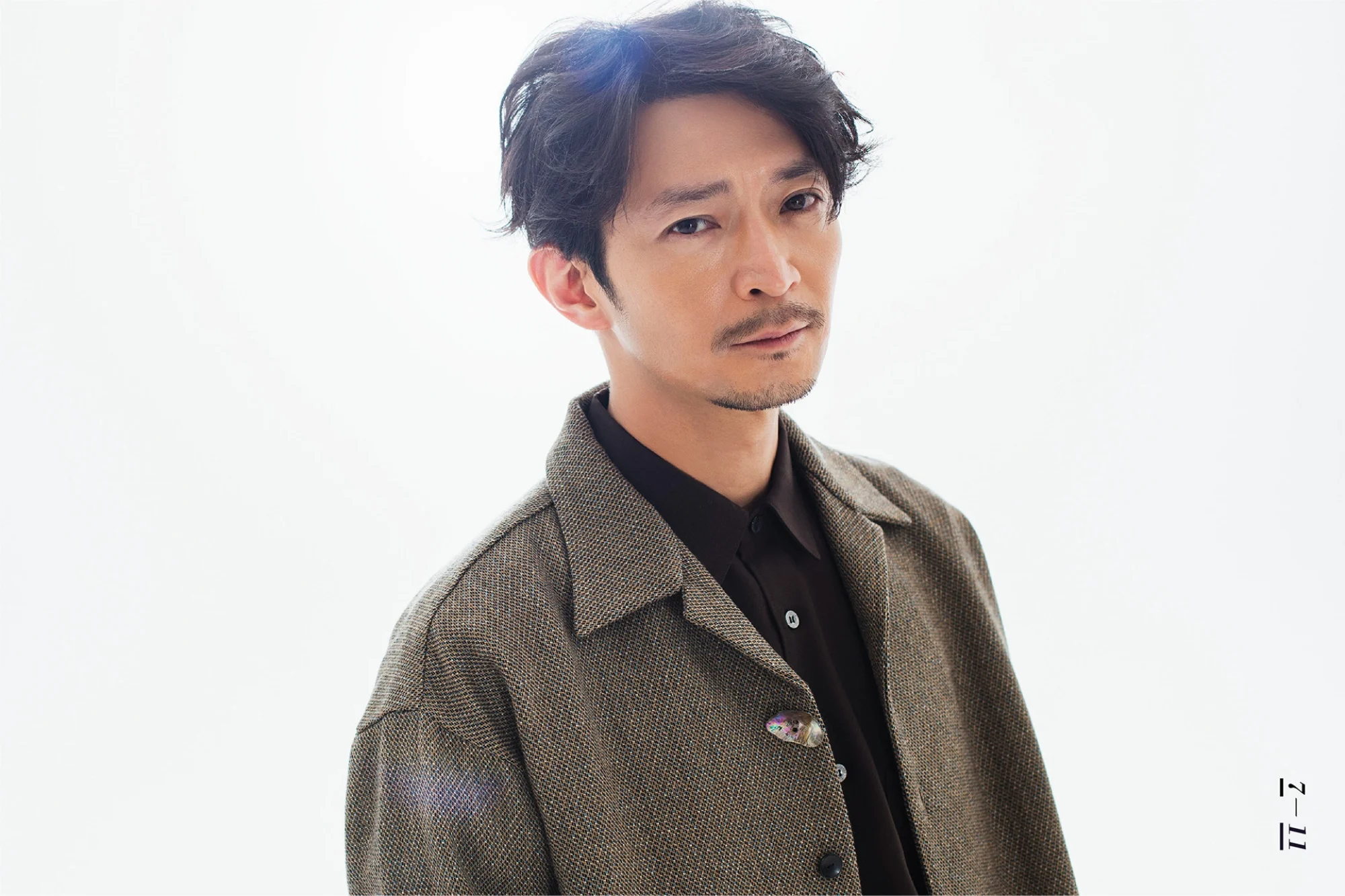
According to AFP, the court ruled on Wednesday that the unauthorised use of a performer’s voice can constitute an infringement of publicity rights. Presiding judge Aya Takahashi said a voice can be considered symbolic of an individual’s personality in much the same way as their portrait.
The ruling specifically found that a voice can fall under publicity rights when it is used primarily to take advantage of its commercial appeal. Publicity rights generally cover an individual’s ability to control and benefit from the commercial use of aspects of their identity.
The case is believed to be Japan’s first lawsuit seeking to protect an individual’s vocal identity against AI-generated copies. It comes as performers around the world increasingly raise concerns over AI systems being used to replicate their voices without permission.
Over 180 Videos Allegedly Cloned Tsuda’s Voice
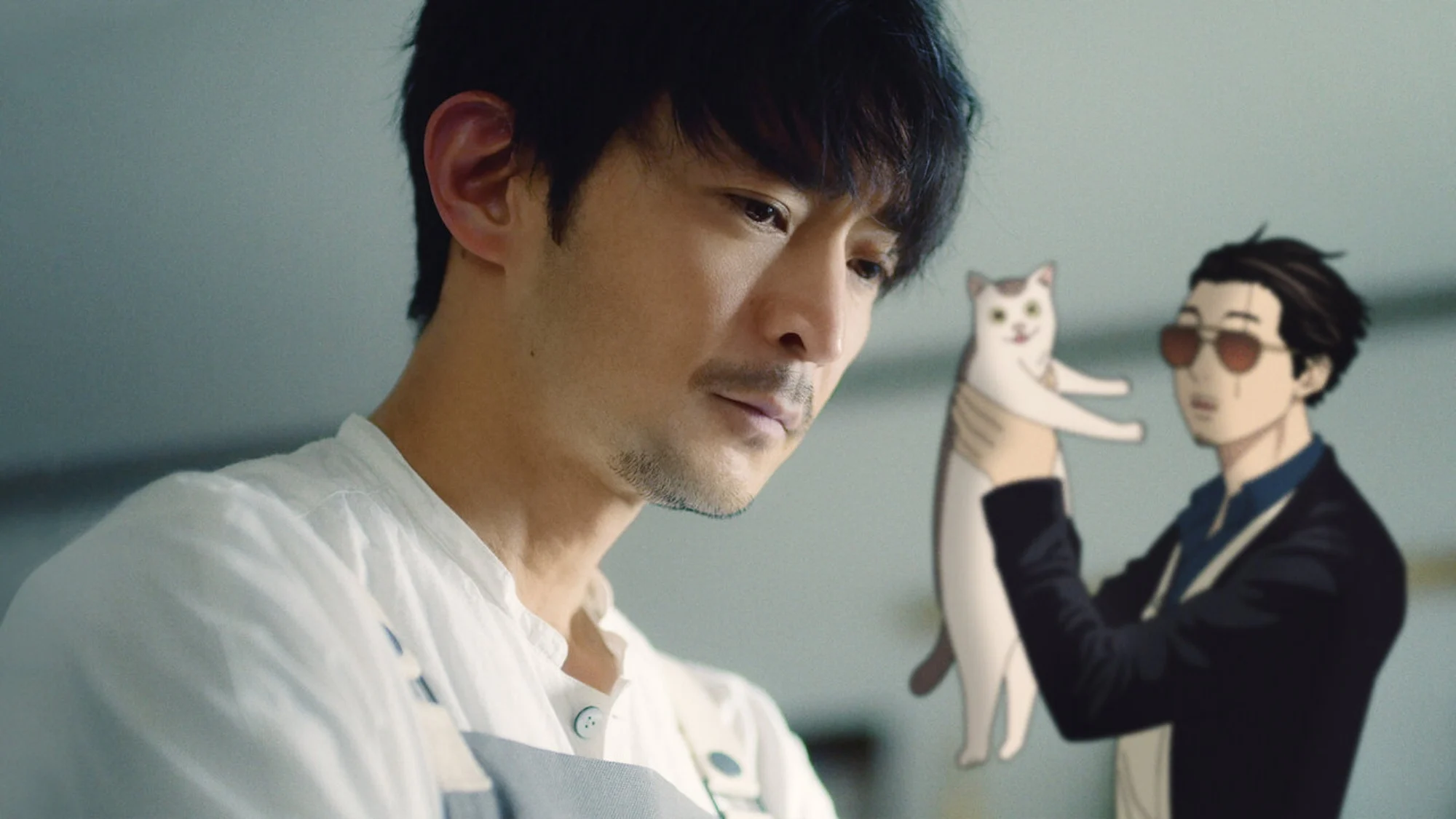
Tsuda is known for his roles in major anime franchises including The Way of the Househusband, Jujutsu Kaisen, and Yu-Gi-Oh!. He claimed that an anonymous TikTok account had published more than 180 videos narrated by a voice that closely resembled his own. The account reportedly used a profile image resembling a character voiced by Tsuda and posted content covering urban legends, occult phenomena, and conspiracy theories.
It had more than 200,000 followers at one point, while Tsuda’s legal complaint claimed that the videos could have generated more than JPY500,000 (~RM12,925) in monthly revenue. TikTok disputed the claim, arguing that the videos used a generic male voice and that any perceived similarity to Tsuda’s voice was subjective, according to court records reviewed by AFP.
Court Dismisses Video Removal Request
Despite recognising that unauthorised use of a performer’s voice can infringe publicity rights, the court did not order TikTok to remove the videos. This was because the anonymous user behind the account had already deleted them several months after the lawsuit was filed.
Tsuda’s lawyer Takashi Hirano said the outcome effectively left both sides with something to claim as a victory. TikTok, meanwhile, said it would respect the court’s judgment while reviewing the details of the ruling and considering its next steps.
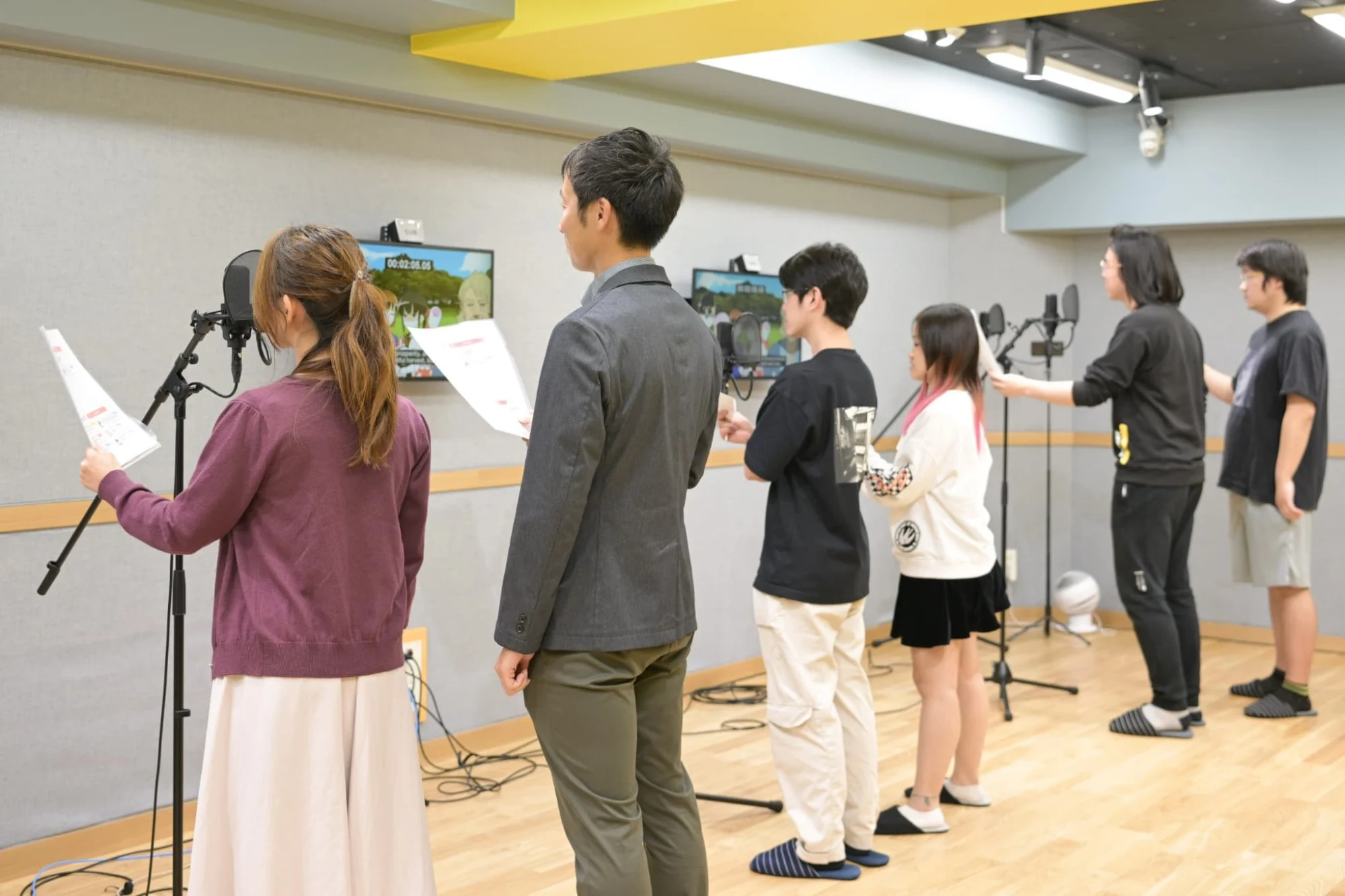
Japan Has A Strong Voice Acting Culture
For the uninitiated, voice acting (or “seiyuu”) is a particularly established profession in Japan, where voice actors are not only hired to dub films and television shows but can also become celebrities in their own right. Popular performers frequently build careers across anime, video games, radio, music, live events and advertising, giving their voices a significant commercial and cultural value.
This is somewhat different from markets where voice actors are generally less visible to the public, although the profession is also well established elsewhere. In Japan, the strong connection between a performer’s voice, their public identity and the characters they portray helps explain why the unauthorised replication of a recognisable voice can be a particularly significant issue.

Not All AI Voice Cloning Is Unauthorised
There are also examples of performers voluntarily allowing their voices to be replicated using AI. In 2022, the late James Earl Jones gave Disney permission to use an AI-generated version of his iconic Darth Vader voice for future Star Wars projects, with Ukrainian company Respeecher providing the voice-cloning technology.
Nevertheless, Tsuda’s case highlights an important distinction in the growing debate over AI-generated voices. The technology itself is not necessarily the problem, but how it is used and whether the person behind the voice has given permission.
(Source: AFP, via Courthouse News Service)
