
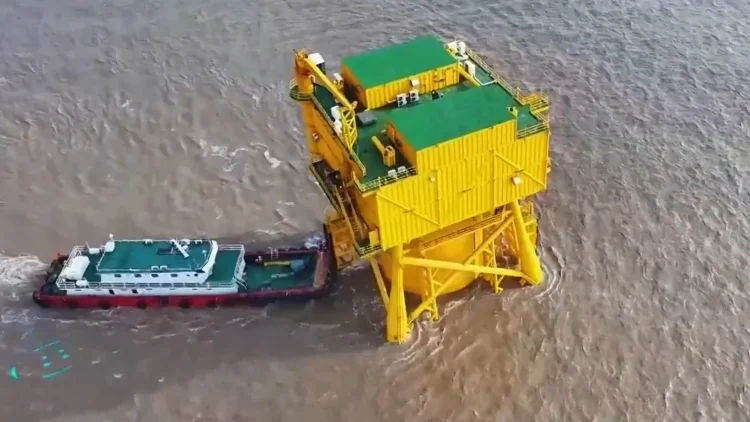
China has put into operation what is being described as the world’s first offshore wind-powered underwater data centre, located off the coast of Shanghai’s Lingang Special Area. The project combines subsea server modules with direct connections to offshore wind turbines, aiming to reduce the massive cooling and energy demands typically associated with modern data centres.
The underwater data centre was first announced in June 2025 through a cooperation agreement involving the administrative committee of the Lingang Special Area of the China (Shanghai) Pilot Free Trade Zone, Shanghai Lingang Special Area Investment Holding Group, and HiCloud Technology. Construction was reportedly completed in October the same year, while full commercial operations only began recently following trial runs earlier this year.
According to Chinese media reports, the project is being developed in two phases. The first demonstration phase offered a capacity of 2.3MW, while the completed second phase scales the facility up to 24MW.
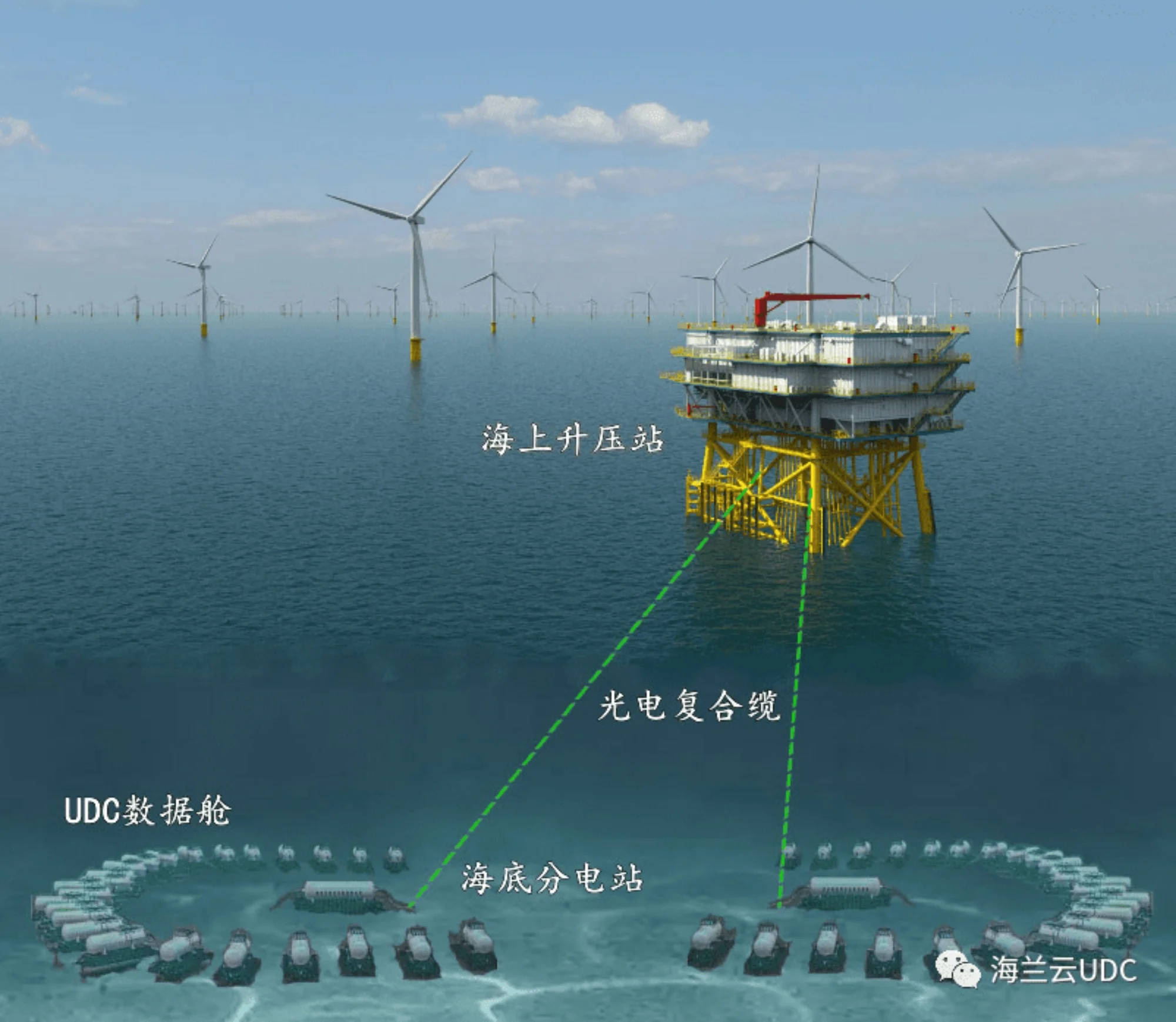
Powered By Offshore Wind, Cooled By Seawater
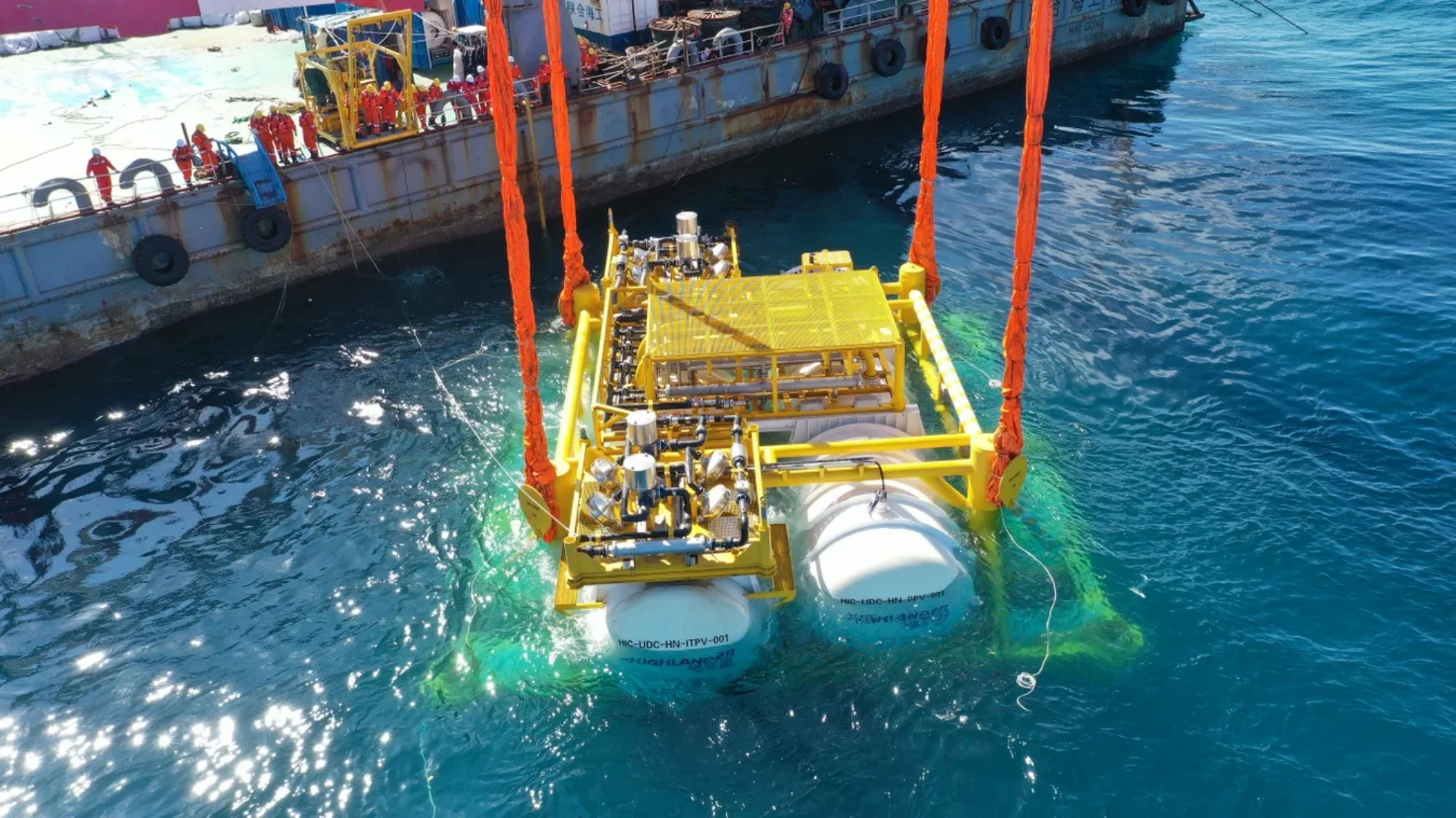
The data centre sits beneath the sea, reportedly as low as 35 metres underwater, between the first and second phases of Lingang’s offshore wind farm. The sealed subsea modules, as you’d probably have guessed by now, use surrounding seawater as a natural cooling mechanism. Meanwhile, electricity is supplied directly from nearby offshore wind turbines.
This setup removes the need for large conventional cooling systems typically found in land-based data centres. Traditional facilities often rely on industrial chillers and HVAC systems that consume substantial amounts of electricity.
The developers claim the underwater approach reduces electricity consumption by 22.8%, eliminates freshwater usage entirely, and cuts land use requirements by more than 90%. The facility is also said to maintain a Power Usage Effectiveness (PUE) of around 1.15, placing it among the more energy-efficient large-scale data centres currently in operation.
Built For AI And Big Data Workloads
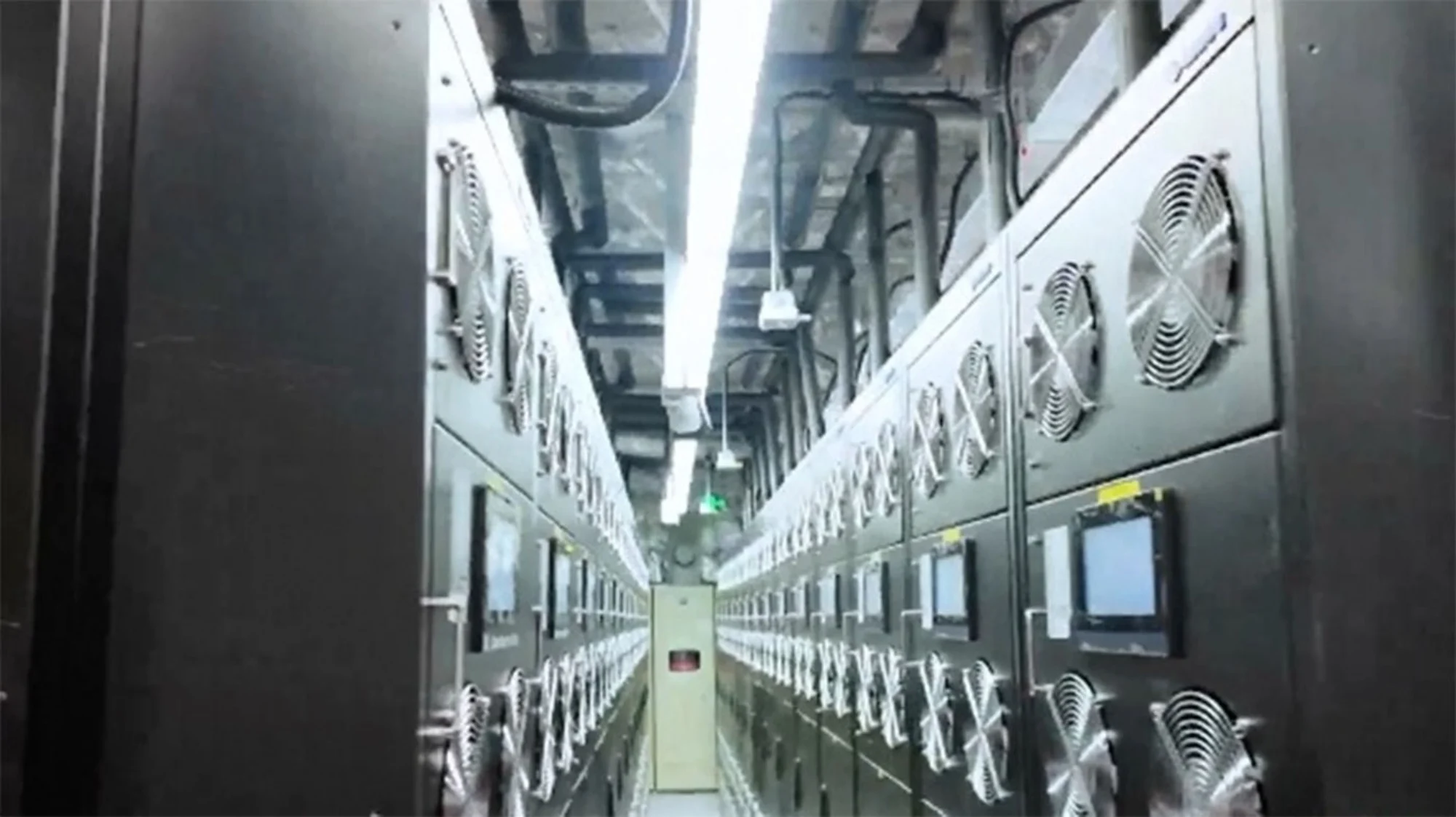
The facility houses nearly 2,000 servers, including GPU computing clusters deployed by companies such as China Telecom and LinkWise. The servers are expected to handle AI-related workloads, including big data annotation, domestic large language model (LLM) development, and 5G infrastructure processing.
The project also reportedly supports coordinated computing resource allocation between offshore and onshore facilities. This could allow workloads to be distributed more efficiently between both locations.
(Source: CGTN / offshore-energy.biz)
