

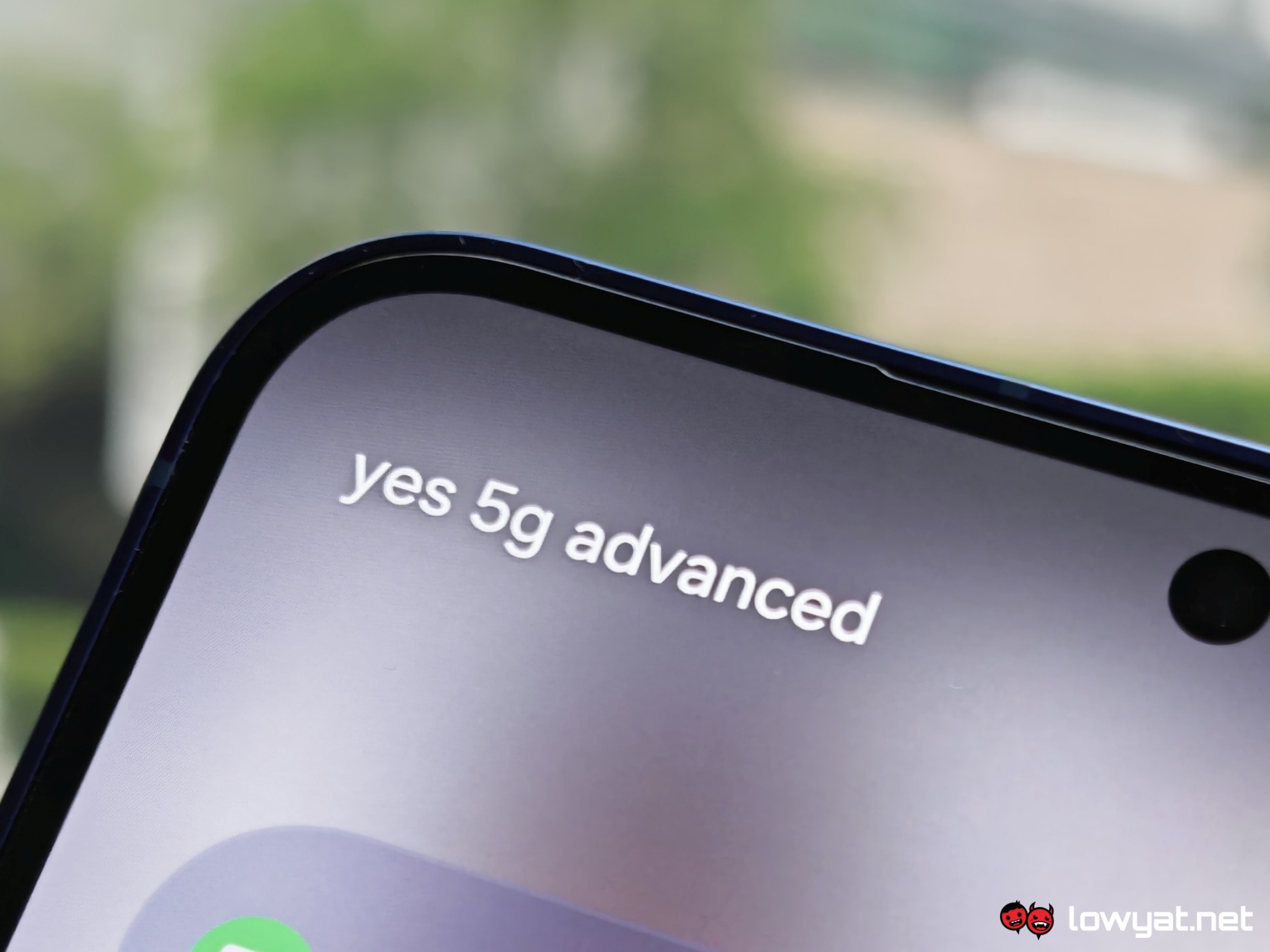
Apple appears to be preparing to enable 5G Standalone (5G SA) and 5G Advanced support for iPhones in Malaysia through a future iOS update. Evidence of the feature recently surfaced in the iOS 26.4 beta, where users discovered new settings related to standalone 5G connectivity.
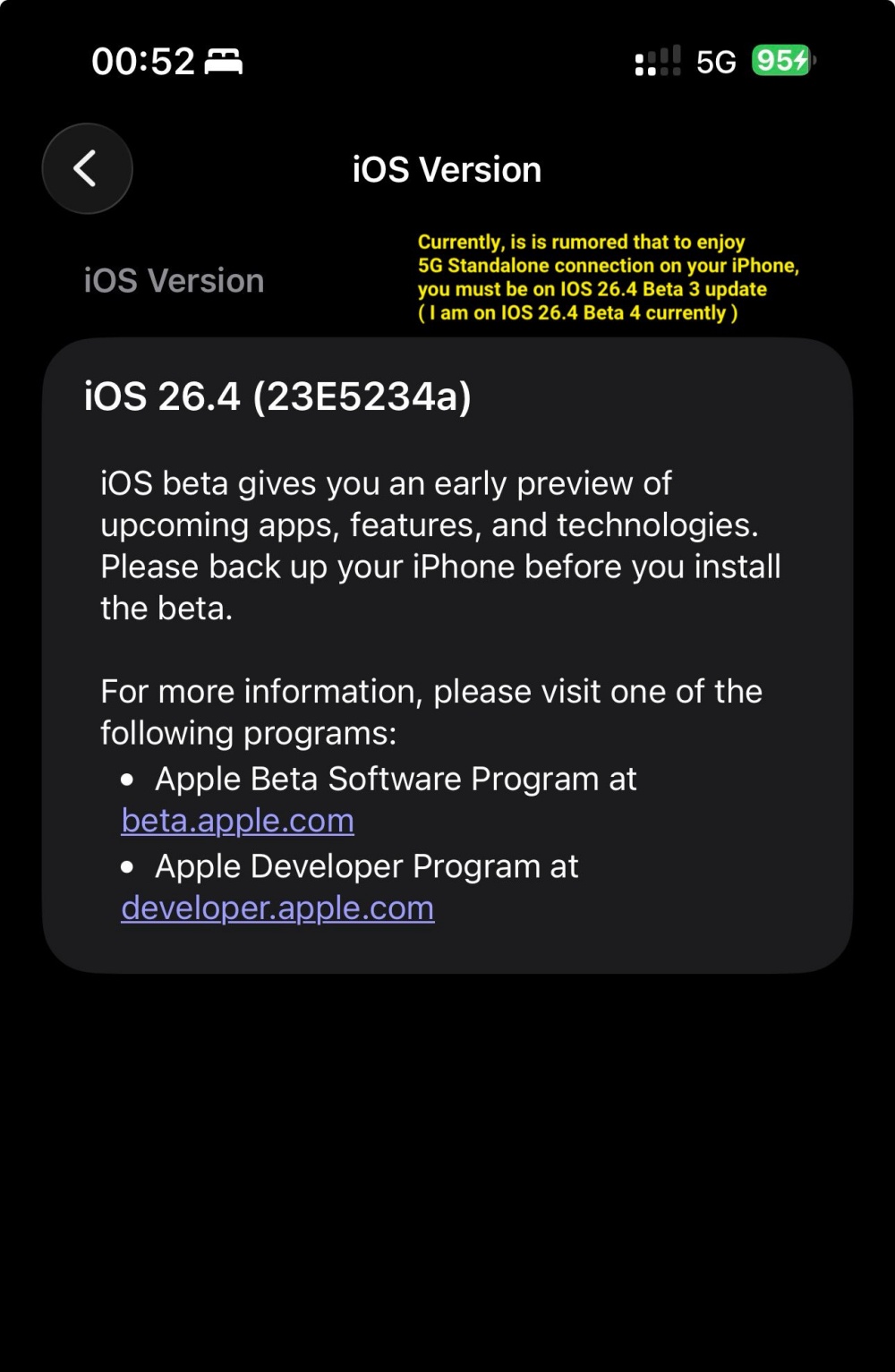
One of the early sightings came from X user @nukm4n, who shared screenshots showing the additional network options on an iPhone running the beta software. While the feature is currently limited to test builds, its presence suggests Apple may be getting ready to roll out wider support for SA networks once the update reaches the public release stage.
New 5G SA Controls In Settings
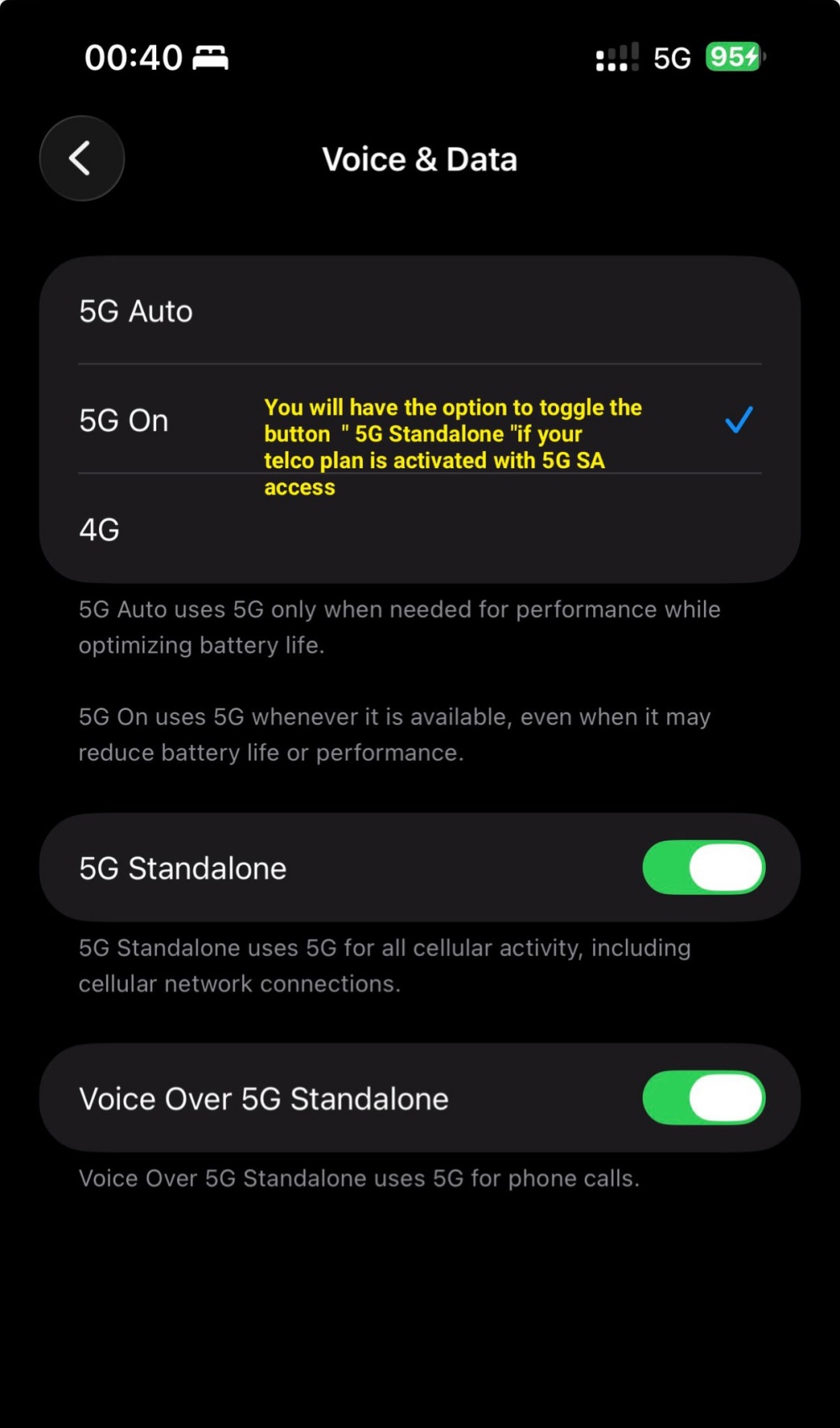
According to @nukm4n, new options within the Voice & Data section of the iPhone’s cellular settings are now available via the beta. The menu now includes a 5G Standalone toggle along with Voice over 5G Standalone (Vo5G), which is a technology that allows voice calls to be carried directly over a standalone 5G network. Similar in concept to Voice over LTE (VoLTE), Vo5G enables devices to place and receive calls without switching back to 4G, allowing the phone to maintain a continuous 5G connection during voice calls.
With these options enabled, compatible networks would allow iPhones to place and receive calls directly over a standalone 5G connection. This differs from the current 5G Non-Standalone (NSA) setup, where devices typically switch to 4G via Voice over LTE (VoLTE) whenever a voice call is made. As a result, calls on NSA networks often cause the device to temporarily drop its 5G connection before returning to it once the call ends.
So What’s The Big Deal?
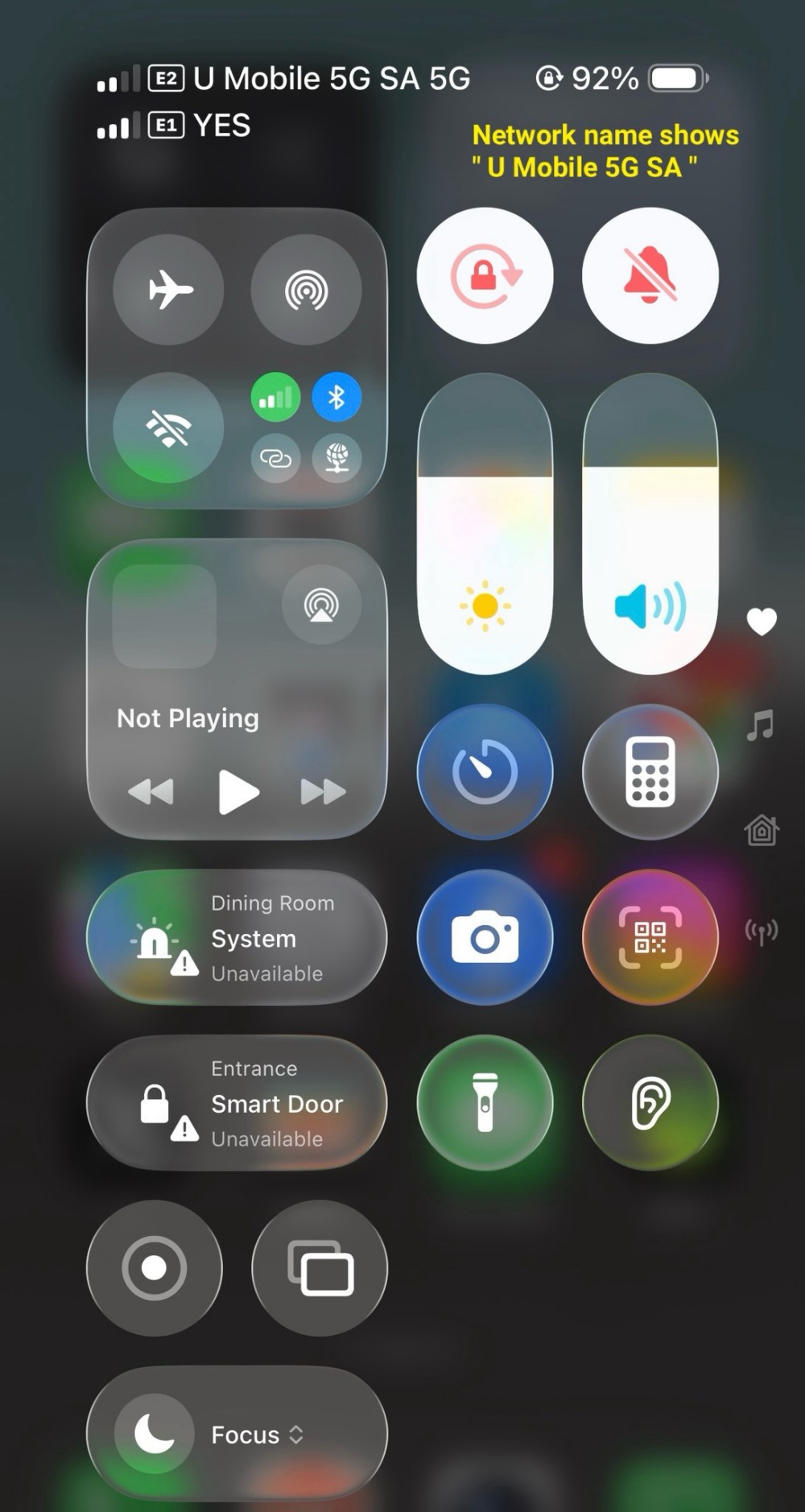
5G Standalone represents the next phase of 5G network development. Unlike NSA deployments that depend on 4G infrastructure to support parts of the connection, SA networks run entirely on a dedicated 5G core. This enables networks to deliver the full range of 5G capabilities, including lower latency, improved responsiveness, and more efficient network management.
Apart from performance improvements, 5G SA may also provide benefits in terms of device efficiency. Because the connection relies solely on the 5G core network, the modem does not need to maintain simultaneous links to both 4G and 5G networks. In practice, this could translate to more stable connections and potentially improved battery efficiency compared with NSA setups that juggle multiple network layers.
Only A Few Malaysian Telcos Currently Offer 5G SA
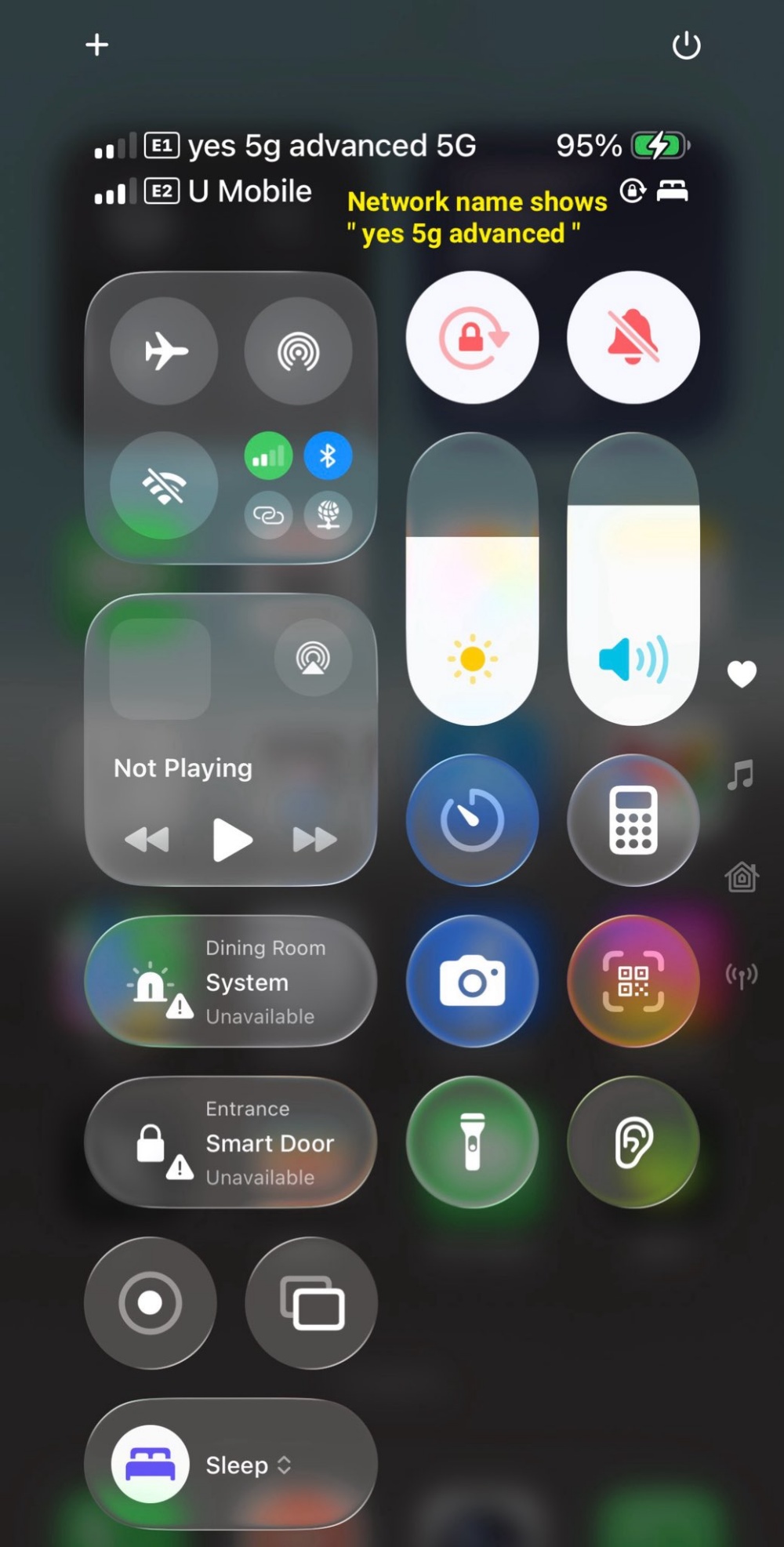
In Malaysia, 5G Standalone services are still relatively limited. At the moment, Yes 5G and U Mobile are among the operators that already offer 5G SA and 5G Advanced capabilities on their networks. However, device compatibility remains restricted, as their official lists currently consist mostly of selected Android smartphones. Needless to say, this will soon change once Apple enables support for both 5G SA and Advanced for iPhones.
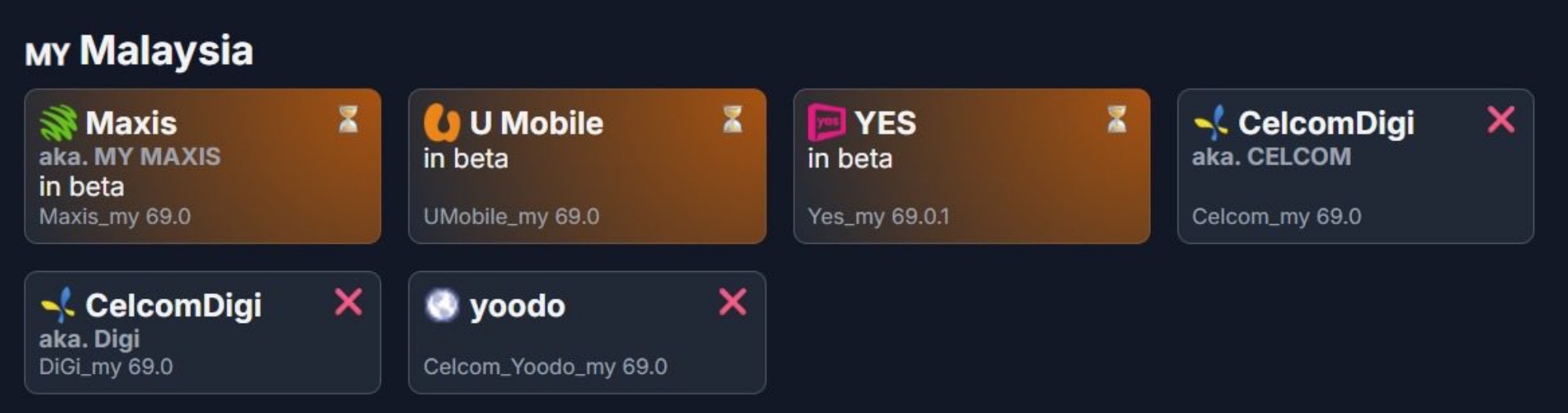
As for what the future holds, we could potentially see Maxis being included as part of local carriers offering 5G SA. @nukm4nb also pointed to a community-maintained tracker that monitors carrier feature support after each iOS beta release. According to the data listed on the site, the green telco along with U Mobile and Yes 5G appear to show support indicators for 5G Standalone on iPhones in the latest beta. Although, this does not necessarily mean the feature is already active on the networks themselves.
iOS 26.4 Release And Compatible Devices
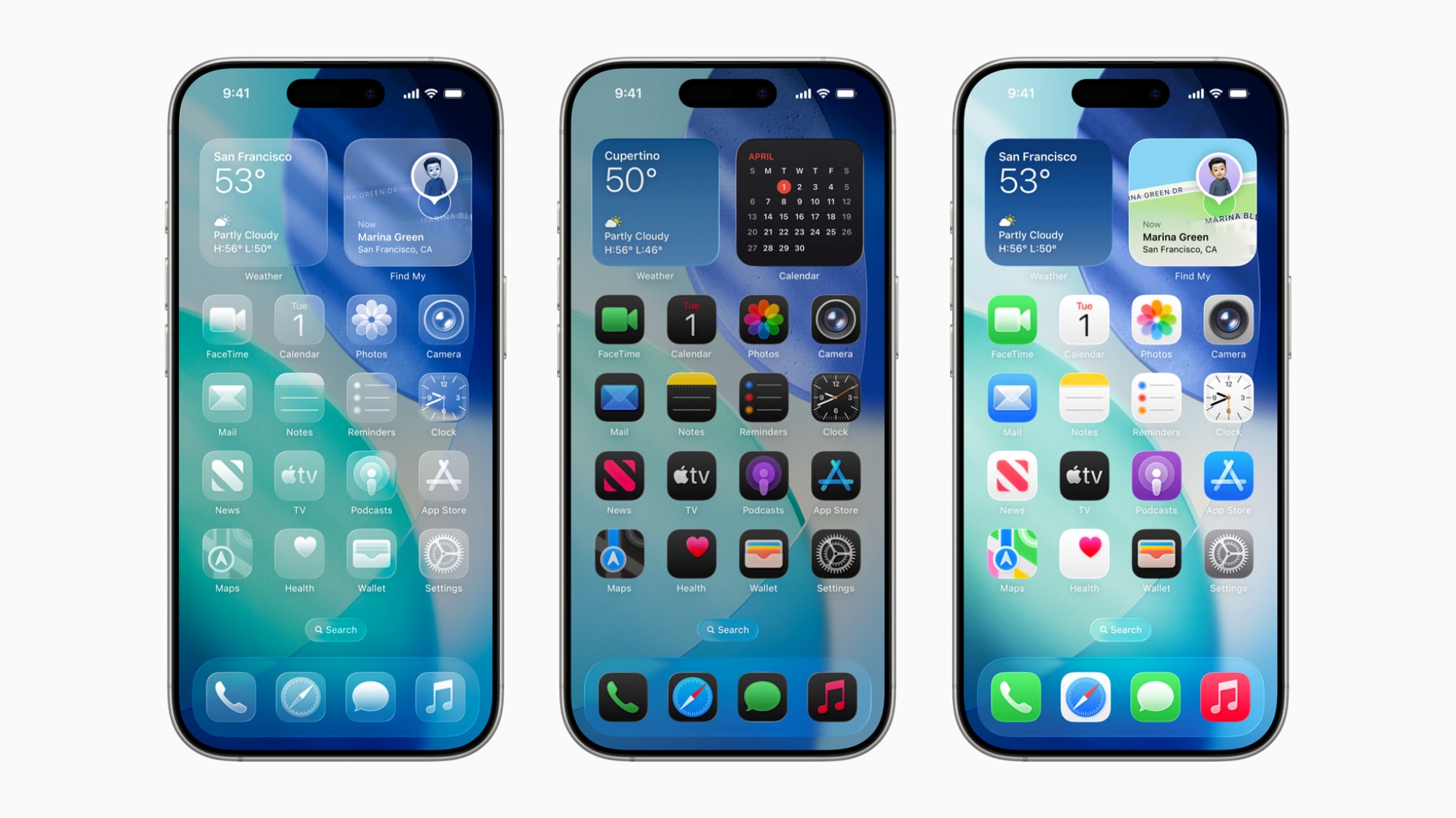
For now, the standalone 5G options remain exclusive to those who have access to the iOS 26.4 beta. For those who are willing to wait, it is expected that iOS 26.4 will be available to the public starting next week.
Users who want to try the feature early can join Apple’s public beta programme through the Apple Beta Software Program website and install the latest beta on their compatible iPhone. Speaking of which, based on the current version of iOS 26, supported models include the iPhone 11 series and newer, including the iPhone SE (2nd generation and later).
Thanks for the tip @nukm4n!
