

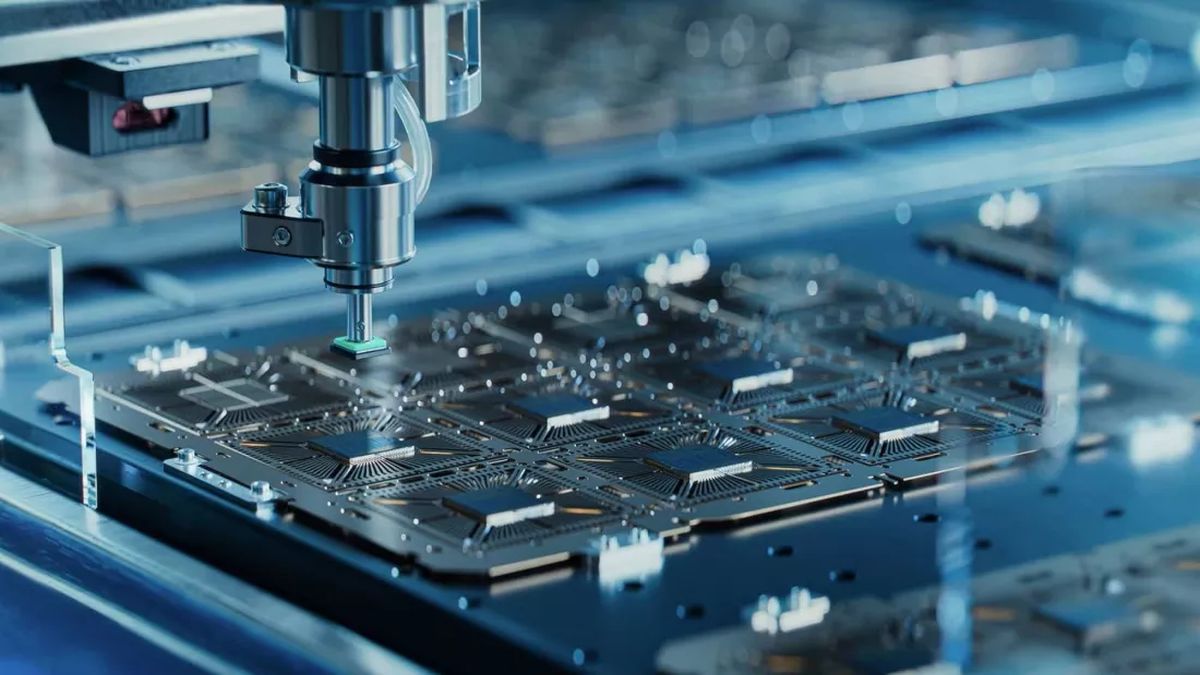
A bipartisan group so Senators in the US have unveiled a bill that would block the Trump administration from further loosening rules currently in place, restricting China from gaining access to its advanced AI chips for the next two and a half years. The bill is called the Secure and Feasible Exports Act, or SAFE CHIPS Act, and affects US companies such as NVIDIA and AMD, both of whom are major players in the industry.
The bill has yet to be passed but if it receives approval, it would require the US Commerce Department, which overseas the country’s export controls, to deny license requests for buyers in China, Russia, Iran, and North Korea to receive any and all US AI chips more advanced than the ones they are currently allowed to procure, for at least 30 months.
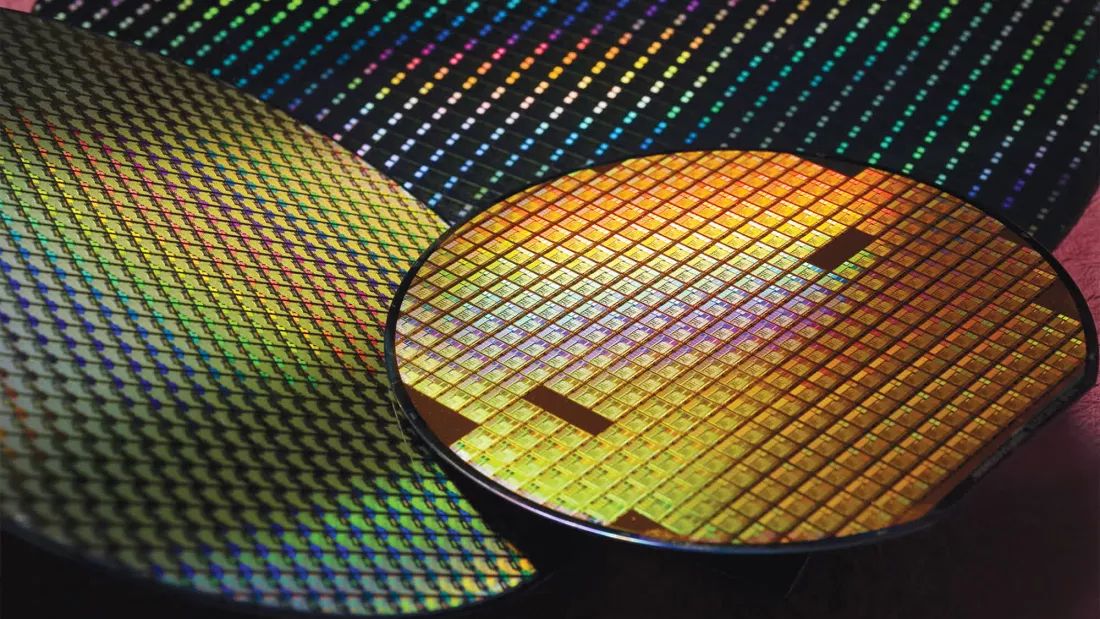
“Denying Beijing access to [the best US] AI chips is essential to our national security.”
How It Came To This
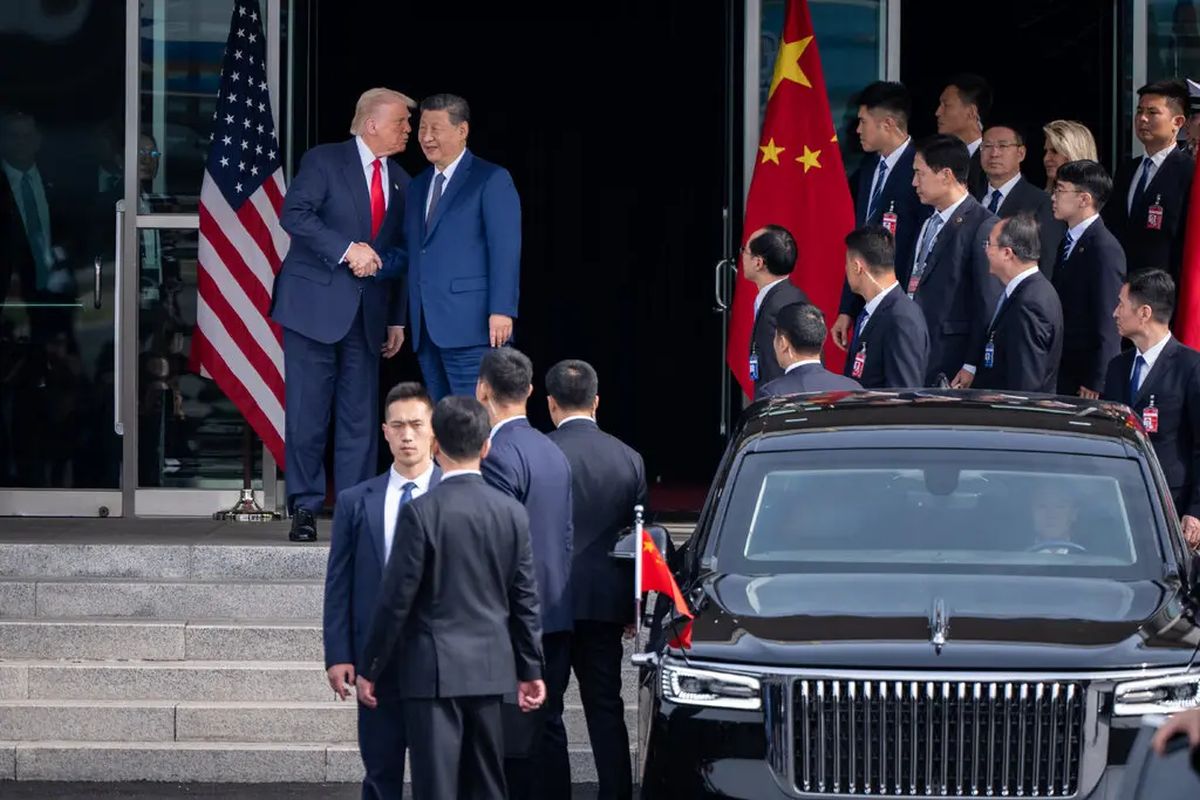
Since entering his second term this year, and after slapping tariffs around the world, US President Trump has engaged in a shaky “maybe I will, maybe I won’t” song and dance with several countries. China is, and has long been his pet peeve, trading blows with the Asian powerhouse – China’s latest move against the US is to restric the exports of rare earth materials to the US. Much of the tech industry and economy depends on the metals and minerals found in the earth, and while they aren’t scarce, China actually controls 90% of the world’s supply of these elements.
The US itself has been restricting the exports of AI chips into China, primarily fuelled by the fear that China would use them to further develop and enhance its military capabilities and technology.
What This Means For NVIDIA
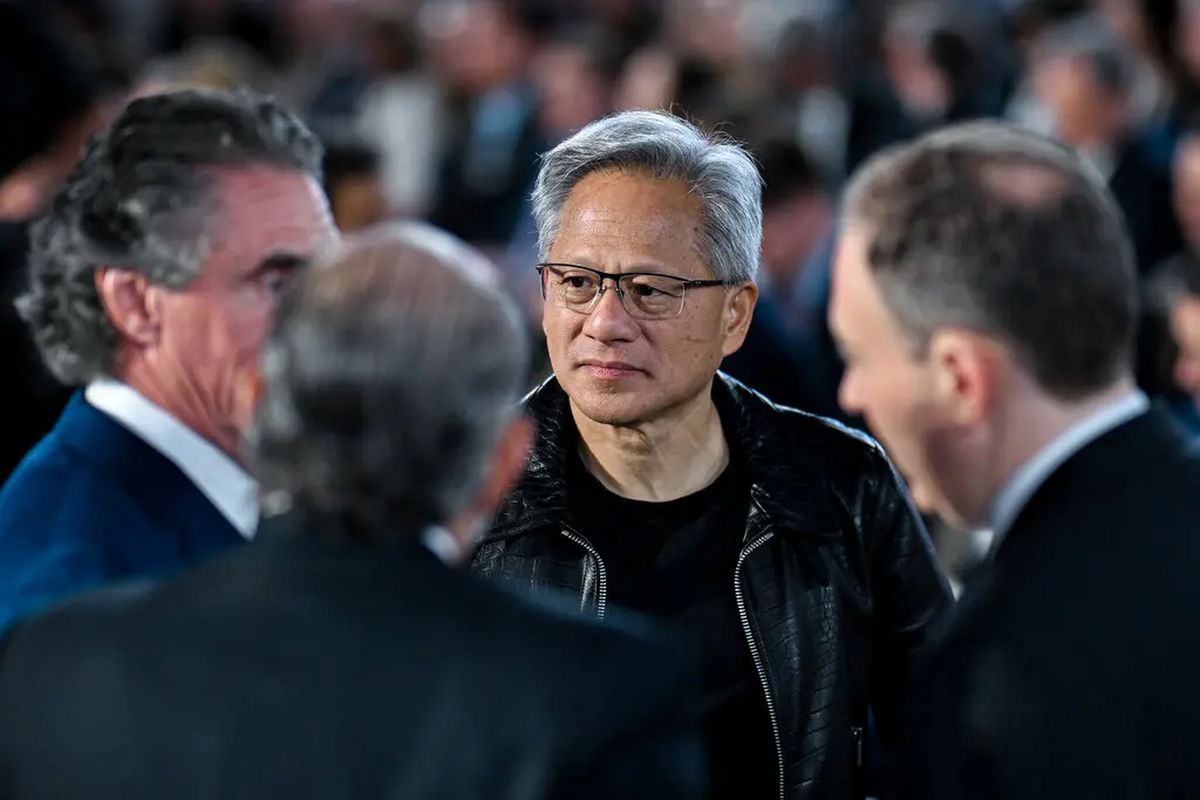
In the case of NVIDIA, the GPU brand has been stuck in a green light, red light situation with its H20 AI Chips. The company’s CEO, Jensen Huang, managed to get Trump to allow it to resume sales of the chips in China, but only after he agreed to give 15% of all AI chip sales to the US government. However, China had told its domestic companies not to purchase the chips and instead turn to homegrown AI chips.
It’s a situation that has led Huang to comment about the sales value of NVIDIA in China. When the ban went into effect, he claimed that NVIDIA’s chip sales went from 95% to zero.
It also doesn’t help that the new bill looms just as the Trump administration mulls over the possibility of allowing NVIDIA to sell its more powerful H200 AI chips to China. And even if the company gets the approval, there is still the chance that the Asian economic giant may not accept the exemption.
(Source: Bloomberg, Reuters, Al-Jazeera)
