
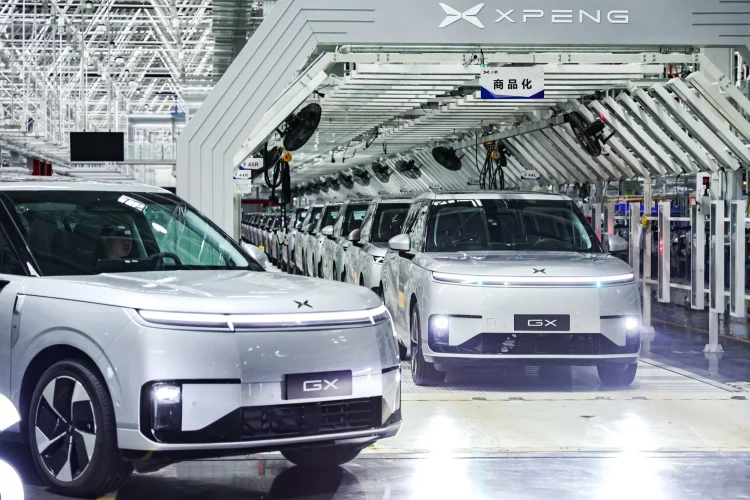
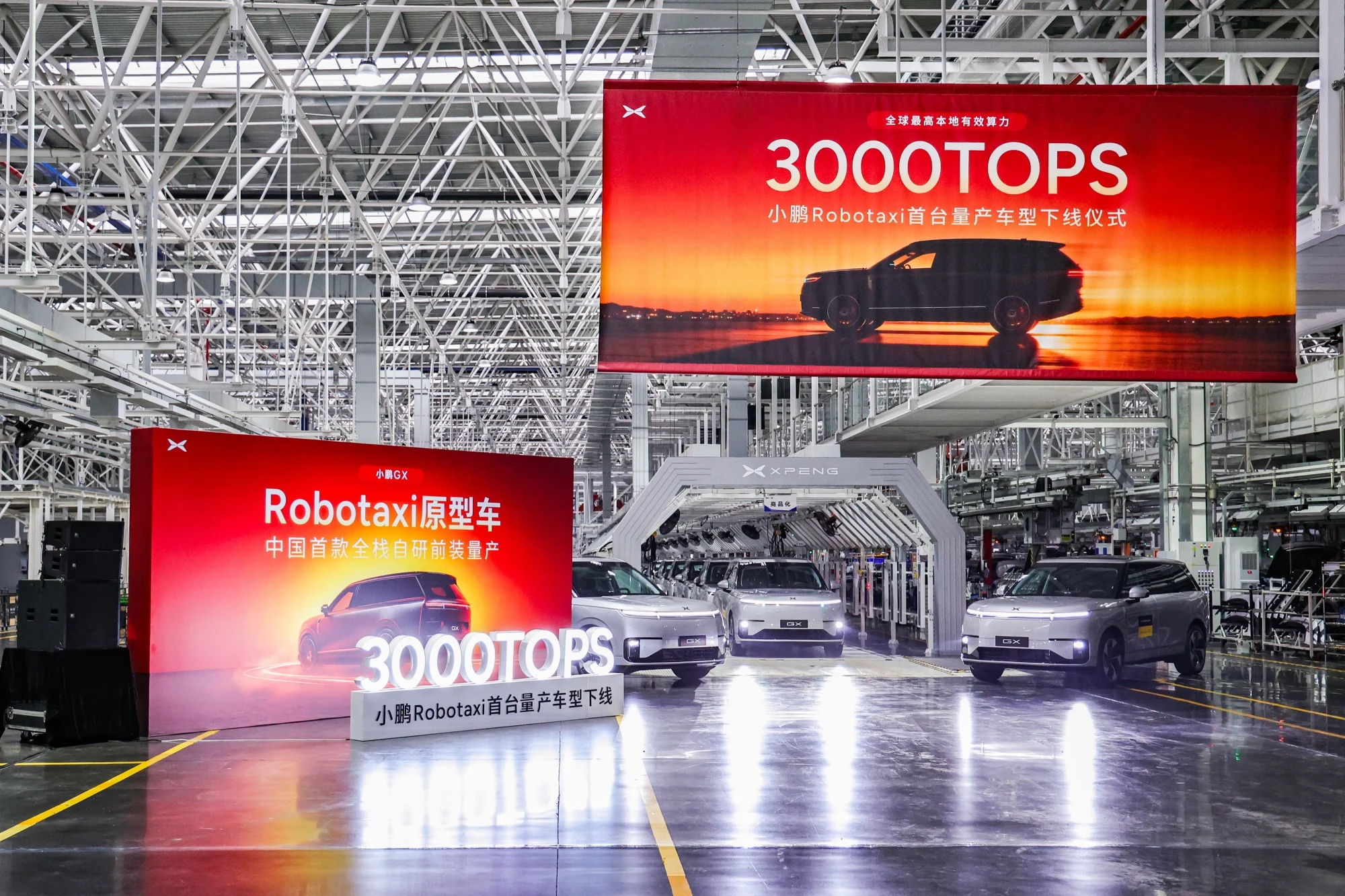
Chinese EV maker XPENG has officially rolled out its first mass-produced Robotaxi in Guangzhou, marking a major milestone for its autonomous driving ambitions. According to the company, this is also the first time a carmaker in China has successfully mass produced a Robotaxi using entirely in-house developed technologies.
The new autonomous taxi is built on the company’s dedicated XPENG GX platform and is designed to meet Level 4 (L4) autonomous driving standards. In simple terms, that means the vehicle is capable of driving itself in most situations without human intervention, although operational limits still apply depending on road conditions and regulations.
XPENG adds that the Robotaxi is also designed to provide a more premium passenger experience. The vehicle comes equipped with features such as privacy glass, reclining gravity seats, and rear entertainment displays. Passengers can also interact with the vehicle through a built-in voice assistant to control cabin settings and access multimedia functions during rides.
Powered By XPENG’s Own AI Chips
Under the hood of the Robotaxi are four of XPENG’s self-developed Turing AI chips, which together provide up to 3,000 TOPS of computing performance. TOPS, short for trillion operations per second, is a measurement commonly used to describe how much AI processing power a system has.
XPENG says this high computing capability allows the Robotaxi to quickly process road information and make driving decisions in real time. The company also revealed that the vehicle relies entirely on cameras and visual data instead of LiDAR sensors or pre-mapped high-definition roads, which are commonly used by many autonomous driving systems today.
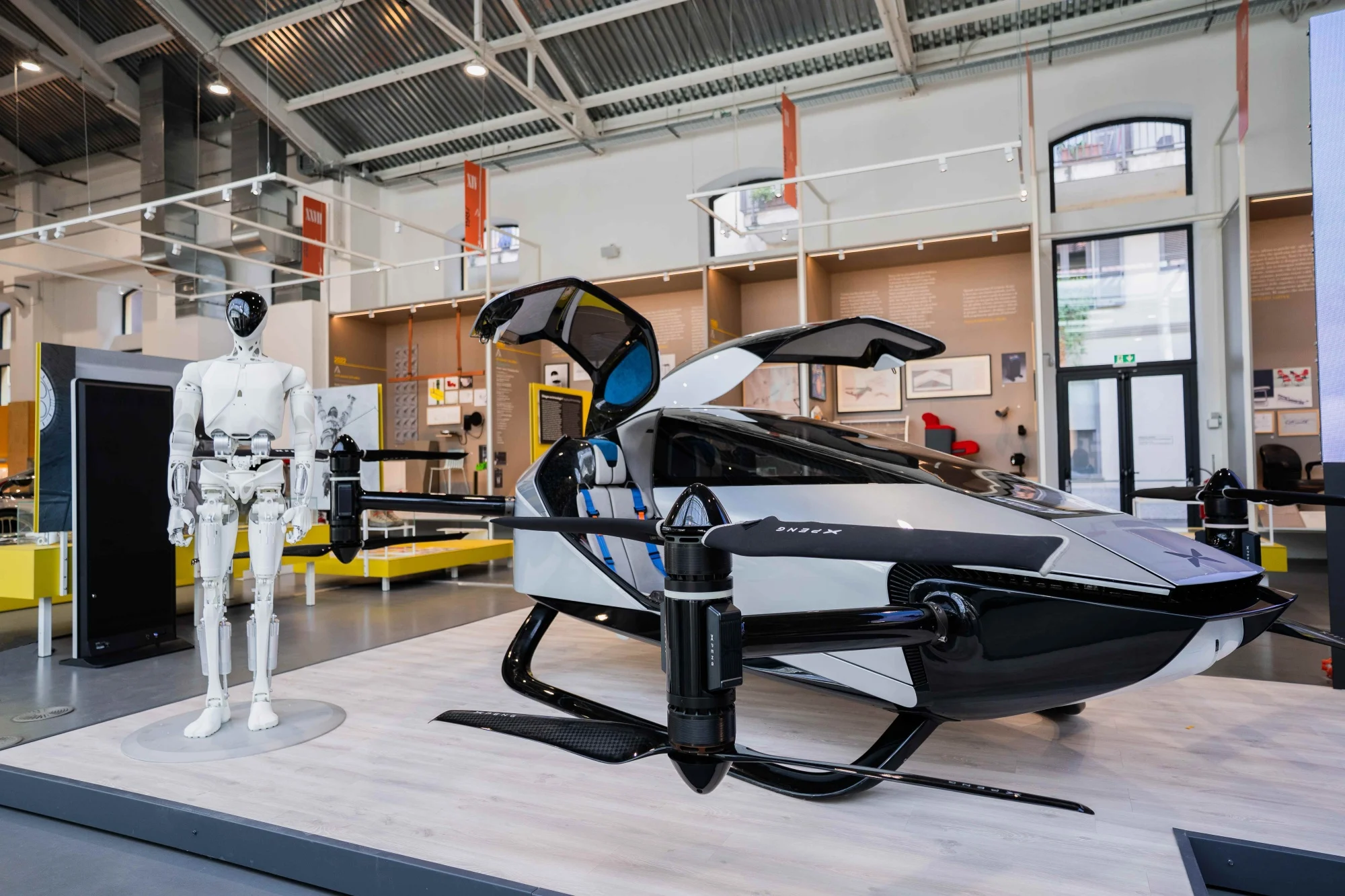
Instead, the Robotaxi uses XPENG’s VLA 2.0 end-to-end AI model, the same used in several of the company’s other projects, including its humanoid robot IRON and its flying car programme. The company claims this setup reduces response times to under 80 milliseconds while also improving the system’s ability to adapt to different cities and driving environments.
The company believes the Robotaxi industry is now entering a phase where autonomous driving technology is moving beyond testing and towards large-scale commercial deployment. With its software, chips, and vehicles all developed internally, XPENG says it is in a strong position to accelerate the transition from development to commercial operations. It also confirmed that it will open its Robotaxi software development kit (SDK) to partners, with Chinese mapping and navigation platform Amap becoming its first ecosystem partner.
Pilot Operations Planned This Year
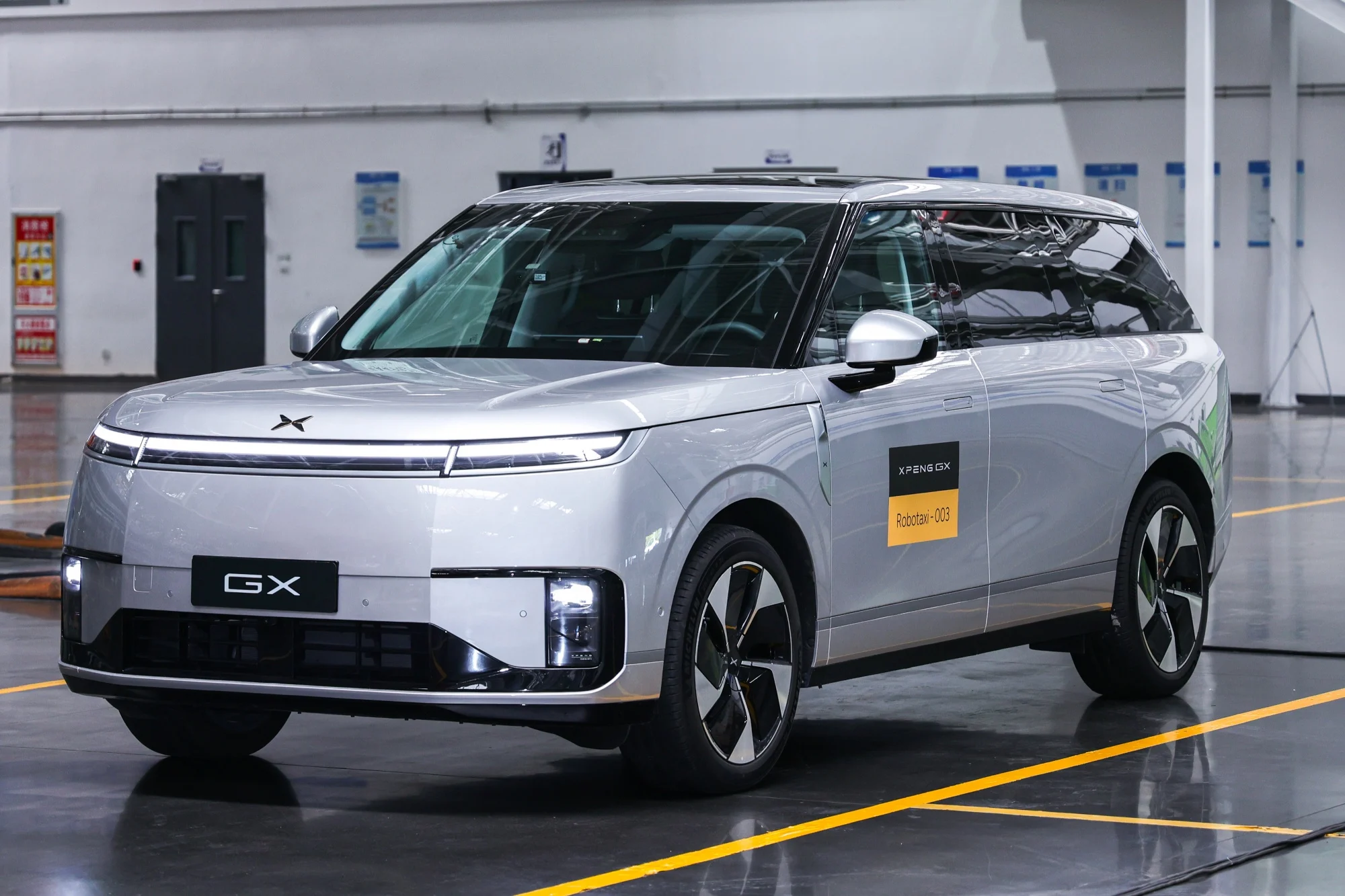
XPENG first received approval earlier this year to begin public road testing for its Robotaxi programme in Guangzhou. In March, the company also established a dedicated Robotaxi business unit focused on research, testing, and commercial deployment.
The company now plans to begin pilot Robotaxi operations in the second half of 2026. These early deployments will be used to test the service’s technical performance, user acceptance, and overall business viability.
XPENG added that it aims to eventually operate the service without on-site safety officers by early 2027. This would move the Robotaxi experience closer to a fully driverless commercial service.
(Source: XPENG press release)
