

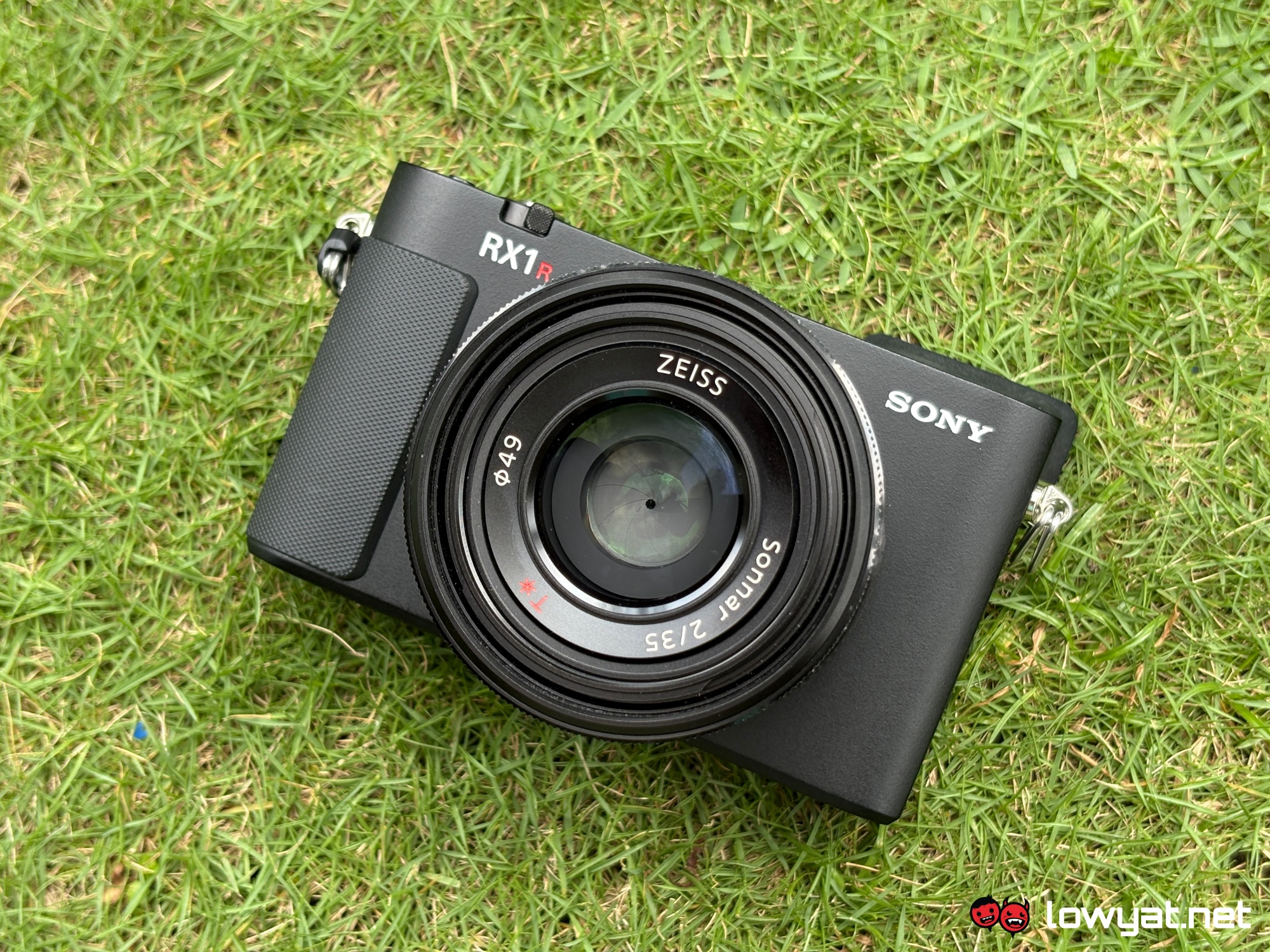
A common question surrounding the Sony RX1R III is whether the decade-long wait was worth it. Unfortunately, I’ve never had the chance to try its predecessors, so I can’t answer that directly. What I can say, based on my time with it, is that this is very much a high-end Sony camera designed with a more candid style of photography in mind.
Before diving in, it’s worth noting that most of my experience comes from using DSLRs and mirrorless systems. The RX1R III is one of the few premium compact cameras with a fixed lens that I’ve spent time with, and learning to fully utilise its 35mm focal length has been an interesting experience.
What Am I Looking At?
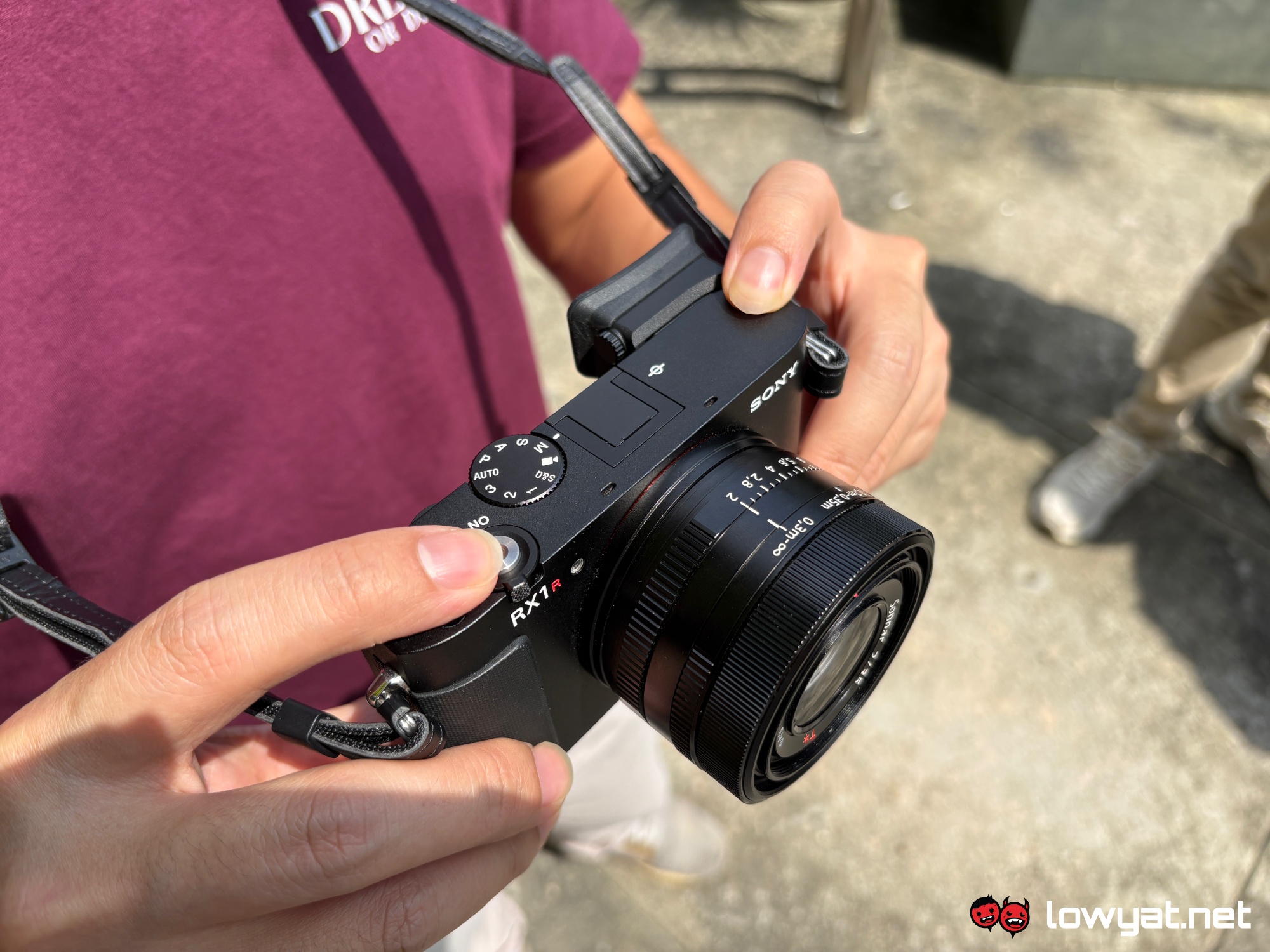
In case the name hasn’t given it away already, the camera is the third generation of Sony’s RX1R series. In short, it is a high-end point-and-shoot that rivals the likes of the Leica Q3 and Fujifilm’s GFX 100RF, with a price tag to match. More specifically, the RX1R III is priced at RM20,999, which makes it considerably more affordable than its rivals but still quite intimidating for budding photographers and hobbyists.
Design-wise, the only similarity which the camera has to its predecessor is its compact size. Key differences include a more cleaner overall look with the dials and buttons appearing mostly flush with the rest of the body. Its electric viewfinder (EVF) is now built-in instead of hidden via a pop-up mechanism, and gone is the focus mode dial in front. Perhaps the most controversial change is the removal of a tilting LCD screen, but more on that later.
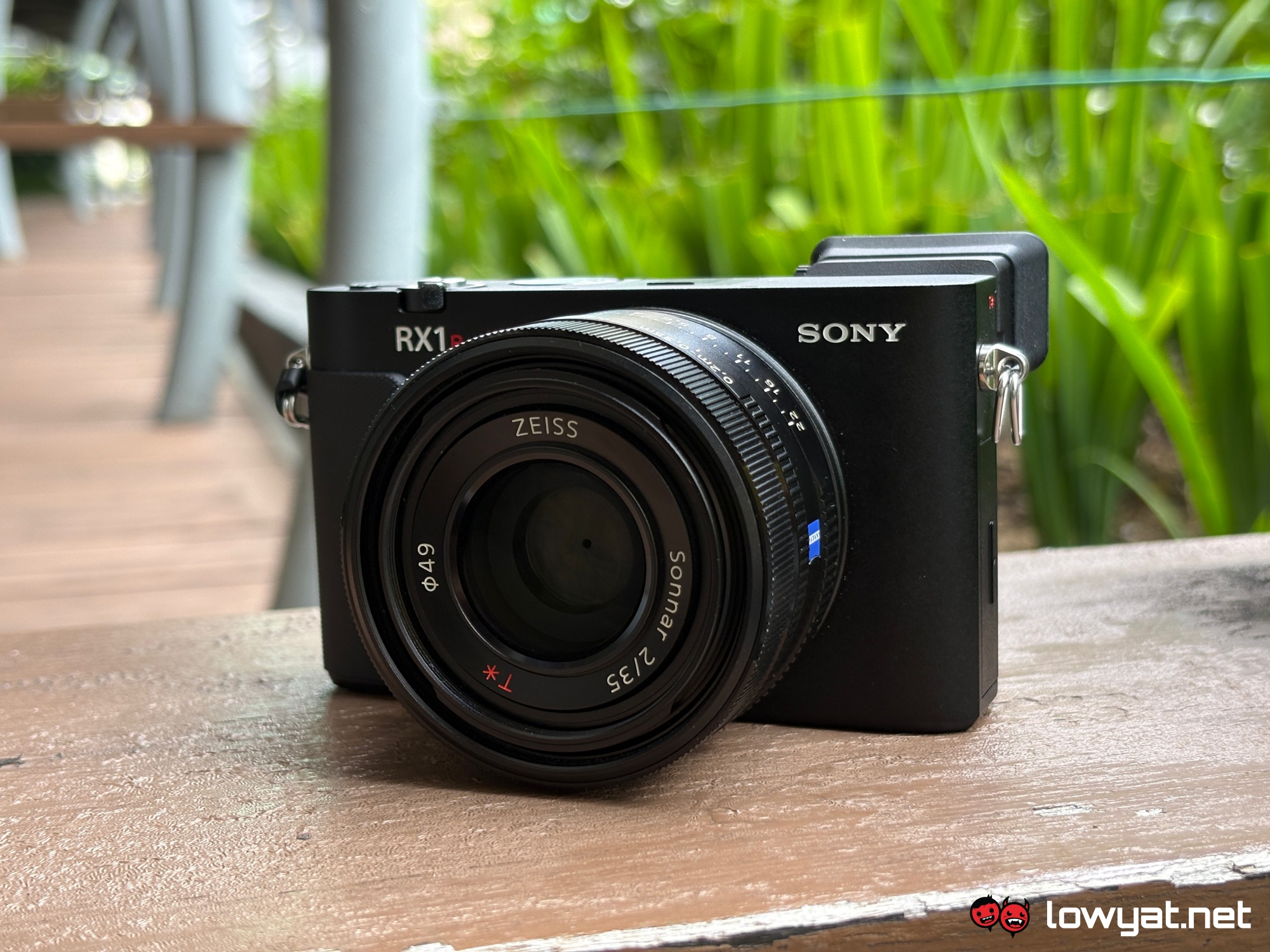
The fixed Zeiss Sonnar T* 35mm F/2 lens, on the other hand, is mostly and technically the same as the one offered on the RX1R II. As before, you can simulate 50mm and 70mm focal lengths with the built-in Step Crop Shooting function. And if the cropping bit sounds discouraging, rest assured that image quality is the least of your worries, thanks to the sensor.
Speaking of which…
What’s Good About It?
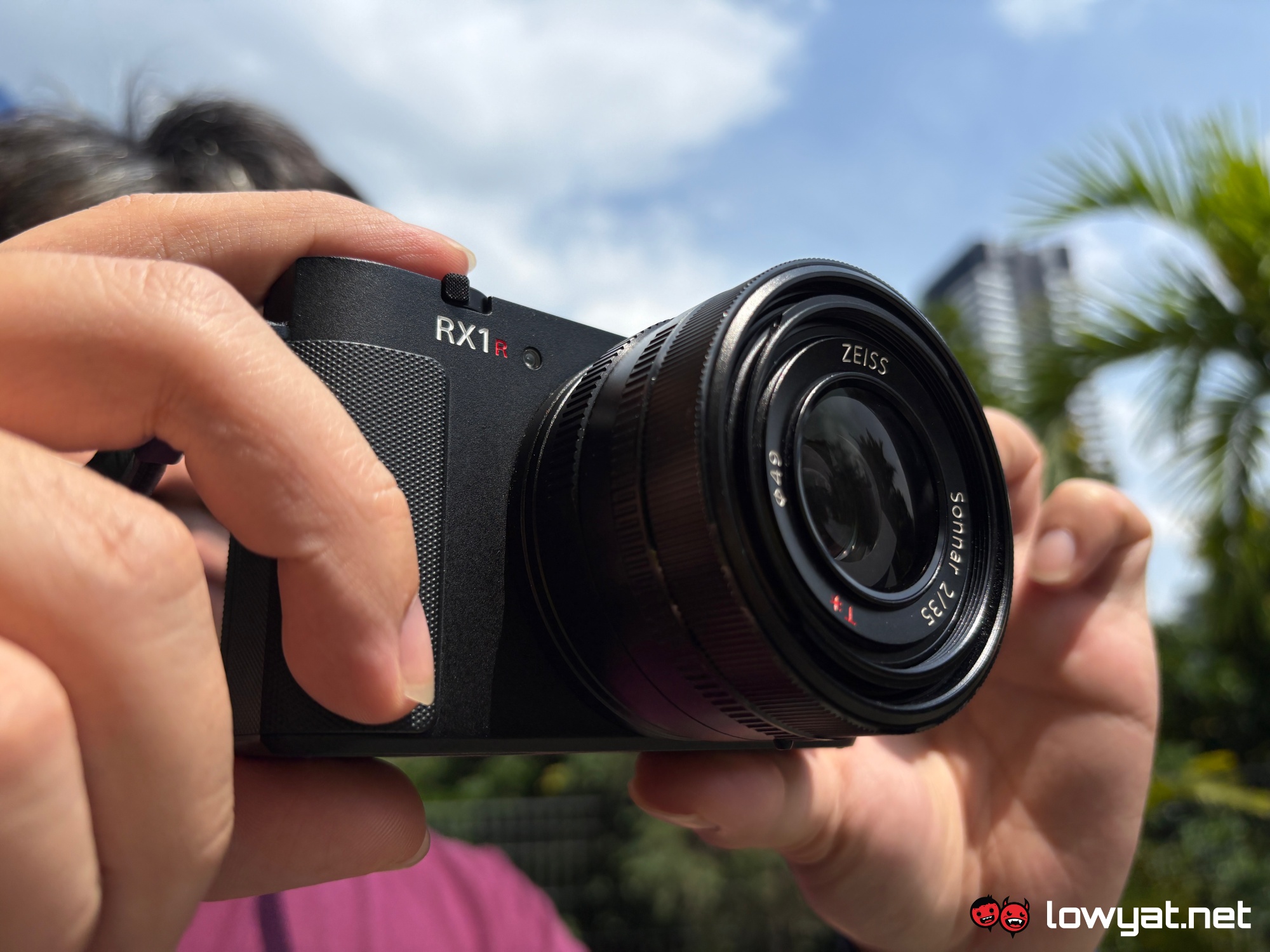
The higher megapixel count of 61MP is one of the more substantial upgrades offered by the RX1R III. Needless to say, photos shot in full frame exhibit an exorbitant amount of details – even under low light, though that largely depends on lighting conditions and how high your ISO settings are.
The larger sensor also helps to retain the image quality when you capture via the aforementioned 50mm and 70mm crop. Granted, resolution of cropped images will be lower than the initial full-frame shot, but I can assure you that there’s still plenty more to spare. For your reference, photos come in at 8448 × 6336 pixels when uncropped.
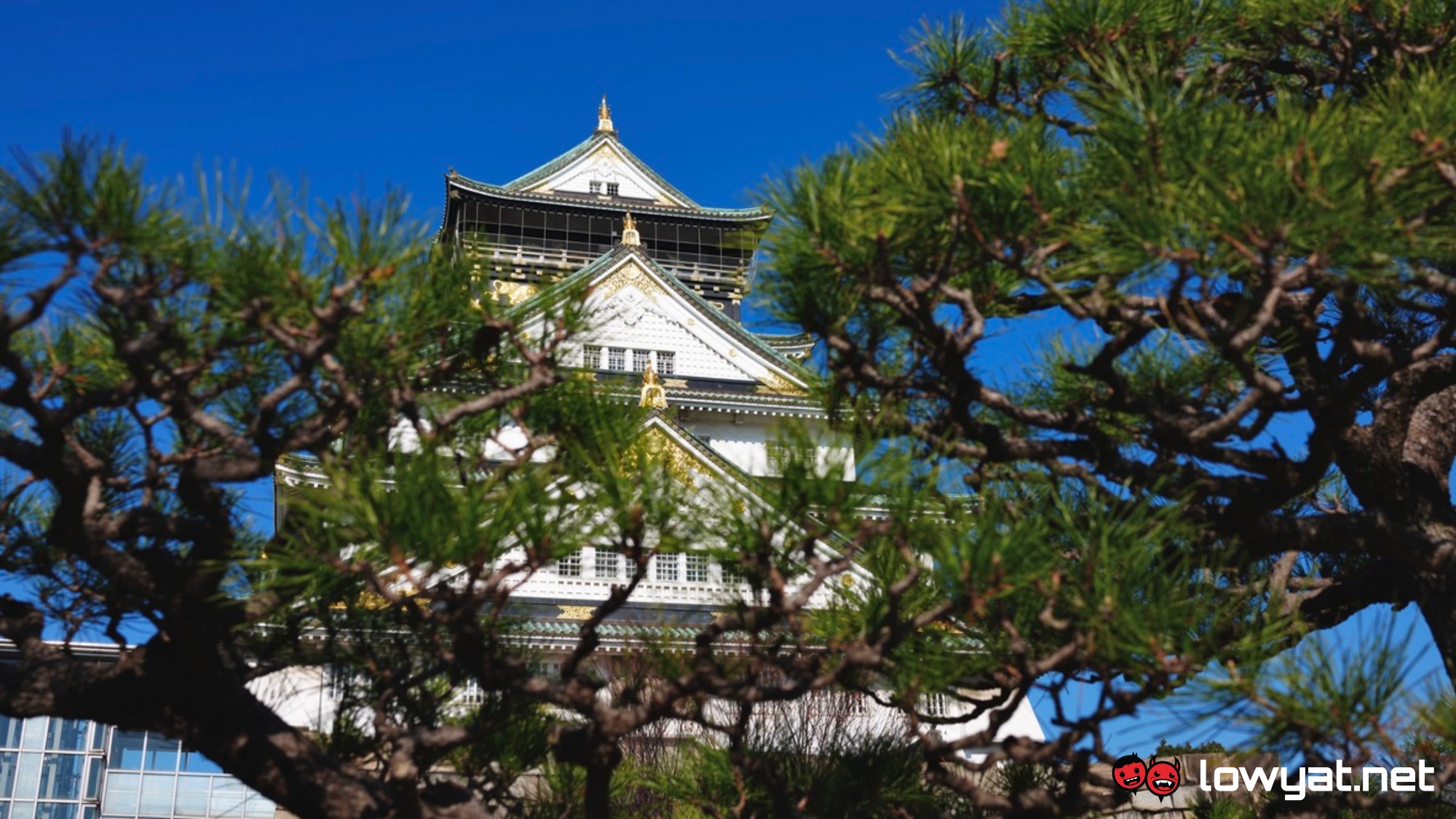



For the photo filter fans out there, you’ll be glad to know that the RX1R III comes with 12 of Sony’s Creative Look presets. The different Film modes are easily some of my favourites from the bunch. However, as someone who emphasises on candid shots, I default back to the Standard mode and edit my work in post.
Taking a page from the Alpha series, the autofocus (AF) on the RX1R III is snappy while phase detection is pretty proactive when in continuous (AF-C) mode. This combination is handy when you’re tracking a moving subject (ie: people or animals). Personally, I prefer switching over to single-shot (AF-S) for most of my shots, as it is something I’m more accustomed to.
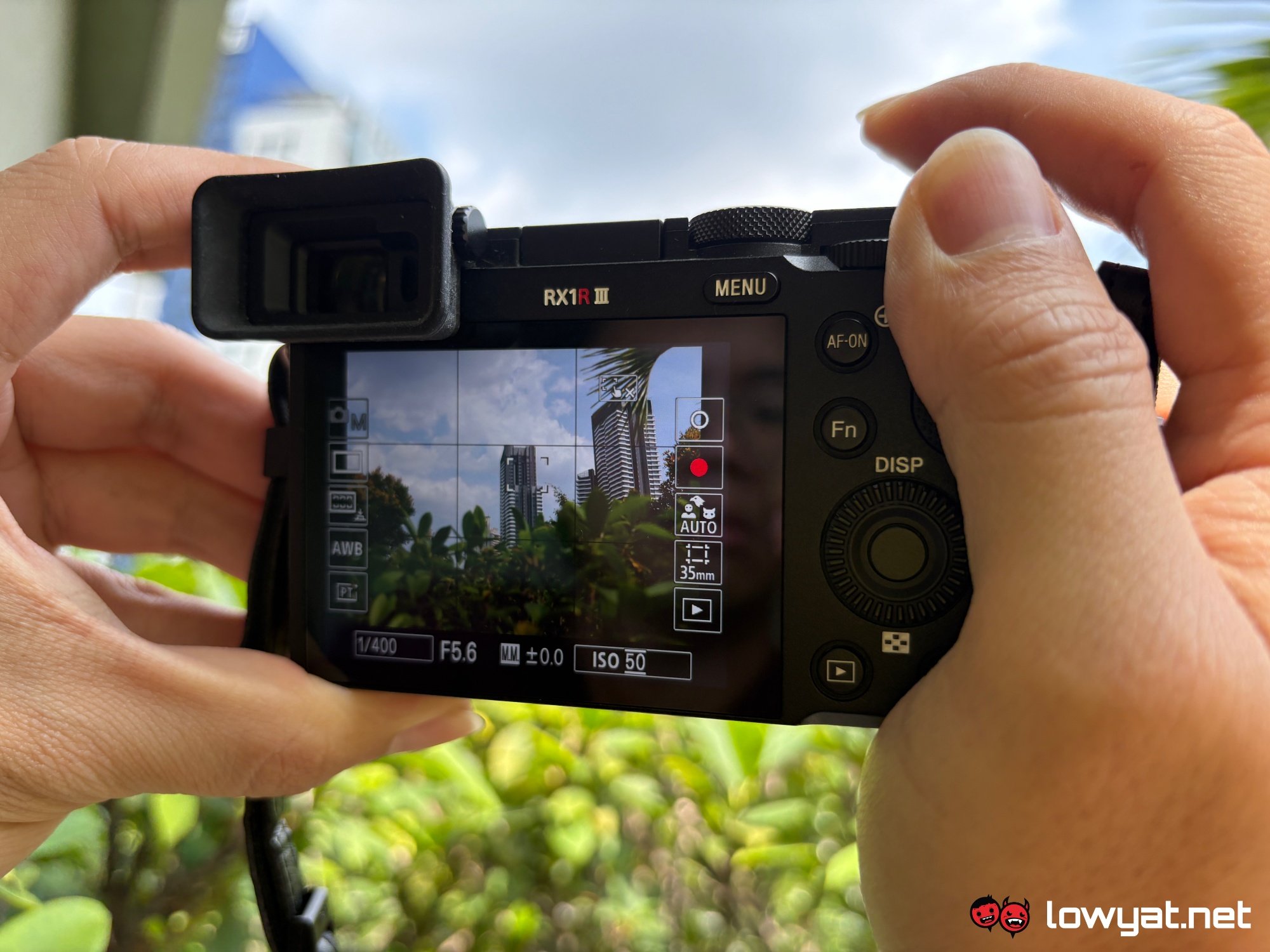
Regardless of whichever AF mode you’re going for, the camera’s 3-inch 2.3M-dot touchscreen plays an important role in helping you to fine tune your focusing as well as framing. I find myself using this more for most of my photo capturing needs, while I only switch over to the built-in 2.36M-dot electronic viewfinder for cropped shots.
As for connectivity, options are aplenty for both who work on the fly or at a workstation. There’s a USB type-C port with power delivery and a micro HDMI for wired, a single UHS-I/II SD card slot, and a 3.5mm microphone jack. For wireless, the RX1R III comes with Bluetooth 4.2 and dual-band Wi-Fi support.
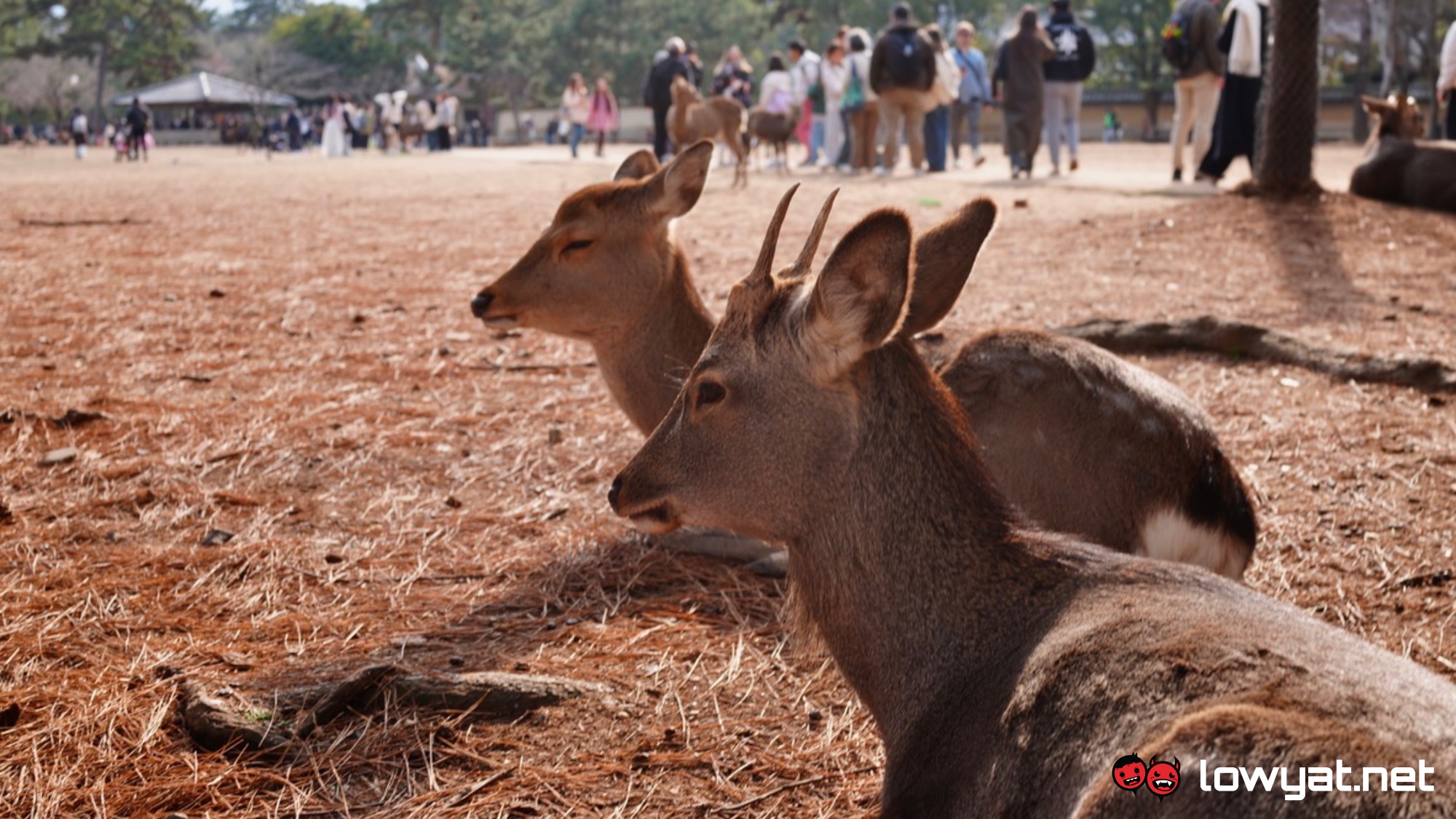
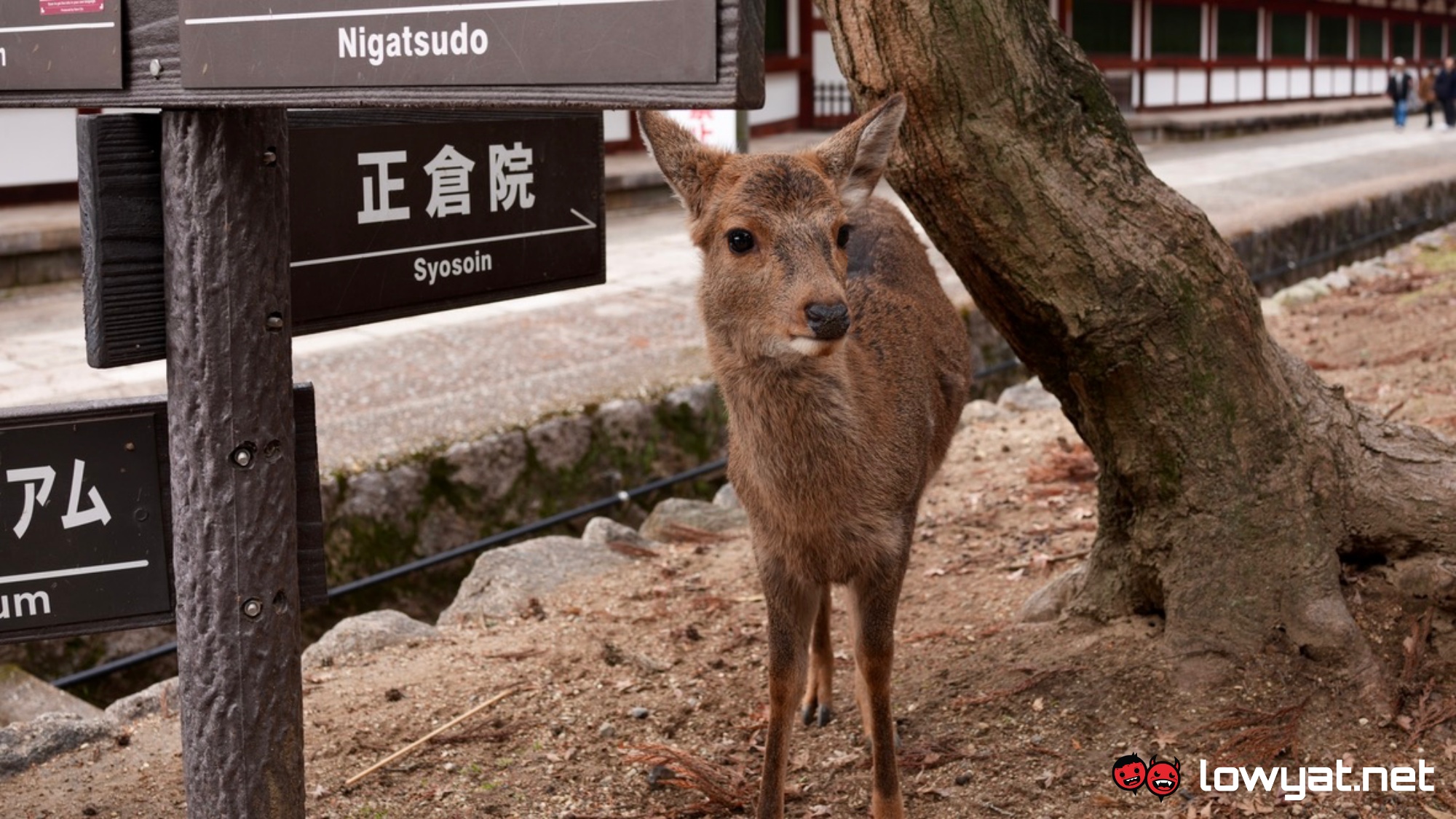
More Sample Photos





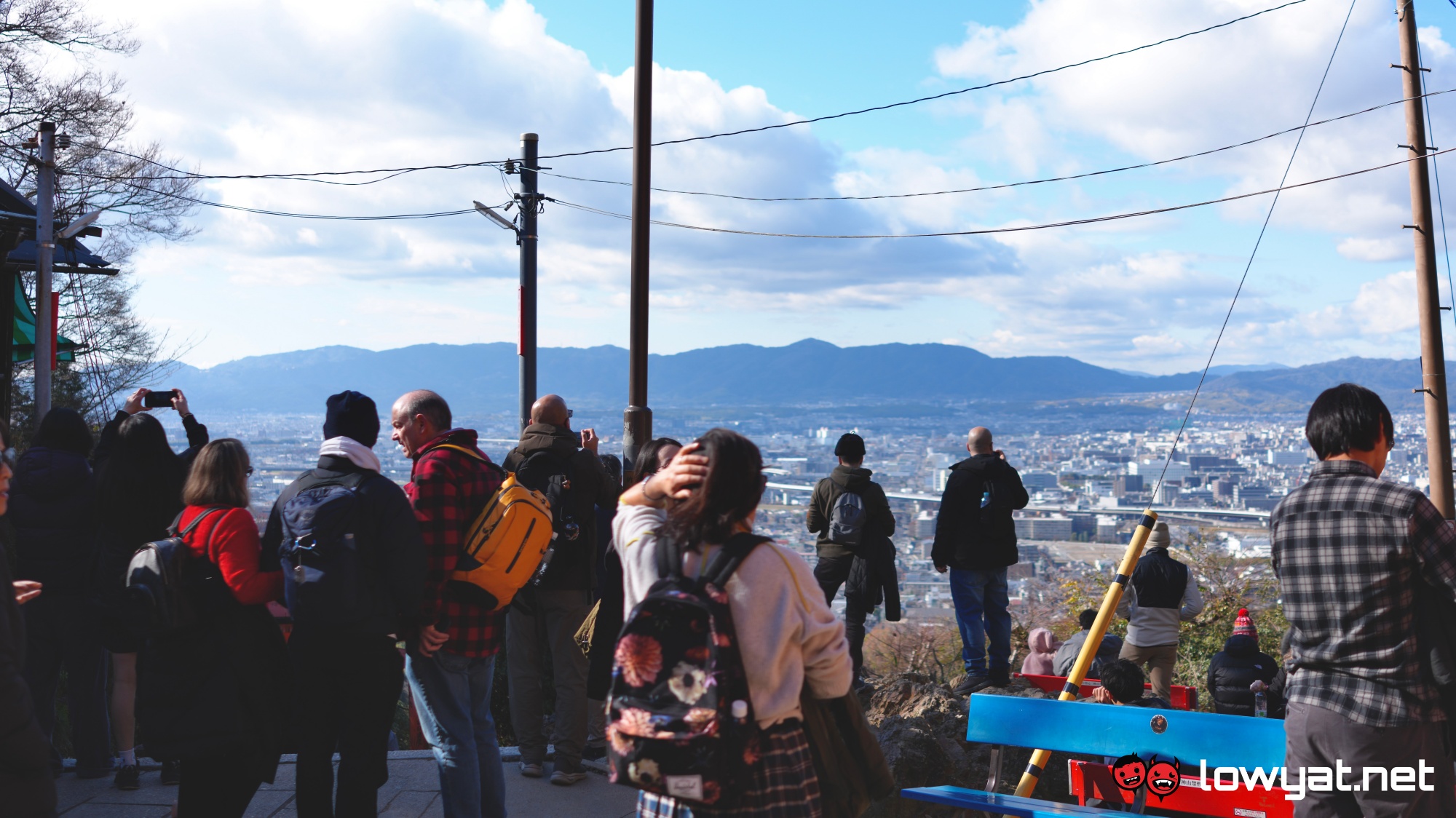
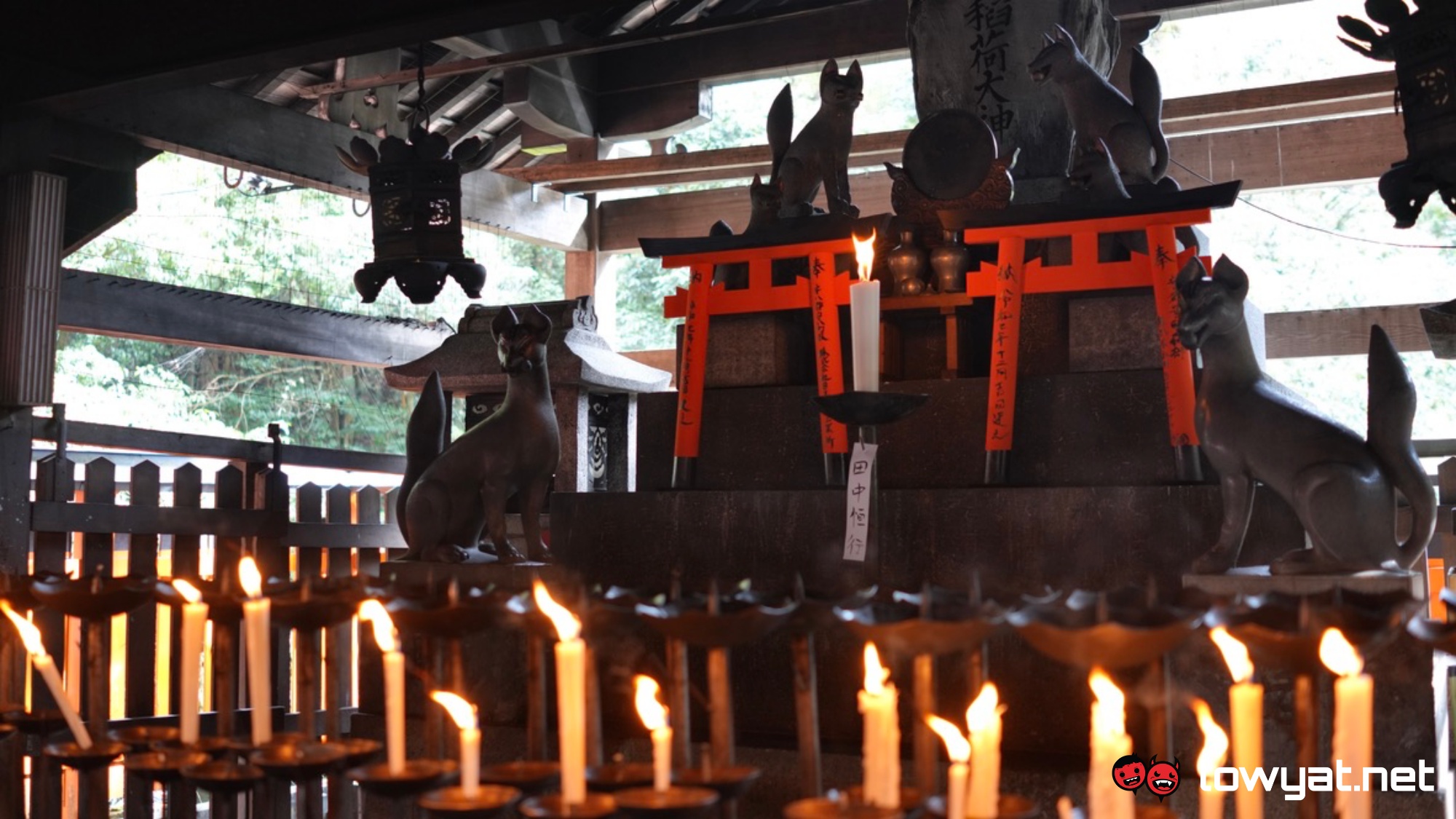
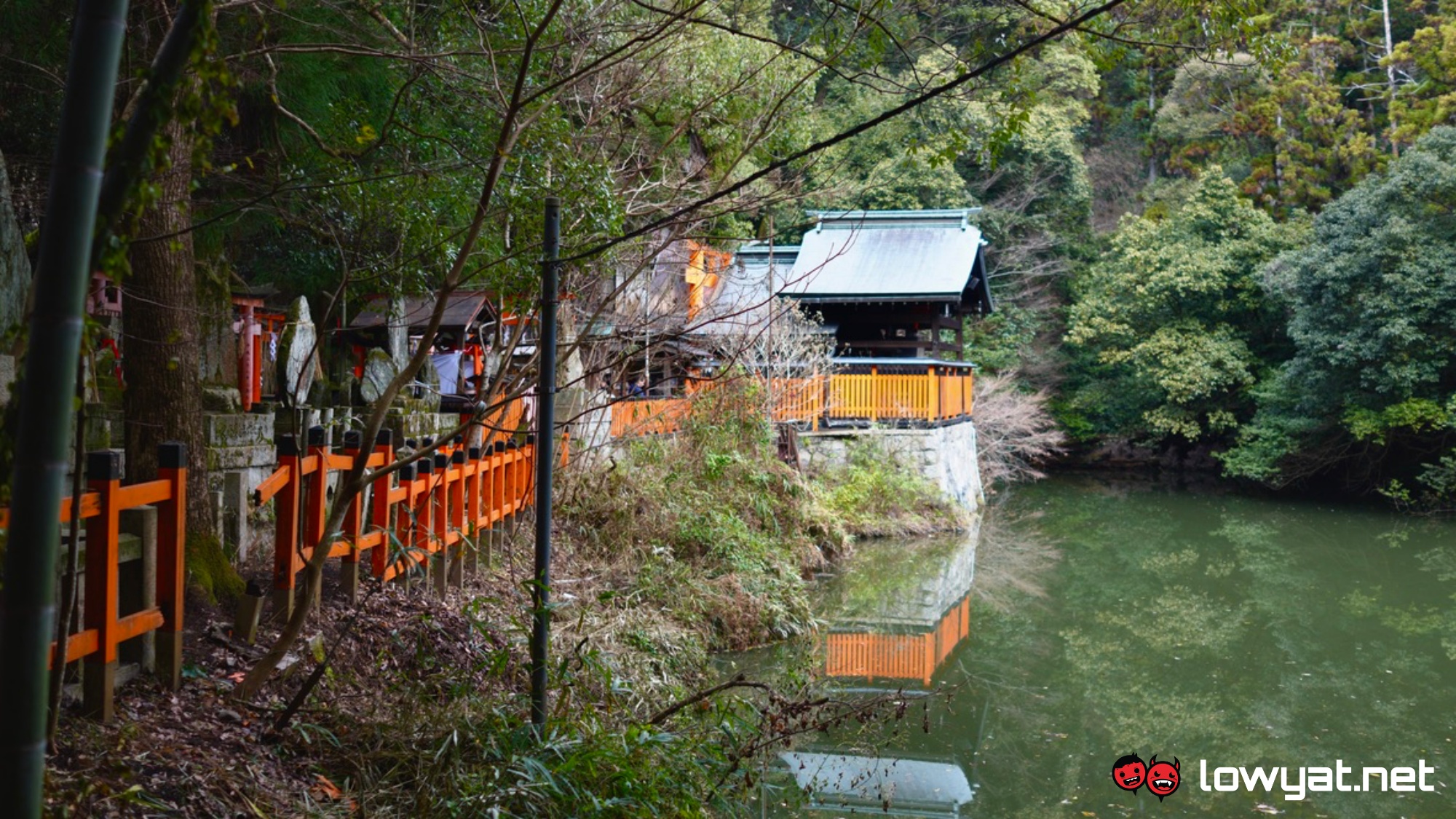
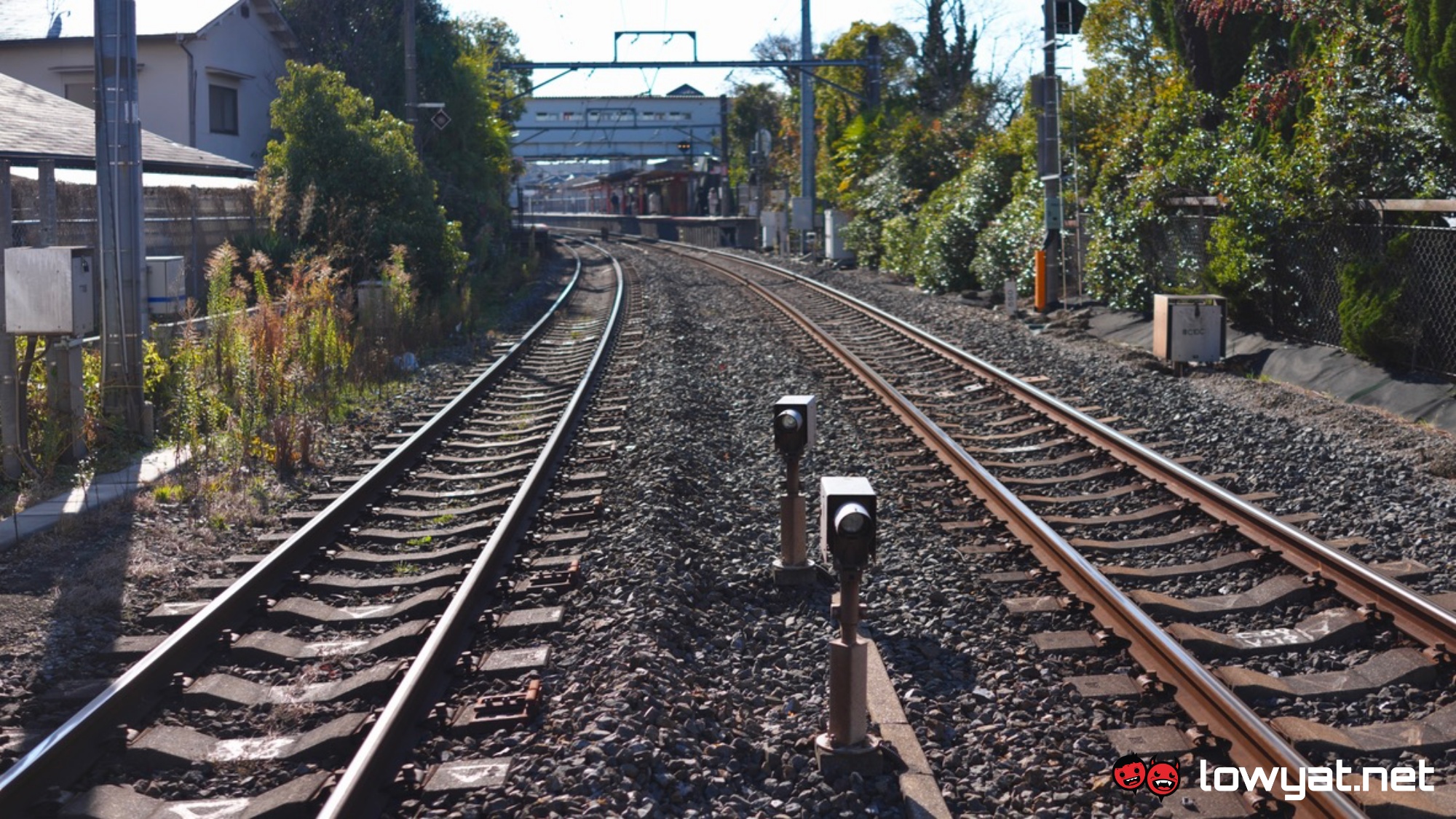


What’s The Catch?
For one thing, this is not a camera for newcomers to the hobby. While you could simply pick it up and start snapping photos, actually mastering it will take time. The Sony RX1R III isn’t a camera that holds your hand, and there’s only so much its Auto Mode could do.
One area where Auto just falls apart is low-light photography. It often defaults to higher ISO values and slower shutter speeds, which leads to grainy, blurry images. I was also surprised to see a smartphone-like prompt on the RX1R III, asking me to hold the camera steady when shooting in less-than-ideal lighting. Even more frustrating, Auto Mode can blow out highlights in well-lit scenes as well, with the sky frequently ending up overexposed.


Needless to say, being knowledgeable on how to tweak certain settings is necessary in order to get ideal results. Going manual was the thing I looked forward to the most after testing the camera’s Auto capabilities.
With just a fixed lens that only shoots wide, your choice of photography style may appear more limited than a smartphone would offer. Even for someone like me who has dabbled in the hobby for quite some time, I had to adjust myself to the 35mm and identify the types of shots I can achieve with it.
While I do have high regards to the RX1R III’s autofocusing capabilities, using its AF-C mode can lead to frustrating moments. As mentioned earlier, it can be very proactive, to a point where it switches focus too constantly when there’s too many things going on in frame. This is a bane for those who do street photography, especially when shooting from the hip, as the camera tends to dictate which subject to focus on.
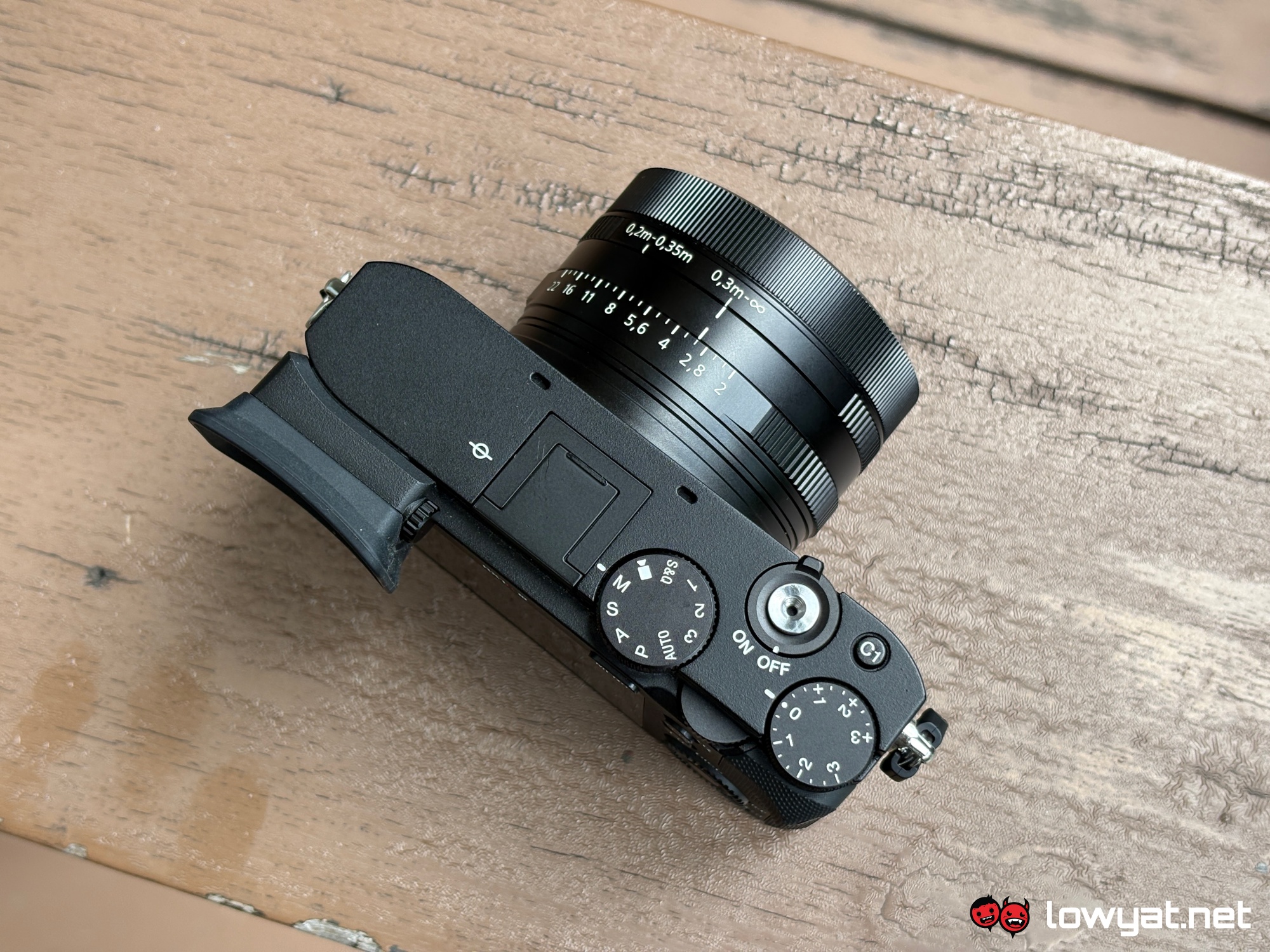
As for video, the RX1R III tops out at 4K30p, so it’s not exactly geared for professional work. It also lacks built-in stabilisation, which makes handheld recording far less practical without some form of support. Oh, and unlike its predecessor, the LCD display on the back does not articulate whatsoever, making certain angled shots tough to frame.
Meanwhile, battery life on the Sony RX1R III is neither terrible nor great. On a single charge, the included NP-FW50 removable battery can last up to four hours of use or capture around 300 still images. In my experience, it can stretch to a full day with moderate use, but I’d still recommend carrying a spare battery just in case.
Should I Buy It?
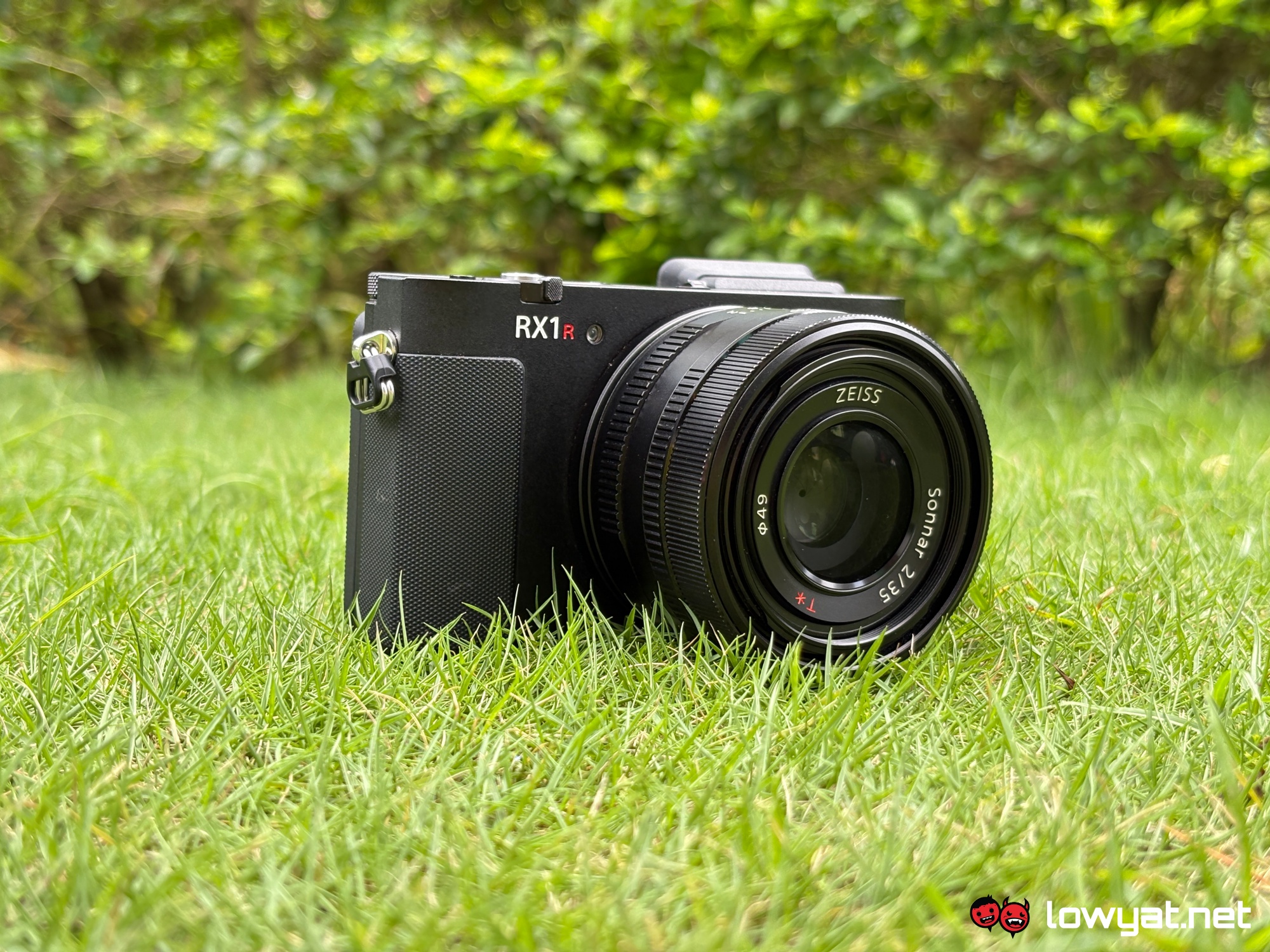
For those already in the Sony Alpha ecosystem and looking for a more straightforward, point-and-shoot experience, the RX1R III will feel right at home. It’s an impressive compact camera that suits street photography as well as candid, documentary-style shooting. That said, it’s not for everyone, and its five-digit price tag of RM20,999 is just one of several factors that may deter newcomers.
As I’ve emphasised throughout this review, the RX1R III is a camera that demands to be mastered. If that prospect excites you, you’ll likely appreciate the challenging yet rewarding learning curve it offers, along with the images it’s capable of producing.
