

It seems that the global memory chip shortage will likely stretch on for a couple more years. According to SK Group chairman Chey Tae-won, the shortage could continue until 2030, as supply constraints remain difficult to resolve in the short term.
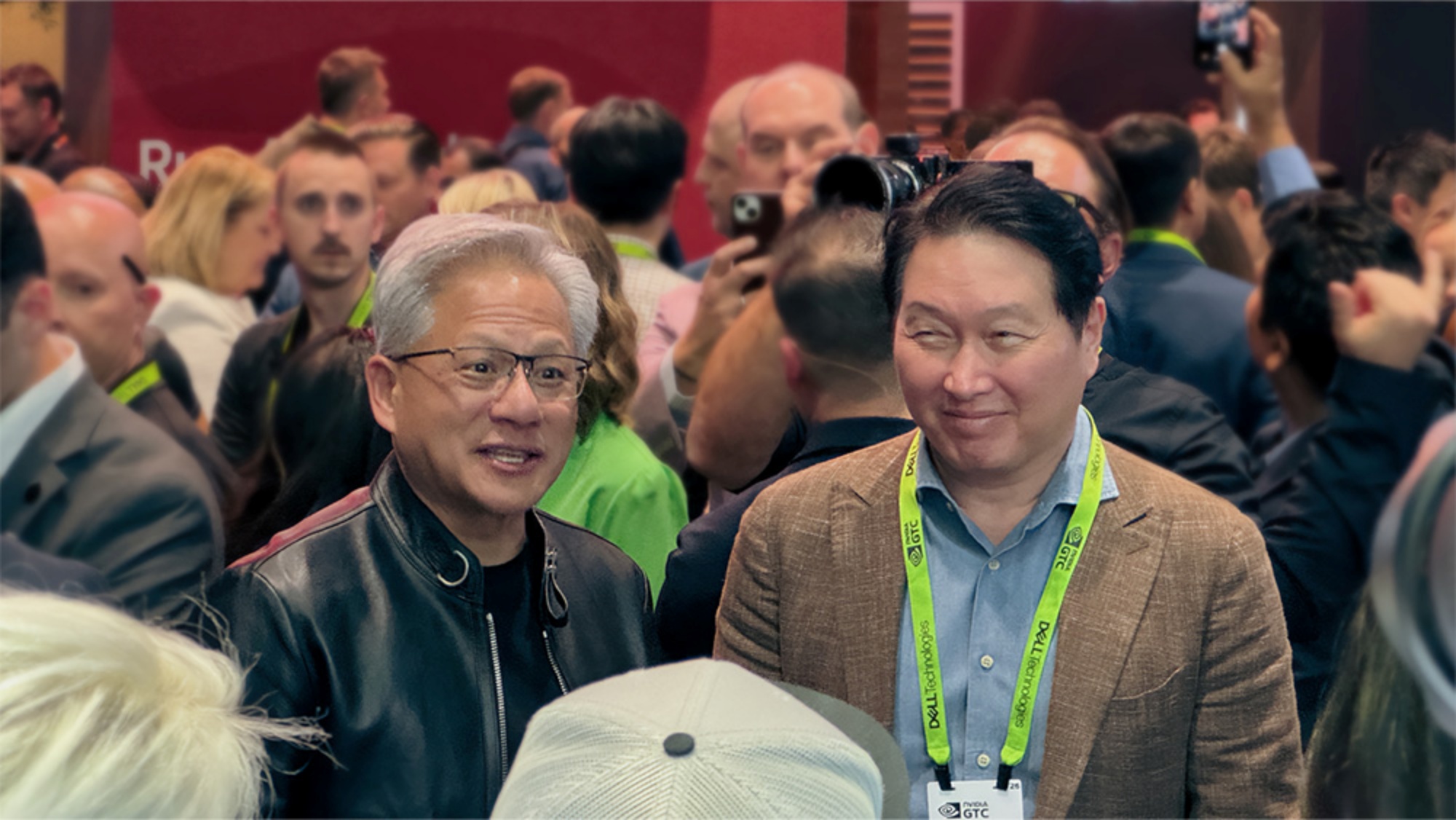
Speaking to reporters during Nvidia’s GTC conference, Chey explained that the industry-wide wafer supply is currently lagging behind demand by more than 20%. He went on to note that although leading memory manufacturers are working to expand capacity, securing additional wafers takes at least four to five years.
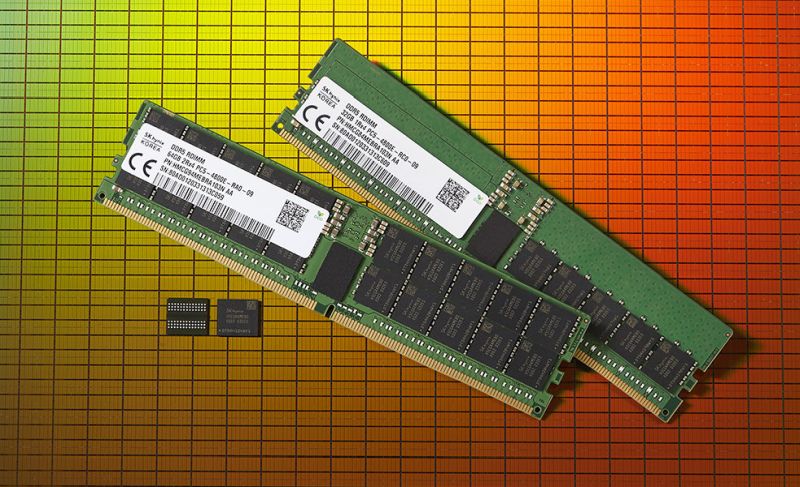 SK Group owns SK Hynix, which ranks among the top memory makers. Alongside the company, Samsung and Micron serve as major players in the industry. In recent years, all three firms have shifted production to specialised HBM for use in NVIDIA’s AI accelerators. This has resulted in the ongoing shortage of conventional DRAM, which brings us to where we are now.
For what it’s worth, Chey claimed that SK Hynix is working to implement measures to stabilise DRAM prices. Apparently, CEO Kwak Noh-jung will be announcing a plan soon. That said, the chairman did not elaborate on what these plans will entail.
Currently, SK Hynix holds roughly 57% of the global HBM market, as well as 32% of the overall DRAM market. The manufacturer is building more HBM facilities, including one in the US. The continued prioritisation of these chips is unsurprising, given the fact that every company wants a piece of the AI pie. Not too long ago, Micron announced its exit from the consumer market.
Other than predicting the prolonged memory shortage, Chey cautioned against excessive focus on HBM. He noted that it could lead to DRAM shortage, thus affecting industries like smartphones and PCs. Of course, with the recent price hike announcements, it seems that this warning comes too little, too late.
(Source: Bloomberg via Tom’s Hardware, The Korea Times)
