

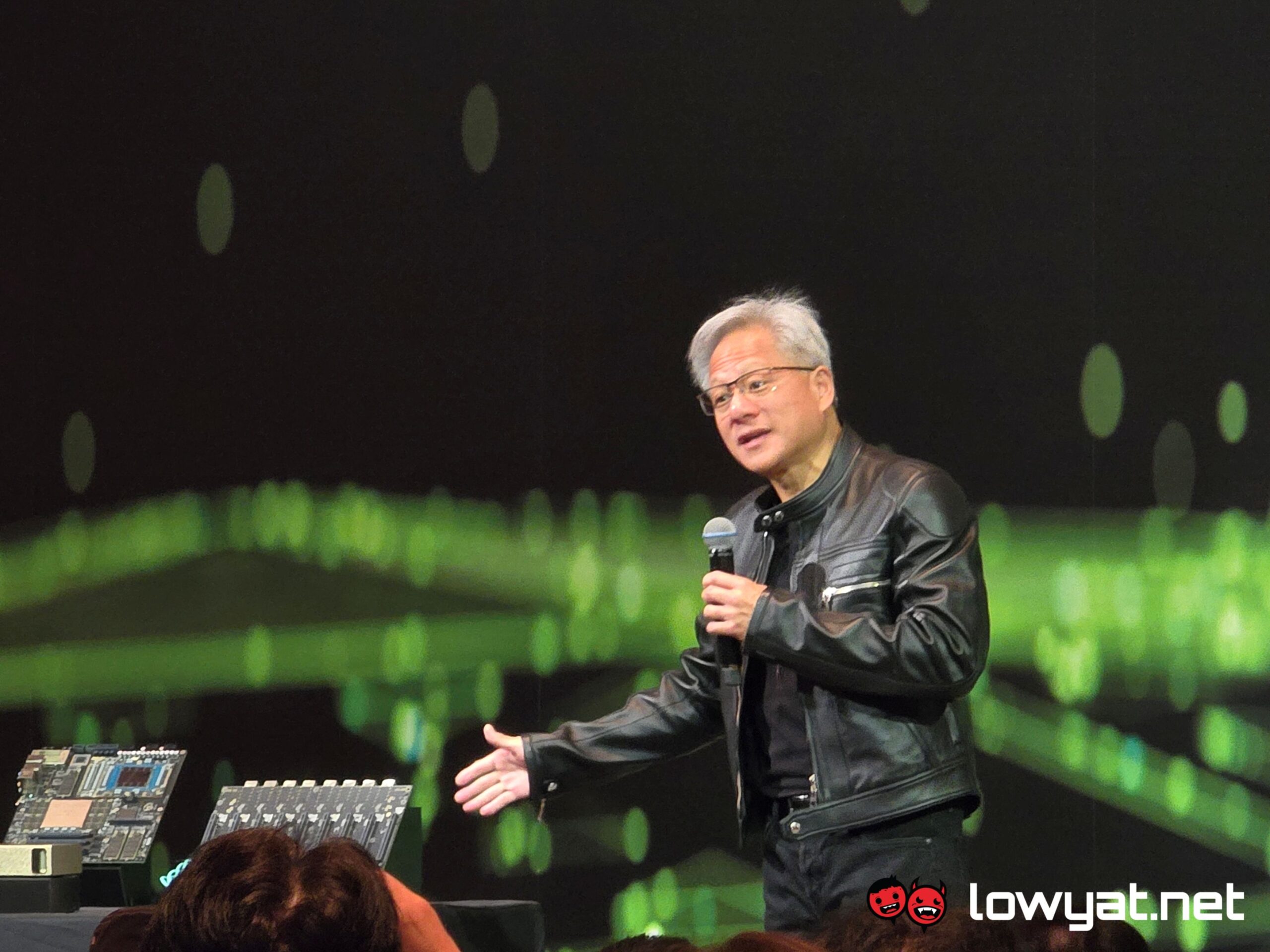
NVIDIA CEO Jensen Huang isn’t backing down from the criticism surrounding DLSS 5, the company’s latest push into AI-driven neural rendering. Speaking during a press Q&A at GTC 2026, Huang dismissed the backlash outright, insisting that those criticising the technology simply have it wrong.
“Well, first of all, they’re completely wrong,” he said, addressing complaints that DLSS 5 compromises artistic intent or makes games look artificial. Huang went on to reiterate that the technology blends traditional rendering elements like geometry and textures with generative AI, while still allowing developers to retain control over the final look.
“Not Post-Processing,” But Something Deeper
According to the NVIDIA CEO, DLSS 5 isn’t just another layer of post-processing applied after a frame is rendered. Instead, it operates much deeper in the pipeline. “It’s not post-processing… it’s generative control at the geometry level,” he explained, adding that developers can still fine-tune how the AI behaves to match their intended art direction.
He also emphasised that the system remains in the hands of developers. “All of that is in the control – direct control – of the game developer,” Huang said, positioning DLSS 5 as a tool that expands possibilities rather than overrides artistic intent.
The Real Issue: How It Actually Looks
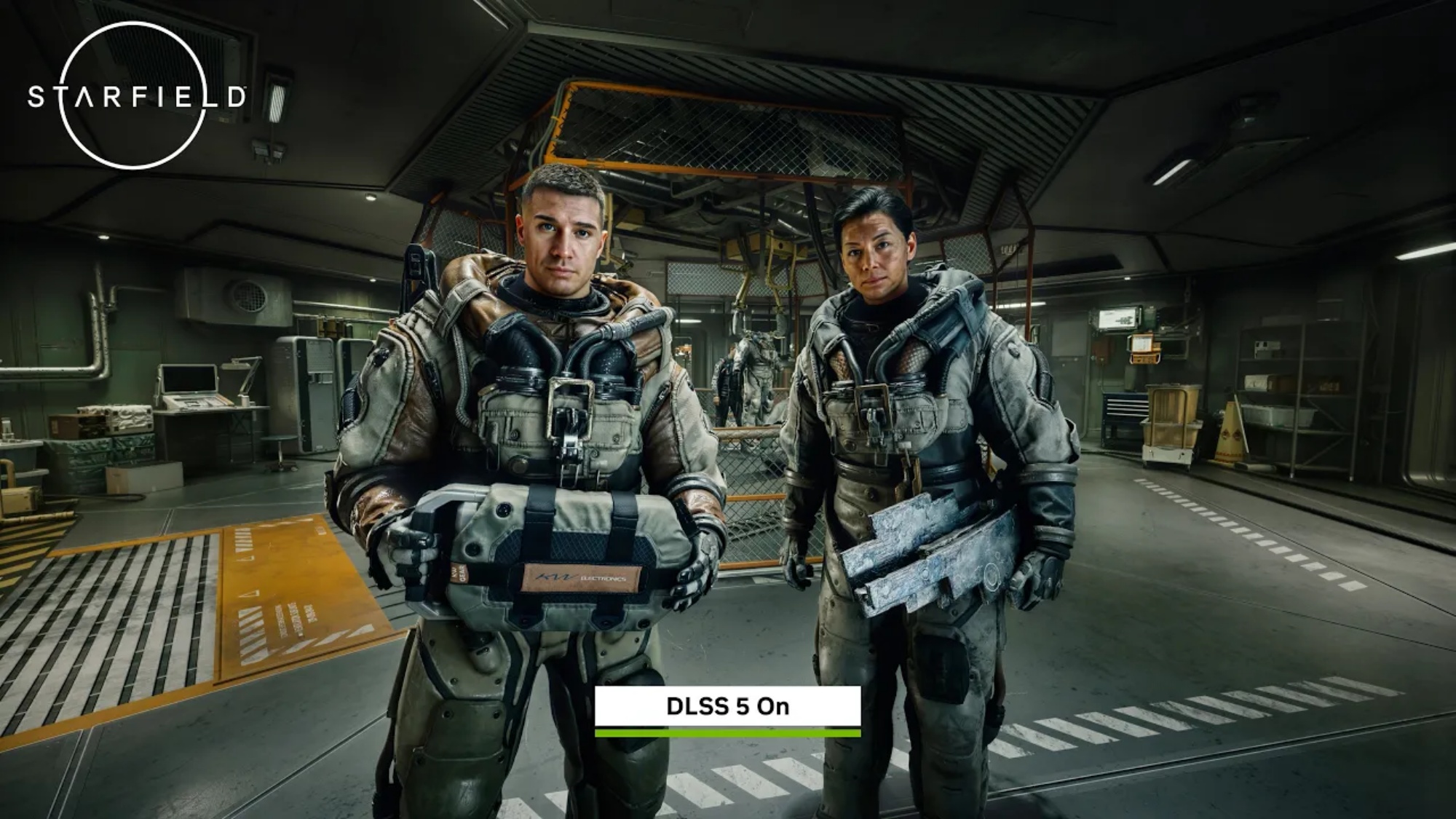
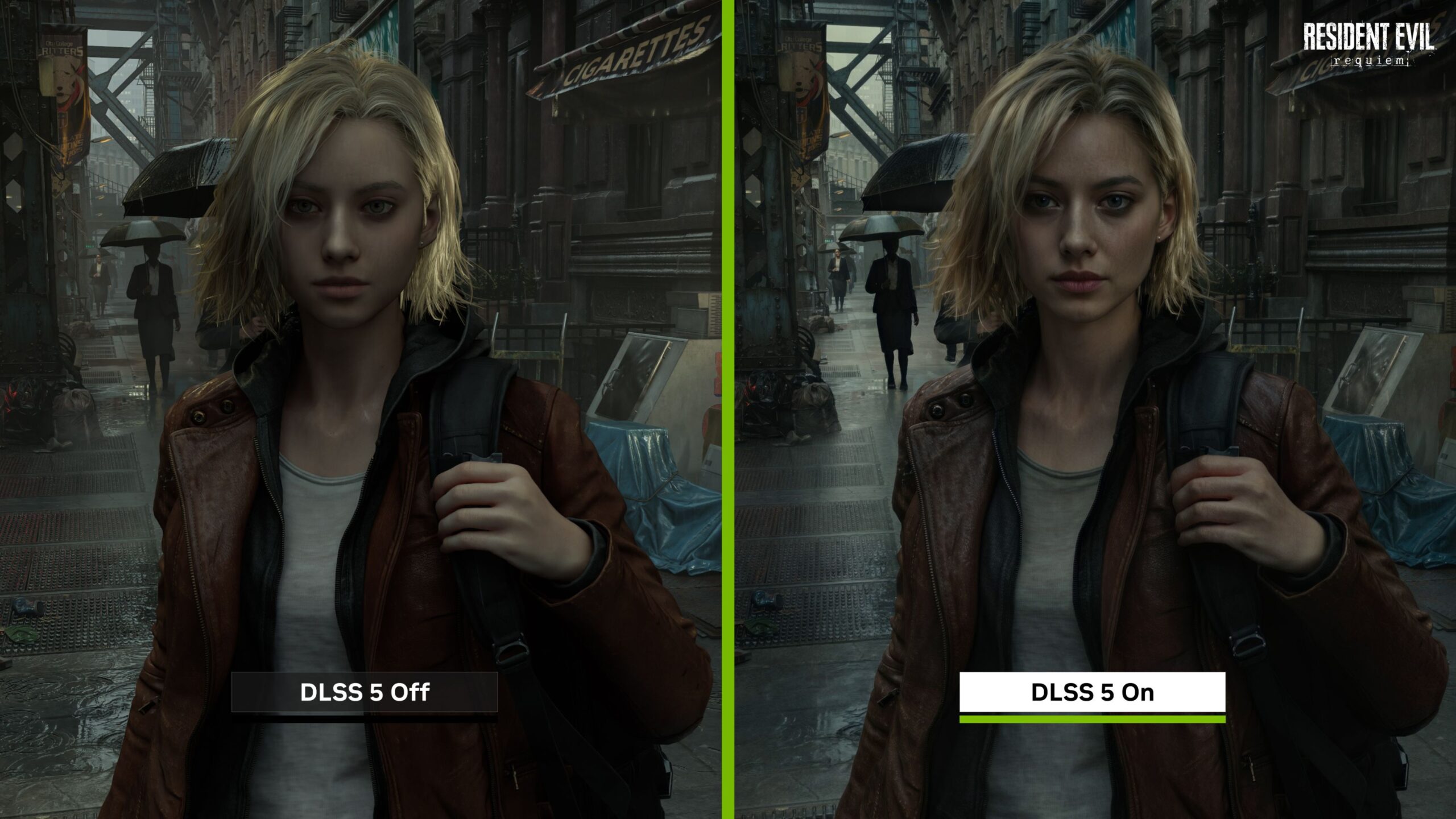
On paper, that all sounds fine. In practice, though, the showcase didn’t exactly land the way NVIDIA probably hoped it would. Much of the backlash has less to do with how DLSS 5 works, and more to do with how it looks. The demos, particularly those featuring Grace Ashcroft and Leon Kennedy from Resident Evil Requiem, gave off a heavily processed, almost synthetic vibe – as if a beauty filter has been applied. This didn’t sit well with a lot of viewers.
The problem here is the implied use of generative AI to “enhance” everything on screen. Yes, it’s technically impressive that all of this happens in real time, but the end result, at least based on what was shown, feels excessive. In some cases, it looks like it’s actively tinkering with the original artistic vision, with visuals coming off more like AI-generated content than something intentionally crafted by developers. And that particular aesthetic, despite trying very hard to look photorealistic, just ends up looking fake and overdone.
Gamers Aren’t Buying It
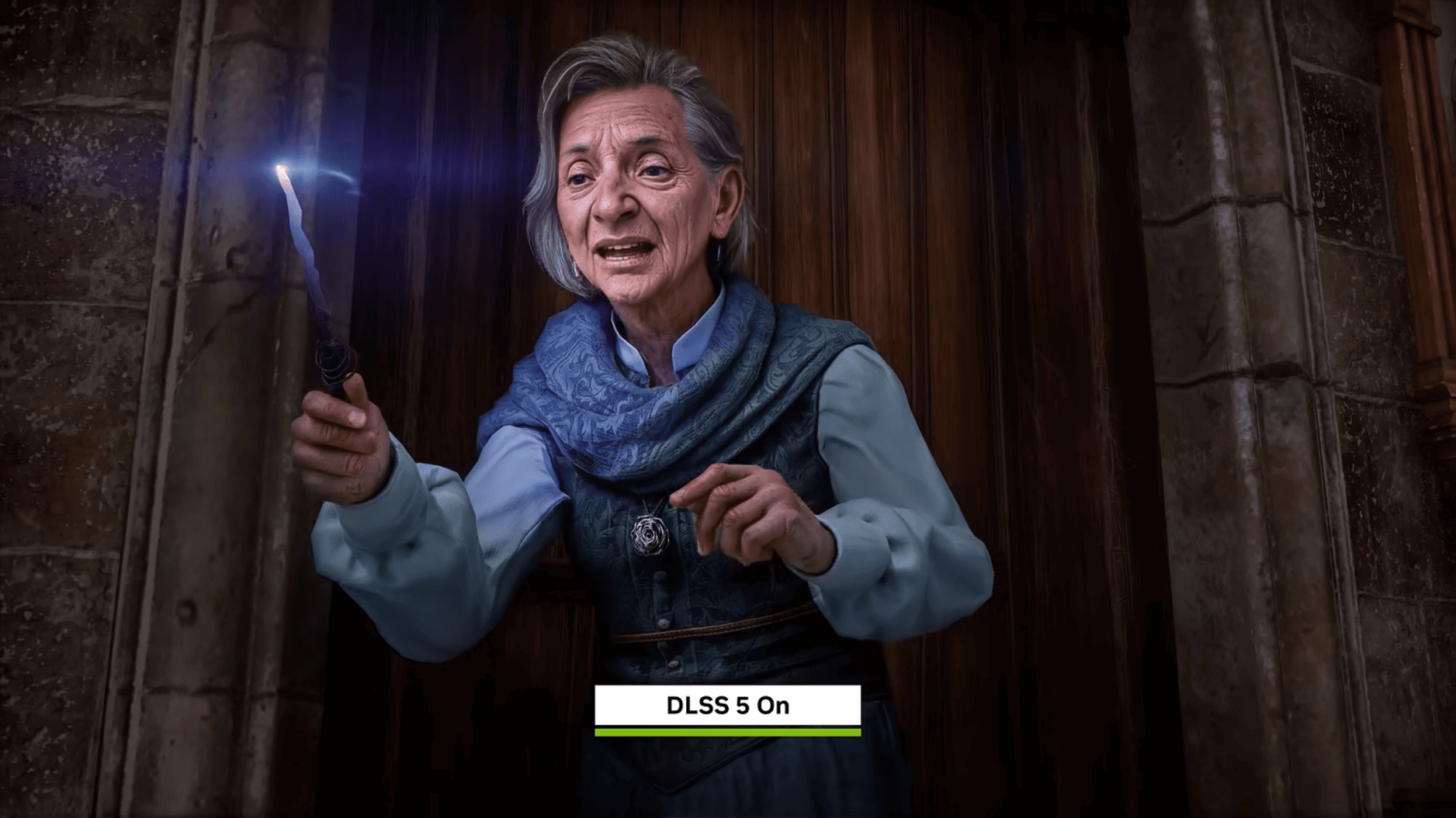
Unsurprisingly, gamers aren’t exactly thrilled. There’s already a noticeable fatigue around generative AI creeping into everything, and DLSS 5 isn’t helping its case. Social media reactions have been largely negative, with criticism pouring in alongside a steady stream of memes parodying NVIDIA’s showcase.
To be fair, DLSS 5 is still a few months away from launch, which means there’s room for NVIDIA to refine the tech or at least present it better. There’s also a chance the company might tone things down to better manage expectations before release.
But for now, it doesn’t look like that’s happening. If anything, Huang’s response makes it pretty clear that this is the direction NVIDIA wants to take, and more importantly, the direction he’s willing to stand by. Whether that pays off or not is another question entirely, but at this point, it really does feel like this is the hill he plans to die on.
(Source: Tom’s Hardware)
