

ByteDance, the parent company of TikTok, has gotten its hands on NVIDIA’s high-end Blackwell AI chips outside of China. According to the WSJ, the company managed to do so by working with Aolani Cloud, a Southeast Asian AI company based in Singapore.
To be precise, ByteDance is plans on using some 500 NVIDIA Blackwell-powered systems based in Malaysia to further its ambition to become a global AI leader. As to how many GPUs it’d be getting access to, sources familiar with the matter say that the social media company is looking at around 36,000 B200 chips.
How ByteDance Did It
Aolani is said to be purchasing these servers from Aivres, which is another company that assembles servers using NVIDIA chips. Based on the report, it is clear that this deal between the tech giants is an ongoing process and, when completed, would cost more than US$2.5 billion (~RM9.84 billion). At the time of WSJ’s writing, Aolani said that it had US$100 million (~RM393.6 million) worth of hardware already in its inventory.
As for what ByteDance plans on doing with its newly acquired hardware, it says it plans to use the computing power for AI research and development outside China, as well as to meet the rising demand for AI from its customers around the globe.
Why Is This Such A Big Deal?

If you’ve been living under a rock, NVIDIA is both restricted and limited in its ability to sell its AI chips in China, and even more so for its powerful Blackwell-based B200 chips. As of right now, the only AI accelerator chips the GPU brand is allowed to sell to Chinese companies are its H200 chips.
NVIDIA was at one point allowed to sell its B30A AI chips, but that was taken off the table when the US blocked the company from doing so, on grounds national security concerns.
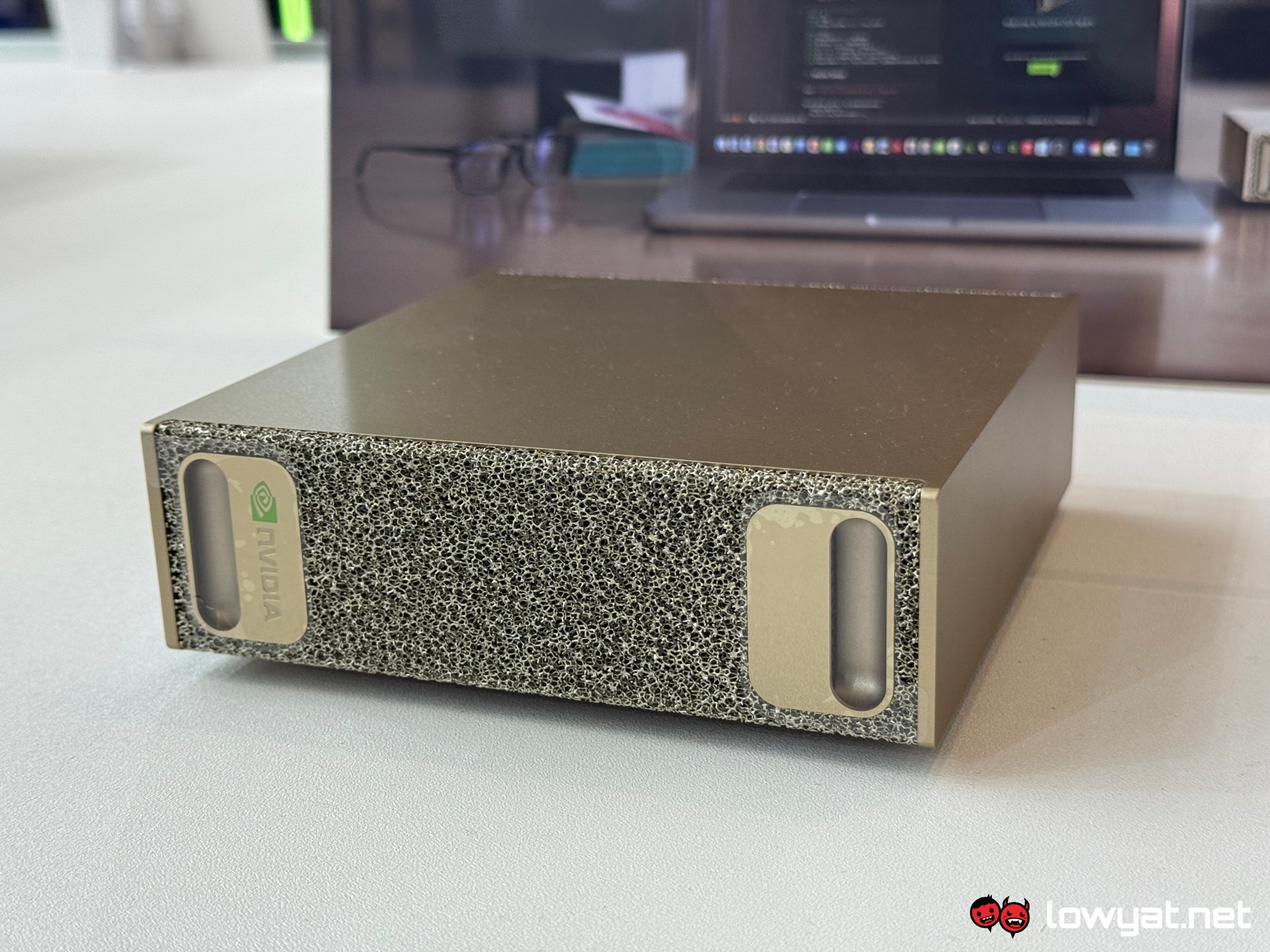
In the case of ByteDance, it was reported back in November last year that China’s government had banned the social media company from purchasing NVIDIA’s new Blackwell chip, in the hopes of getting its home-grown companies to reduce their reliance on US-made hardware and technology. Clearly, that hasn’t worked out the way it wanted.
It hasn’t been all sunshine for NVIDIA either. Ever since the first the trade restrictions on its GPUs into China, the company’s CEO, Jensen Huang, claims that his company had lost virtually all of its market share — specifically, 95% — in China, with its competitors having already seized the opportunity. That being said, it’s also been confirmed that the performance of their hardware is nowhere near what NVIDIA’s products are able to churn out, which again, reaffirms NVIDIA’s dominance in the AI inference space.
