


WhatsApp has announced a new parental supervision feature for its platform, introducing parent-managed accounts designed for younger users. The feature is intended to let pre-teens communicate with family members and trusted individuals, while giving parents greater control over privacy and safety.
With parent-managed accounts, children can only use WhatsApp for messaging and calling. According to the platform, other features such as Channels, Status updates, location sharing and Meta AI integration are disabled, keeping the experience limited to basic communication.
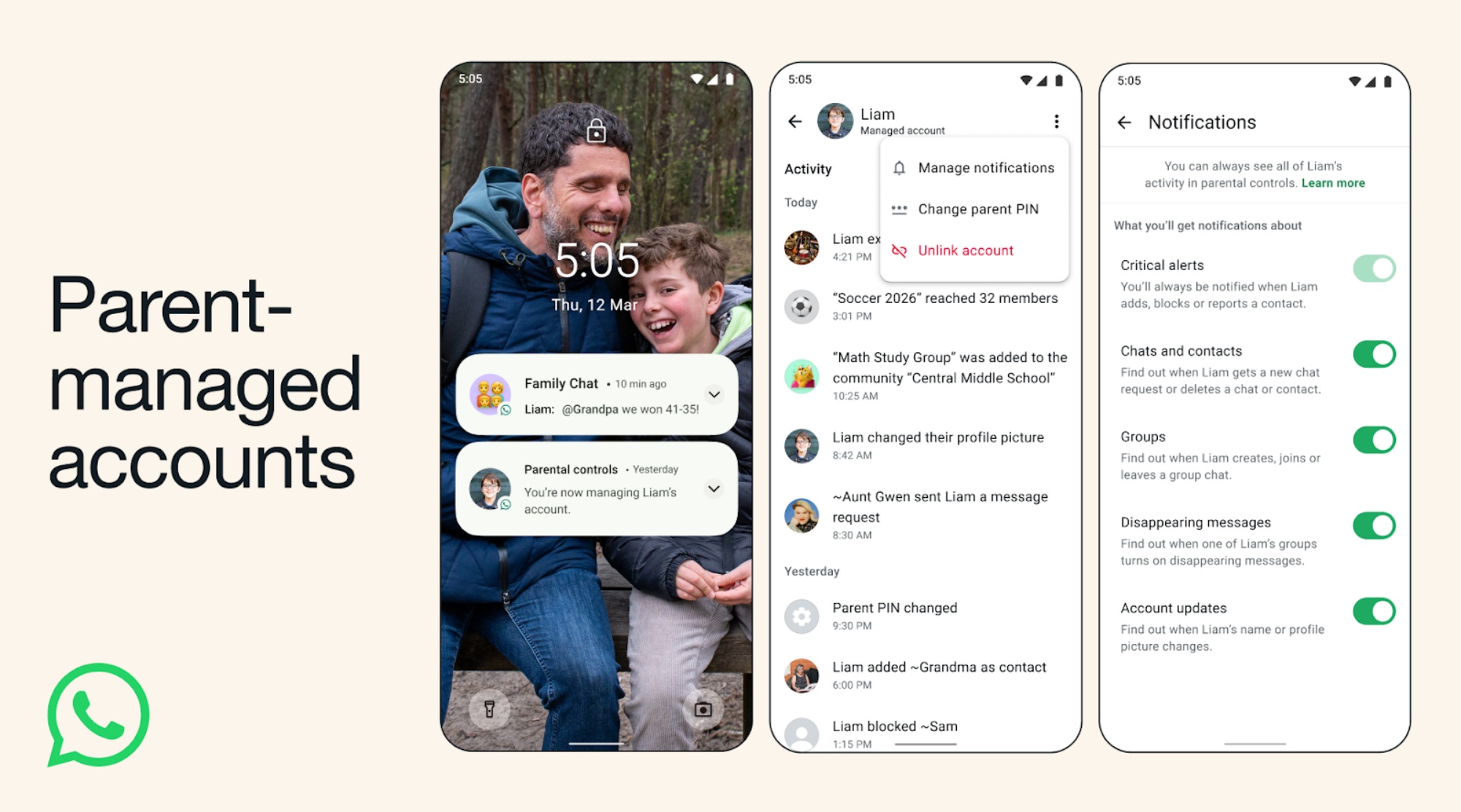
Parents or guardians will also be able to control who can contact the account and which groups the child can join. Messages from unknown contacts will appear as message requests that parents can review first, while group invites must also be approved before the child can join. By default, only saved contacts can message a managed account, and requests from unknown numbers will appear in a separate folder protected by the parent PIN.
WhatsApp assures that all conversations remain protected by its end-to-end encryption, meaning that no one, including the platform itself, can read or listen to messages exchanged. This new feature will roll out gradually over the coming months, and availability may vary depending on region.

How To Set Up A Parent-Managed WhatsApp Account
Setting up a parent-managed account requires both the parent’s device and the child’s phone so the accounts can be linked. The process is relatively straightforward:
- Install and open WhatsApp on the child’s phone.
- Start the registration process and enter the child’s phone number and date of birth.
- Choose the option to create a parent-managed account.
- Place the parent’s phone next to the child’s device and scan the QR code to link both accounts.
- The parent verifies that they are an adult and completes the setup process.
- Set a parent PIN, which will be required to change privacy settings or approve requests.
- Once linked, the parent can manage who can contact the account, approve group invites, and review message requests.
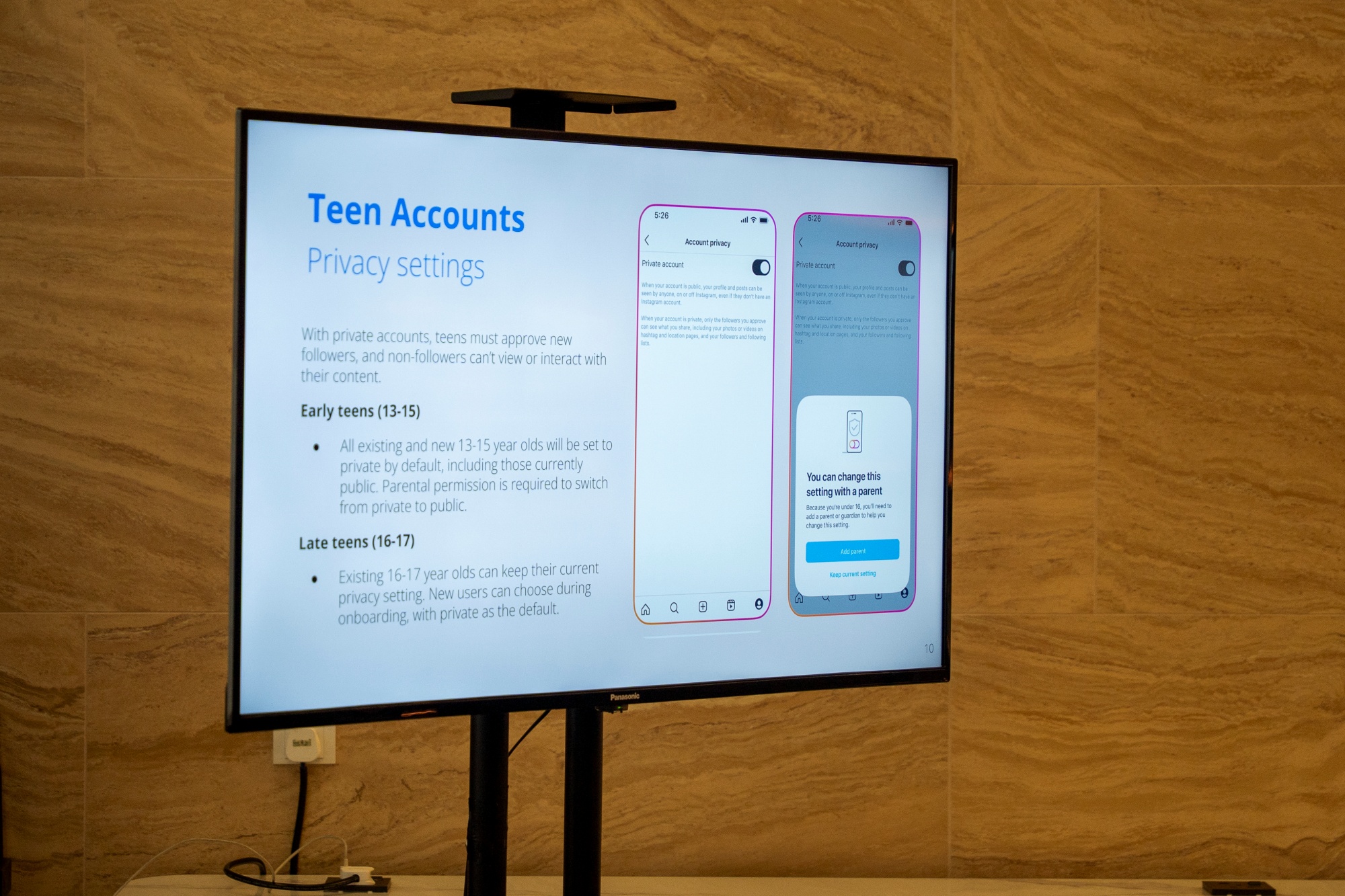
The move also follows several other teen safety updates introduced by WhatsApp’s parent company Meta earlier this week. These include stricter protections for teen accounts across its Facebook, Instagram and Messenger platforms, additional parental supervision tools, and stronger controls designed to limit unwanted interactions and exposure to inappropriate content for younger users.
