

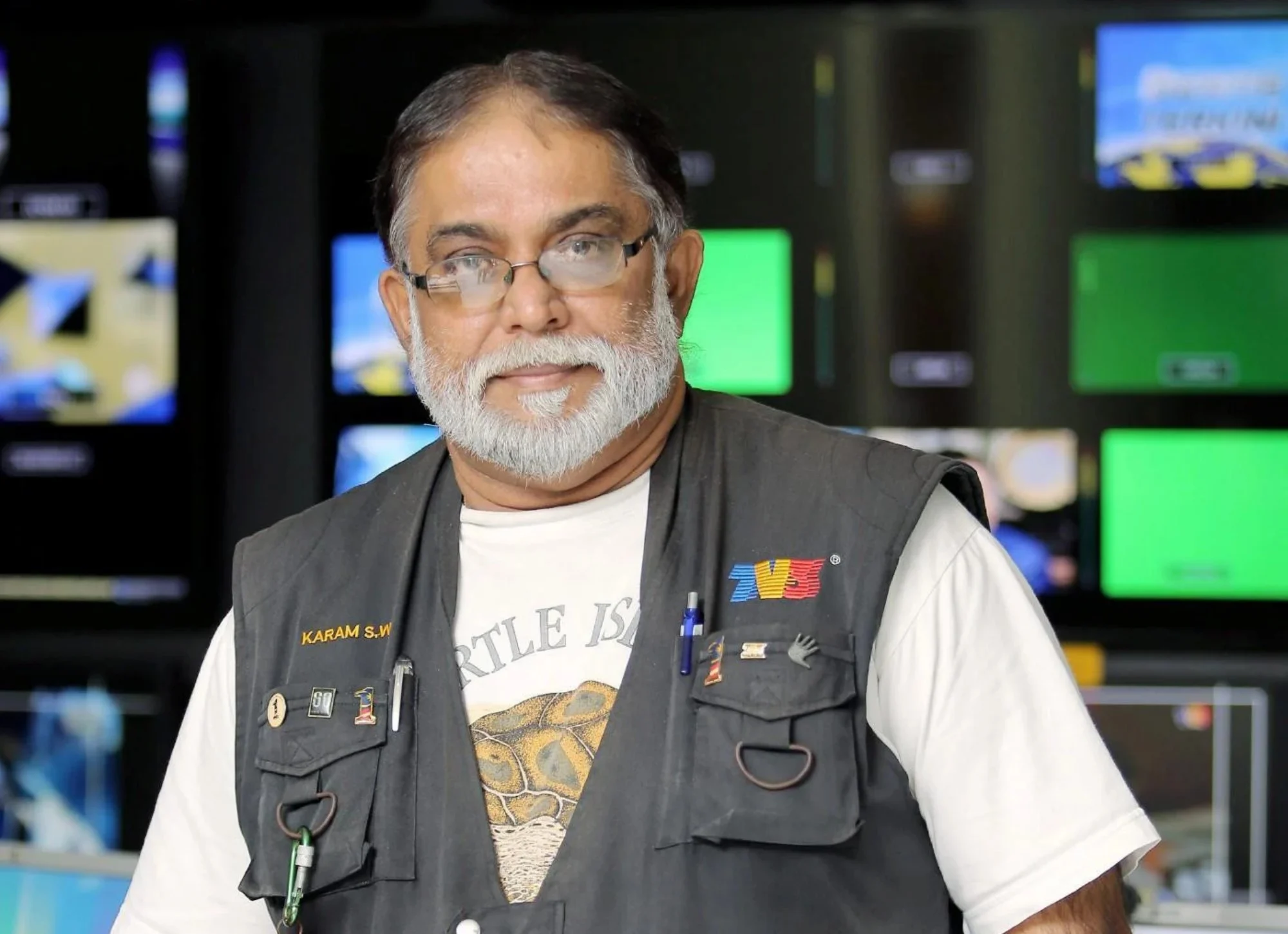
Veteran broadcast journalist Karam Singh Walia has died at his residence in Klang earlier today at 3.30am on 6 April, after a long and difficult battle with liver cancer. He was 66, with his passing confirmed by his younger brother, Jasbant Singh, who serves as group managing editor of news and current affairs at Media Prima.
Born in 1959 in Teluk Intan, Perak, Karam began his career in broadcasting with TV3 in 1995. He remained a prominent figure on Malaysian television until his retirement in 2014, which came following health-related issues.
Throughout his career, he became a familiar and trusted presence in Malaysian households through his reports on Buletin TV3. Viewers often associated him with his firm and authoritative delivery, as well as his signature hand gesture and his habit of closing reports with pantun and Malay proverbs.
An Unexpected Path Into Journalism
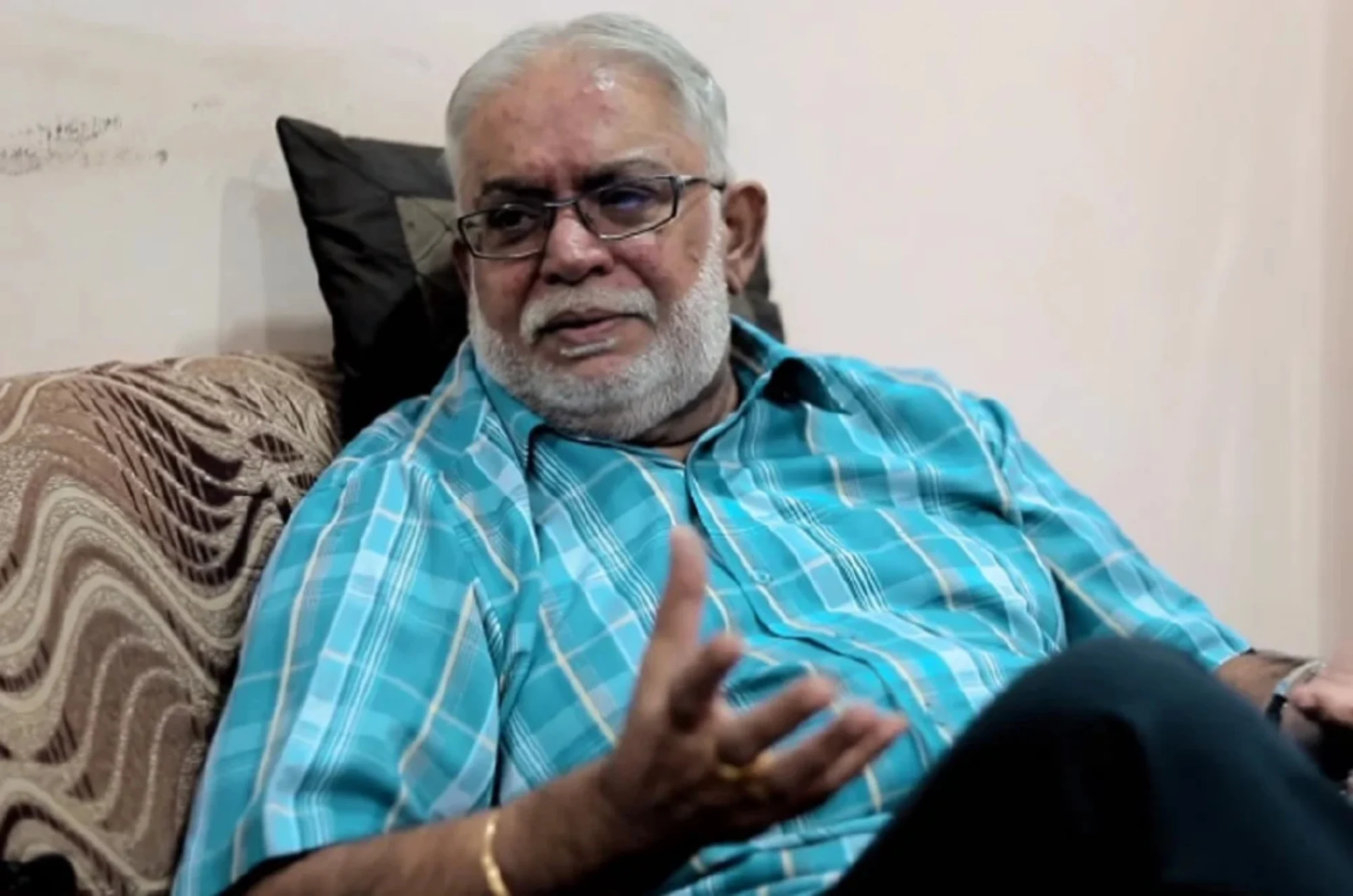
Karam’s journey into journalism was not conventional. In an interview with Sri Saheb Production, he revealed that he initially worked in a factory before moving into academia, with no plans to enter the media industry.
His turning point came during a chronic dengue outbreak in his neighbourhood that authorities had largely ignored. When a local council official challenged him to “do something about it,” Karam responded by joining TV3, using journalism as a platform to amplify the concerns of the public.
A Pioneer Of Environmental Journalism
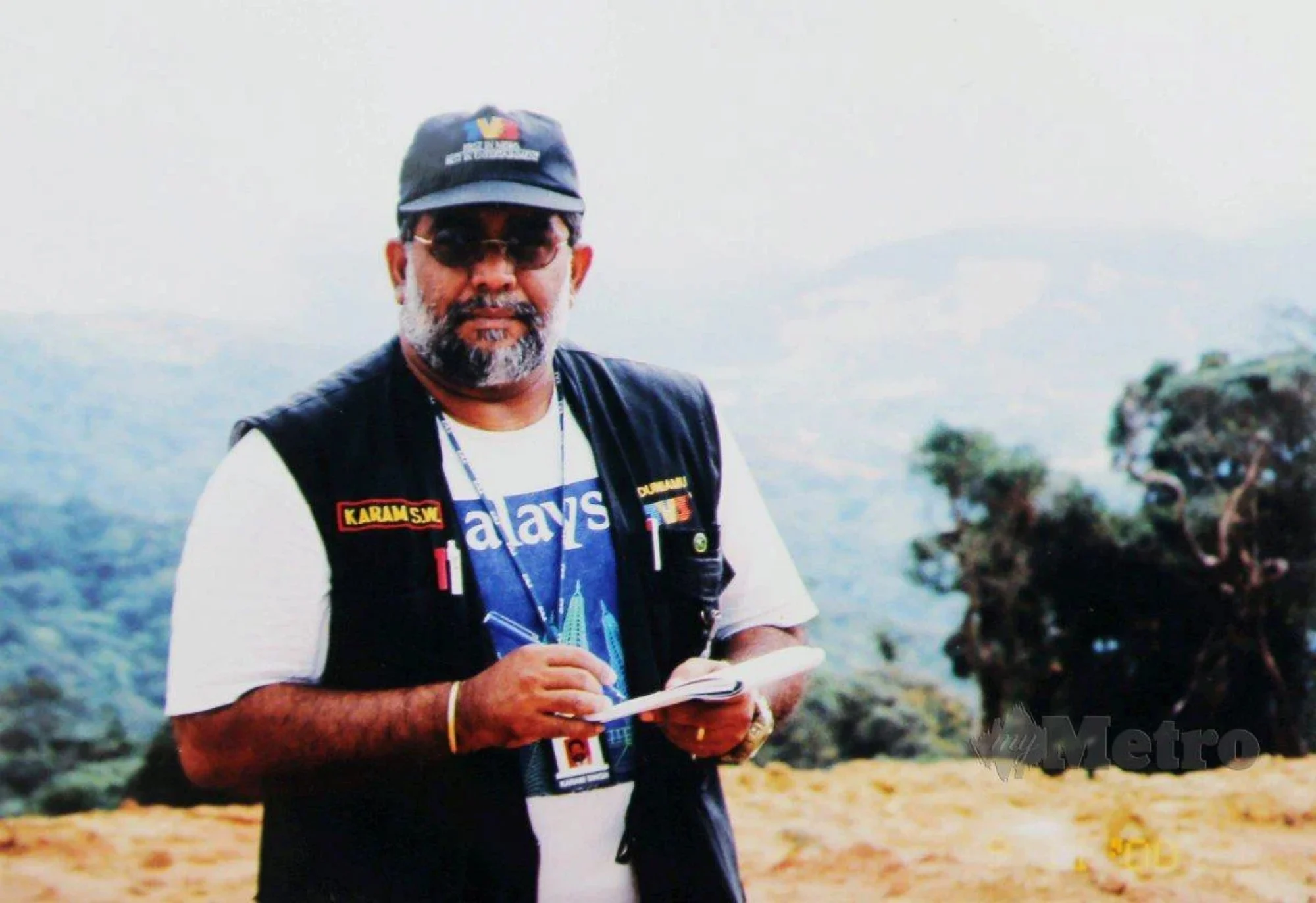
Karam earned widespread recognition as one of the country’s most influential environmental journalists. Over the years, he received multiple accolades, including two Seri Angkasa Awards and the Malaysian Press Institute (MPI) Award for Best Environmental Television Journalist for four consecutive years from 2004 to 2007.
He was widely regarded as a pioneer of environmental journalism in Malaysia, bringing a more immersive and investigative approach to field reporting. His work consistently highlighted environmental issues that affected local communities and future generations, helping to raise awareness on matters that were often overlooked.
(Source: Bernama)
