

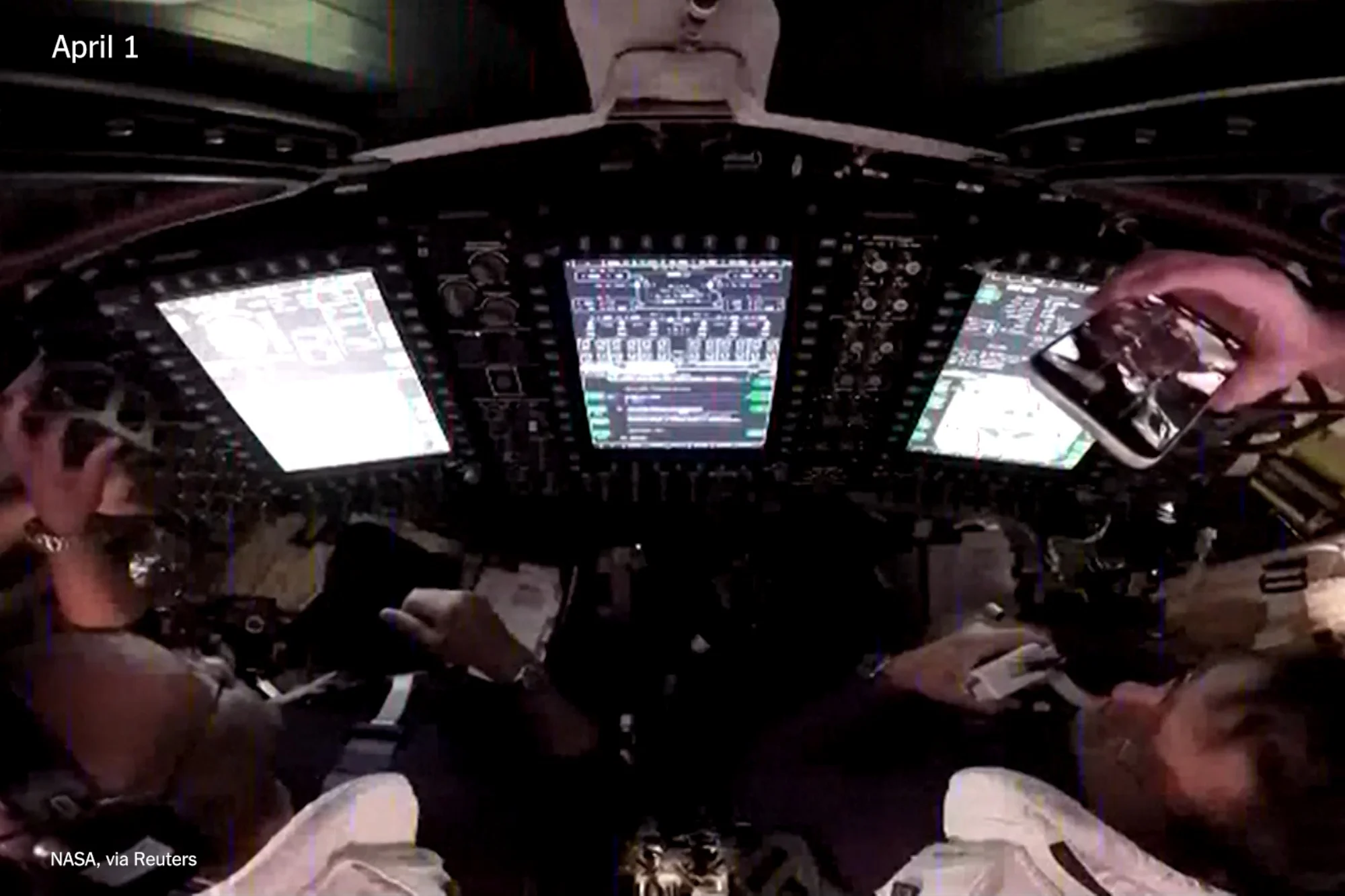
NASA has long maintained tight control over what astronauts can bring into space, but the ongoing Artemis II mission marks a notable shift. For the first time, the agency has allowed crew members to carry iPhones during a mission around the Moon, albeit under strict conditions.
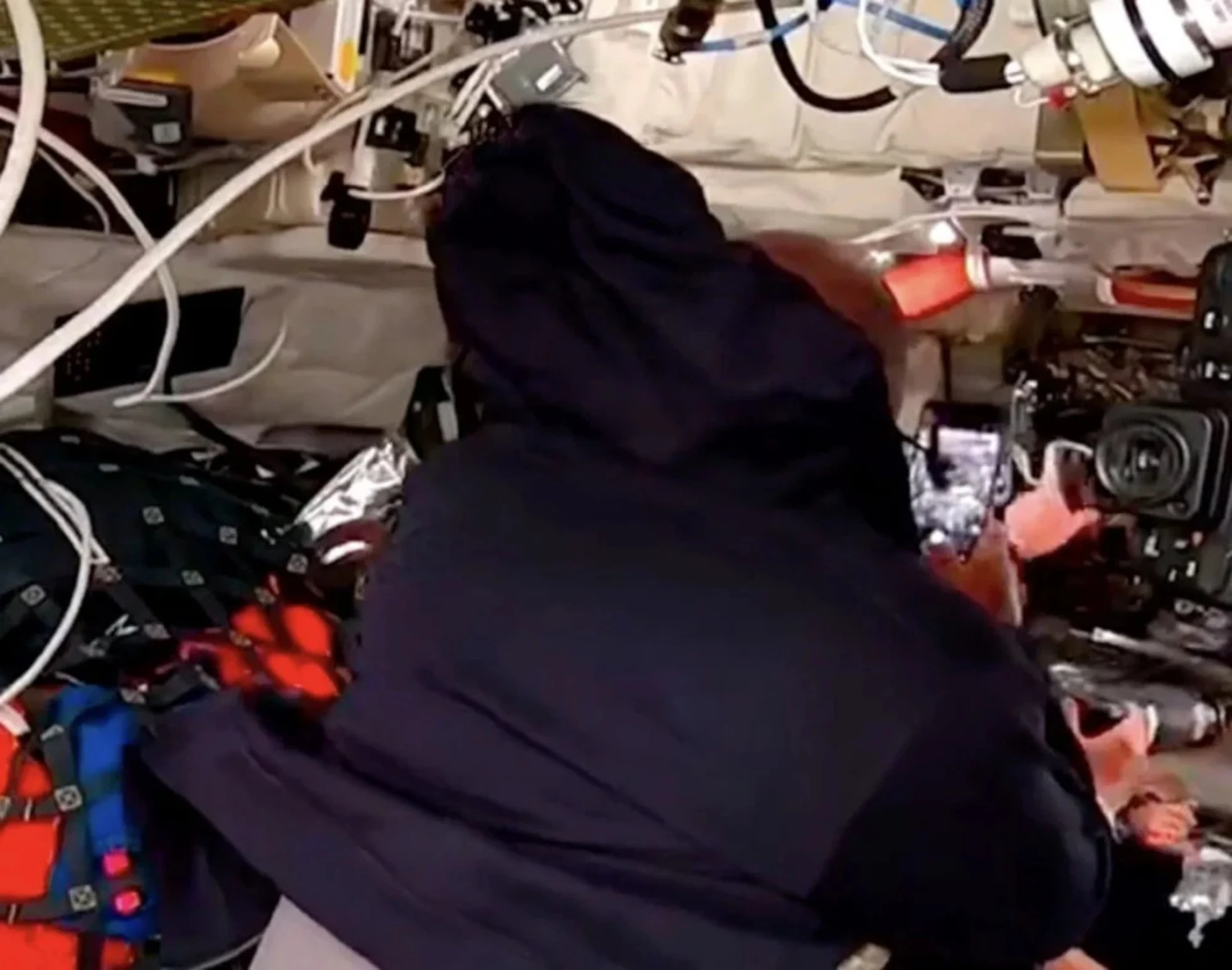
While not officially confirmed, footage from the mission has shown astronauts using what appears to be an iPhone 17 Pro Max. According to The New York Times, these devices are not intended for mission-critical functions. Instead, astronauts will use them primarily to document their experience and capture key moments throughout the journey via photos or videos.
However, their functionality is heavily restricted. The iPhones will not be allowed to connect to the internet or use Bluetooth while in space, effectively limiting them to offline use for photography and video recording.
A Lengthy Approval Process
Before any consumer device can make its way into a spacecraft, it must undergo a rigorous certification process. Tobias Niederwieser, an assistant research professor at BioServe Space Technologies, described the procedure to The New York Times as both extensive and complex, noting that his organisation went through similar steps for payloads on Artemis I.
The process begins with an initial safety review, where hardware is assessed by a panel. This is followed by a hazard analysis phase, which identifies potential risks such as moving components or materials that could shatter, including glass.
Next, engineers must develop mitigation strategies to address the identified risks. Finally, these solutions are tested to ensure they effectively eliminate or reduce the hazards before the device can be approved for flight.
Apple Not Involved In Certification
Despite the presence of its hardware on the mission, The New York Times says that Apple had no direct involvement in NASA’s approval process. The company did note, however, that this represents the first time an iPhone has been formally qualified for orbital use over an extended period.
This is not the first instance of iPhones reaching space, though. Previous missions, particularly private spaceflights, have carried Apple’s devices. NASA itself flew two iPhone 4 units during the final space shuttle mission in 2011, though these were used strictly for experimental purposes and similarly lacked connectivity features.
Other Imaging Gear Onboard
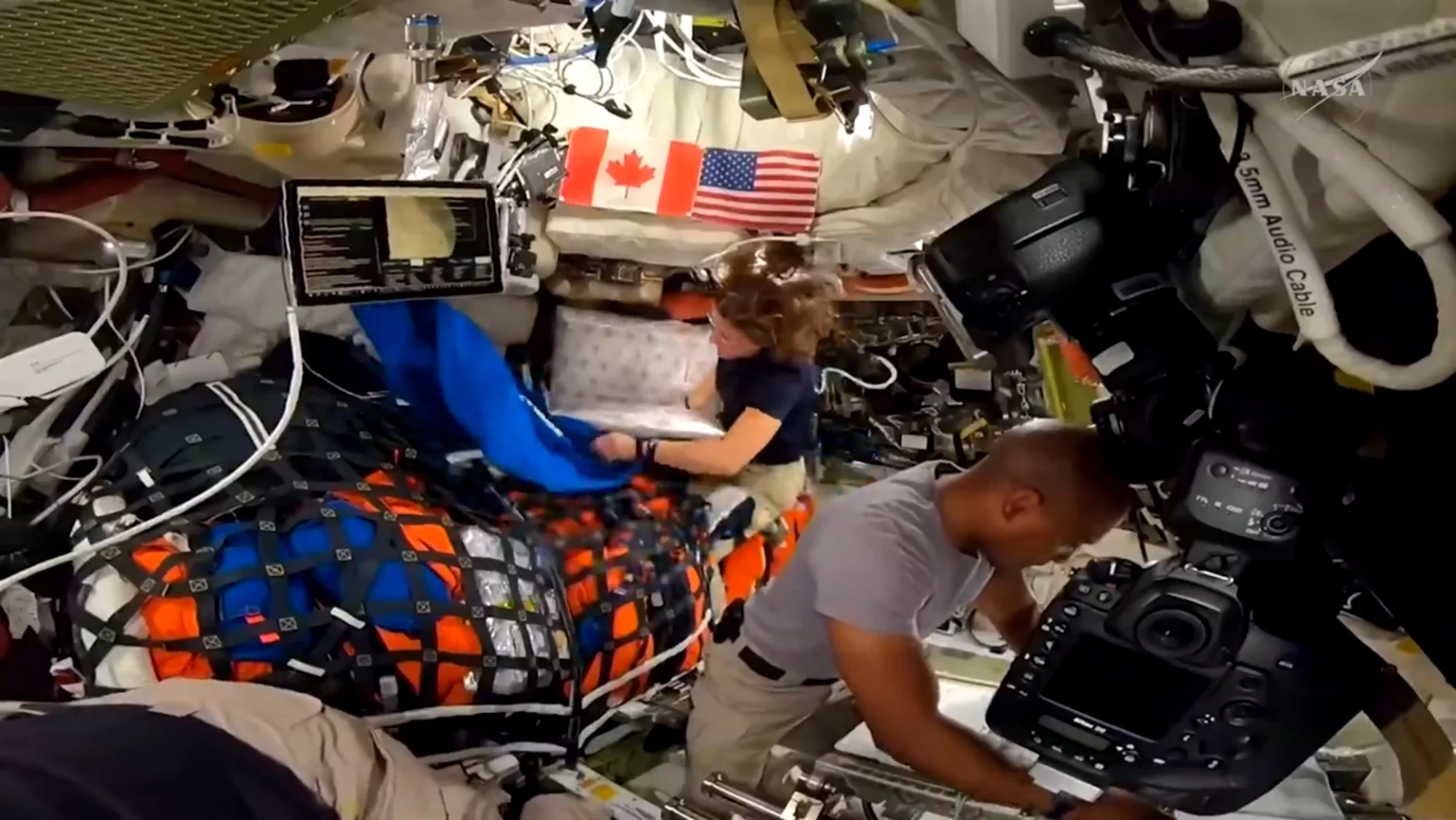
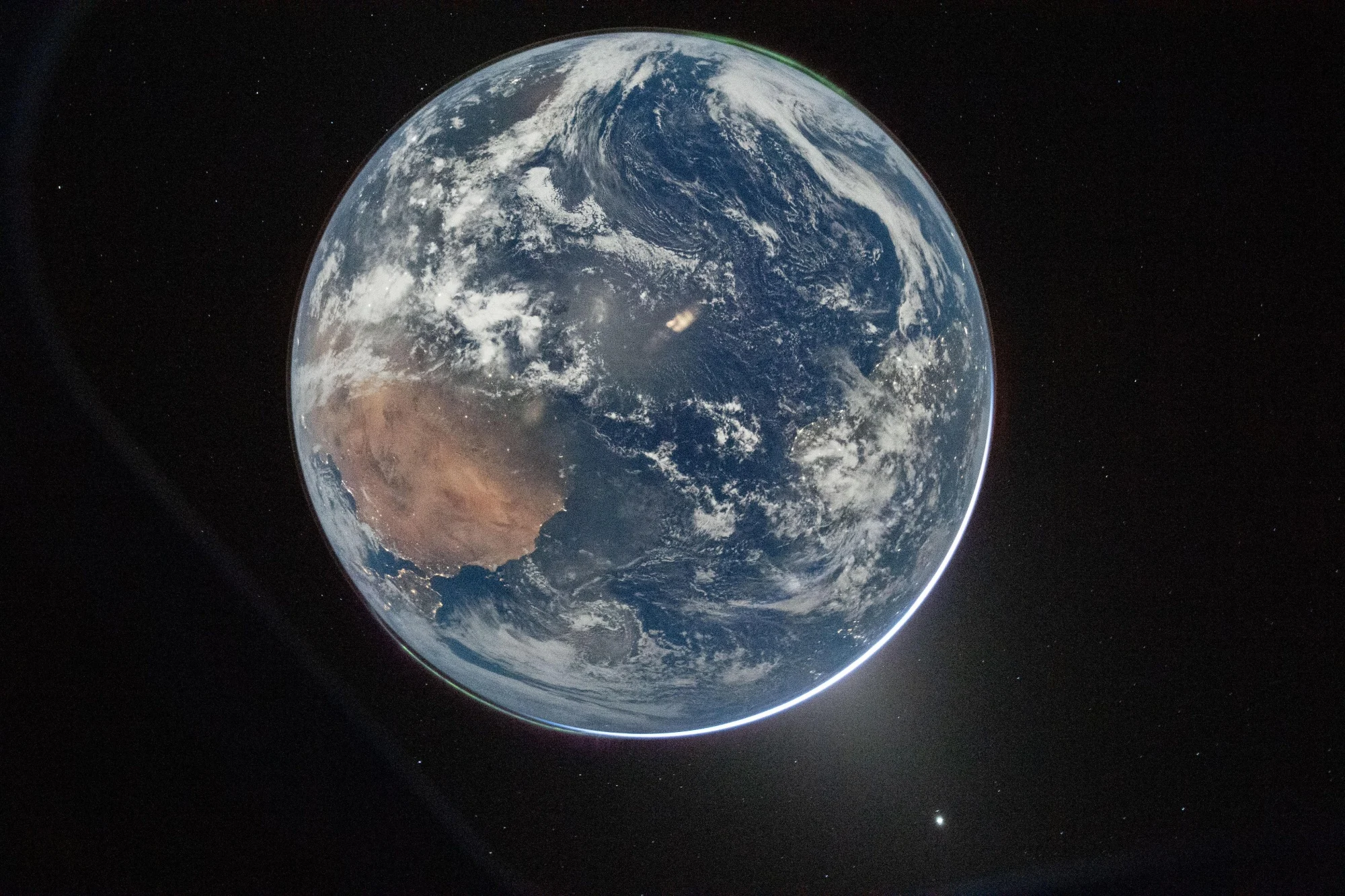
According to official NASA documentation, Artemis II carries other imaging equipment for documentation and research, apart from iPhones. Among them are two Nikon D5 full-frame cameras, which astronauts will operate for high-quality photography during the mission.
The spacecraft will also include multiple GoPro Hero 11 units. However, these action cameras are set to capture footage for a Disney+ and Hulu exclusive National Geographic documentary, offering a behind-the-scenes look at the Artemis II mission.
Mission Progress So Far
At the time of writing, NASA’s Artemis II mission is already well underway following its successful launch on 1 April 2026. The crew is currently travelling aboard the Orion spacecraft on a free-return trajectory toward the Moon, having completed the critical translunar injection burn that officially sent them beyond Earth’s orbit.
Recent updates indicate that the spacecraft has now passed the halfway point of its journey, placing the astronauts deep into cislunar space and farther from Earth than most human missions in decades. The mission is expected to reach its closest approach to the Moon around the midpoint of the 10-day flight before looping around the lunar far side and heading back to Earth.
(Source: The New York Times)
