

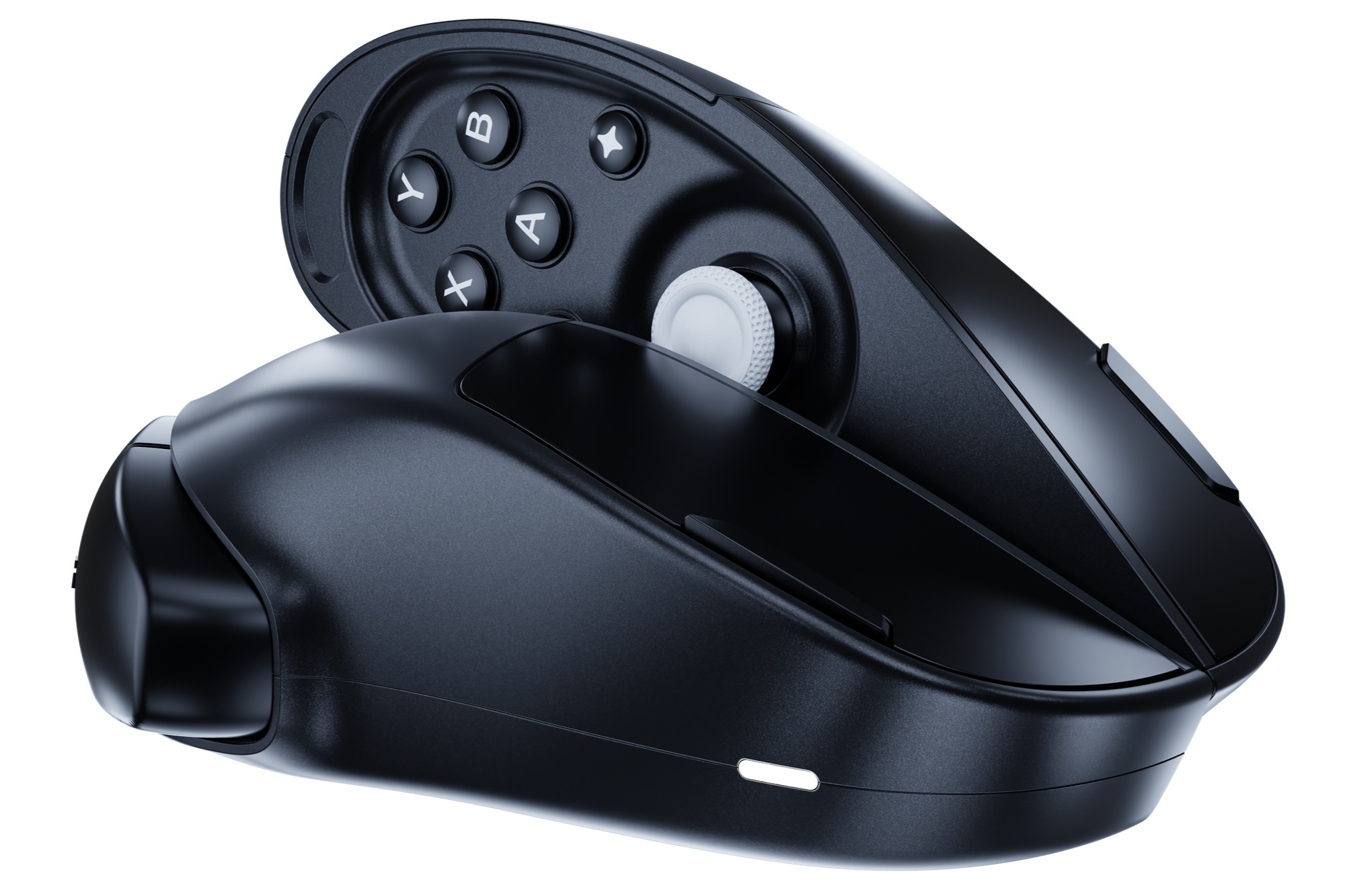
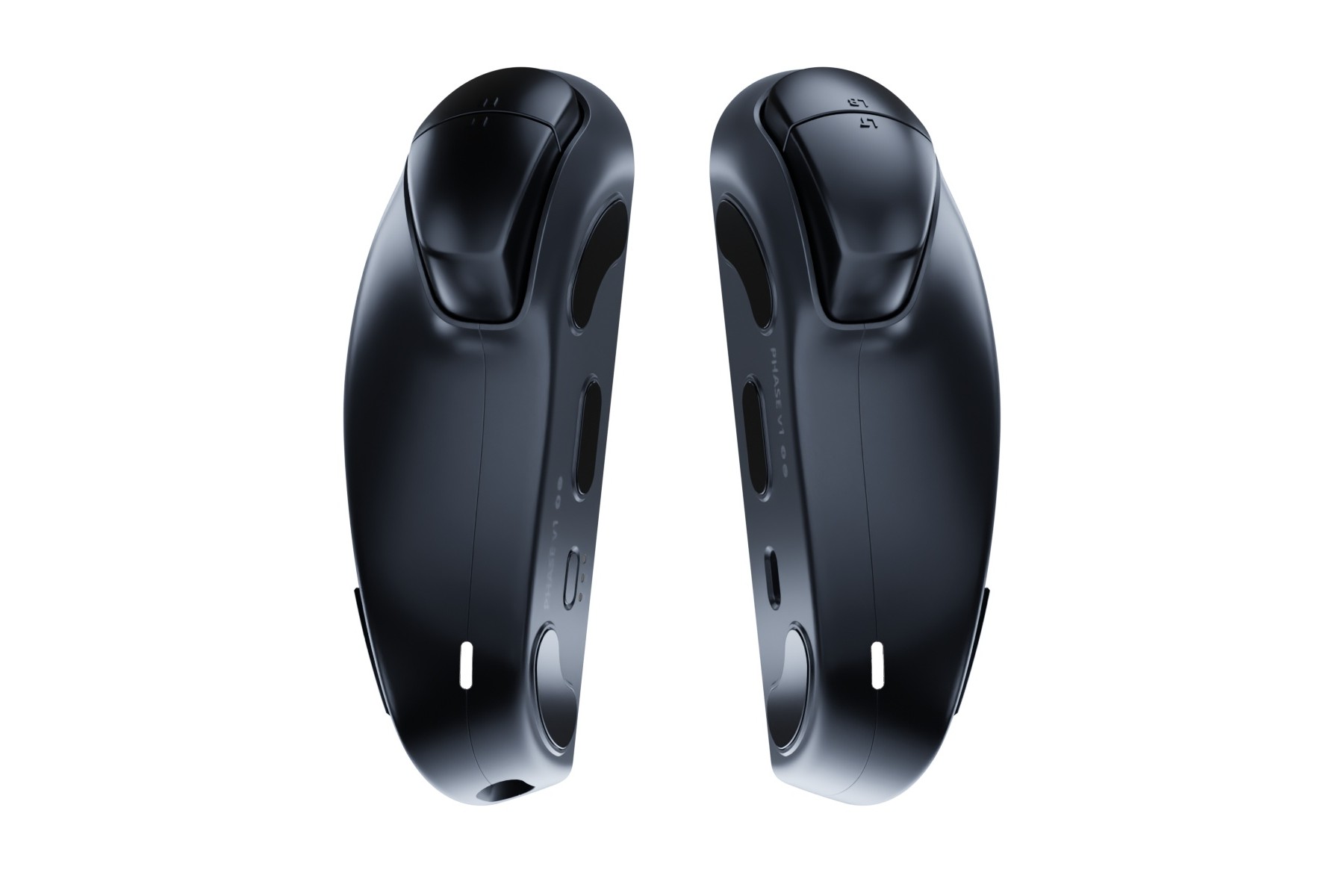
If you’ve not heard of the name Pixelpaw Labs before, that’s because it’s a relatively new company founded in 2024. And it would be two years later before it announces its first gaming peripheral. It’s simply called the Phase, and on the surface, it looks like an oddly shaped wireless mouse. But what makes it special is that it actually splits into two. And in this from, it’s essentially two sides of a wireless controller. And it looks like a very odd cross between, say, Joy-Cons and VR controllers.
The two halves hold onto each other magnetically, and features both Bluetooth LE and 2.4 GHz wireless connectivity via a dongle. That also allows it to support multi-device pairing, up to three at a time. The company claims that it has universal compatibility. That is, it can connect to Windows, macOS, Linux, Android and iOS devices. All pretty good things to see on a spec sheet, but the only thing that points to its gaming chops is the 1,000 Hz polling rate. And perhaps arguably the 16,000 DPI.
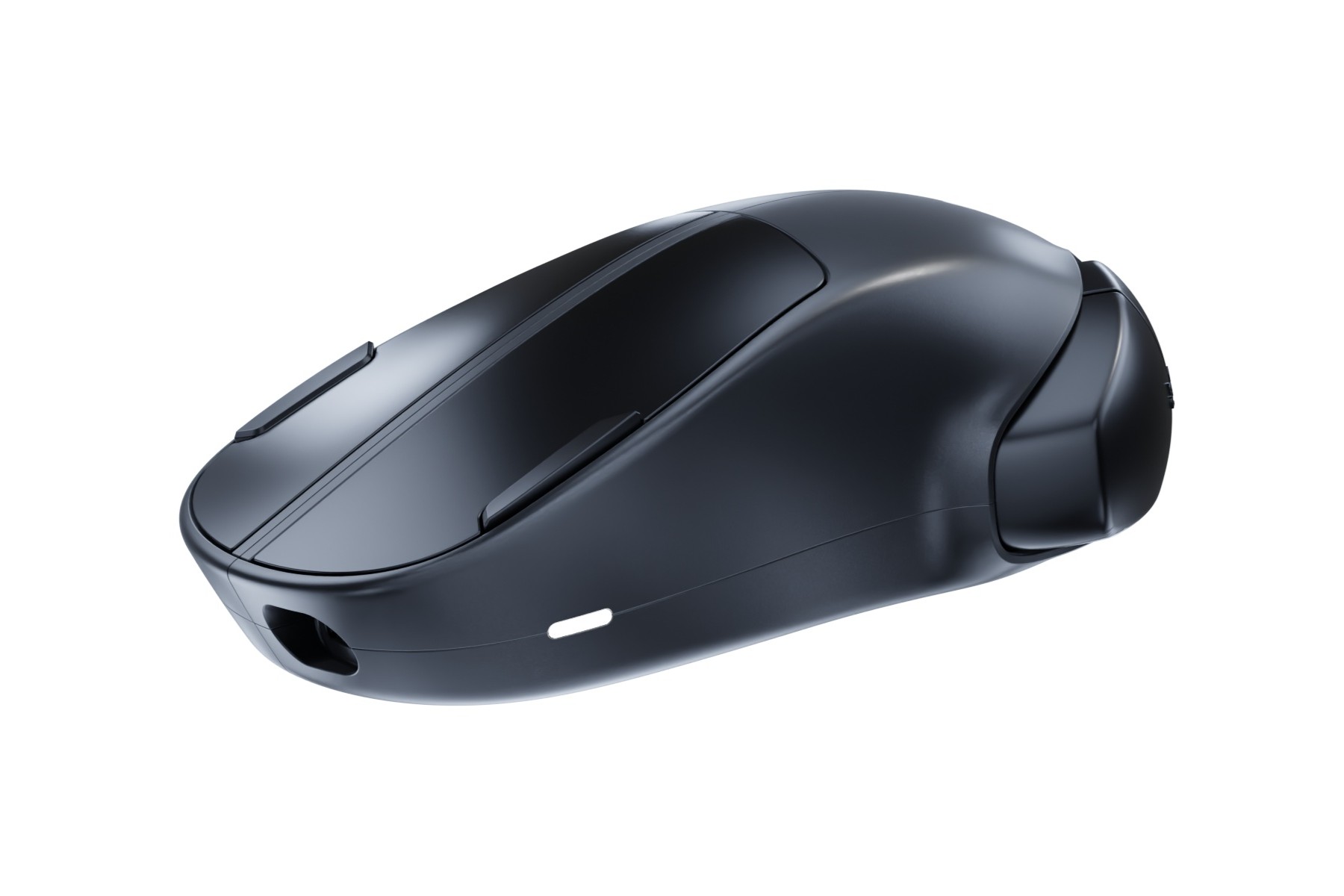
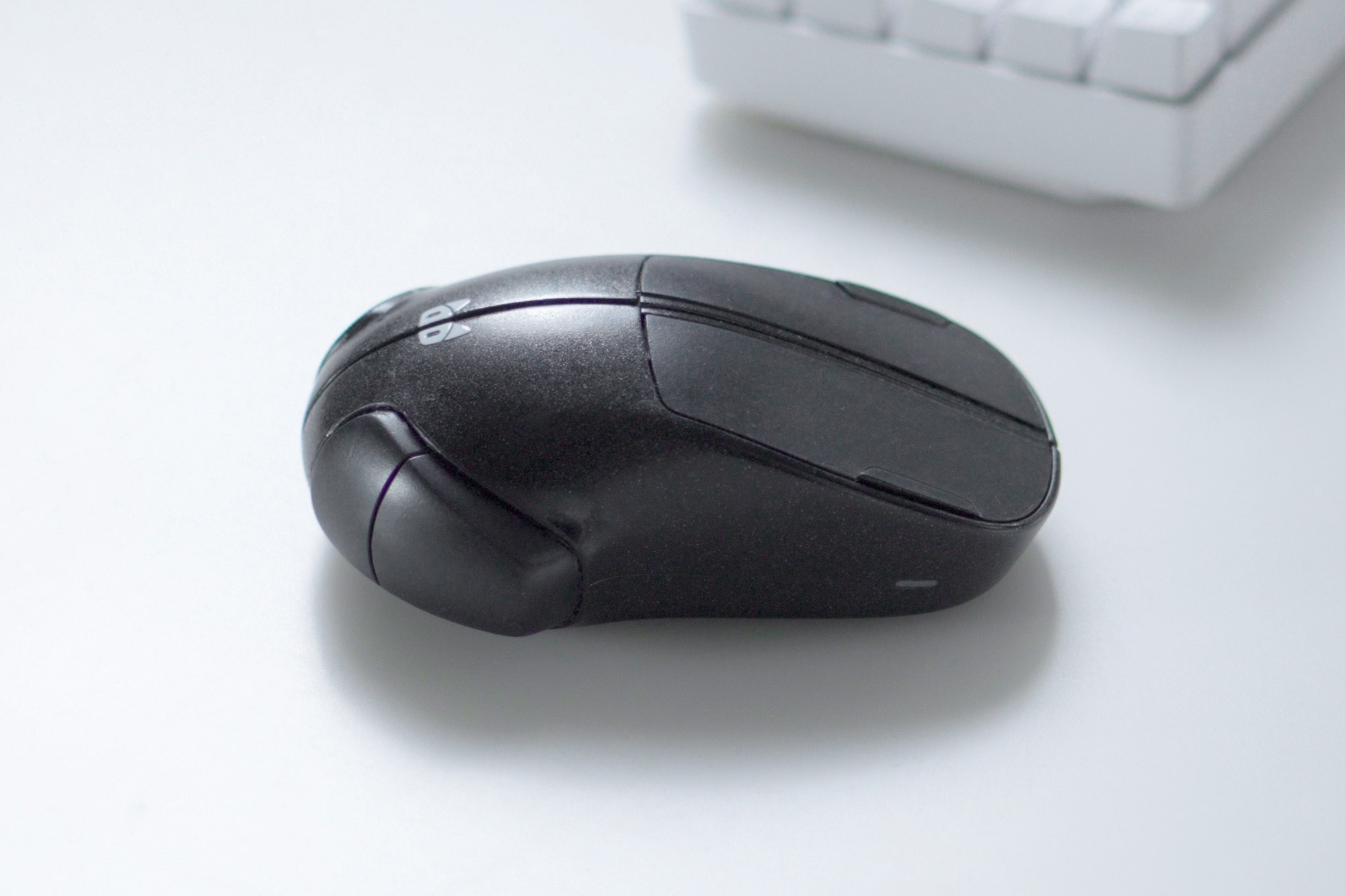
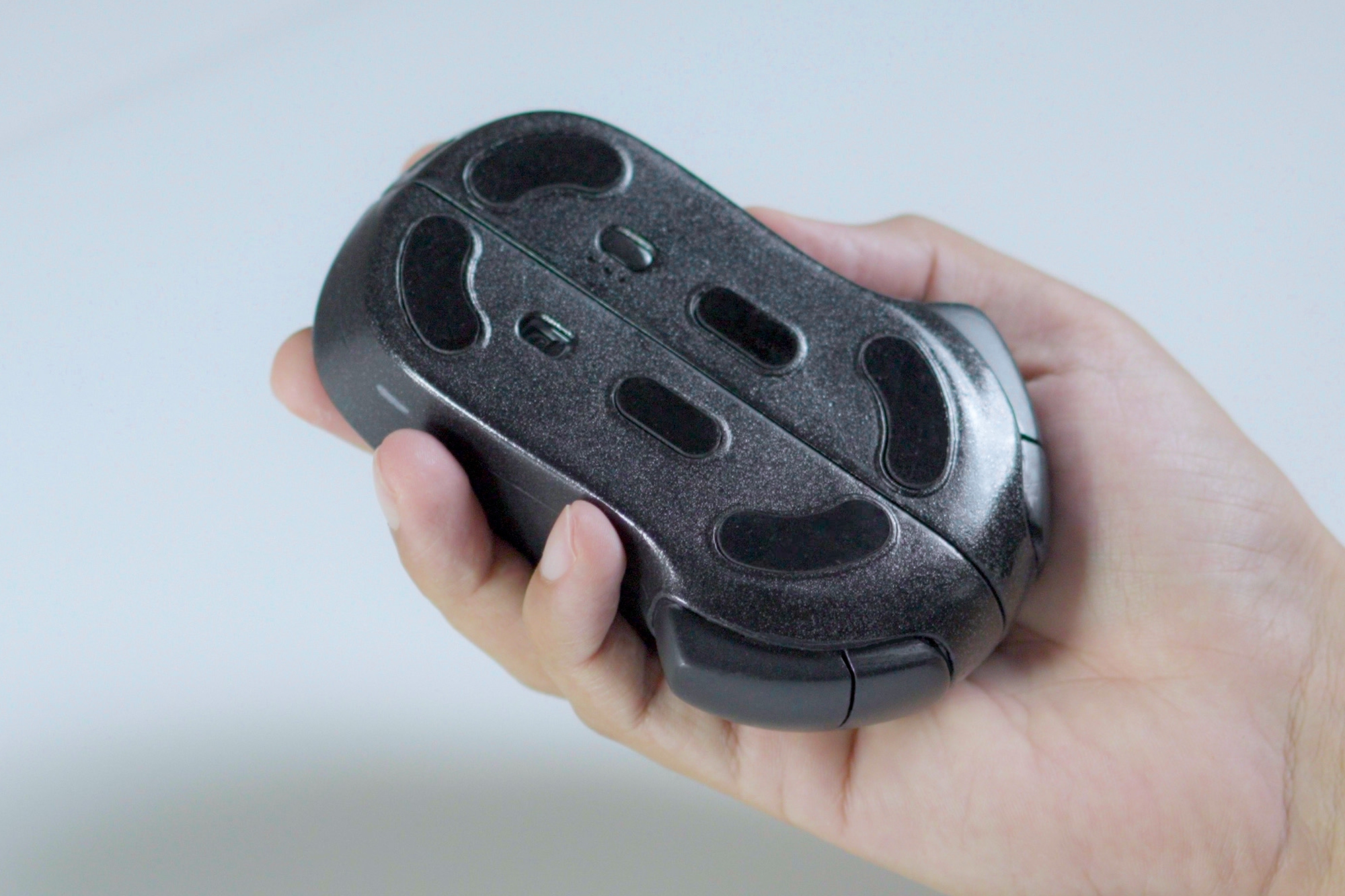
Owing to its nature, it doesn’t come with a physical scroll wheel where you’d usually expect to see one. Instead, there’s a capacitive scroll strip in its place, though I foresee this implementation and its lack of tactile feedback causing issues where precision scrolling is required. The company makes no mention of what sort of switches it uses for its buttons on its pages.
Mirrored – And Missing – Elements
Before going into the controller component, it’s worth pointing out that the company claims the Phase has a 72-hour battery life. Charging is done via the USB-C port on the left half. The optical sensor looks to be located at the bottom of the right half, with a dummy mirrored on the left.
And we get into the controller component with bad news – Xbox layout. On one hand, no real surprise because there’s no space for the touchpad. But on the other, there’s the unergonomic, asymmetrical analogue stick setup. No mention on what sort off sticks either, but that usually means potentiometer rather than any of the fancy magnetic tech like Hall Effect or TMR. Space constraints may also be why the D-pad is a conventional 4-way type.
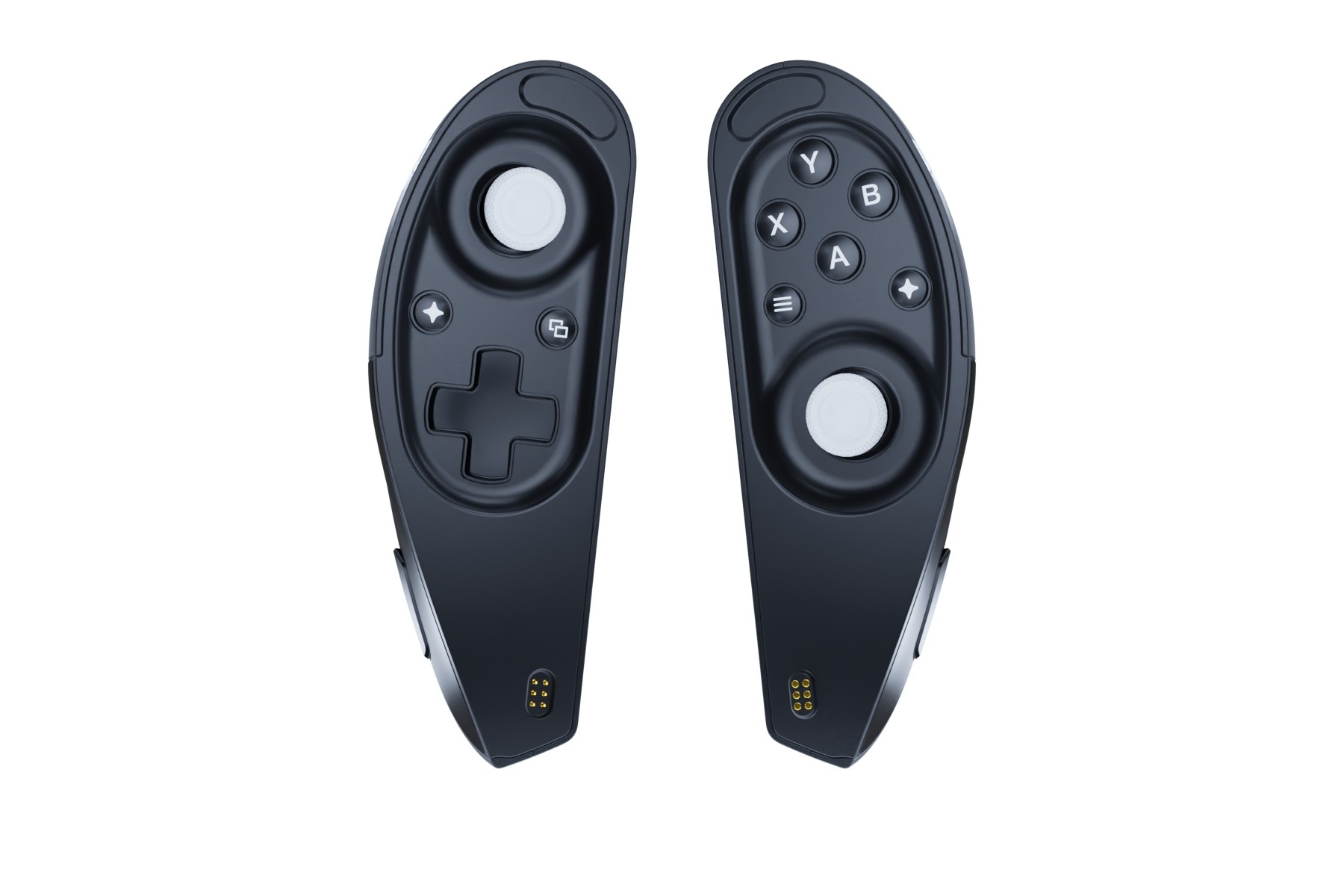
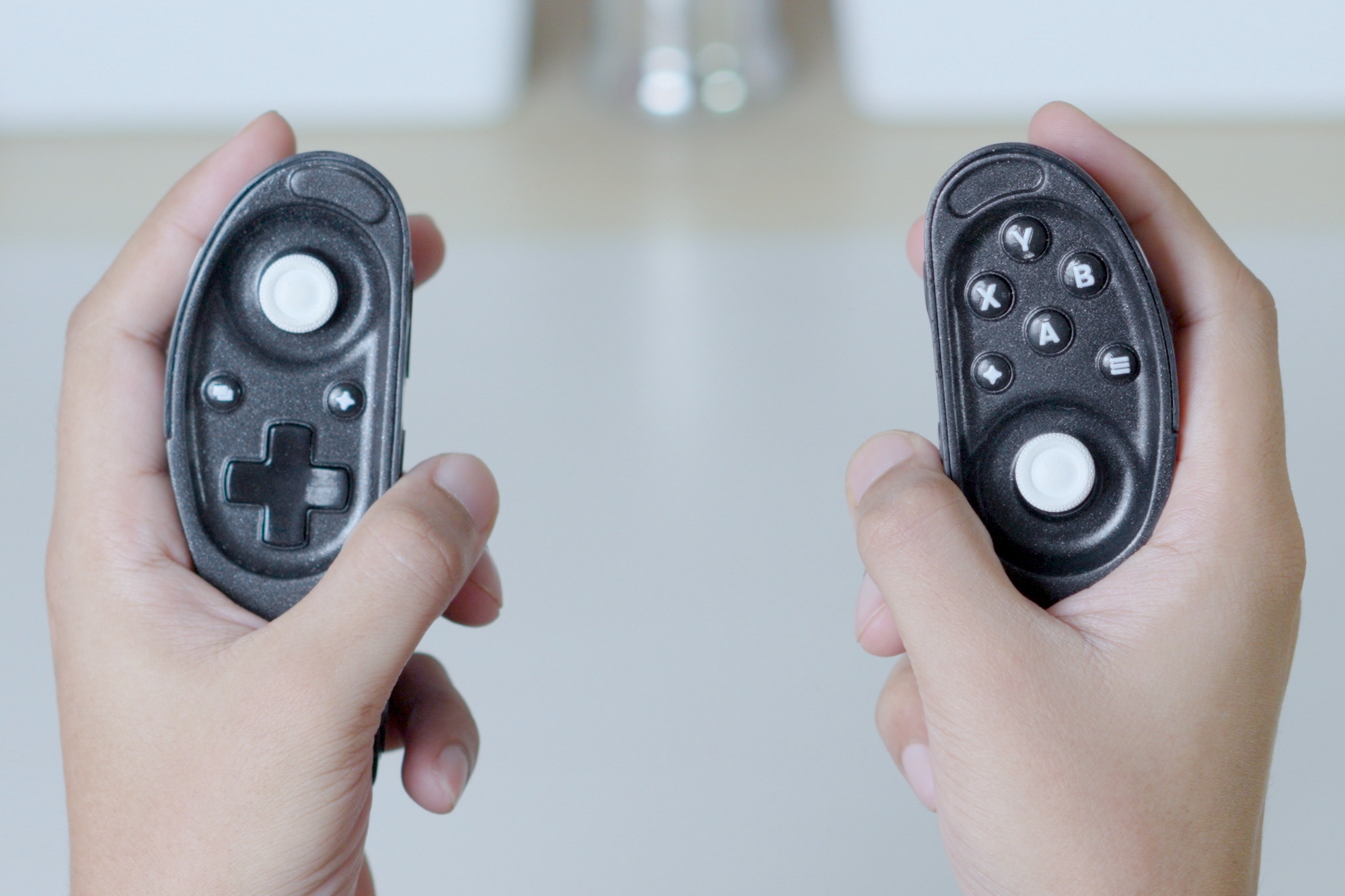
You get the familiar View and Menu buttons of an Xbox controller, but in addition are two buttons that look to be mirrored. And with a symbol that’s commonly associated with genAI watermarks. Pixelpaw Labs has not specified what exactly they do. But with today’s tech trends, it’s likely what it says on the tin.
We reached out to the company to get clarification on these elements. In response, a rep tells us that it uses the Omron D2F for the mouse click buttons and the Omron D2LS for the “top auxiliary buttons”. Those were chosen “for their feel, reliability, and proven performance”. As for the analogue sticks, the Phase uses Alps Alpine potentiometers. Though the rep says the company is working to get Hall Effect sticks to work without the magnets holding the two halves together interfering with the sticks’ sensors. For what it’s worth, the triggers do already use Hall Effect tech.
Odd Way To Launch
Finally, we get to its software. Like most makers of videogames peripherals, Pixelpaw Labs has given the Phase a software component. It’s called the PixelPlay companion software, and this is where you customise the input of its 18 buttons in total, adjust DPI settings, create profiles and update firmware.
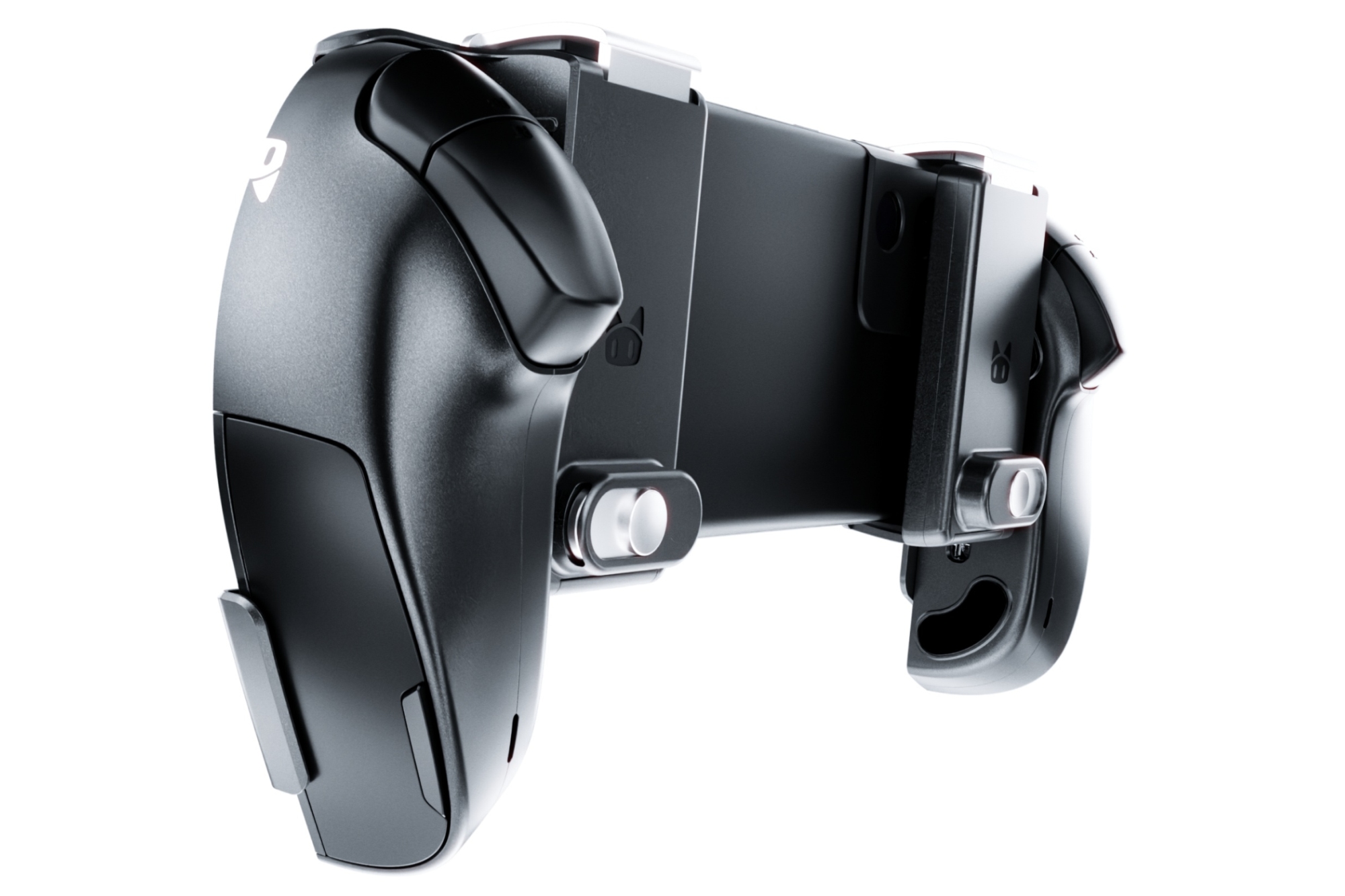
The Phase also has what is called the Phasegrip accessory. It essentially the tool to help turn the split controllers into a mobile controller. It’s something that you can get bundled with the Phase, which itself doesn’t have a finalised price yet. Instead, the company lists an estimated retail price of around US$159 (~RM625) for the peripheral alone, or US$188 (~RM739) with the Phasegrip bundled in.
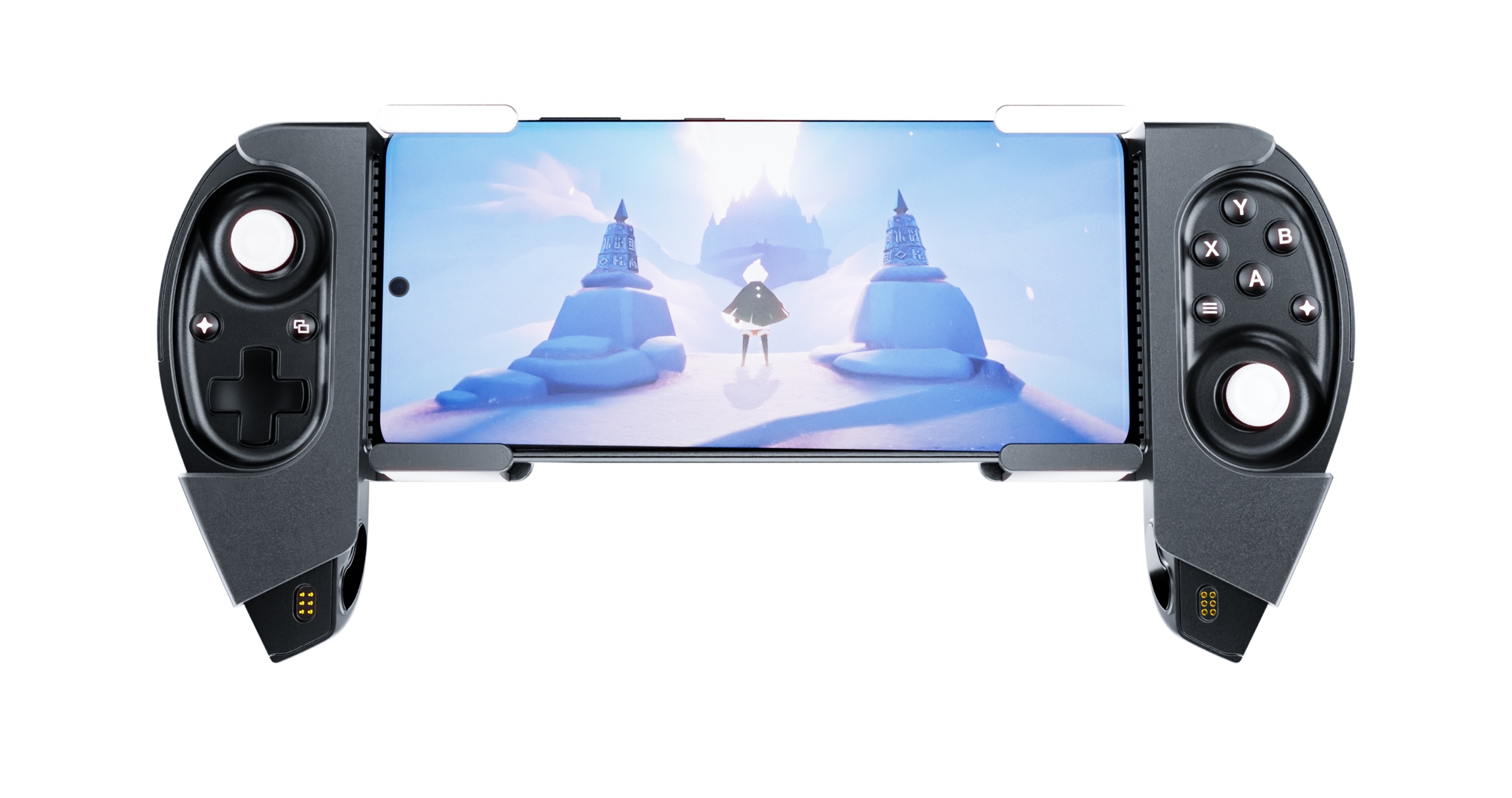
And the reason for the estimated prices is because the Phase is not actually available just yet. Instead, the company has a less than straightforward path towards availability. You can pre-order it now, and then when its Kickstarter campaign starts, you’ll have to back that project separately. Though those who pre-order are entitled to a 15% discount during the Kickstarter phase. No word on when it will actually be out and about just yet either. And the FAQ page says it ships to the US, UK, Germany, France, Netherlands, Canada, Australia, Japan and Singapore.
(Source: Pixelpaw Labs [1], [2])
