


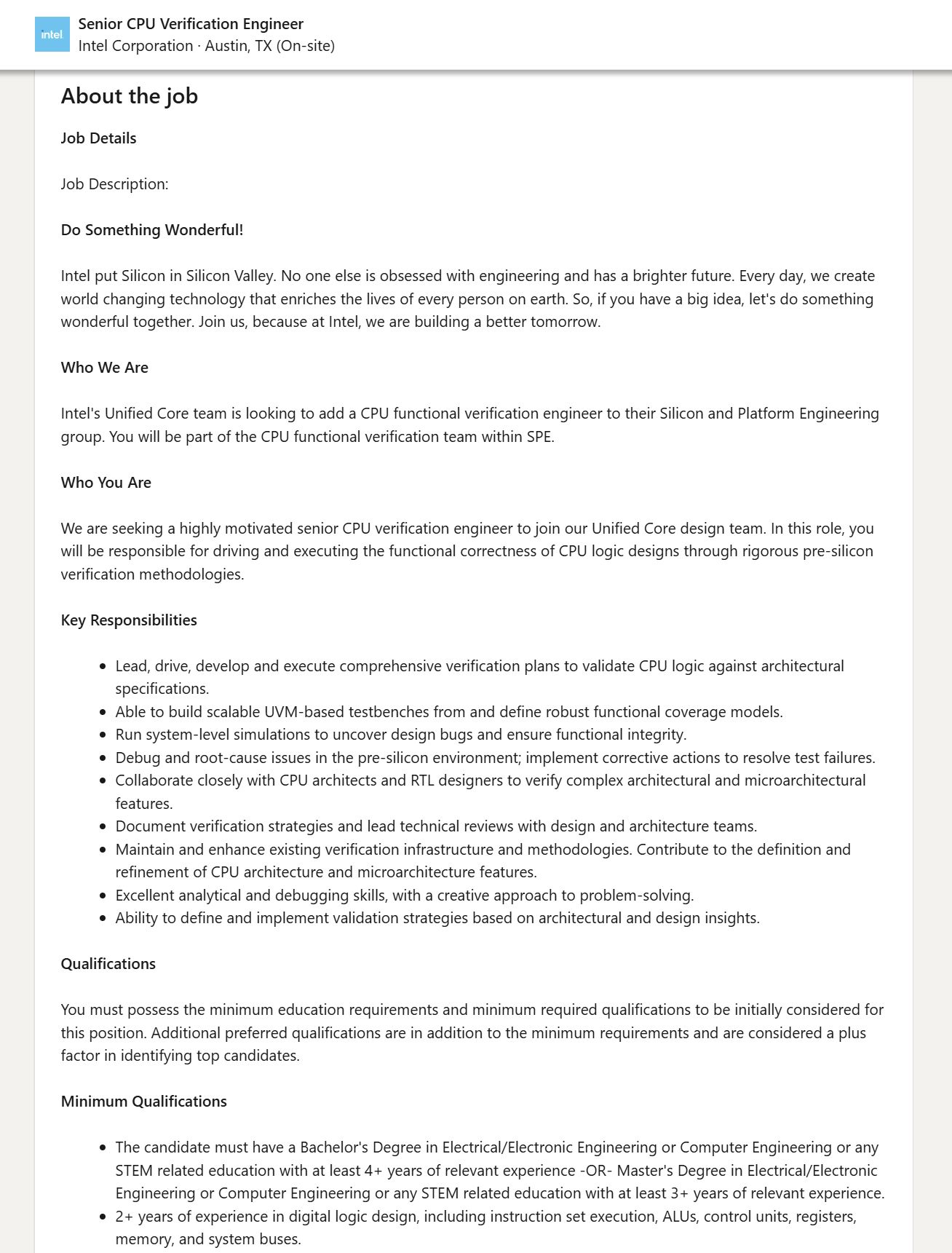
It appears that Intel could be making plans to ditch its current hybrid core design, and return to a Unified Core Design for future CPUs. At least, that’s what it sounds like, if you go by a recent job listing posted on LinkedIn.
The listing, which is no longer accepting applicants, was for the position of a Senior CPU Verification Engineer. The job description says that the blue chipmaker was looking for someone who could verify silicon design while working with architects and RTL designers. “Intel’s Unified Core team is looking to add a CPU functional verification engineer to their Silicon and Platform Engineering group. You will be part of the CPU functional verification team within SPE.”
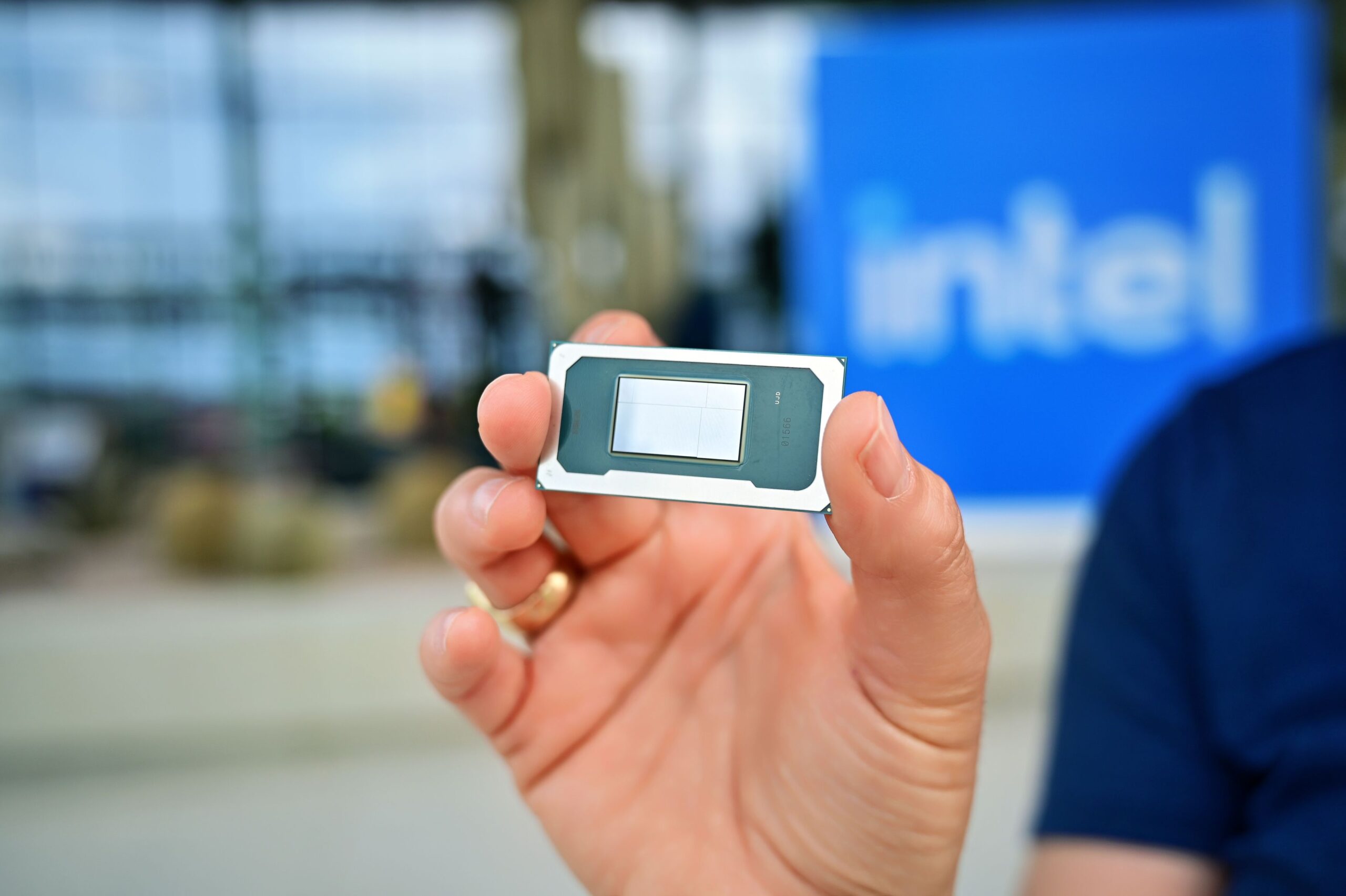
As a quick primer, Intel introduced the Hybrid Core Design architecture in 2021, with the launch of its 12th Gen Alder Lake desktop CPU. This marked the first time that the P-Cores and E-Cores were used in a CPU, both known as Golden Cove and Gracemont, respectively, at the time.
The new CPU architecture yielded the desired effect for Intel, and it quickly became the chipmaker’s new template for all future chip designs — Meteor Lake and Lunar Lake for laptops, and Raptor Lake, Raptor Lake Refresh, and the current Arrow Lake portfolio for the desktop.
Why The Change Now?
To be frank, we don’t quite know what Intel’s intentions are, but at this point, we could assume that its hybrid core design is now a “trial and error” phase, and one that Lip Bu Tan, current CEO of Intel, could now be moving away from, as he continues to shake the tree and trim its branches. The man is technically an engineer (nuclear engineer, even), and compared to his aggressively ousted predecessor, Pat Gelsinger, Lip has often remarked that he wants to give powers back to the company’s engineers to make good chips again.
Lip has also said in the past that he intends to bring Intel’s Hyperthreading, to say nothing of the Unified Core Design, back, a technology the chipmaker technically ditched with the advent of Lunar Lake, and was implemented with the launch of its desktop Arrow Lake-S. It’s a decision that has divided many in the PC community, but as we’ve seen through our own review of the products, there’s no loss in performance, both for laptops and desktops. That said, we understand the desire for it: having lived with the feature for so long, many folks would rather have it, with the option to disable it if they don’t want it, rather than not having the option straight up.

In the spirit of hyperthreading or multithreading, don’t expect to see it back in action anytime soon, especially not with the next-generation Nova Lake, or even its successor. These things take years before they can be fully implemented for the client and consumer segment. Case in point, the Hybrid Core Design.
As of today, it is Intel’s red rival, AMD, that continues using the Unified Core Design architecture, along with its own Simultaneous Multithreading, or SMT, technology. But, oddly enough, the red CPU and GPU maker did confirm years ago that it would actually also be shifting towards the Hybrid Core Design in time, but given this bit of news, we’re also wondering if this plan is now up in the air.
(Source: LinkedIn, TPU, Tom’s Hardware)
