

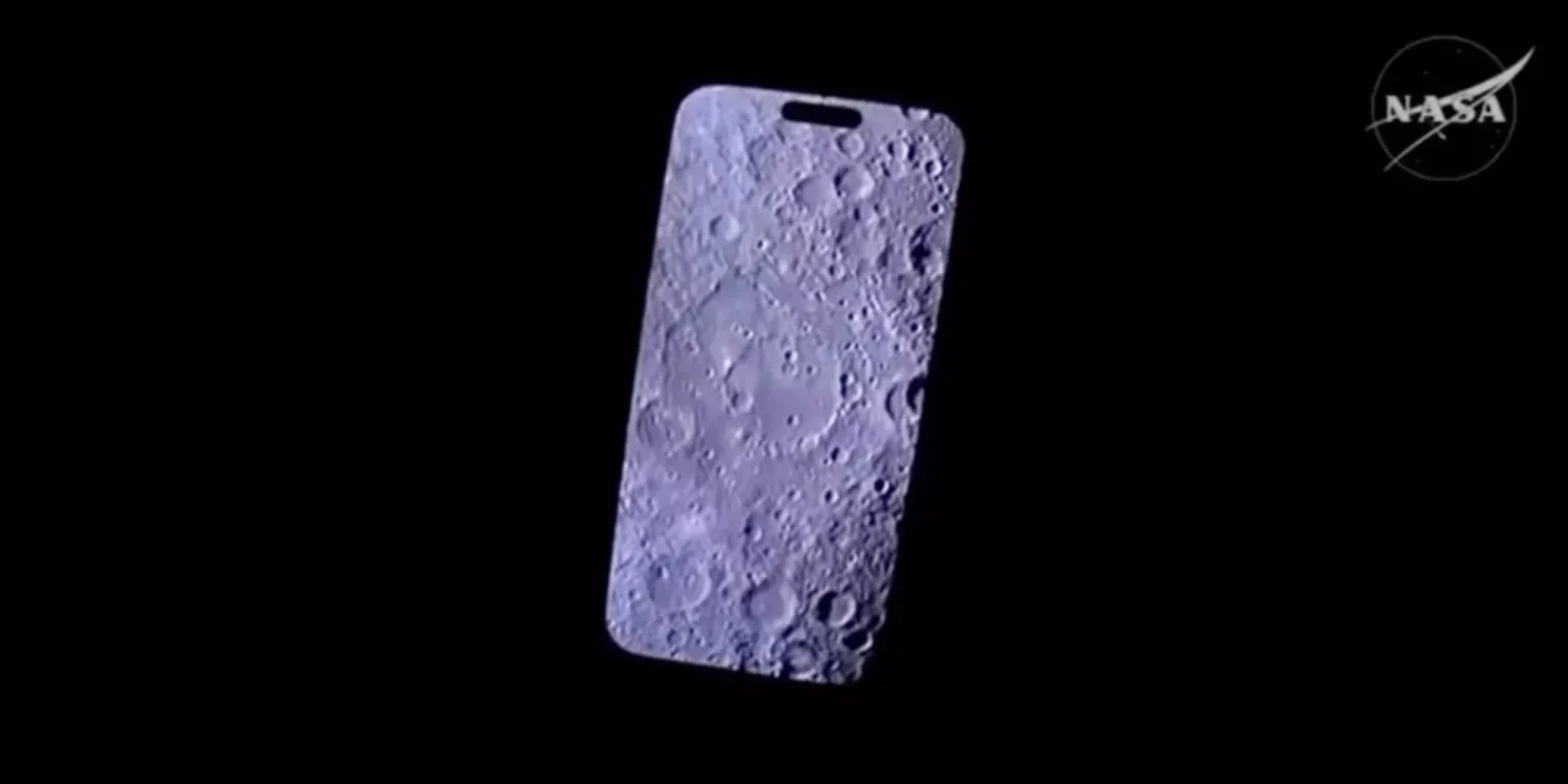
Astronauts aboard Artemis II have shared a fresh batch of images captured during their journey around the Moon, including one taken on an iPhone 17 Pro Max by mission commander Reid Wiseman. The photo, revealed during a NASA livestream, offers a detailed look at the lunar surface as the spacecraft made its closest approach.
According to mission commentary, the crew dimmed the lights inside the Orion spacecraft cabin to reduce reflections and improve image clarity. Wiseman later confirmed that the shot was taken using the phone’s 8x zoom, while mission control identified the visible feature as the Chebyshev crater.
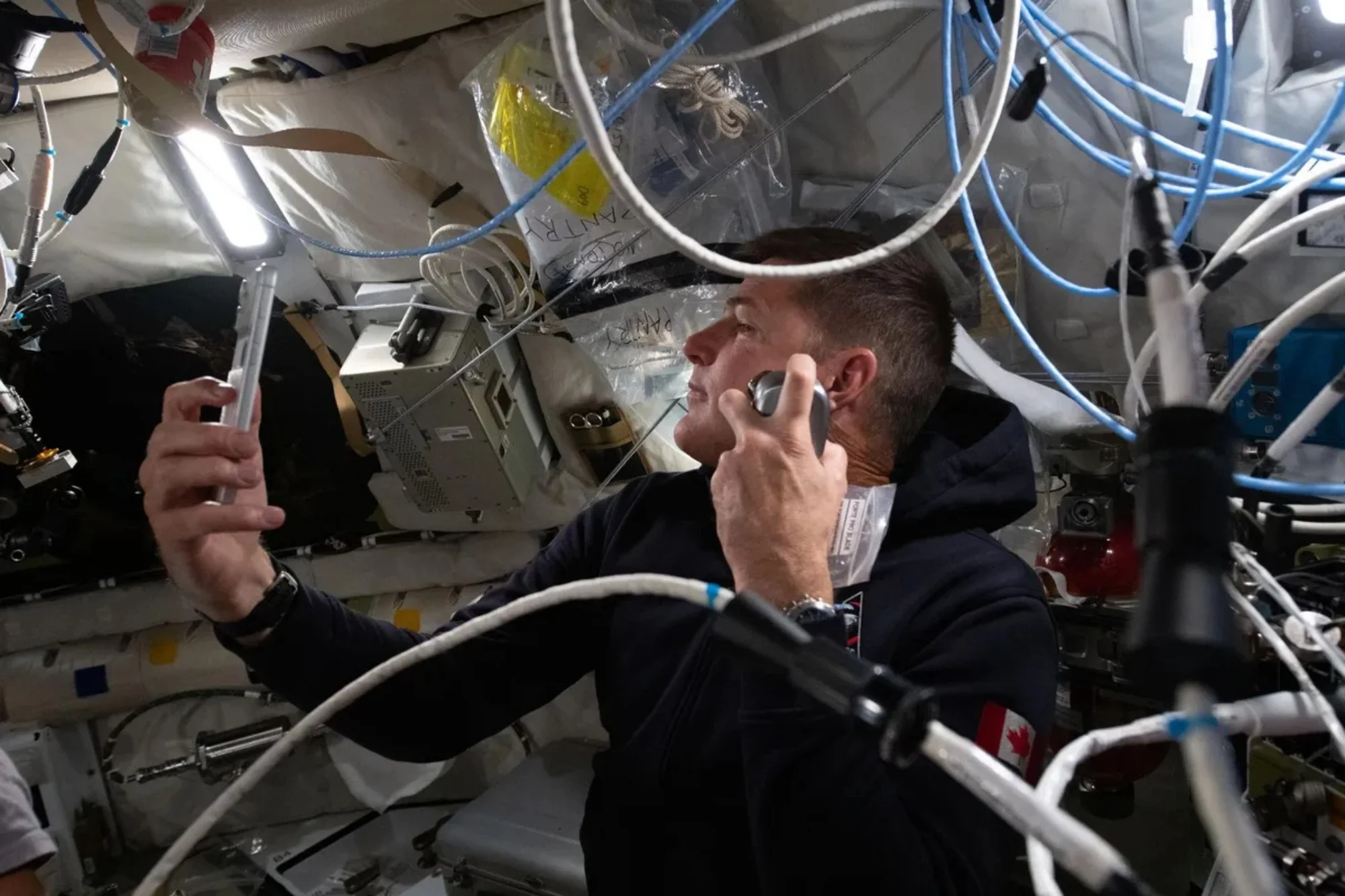
The use of smartphones marks a first for NASA, which allowed astronauts to bring and use modern consumer devices during the mission. 9to5Mac reports that four iPhone 17 Pro Max units are onboard, complementing more traditional imaging equipment such as the GoPro HERO 4 Black, Nikon D5, and Nikon Z9.
One Giant Leap For Apple?
While Apple itself is said to have no direct involvement in NASA’s mission, the use of its product may end up as a bragging right for the company. Whether it’ll bring that up during its future keynote or marketing materials remains to be seen, and skipping over it would seem like a missed opportunity. This is especially when some of its competitors have been using the moon as one of the benchmarks in highlighting their product’s imaging capabilities.
Downloadable Wallpapers From The Mission
For those wanting high resolution images from the mission to be used as your personal desktop wallpaper, you’ll be glad to know that these are already shared on NASA’s official Flickr account. The agency also recently announced a set of downloadable smartphone wallpapers based on some of the mission’s most striking visuals.
A total of 14 images have been optimised for mobile displays, including compositions that feature both the Moon and Earth in a single frame. Most of these are likely those which are shot using the more high-end imaging systems mentioned earlier rather than the iPhone 17 Pro Max, although we wouldn’t discount that possibility.
On The Way Home
Following the successful lunar flyby, the Orion spacecraft has now begun its return trajectory to Earth, using the Moon’s gravity to slingshot back home. The mission has already set a record for the furthest distance travelled by a human crew, with splashdown expected off the coast of San Diego on 10 April 2026.
(Source: 9to5Mac)
