















































©2024 VIJANDREN RAMADASS. ALL RIGHTS RESERVED.

COMMUNITY FORUMS
Active Threads
Latest Threads
realme Buds Air 6 Pro Gets Listed On SIRIM; Launch Imminent
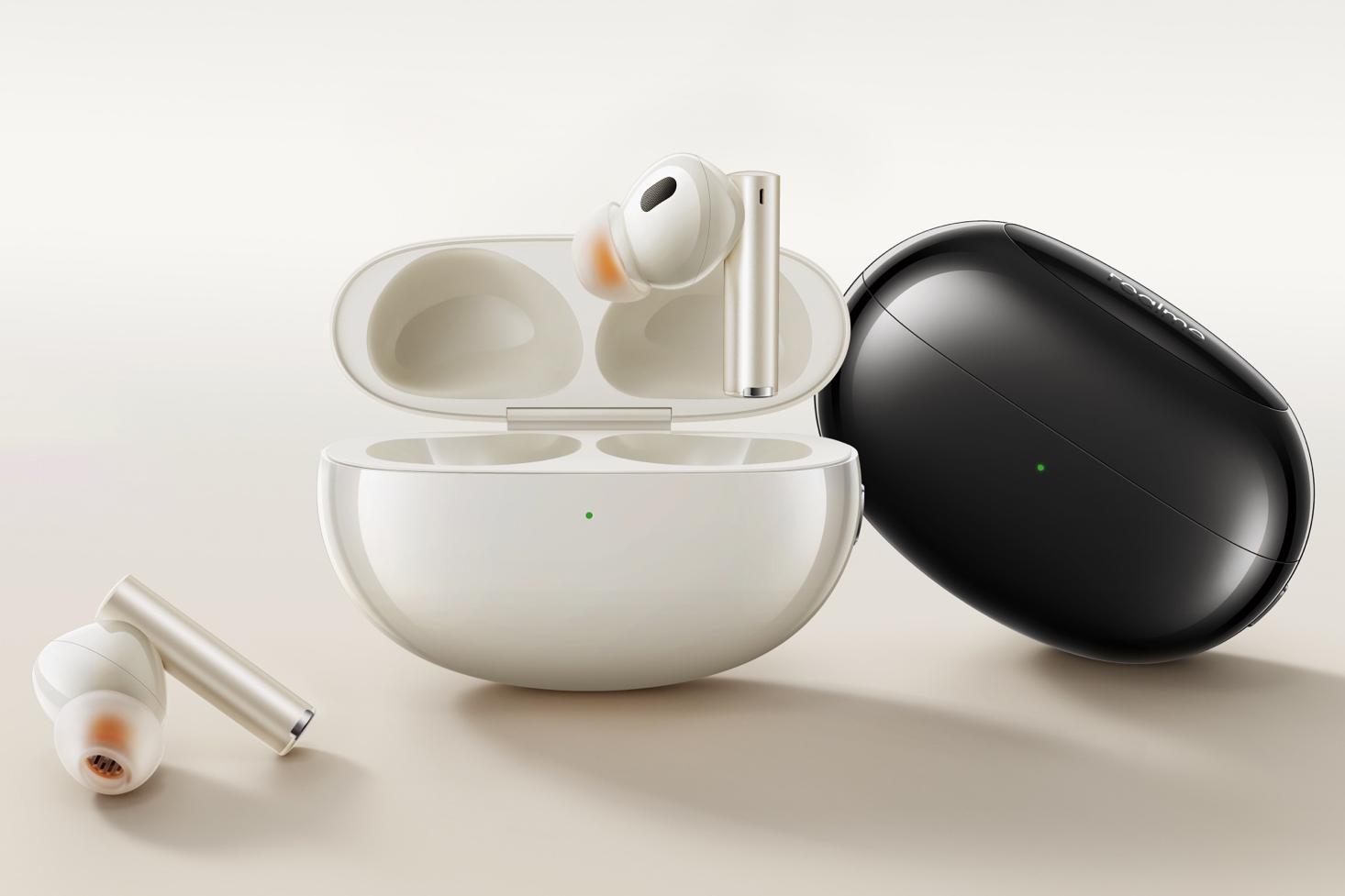
realme is set to launch a brand new pair of wireless earbuds dubbed the Buds Air 6 Pro. No doubt...

Tesla Model 3 Performance Can Now Be Ordered In Malaysia For RM242,000
The Tesla Model 3 was first launched in Malaysia late last year, with the Rear-Wheel Drive and Long Range models...

Steam Will No Longer Issue Refunds If You Played Two Hours Of A Game Before Launch
Valve, the owner of the digital distribution game platform, Steam, will no longer offer the no-questions-asked refunds for any game...

Apple Vision Pro Production Gets Cut Due To Low Demand, Analyst Claims
The Apple Vision Pro is a pricey mixed-reality headset that's currently only available in the US, even if there are...

Samsung Music Frame Lands In Malaysia At RM1,999
Samsung unveiled its unique Music Frame speakers earlier this year at CES and now, the innovative product has finally made...

Razer Viper V3 Pro Costs RM829; Has HyperPolling Dongle Bundled In
When Razer released the Viper V2 Pro two years ago, it was just about the best gaming mouse money can...

CelcomDigi Introduces New Hajj Roaming Pass; Priced At RM128
CelcomDigi has announced the new limited-time Hajj Roaming Pass for those travelling to Saudi Arabia to perform their Hajj pilgrimage...

Apple Reportedly Ends Production Of FineWoven Accessories Due To Durability Issues
Apple has reportedly stopped production of its FineWoven accessories, according to Apple leaker Kosutami. Posting on X, the leakster alleges...

Infinix Smart 8 Gets SIRIM Certification; Local Launch Likely Soon
Infinix may soon be introducing yet another smartphone to the Malaysian market with the Smart 8. The phone was launched...
COMPUTING
Qualcomm Snapdragon X Plus Appears On GeekBench
Microsoft has already launched its Surface devices for businesses, which run Intel processors. The consumer variants running Qualcomm Snapdragon X...


GAMING
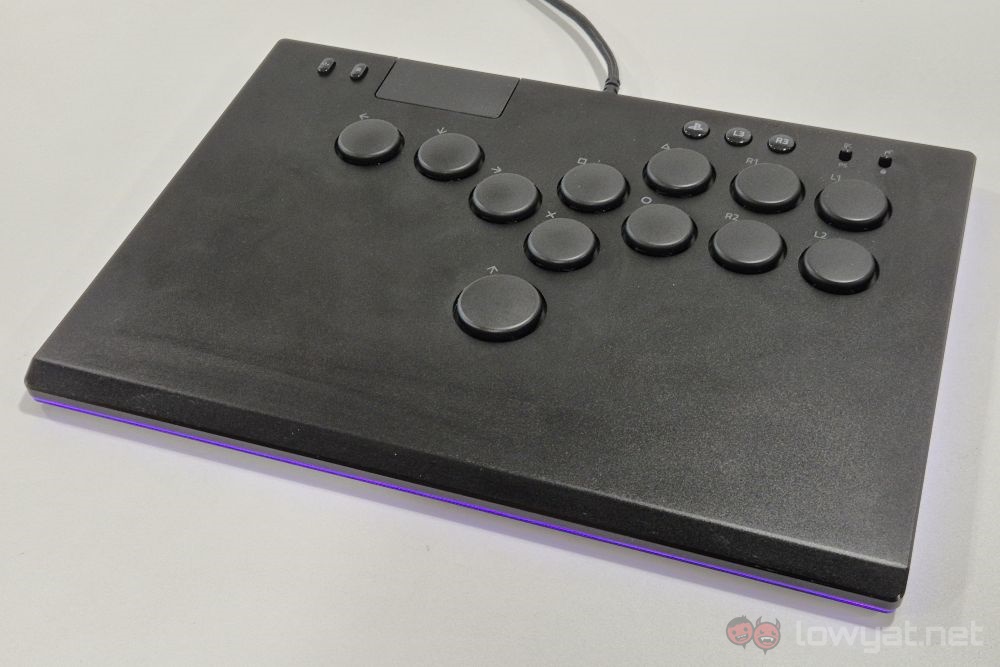
Razer Launches Kishi Ultra Gaming Controller; Priced At RM729
Razer just released the Kishi Ultra, the successor to last year's Kishi V2 Pro mobile gaming controller. Like its predecessor,...


SMARTPHONE
Infinix GT 20 Pro To Launch In Malaysia On 2 May
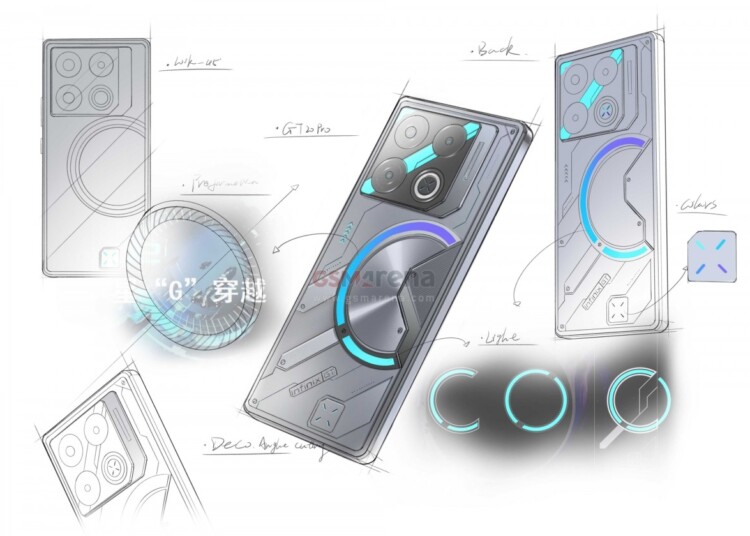
The Infinix GT 20 Pro was spotted in the SIRIM database last month, hinting that the successor to last year's...


THE REVIEWS
MORE NEWS
LATEST NEWS
realme Buds Air 6 Pro Gets Listed On SIRIM; Launch Imminent
realme is set to launch a brand new pair of wireless earbuds dubbed the Buds Air 6 Pro. No doubt...
Read moreTesla Model 3 Performance Can Now Be Ordered In Malaysia For RM242,000
The Tesla Model 3 was first launched in Malaysia late last year, with the Rear-Wheel Drive and Long Range models...
Read moreSteam Will No Longer Issue Refunds If You Played Two Hours Of A Game Before Launch
Valve, the owner of the digital distribution game platform, Steam, will no longer offer the no-questions-asked refunds for any game...
Read moreIntel ARC Battlemage GPUs To Support UHBR13.5
Intel recently issued a series of patches, primarily for its yet unreleased ARC Battlemage GPU series. As per the notes,...
Read moreXiaomi 15 To Reportedly Be The First Phone Powered By Qualcomm Snapdragon 8 Gen 4
Qualcomm has already confirmed that it will be launching the Snapdragon 8 Gen 4, its next flagship mobile SoC, in...
Read moreApple To Host “Let Loose” Virtual Launch On 7 May 2024
Apple has officially announced that it will hold a virtual launch next month. Based on the teaser image provided, which...
Read moreAMD RDNA4 Radeon GPUs May Stick With Slower 18Gbps Memory
It is rumoured that AMD's upcoming RDNA4-based graphics cards, unofficially being called the Radeon RX 8000 Series GPUs, will be...
Read moreMCMC Urges Public To Not Share Video Clips Of Today’s Helicopter Incident
The Malaysian Communications and Multimedia Commission (MCMC) has issued a stern warning to the public against sharing any video footage...
Read moreCelcomDigi Introduces New Hajj Roaming Pass; Priced At RM128
CelcomDigi has announced the new limited-time Hajj Roaming Pass for those travelling to Saudi Arabia to perform their Hajj pilgrimage...
Read moreApple Reportedly Ends Production Of FineWoven Accessories Due To Durability Issues
Apple has reportedly stopped production of its FineWoven accessories, according to Apple leaker Kosutami. Posting on X, the leakster alleges...
Read moreInfinix Smart 8 Gets SIRIM Certification; Local Launch Likely Soon
Infinix may soon be introducing yet another smartphone to the Malaysian market with the Smart 8. The phone was launched...
Read moreQualcomm Snapdragon X Plus Appears On GeekBench
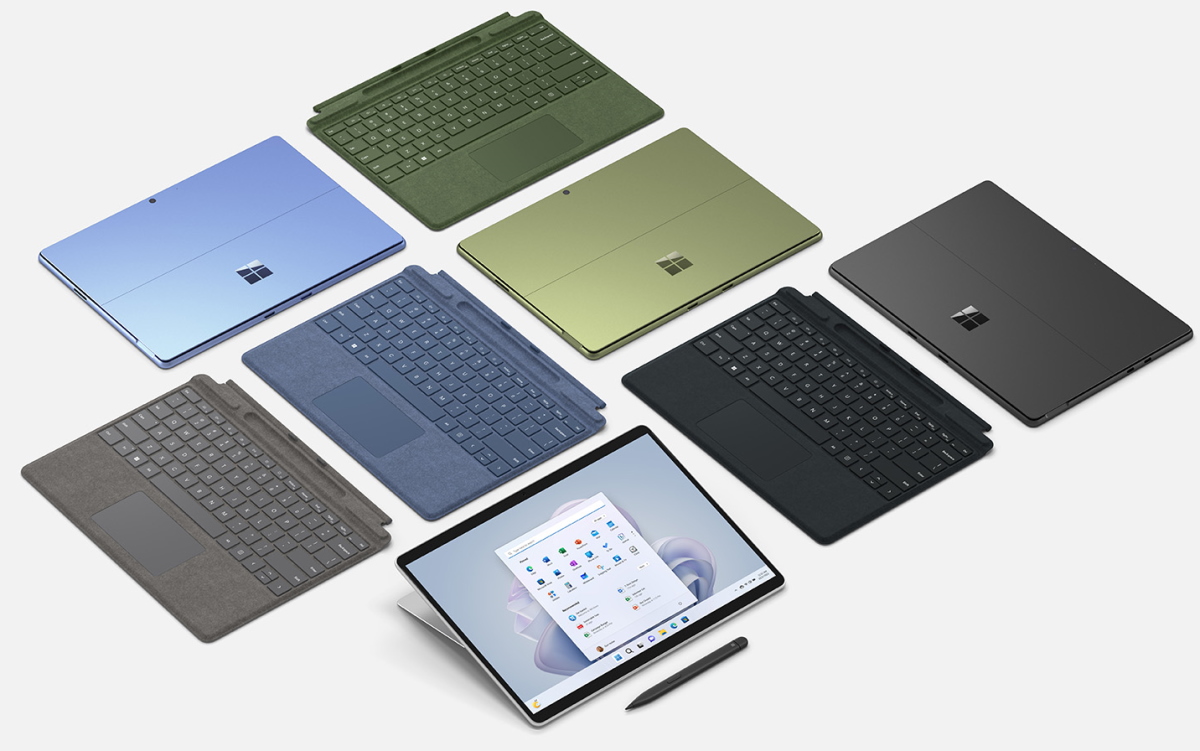
Microsoft has already launched its Surface devices for businesses, which run Intel processors. The consumer variants running Qualcomm Snapdragon X...
Read moreHONOR MagicBook X 16 2024 To Be Available For RM2,999
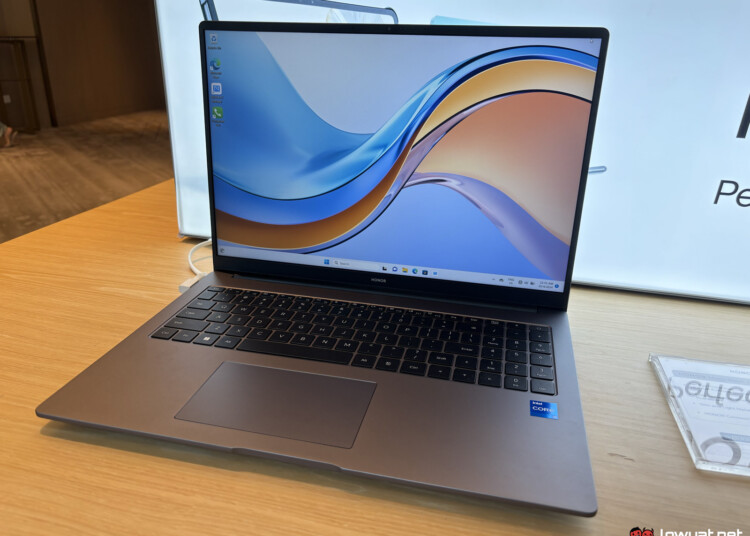
HONOR recently launched a whole lineup of new products and one of it is an update to its MagicBook X...
Read moreInfinix GT 20 Pro To Launch In Malaysia On 2 May
The Infinix GT 20 Pro was spotted in the SIRIM database last month, hinting that the successor to last year's...
Read moreNothing Ear And Ear (a) Available In Malaysia First Via Crossover’s Online Store From 27 April
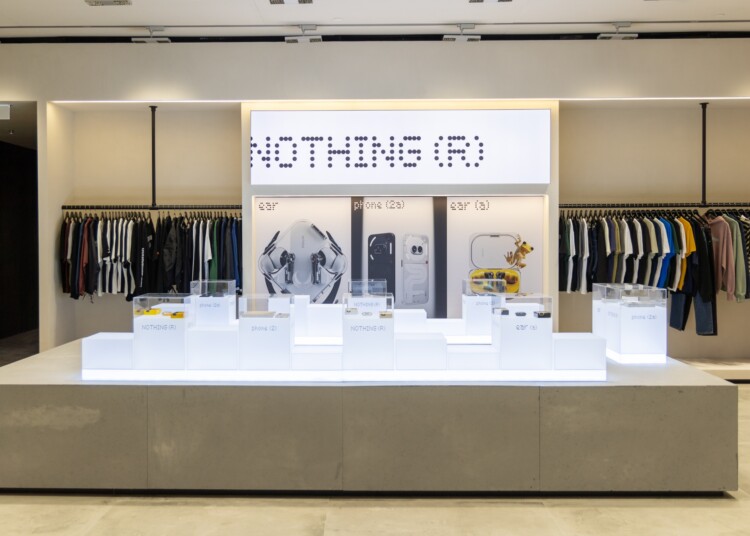
Nothing has officially launched its latest audio products, the Ear and Ear (a), in Malaysia over the weekend. The event...
Read moreHONOR Band 9 Arrives In Malaysia At RM199
HONOR has officially brought over the Band 9, its latest smart band. The wearable was unveiled last month, succeeding the...
Read moreNubia Neo 2 5G Will Be Available On 28 April For RM999
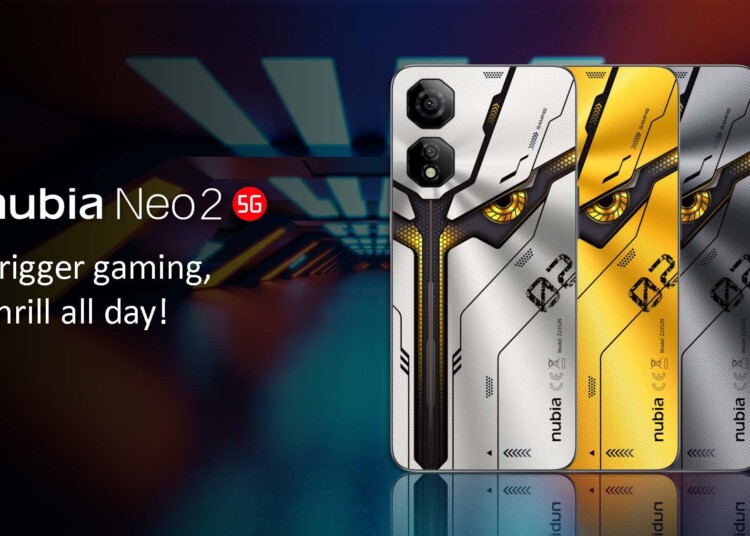
As teased last week, the Nubia Neo 2 5G has been officially launched, with the price of the device revealed...
Read moreMaybank Launches Goal-Based Investment; Accessible From MAE App
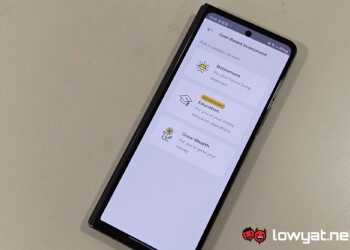
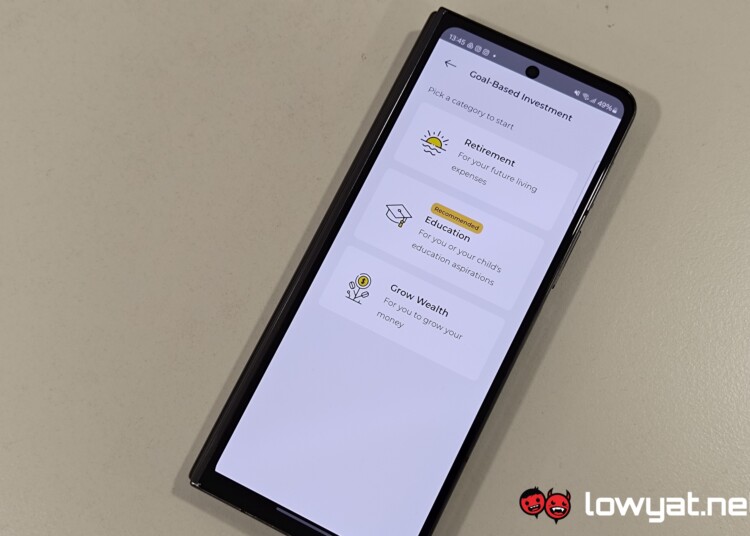
Maybank has announced a new feature addition to its MAE app, which comes in the form of what is called...
Read moreHONOR Launches X7b 5G And Pad 9 5G; Starts From RM899
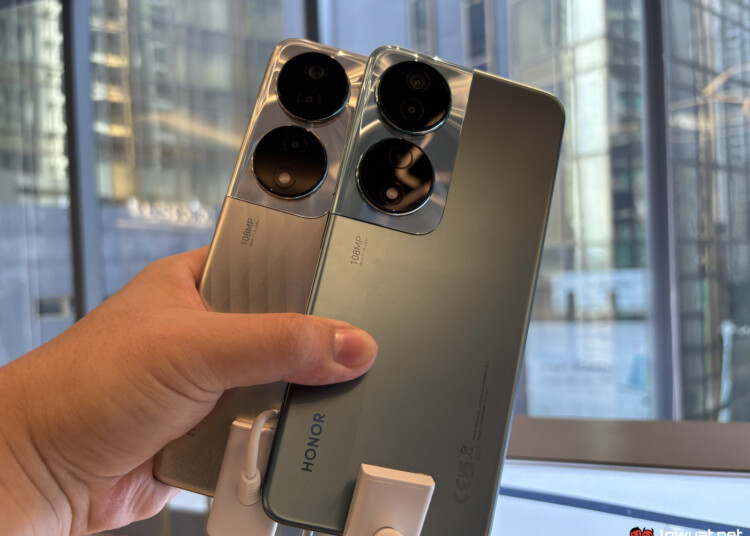
HONOR has officially launched the 5G variant of two of its existing products, the X7b and the Pad 9. The...
Read morePM Anwar: DNB Issue To Be Resolved By Next Week
Prime Minister Datuk Seri Anwar Ibrahim says that the issues revolving around the state-owned 5G operator, Digital Nasional Bhd (DNB),...
Read moreNew TikTok “Ban” Passes In US House Again, Enters The Senate
The US House of Representatives have once again passed another bill into the Senate that could see the social media...
Read moreShopee To Introduce On-Time Guarantee Starting 6 May
Shopee has announced that it will introduce yet another program that will make shopping online more seamless, tackling anxiety about...
Read moreSome Gamers Are Renting Out Their GPUs To Generate AI Porn
It's been reported that some gamers are renting out their idle GPUs to a company called Salad, a middle-man of...
Read moreTIME Internet Upgrades Pakej MyKabel Speeds; Now Starts From 200Mbps
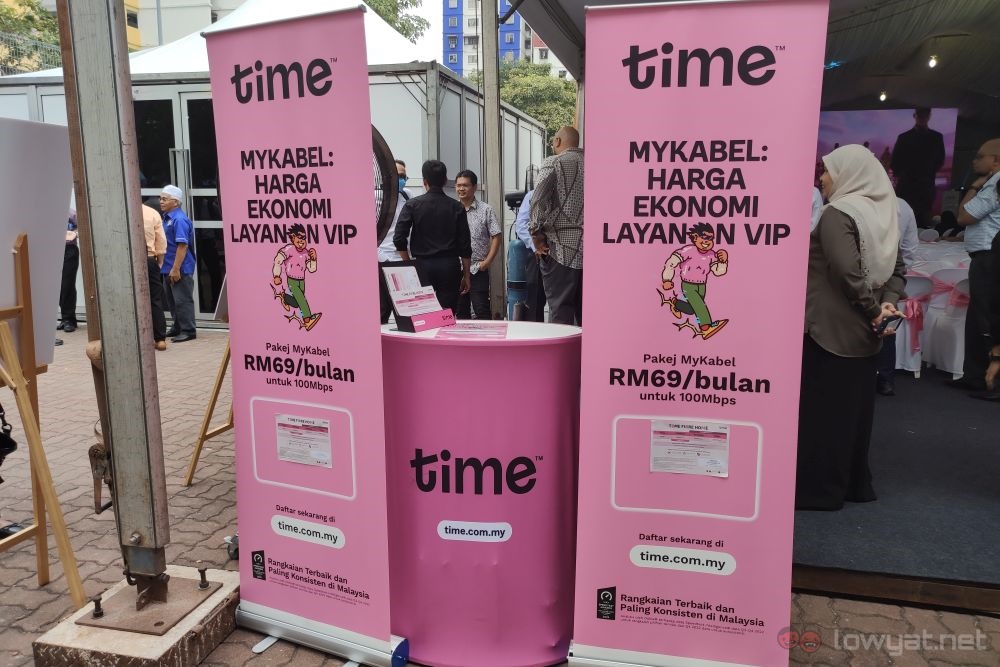
TIME Internet has recently upgraded the speeds for plans offered under its Pakej MyKabel initiative. Much like the Speed Boost...
Read morerealme 12x 5G Launching In Malaysia On 2 May 2024
After over a month of its discovery in SIRIM's database, realme has finally confirmed the local launch date for the...
Read moreBoring Phone Is a Flip Phone Made By HMD And Heineken
HMD and Heineken (yes, that Heineken) recently teamed up to design and make a Boring Phone. That's not just the...
Read moreMalaysia 5G Rollout Reportedly Stuck In A Quagmire
A report by Channel News Asia (CNA) has shed some light on the 5G rollout plan in our country. According...
Read moreMeta AI Gets Dedicated Website; Still Not Widely Available
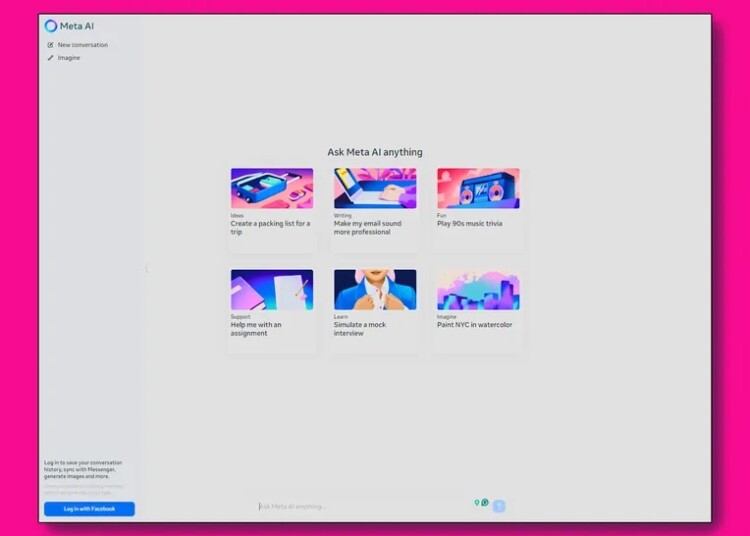
Earlier, we saw reports of Meta AI being rolled out to WhatsApp, Instagram and Messenger, but only in India and...
Read moreNubia Neo 2 5G To Officially Launch In Malaysia On 22 April 2024
The Nubia Neo 2 5G mid-range gaming smartphone is expected to arrive in the local market soon, according to teasers...
Read moreQualcomm Releases Teaser For Snapdragon X Launch On 24 April
Just a day after the leaked renders of the Lenovo Yoga Slim 14 Snapdragon Edition made their way online, Qualcomm...
Read more